Should I Be Worried If a Roofer Doesn’t Ask to Inspect My Attic?
August 18th, 2026
5 min read
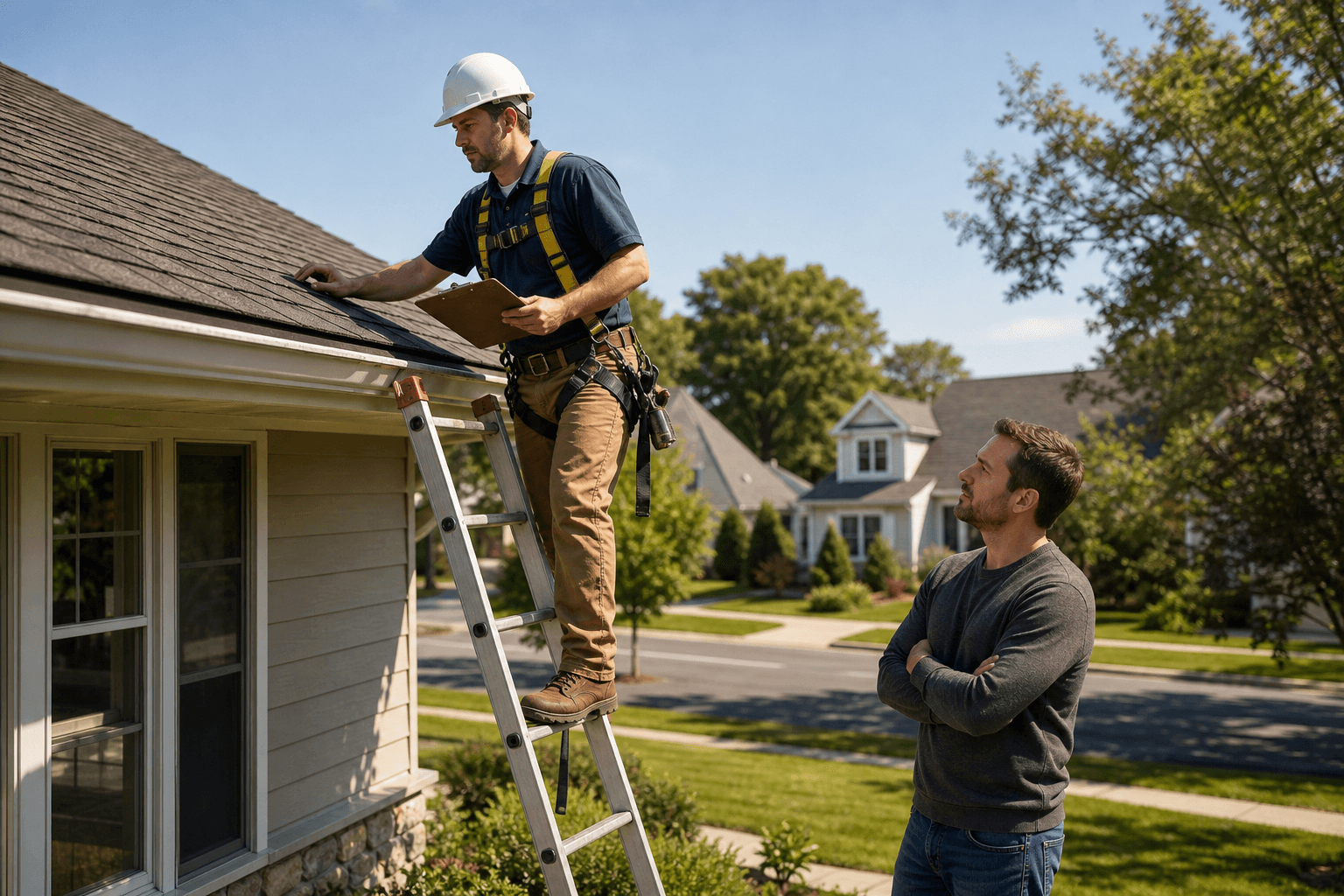
You meet with a roofer; they walk around your home, look at the shingles, maybe take a few photos, and then hand you a quote.
But they never ask to look inside your attic.
Suddenly you wonder:
“Is that normal? Or did they skip something important?”
At Adam Quenneville Roofing and Siding we get asked this all the time and after completing every single inspection with an attic evaluation (unless there truly is no access), we’ve seen firsthand how the attic can reveal issues no exterior inspection ever will have issues that impact cost, roof performance, and even your manufacturer warranty.
We recently met a homeowner who was surprised when our team asked for attic access during a routine roof inspection. Their previous roofer never looked inside, so they assumed it wasn’t necessary. But the moment we entered the attic, the problem became clear: wet insulation, visible growth on the sheathing, and almost no ventilation. From the exterior, the roof looked fine but inside, the attic told the real story. That inspection completely changed the homeowner’s understanding of what was causing their recurring roof issues.
In this article, we’ll break down:
- When attic inspections are essential
- Why some roofers skip them
- What skipping the attic says about the contractor
- How attic conditions affect your roof’s lifespan and warranty
- What you should ask if the attic is being ignored
By the end, you’ll know exactly whether you should be concerned and how to protect yourself from surprise repair costs later.
Why Would a Roofer Want to Inspect Your Attic in the First Place?
Your attic and your roof work together as a single system. Problems inside the attic often show up before they appear on the roof.
Here’s what roofers can only see from inside the attic:
Signs of Hidden Moisture or Growth (possible mold)
- Wet insulation
- Dark staining on plywood
- Damp beams or wood
Ventilation Problems
Poor airflow leads to:
- Shortened roof lifespan
- Extreme attic heat
- Ice dams
- Shingle blistering
Structural Issues
From the attic, a roofer can check for:
- Sagging or warped decking/plywood
- Gaps between boards
- Rot
These issues directly affect the accuracy of the quote, especially plywood costs.
Leak Source Diagnosis
Water rarely drips straight down. It often travels along beams before appearing inside your home.
Not long ago, a homeowner called us out for a small stain in a bedroom ceiling. They expected the leak to be right above that area, but our attic inspection showed us the real source of the issue. The water was actually entering through a damaged flashing point several feet upslope, running along the rafters, and only dropping onto the drywall once it found a low spot. It was a perfect example of why attic inspections matter, the real source of a leak is rarely where the water finally appears.
Is It a Red Flag If a Roofer Doesn’t Check the Attic?
In many cases, yes, it's a red flag.
Major Red Flags
- The attic is easily accessible, but the roofer ignores it.
- You offer attic access and they decline.
- They give you a quote without asking any questions about ventilation.
These behaviors often mean:
- The roofer is rushing
- They are inexperienced
- They do not inspect roofs thoroughly
- They are guessing on major cost drivers
From A Pro:
If a roofer isn’t thorough during the inspection, they won’t be thorough during the installation. Skipping the attic tells us they’re guessing, not diagnosing and that’s the last person you want making decisions about your roof. Would you go to a mechanic and let them charge you without even looking under the hood of your car?
Acceptable Exceptions
There are a few legitimate reasons an attic might not be checked:
- Detached garages or sheds
- Homes with no attic space
- Fully sealed ceilings with no access
- Very small repair jobs unrelated to ventilation or structure
But a professional roofer will always explain why they’re skipping the attic.
What You Should Ask
“Can you explain why an attic inspection isn’t necessary in my case?”
A good roofer will have a clear, logical answer.
What Could Go Wrong If the Attic Is Ignored?
Skipping the attic can create major and expensive surprises.
1. Missed Moisture or Growth (possible mold)
If moisture issues go undetected, this can cause:
- Rotting plywood
- Growth (possible mold)
- Interior water staining
- Premature shingle failure
2. Missed Ventilation Problems
Poor ventilation leads to:
- Damaged shingles
- Ice damming
- Heat pockets
- Voided manufacturer warranties
3. Unexpected Plywood Costs
Damaged or improper decking can add hundreds or thousands of dollars to your roof cost, which is a surprise no homeowner wants mid-install.
4. Warranty Issues
Shingle manufacturers like GAF, Owens Corning, and CertainTeed require:
- Proper ventilation
- Proper decking conditions
If the attic is ignored, your new roof could fail inspection for warranty eligibility.
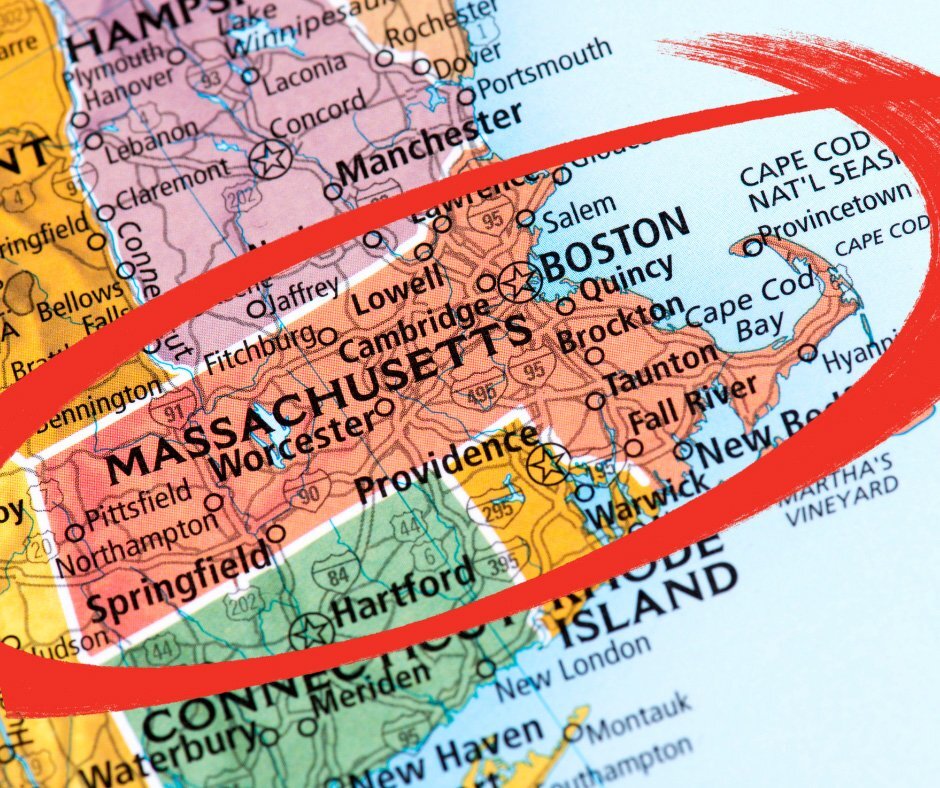
We saw a roof in Amherst MA that was only about ten years old but looked twenty-five. When we got into the attic, the problem was obvious: trapped moisture and zero airflow. The shingles overheated, became brittle, and started breaking down long before they should have. The homeowner told us no one ever checked the attic during the original install.
What Should Happen During a Proper Attic Inspection?
A thorough attic inspection doesn’t take long, but it covers a lot.
Step-by-Step Checklist
A roofer should examine:
- Plywood condition (rot, warping, gaps)
- Signs of active or past leaks
- Insulation levels and moisture content
- Intake & exhaust ventilation pathways
- Daylight
- Airflow
Tools Pros Use
- Flashlight (experienced roofers can identify issues visually)
- Moisture meter (optional, but helpful)
- Thermal camera (sometimes used for heat mapping)
What the Roofer Should Tell You Afterward
A trustworthy roofer will explain:
- What looks good
- What doesn’t
- What must be fixed before or during roof replacement
- Whether the attic conditions affect your quote
Questions to Ask Your Roofer If They Don’t Mention the Attic
These questions help you quickly determine whether the roofer is being thorough or cutting corners.
Ask the roofer:
- “How will you check ventilation without accessing the attic?”
- “Could there be moisture or plywood damage I’m not aware of?”
- “How do you know if I need plywood replacement?”
- “What happens if problems arise during installation that you didn’t see?”
How to interpret their answers:
- Clear reasoning = trustworthy
- Evasive answers = get a second opinion immediately
How We Handle Attic Inspections at Adam Quenneville Roofing and Siding
We inspect the attic in nearly every case because:
- Your roof and attic function as a single system
- Ventilation issues can destroy a new roof prematurely
- Moisture problems drive up costs unexpectedly
- Manufacturer warranties require certain attic conditions
When We Make Exceptions
Only when:
- There is truly no attic access
- The homeowner denies access
When that happens, we quote worst-case plywood replacement to avoid surprise charges later.
Why This Protects You Long-Term
Attic inspections catch:
- Growth (possible mold)
- Wet insulation
- Rotting wood
- Insufficient intake or exhaust ventilation
Catching these early prevents failures and warranty problems down the line.
Should You Still Work With a Roofer Who Doesn’t Check the Attic?
It depends but here’s how to decide:
When It’s a Red Flag
- Full roof replacement but no attic inspection
- Easy attic access ignored
- Roofer dismisses your questions
- Quote seems rushed or incomplete
When It Might Be Okay
- Detached building
- Simple repair unrelated to ventilation
- No physical attic exists
When to Get a Second Opinion
If you feel even slightly uneasy or the contractor can’t give a solid explanation, get another estimate. A roof is too important (and too expensive) to leave to guesswork.
At the end of the day, an attic inspection isn’t just a “nice-to-have” step, it’s one of the most important parts of a thorough roofing evaluation. Your attic reveals what the exterior can’t: moisture, ventilation problems, hidden leaks, plywood issues, and structural concerns that directly impact your roof’s lifespan, cost, and warranty.
So yes, if a roofer skips the attic without explanation, it can be a red flag. Not because every project requires attic access, but because a good roofing contractor should be able to clearly tell you why it’s necessary or why it isn’t.
Choosing a roofer who takes the time to inspect your attic means:
- You’ll get a more accurate, predictable quote
- You’ll avoid expensive surprises during installation
- Your roof is more likely to perform properly long-term
- Your manufacturer warranty stays intact
- You’re working with someone who understands roofing as a whole system
In other words, an attic inspection isn’t about inconvenience; it’s about protecting your investment.
“At Adam Quenneville Roofing and Siding, we inspect attics because it’s the only way to truly diagnose what your roof needs. Anything less would be guesswork, and that’s not how we operate.” - James, Project Consultant
If you’ve met with a roofer who never mentioned the attic, don’t panic, but do ask questions. If their answers feel vague or dismissive, trust your instincts. Getting a second opinion is quick, easy, and could save you thousands.
A roof is one of the biggest investments you’ll ever make in your home. You deserve a contractor who treats it and you with the care and thoroughness it requires.
With 17 years of experience in exterior remodeling and property insurance, Ron built his foundation working across the Midwest and South, mastering roofing, siding, windows, and gutters before specializing in helping homeowners identify claim-worthy damage, navigate the filing process, and work directly with adjusters. Now in his fifth year with Adam Quenneville Roofing & Siding, Ron brings the same personal integrity he was raised on to every conversation not to sell homeowners, but to educate them, so they understand their home, their options, and exactly what they are getting before they ever sign anything.