Opening the mail to find a non-renewal notice from your homeowners' insurance company used to be a rare, almost unheard-of event. Not anymore.
Over the last five years, insurance companies across the country have dramatically tightened their underwriting standards for older or deteriorating roofs. Non-renewals and coverage cancellations tied to roof condition have quietly become one of the most common insurance shocks homeowners now face, and most people have no idea it's happening until it happens to them.
When it does, the stakes feel much bigger than the roof itself. Suddenly you're not just looking at a contractor estimate. You're worrying about your mortgage lender requiring continuous coverage, a gap in your policy that leaves your home exposed, and an unexpected five-figure expense that wasn't anywhere in your plans.
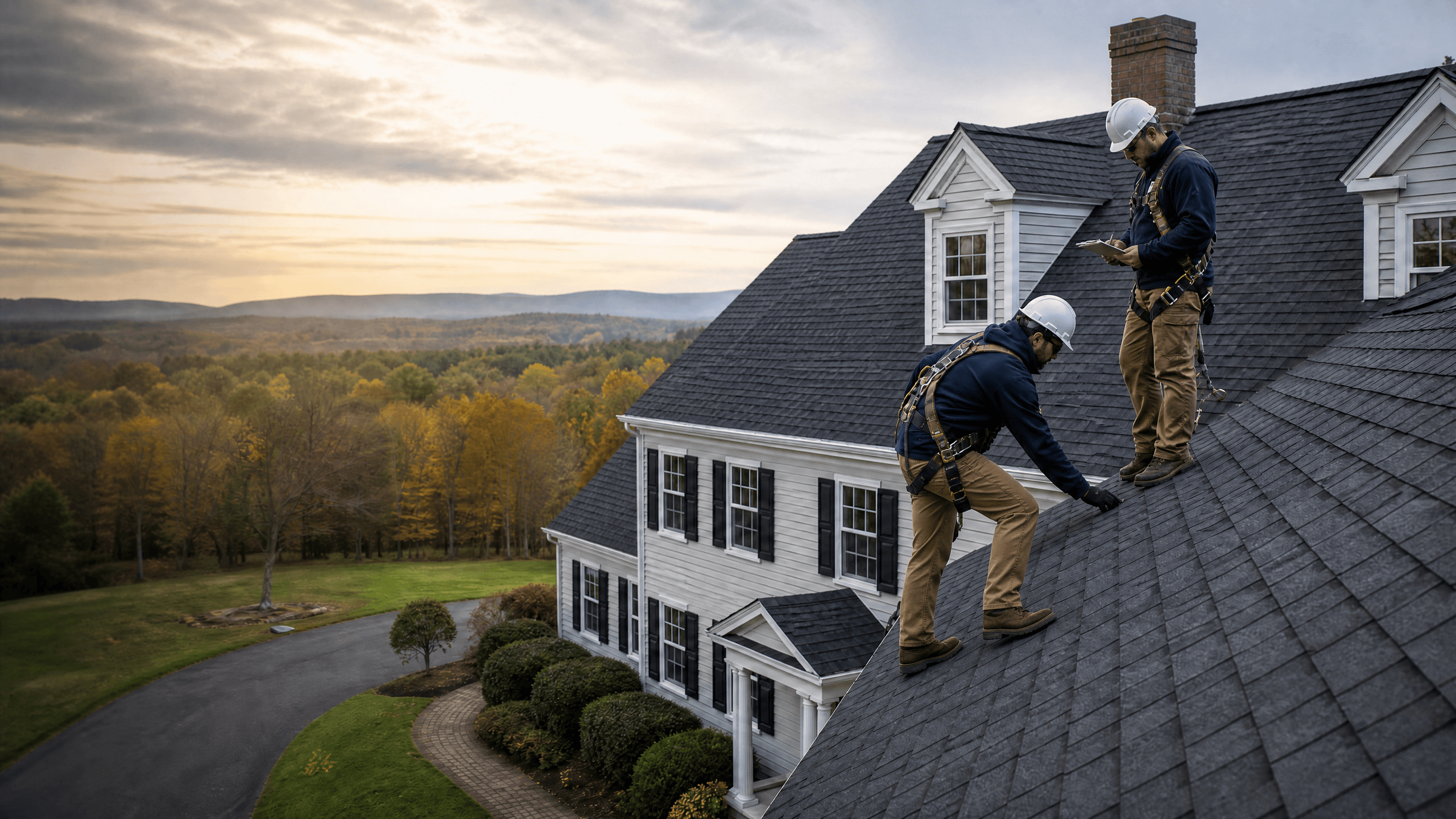
At Adam Quenneville Roofing and Siding, we have helped countless homeowners navigate the stressful, ticking-clock process of insurance non-renewals. We have seen the panic, we know the strict timelines, and we understand exactly what insurance companies are looking for when they demand a roof replacement.
In this article, we will explain why insurance companies are dropping policies over roofs, what happens if you ignore the notice, and the exact steps you can take right now to protect your home and keep your coverage intact.
Since we are a roofing company, you might expect us to say that buying a new roof is the only way out of this situation. But, depending on your circumstances, you may have other options, including disputing the notice or shopping for a different carrier, before committing to a full replacement. We will break down all of your choices honestly so you can make the best decision for your home.
What Roof Issues Lead to Insurance Companies Issuing a Non-Renewal Notice?
It might feel personal, but insurance companies view your roof as a straightforward risk assessment. The roof is your home's first line of defense against weather. If that defense appears compromised, the insurance company assumes a costly water damage claim could be coming. Here are the most common reasons they issue a non-renewal notice.
The Age of Your Roof
Most asphalt shingle roofs are designed to last 15 to 20 years. Once a roof reaches the 15-year mark, many carriers become nervous. Some companies have strict internal policies where they will automatically refuse to renew a policy if the roof exceeds a certain age threshold, regardless of how the roof looks from the ground. If your roof is 15 years old or older, age alone may be the trigger.
Visible Damage and Wear
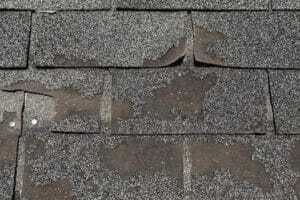
If an inspector identifies curling shingles, missing granules, bald patches, sagging sections, or exposed underlayment, they will flag the roof as a high-liability risk. A roof showing these signs is highly susceptible to wind and hail damage, which is exactly the kind of claim insurance companies want to avoid.
Moss, Algae, and Lichen Growth
What looks like a cosmetic problem to most homeowners is a serious red flag to an insurance underwriter. Moss, algae, and lichen are three distinct organisms, and each one signals a different level of concern, but all three can contribute to a non-renewal notice.
- Algae is typically the first to appear, showing up as dark black or greenish streaks running down the roof. It feeds on the limestone filler in asphalt shingles, gradually breaking down the material that gives your shingles their durability. Left untreated, algae accelerates the aging of your roof well ahead of its expected lifespan.
- Moss goes a step further. It takes root in the gaps between shingles and retains moisture against the surface of the roof. That trapped moisture works its way under the shingles over time, lifting the edges, compromising the seal, and creating pathways for water to reach the decking below. A mossy roof is not just unsightly, it is actively holding water against the one surface of your home that is supposed to shed it.
- Lichen is the most aggressive of the three. It is a combination of algae and fungus that bonds directly to the shingle surface and embeds its root-like structures into the granule layer. Unlike moss, which can sometimes be carefully removed, lichen causes physical damage to the shingle itself when it is pulled away. By the time lichen is visible on a roof, it has often already caused irreversible granule loss.
When an insurance inspector or a drone camera spots any of these organisms covering a significant portion of your roof, they interpret it as evidence of neglected maintenance and accelerated deterioration. To them, it is not just a dirty roof. It is a roof that is likely holding moisture, losing its protective granule layer, and moving toward failure faster than its age alone would suggest.
Insurance Companies Are Increasingly Using Drone and Satellite Roof Inspections
You may be wondering: "No one came to my house, how do they even know what my roof looks like?"
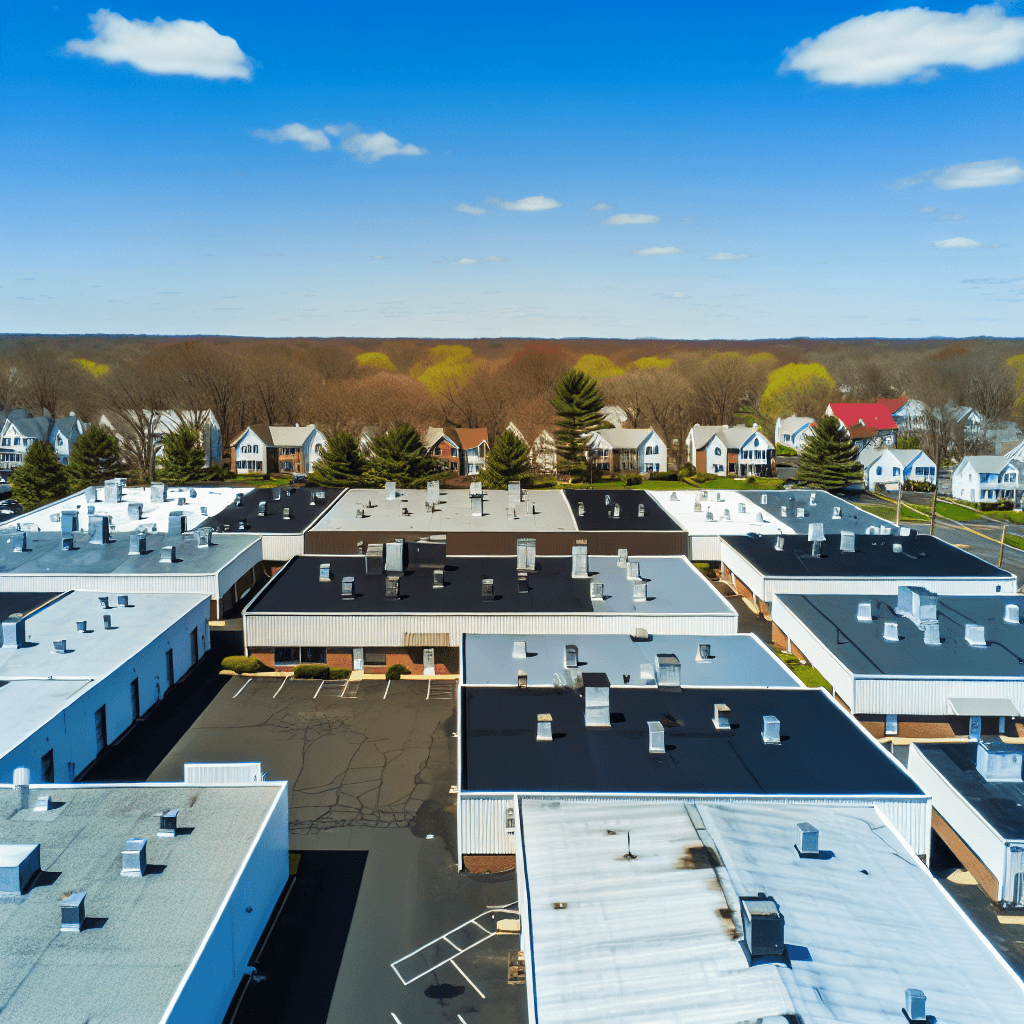
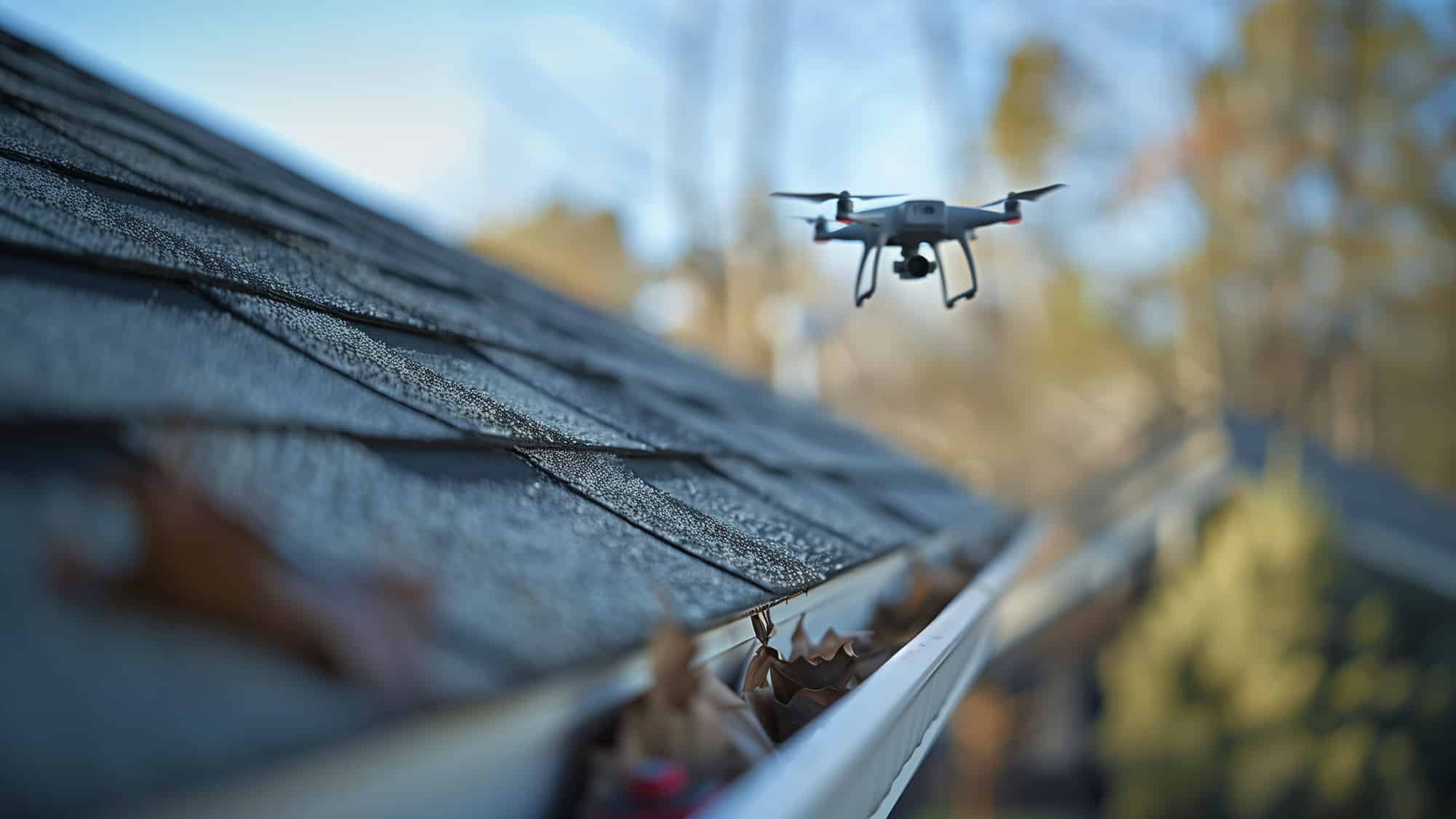
In recent years, insurance companies have increasingly relied on satellite imagery and aerial drone inspections to monitor the properties they insure. Many homeowners are genuinely surprised to receive a non-renewal notice based on a remote inspection they never knew was happening. This is not just a rare or isolated issue.
In New England, insurance regulators have increasingly stepped in to address how carriers use aerial imagery, drone footage, and satellite photos in homeowners' underwriting and non-renewal decisions. Since 2024, Connecticut, Maine, New Hampshire, Massachusetts, and Rhode Island have all issued bulletins, notices, or consumer advisories on the use of aerial imagery for roof-related underwriting.
That alone is a strong sign that this practice has become much more common across the region.

What Happens If I Ignore the Non-Renewal Notice?
Ignoring the notice is the most expensive mistake you can make.
If you have a mortgage, your lender requires you to carry active homeowners' insurance at all times. If your policy lapses and you have not secured new coverage, your mortgage lender will step in and purchase a policy on your behalf. This is called force-placed insurance, and it is a financial gut punch.
Force-placed insurance is notoriously expensive, often two to three times the cost of a standard policy, and it typically only protects the lender's financial interest, not your personal belongings or your liability. You will be billed for this expensive, potentially inferior policy through your mortgage escrow account, and you will have no say in the terms.
Beyond the insurance problem, an unaddressed failing roof also leaves your home physically vulnerable. One significant storm could result in water intrusion, structural damage, and mold, all of which become your problem to solve out of pocket if you are uninsured or underinsured.
What Are Your Options When Your Insurance Is Canceled?
When the clock is ticking, you generally have three paths forward. Understanding each one will help you choose the right move for your situation.
Get a Professional Roof Inspection (The Informed Starting Point)
Before you dispute the notice, shop for a new carrier, or start getting replacement quotes, consider doing one thing first: having a licensed roofing contractor inspect your roof and provide a written assessment.
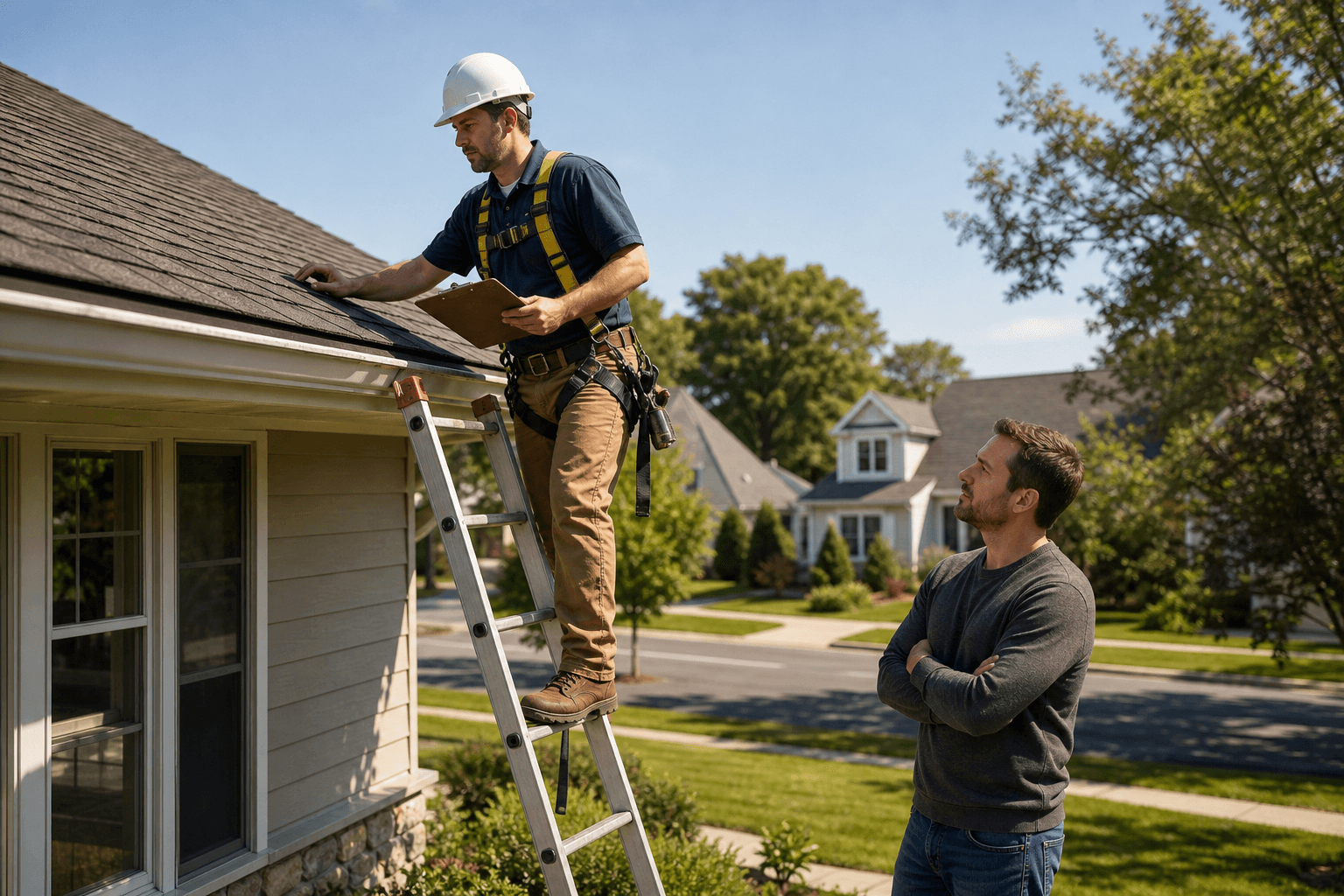
Insurance companies rely on aerial imagery, satellite data, and brief drive-by inspections to make their determinations. Those tools are not always accurate. A trained roofing professional can get on the roof, evaluate the actual condition of the shingles, identify what is and is not a structural concern, and document findings in writing.
That report becomes your leverage.
If the insurer's assessment was based on outdated photos or a misidentified issue, a professional inspection report from a licensed contractor, with dated photos and a written statement of the roof's remaining useful life, gives you something concrete to push back with. Some homeowners have successfully used this documentation to dispute a non-renewal without spending a dollar on repairs.
Even if the inspection confirms the roof does need work, you are now making decisions based on real information instead of reacting to a notice. You will know whether cleaning, repair, or replacement is actually warranted, and you will have documentation to share with any new carrier you approach.
Dispute the Notice (If They Got It Wrong)
Insurance companies make mistakes. If your roof was replaced recently and the insurance company is operating on outdated information, perhaps from an old inspection or inaccurate satellite imagery, you have the right to dispute the non-renewal. You will need to provide supporting documentation, such as the original roofing contract, a dated receipt of payment, a manufacturer's warranty, or a recent inspection report from a licensed roofing contractor confirming the roof's remaining useful life.
If the roof is newer than the insurer believes, this is absolutely worth pursuing before spending a dollar on anything else.
Shop for a New Policy (The Short-Term Fix)
You can try to find a different insurance carrier willing to accept the risk. However, be prepared for complications. A new carrier will likely require its own inspection, and if your roof is genuinely failing, they will identify the same problems your previous company did.
Some carriers may offer you a policy that provides "Actual Cash Value" coverage on the roof rather than "Replacement Cost Value," or they may exclude wind and hail damage entirely. While this technically keeps you insured and satisfies your mortgage lender, it leaves you financially exposed if a storm damages the roof. It is a short-term bridge, not a long-term solution.
Treat the Roof for Growth (The Specialized Fix)
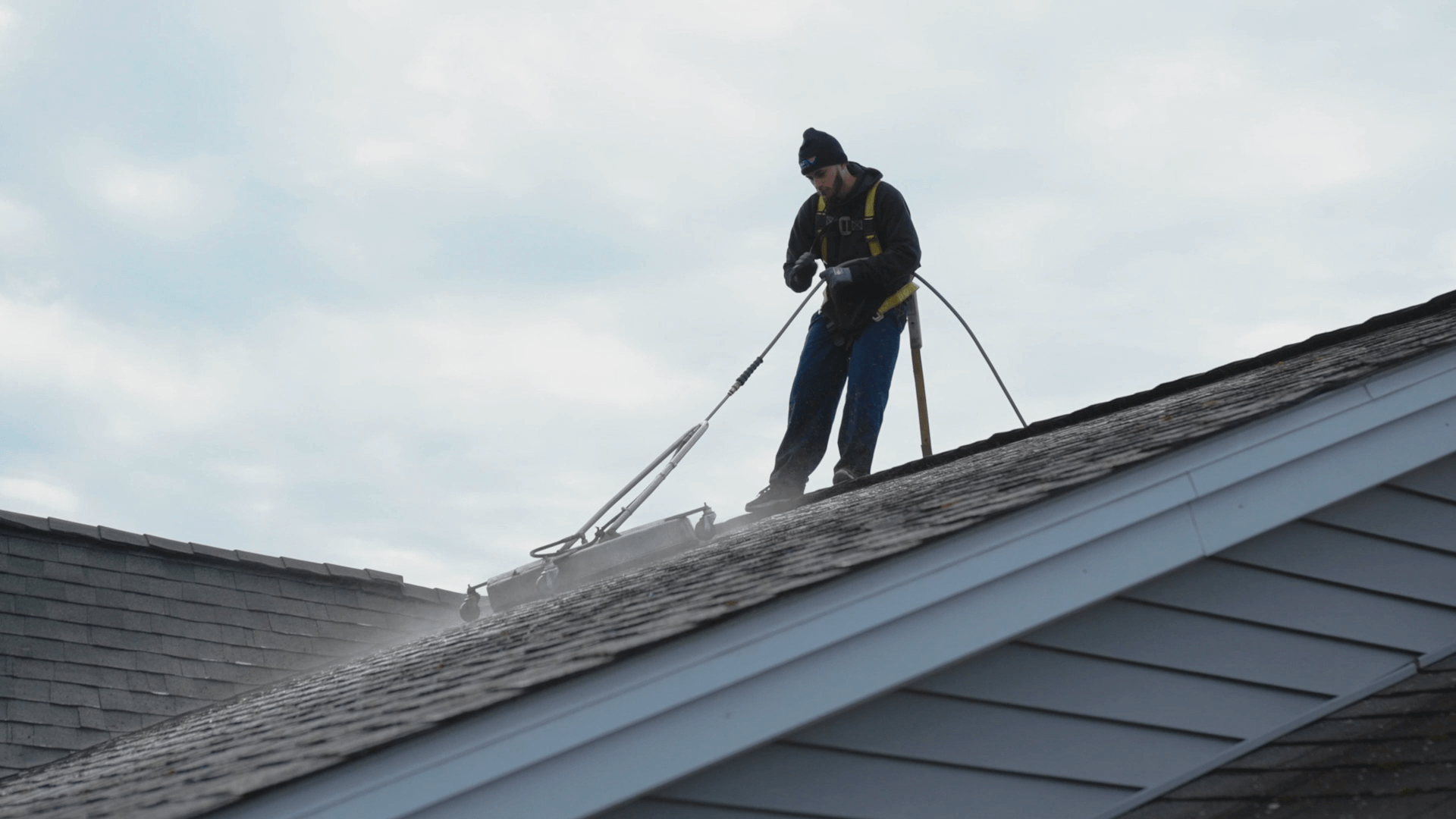
If your insurance company flagged your roof specifically for algae or moss growth and the underlying shingles are still structurally sound, you may not need a full replacement.
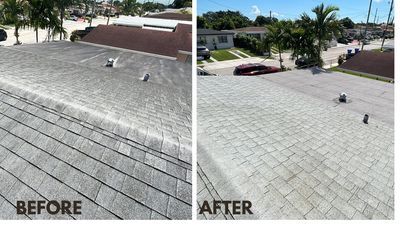
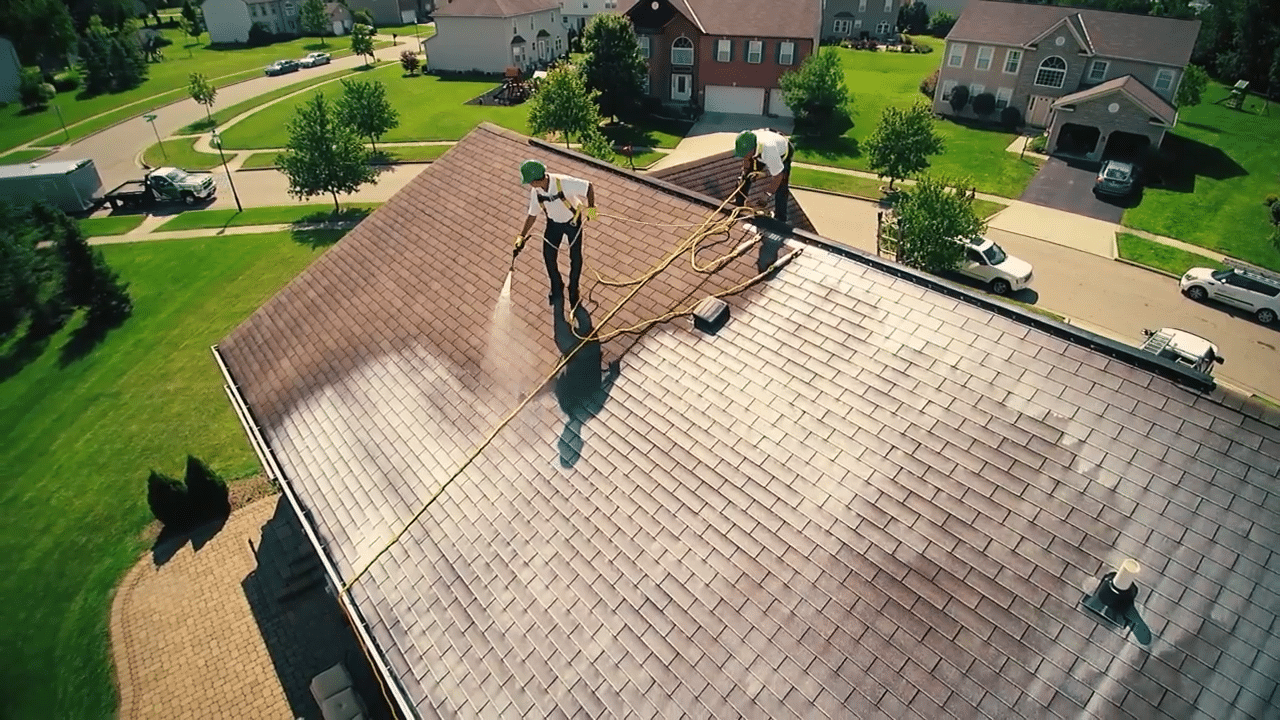
At Adam Quenneville Roofing and Siding, we offer a specialized treatment called Roof Shampoo®. This eco-friendly, gentle washing system effectively removes dark algae streaks and kills moss at the root without damaging the asphalt shingles. If your roof qualifies, we can clean it and provide the after-photos and documentation needed to show your insurance underwriter that the issue has been resolved.
This is not a theoretical option. We have done it and it has worked.
Real Life Example
A homeowner in Somers, Connecticut received a certified letter from their insurance company stating that their policy would not be renewed due to the condition of their roof. The letter specifically cited moss and algae staining as evidence of neglected maintenance and accelerated deterioration.
When they called us, we reviewed the letter and went out to assess the roof firsthand. The shingles themselves were still structurally sound, no significant lifting, no sagging, no granule loss beyond normal wear. The problem was biological growth that had accumulated over time, not a roof that had failed.
Our recommendation: Roof Shampoo® to remove the moss and algae, combined with a RoofMaxx treatment to restore flexibility and extend the remaining life of the shingles.
After the work was completed, we provided the homeowner with before-and-after photos and written documentation of the treatments performed. They submitted that package directly to their insurance company.
Their policy was reinstated. No replacement required.
Repair or Replace the Roof (The Permanent Fix)
If the roof is genuinely at or near the end of its service life, replacing it is the only permanent solution. While it requires a meaningful upfront investment, a new roof will satisfy your current insurance company and potentially allow them to reinstate your policy, keep your mortgage lender compliant, and fully protect your home against weather damage. In many cases, a new roof can also lower your annual insurance premiums going forward.

How Much Time Do You Have to Remedy a Non-Renewal Notice?
A non-renewal notice is not an immediate cancellation. It means your insurance company will not renew your policy when your current term expires. If your renewal date is 30 days away, you have 30 days to act. If it is six months away, you have more breathing room, but that time moves faster than you expect once you factor in contractor scheduling, material lead times, and the time needed to document the completed work for your insurer.
The key is to start the process immediately, regardless of how far out your renewal date is. Getting a professional inspection, obtaining quotes, and understanding your timeline should happen in the first week after receiving the notice, not the last.
Will Replacing My Roof Guarantee New Coverage?
In almost all cases, yes. A newly installed roof with proper documentation is one of the strongest signals you can give an insurance company that your home is a sound risk to insure.
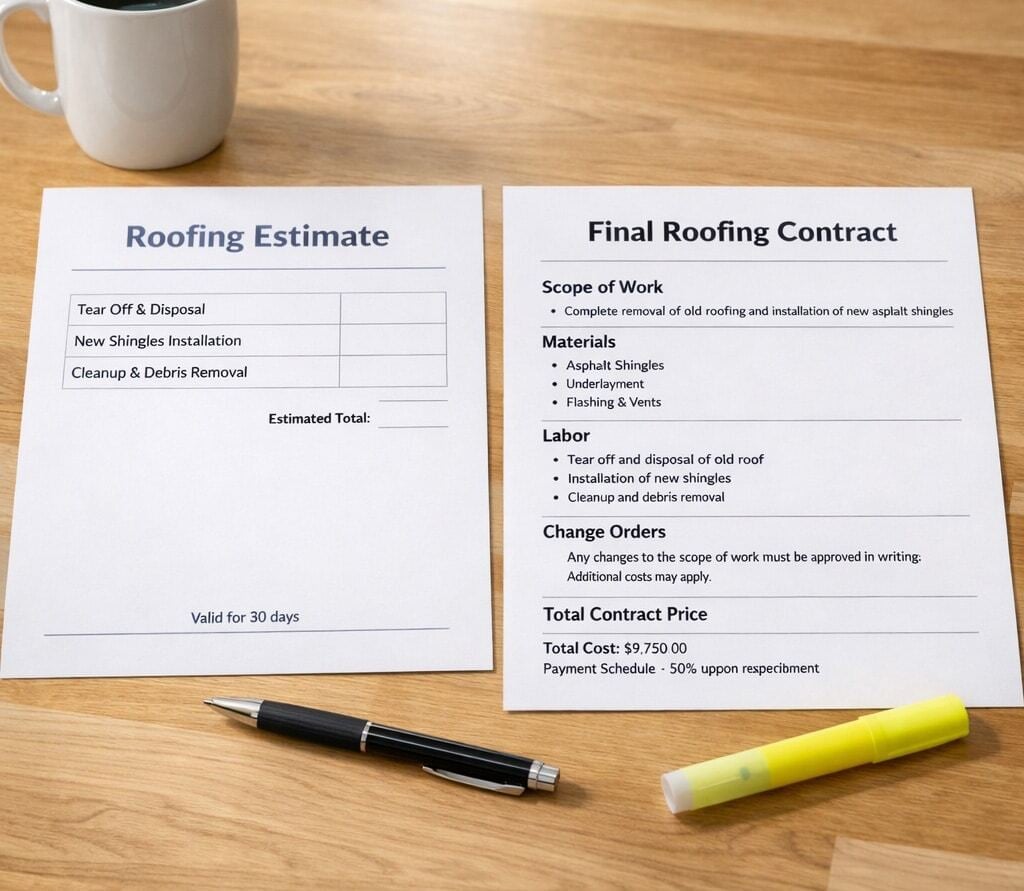
Once the installation is complete, your roofing contractor will provide you with the documentation you need, including the installation contract, manufacturer's warranty, and often a certificate of completion, to present to your insurance agent. Most carriers will reinstate or offer a new policy promptly upon receiving this documentation.
How to Move Forward Without Losing Coverage
A non-renewal notice is stressful, but it is a problem with a clear solution. The worst outcome is not the roof replacement; it is the force-placed insurance, the coverage gap, or the storm damage that arrives before you act.
The first and most important step is getting an honest, professional assessment of your roof's actual condition. That inspection gives you two things: the documentation you need to dispute the notice if the insurer has it wrong, and the accurate information you need to plan for a replacement if they have it right.
At Adam Quenneville Roofing and Siding, we have worked with homeowners in exactly this situation. If you have received a non-renewal notice and need to understand your options, reach out to schedule a roof inspection. We will give you a straight answer about what your roof needs and if replacement is the path forward, we will help you get there efficiently and with the documentation your insurance company requires.
Topics: