Who handles my solar panels when I replace my roof?
November 3rd, 2026
5 min read
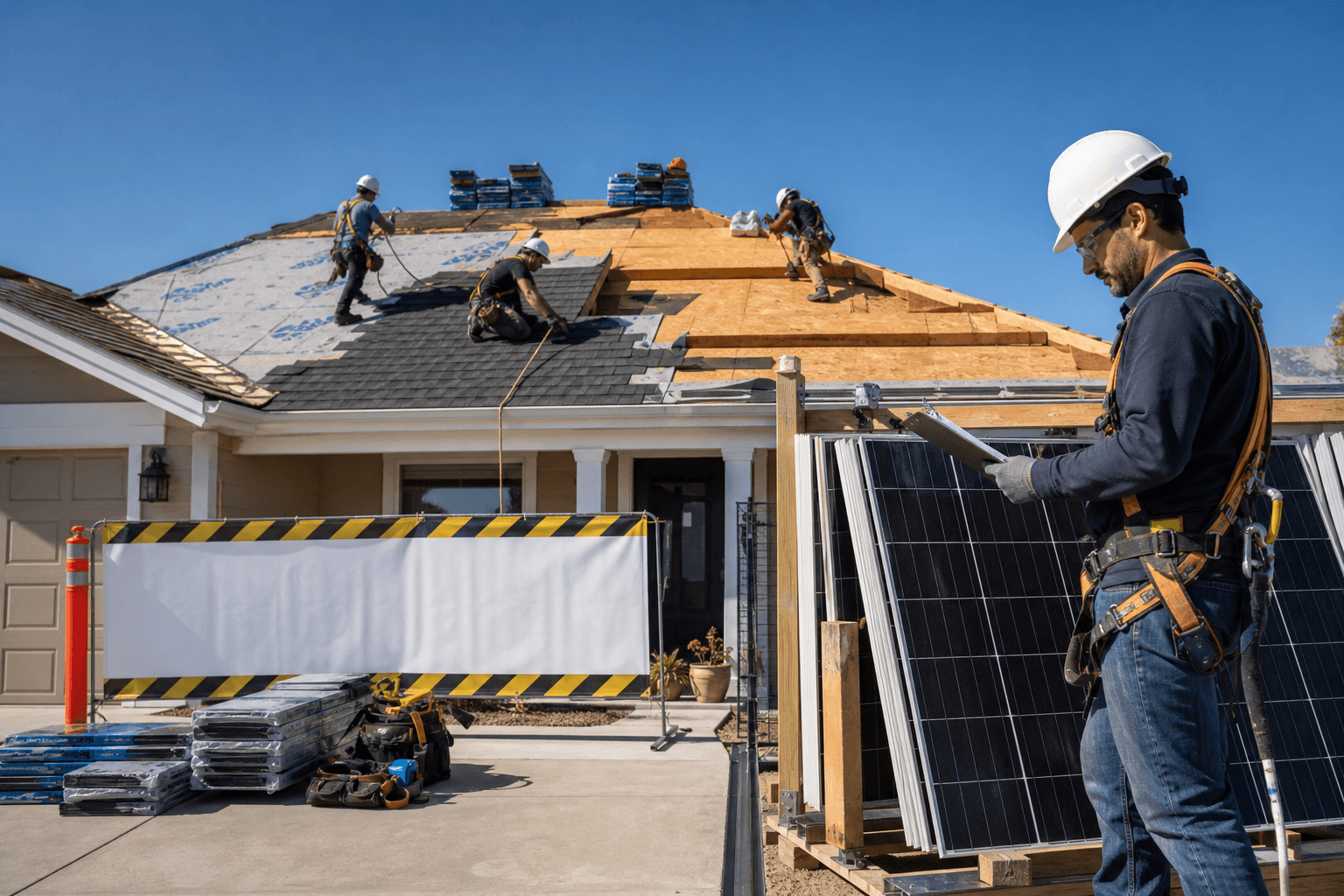
Your roof needs replacing, but there is a solar array sitting on top of it. Now you have another set of questions: Who takes it down? Who puts it back? And who is responsible if something gets damaged?
At Adam Quenneville Roofing & Siding, our residential roofing services include roof repairs and full replacements. Getting the roofing scope right is one part of this project. Your solar provider and contract determine another. Here is how to sort out responsibilities, plan the handoff, and compare quotes before work begins.
A qualified solar company should handle removing and reinstalling your panels, while your roofing contractor handles the roof. Some companies may coordinate both services, but don’t assume panel removal and reinstallation are included in your roofing estimate. Ask each company what its quote covers before scheduling the work.
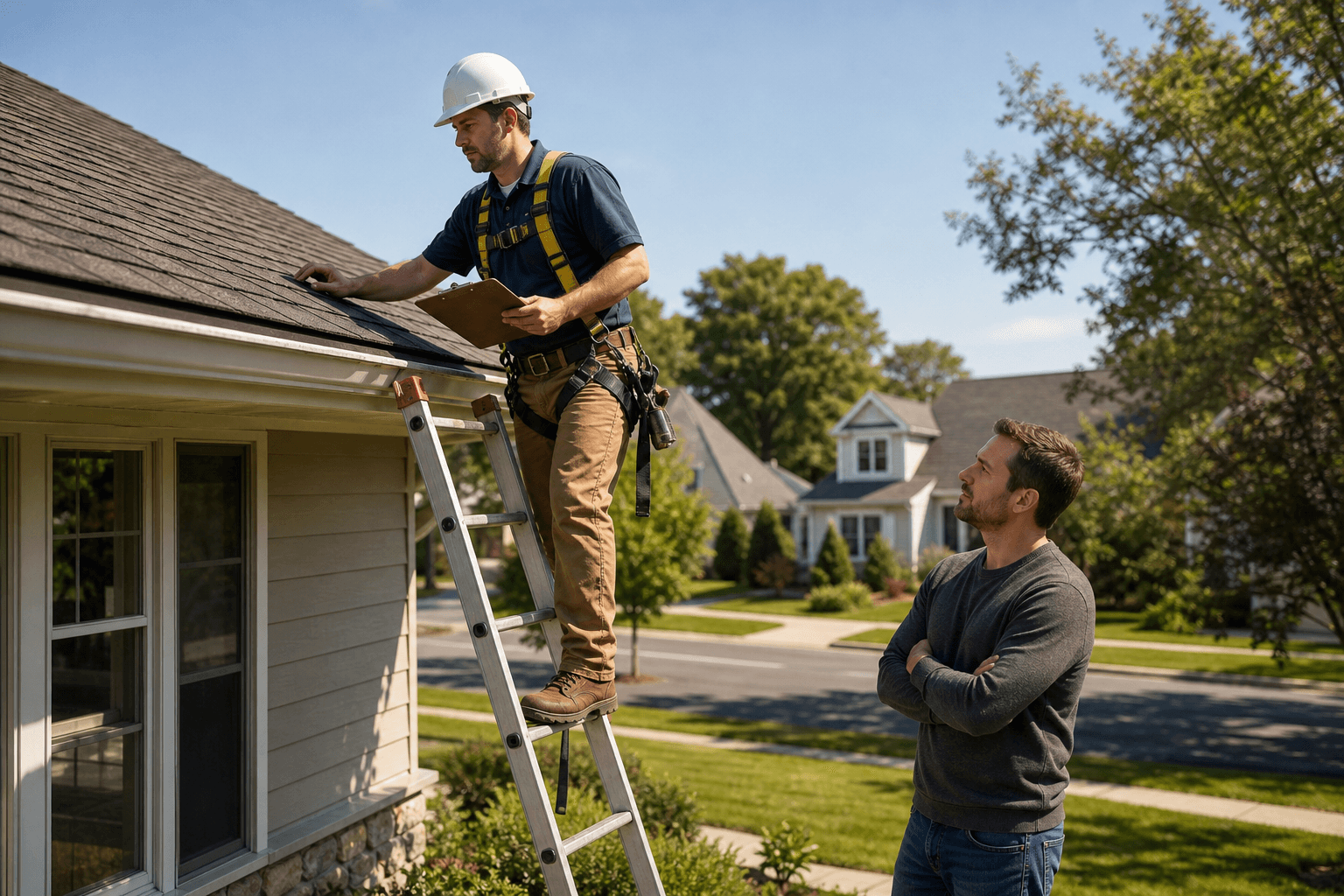
At Adam Quenneville Roofing & Siding, we handle the roofing work, but we do not have a dedicated solar team. If you have solar panels, we ask you to contact your solar company to arrange their removal and reinstallation. Before scheduling either part of the project, confirm who will handle each step so the solar work and roof replacement can be planned together.
This guide covers panels mounted above a roof, not solar shingles or tiles.
Start with whoever owns and services your solar system
Before you schedule roofing, find your solar agreement, installation paperwork, warranties, and equipment details. If you bought the house with panels already installed, confirm the ownership arrangement rather than assuming the panels came free and clear.
Real life example: A homeowner collected three roofing estimates and picked the lowest. Weeks later, they found out none of the estimates included panel removal, and their solar company had a separate appointment process, and a separate bill, for taking the panels off and putting them back.
Nothing was wrong with the roofing quotes. The gap was in the plan. No one had been asked, “Who handles the panels, and when?”
This is why we suggest sorting out the solar side before you compare roofing numbers.
If you own the panels
Contact the original installer or current service provider first. Ask whether it performs removal and reinstallation, what it charges, and whether using another contractor affects your coverage.
If that company is unavailable, look for a qualified solar contractor familiar with your specific equipment. The Department of Energy recommends identifying the panel and inverter manufacturers and contacting certified local installers when an original installer has closed. DOE guidance for homes with existing solar.
If you have a lease or power purchase agreement
Contact the company named in your agreement before authorizing anyone to move the system. Under these arrangements, another company generally owns the equipment. Your contract should guide who can perform the work, any required approval, and who pays. DOE’s homeowner solar guide.
Ask specifically about reroofing. Maintenance coverage does not necessarily mean roof-related removal is free. For example, Sunrun’s current FAQ describes customer-paid removal and reinstallation when an existing customer needs a new roof. Sunrun’s roof-replacement guidance.
Who does what during the project?
Treat the job as a sequence with named people responsible for each handoff. The following is a planning checklist, not a description of any particular contractor’s service package.
1. Agree on the scope and schedule
Ask the roofer and solar provider to review the roofing area, proposed materials, mounting locations, and any planned changes together. Confirm that the replacement roof is compatible with the solar mounting system before ordering materials.
Get both removal and reinstallation arrangements in writing. Do not assume a removal appointment also reserves a return visit. Tesla, for example, treats these as separate service requests. Its requirements are provider-specific, so check your own provider’s process. Tesla’s removal and reinstallation guidance.
Ask who will check whether permits, inspections, or utility coordination apply to your particular scope. Requirements and scheduling need to be verified locally, not guessed from another homeowner’s project.
Once your solar company schedules the panel removal, let our team know the date. We’ll coordinate your roof replacement to take place right afterward. You’ll arrange the solar work directly with your solar company, while we coordinate the timing of the roofing work.
2. Disconnect, remove, and protect the equipment
The solar team should manage the electrical work and equipment handling. Panel removal is not a homeowner DIY task. Solar equipment presents electrical hazards, and module manufacturers assign electrical work to qualified personnel.
Before removal day, agree on where equipment will be stored, who transports it, and who is responsible for damage or theft. Ask for an equipment inventory and condition photos. Do not assume the solar company provides off-site storage.
3. Replace the roof and document the handoff
With the affected equipment removed, the roofer can perform the agreed roofing work. Ask how newly discovered decking damage will be documented and priced before additional work proceeds.
Before the solar team returns, request confirmation that the roofing scope is complete and ready for reinstallation. Both contractors should understand who handles mounting attachments and the weatherproofing around them. GAF’s solar guidance emphasizes following the mounting manufacturer’s instructions and protecting the roof’s ability to shed water. GAF’s rooftop solar technical bulletin.
4. Reinstall and verify operation
Ask the solar contractor to identify any hardware that needs replacement rather than reuse, reconnect the system, and complete the applicable safety and functional checks. Manufacturer instructions can include single-use components and testing requirements.
Request a closeout record, confirmation that monitoring is reporting, and a contact for production concerns. Panels back on the roof should not be your only evidence that the solar work is finished.
Keep roofing and solar warranties separate
Ask for written answers about three different protections: roofing materials, roofing workmanship, and solar equipment and installation. Do not accept “everything stays covered” without the relevant terms.
Solar panels do not automatically cancel every roof warranty. GAF, for example, says panels do not affect its limited warranty coverage, but owners are responsible for panel-removal expenses when access to affected shingles is needed. That is a manufacturer-specific example, not a promise about your roof. GAF warranty guidance.
Likewise, changing solar contractors may have consequences. Tesla warns that it does not cover a third party’s workmanship and that existing system warranty coverage may be affected. Check your own agreement before choosing based on price alone. Tesla’s third-party contractor guidance.
Our workmanship warranty covers the roofing work performed by Adam Quenneville Roofing & Siding, subject to its terms. Damage or leaks caused by solar panel removal or installation generally fall under the solar company’s responsibility rather than our workmanship coverage. Before work begins, ask your solar company to confirm in writing what its warranty covers, including any damage to your roof.
What should the quotes include?
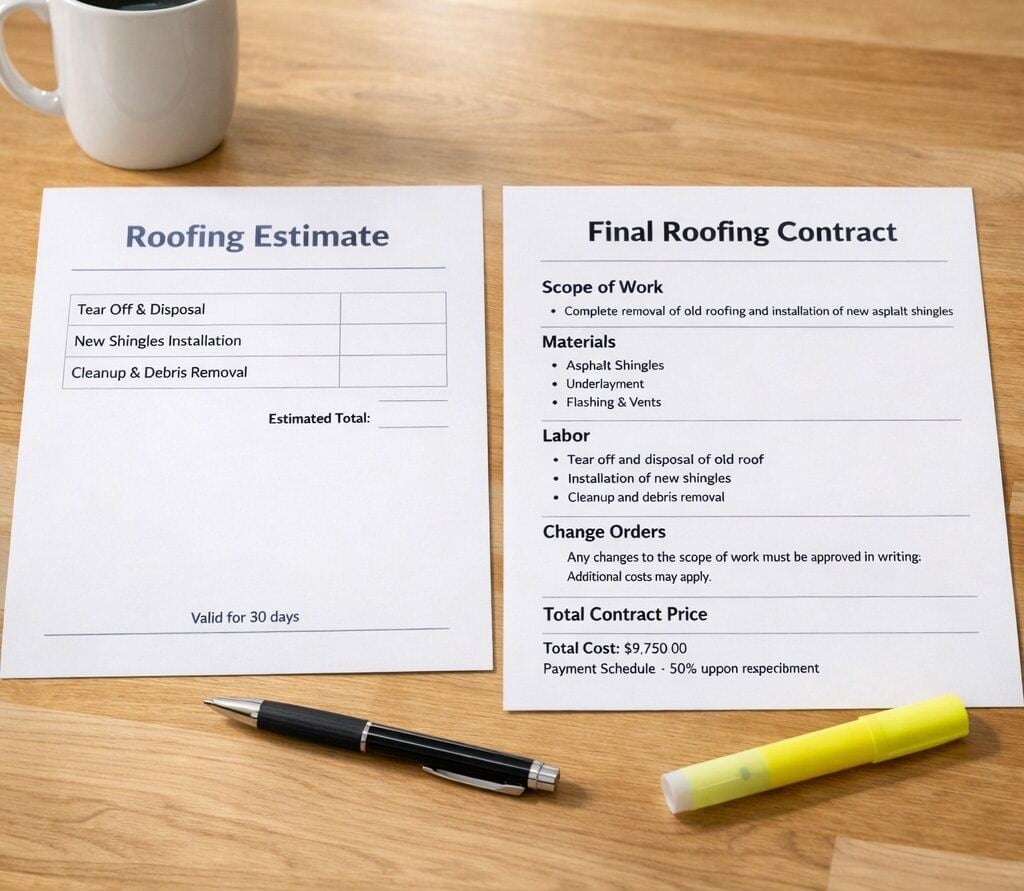
When comparing estimates and final contracts, ask for itemized answers to these questions:
- Scope: Which panels, mounts, wiring, and accessories are being removed and reinstalled?
- People: Who performs each part, and who is your scheduling contact?
- Storage: Where does equipment go, and who carries responsibility while it is off the roof?
- Extras: Are replacement hardware, transport, applicable permit fees, and testing included?
- Timing: What triggers reinstallation, and what happens if weather or roofing repairs cause delays?
- Downtime: What solar payments continue while the system is offline, and how should you plan for lost production?
- Closeout: What written warranties, photos, inspection records, and operating confirmation will you receive?
Separate contractors may give you more choice, but you need a clear coordination plan. A single coordinating company may simplify communication; still ask who actually performs and warrants each task.
Plan both jobs before either crew arrives
You can replace a roof beneath solar panels, but the solar work needs its own scope, schedule, and responsible contractor. Start with your ownership documents, confirm the provider’s requirements, and get the roofing-to-solar handoff in writing.
For the roofing side, request a free estimate from Adam Quenneville Roofing & Siding. Tell us you have solar panels and bring your provider’s requirements so you can discuss the roof work with those constraints in view.
James has been in the business for 25 years. He enjoys playing pool and drawing. He’s quite the artist. Also loves hanging out with his daughters.
Topics: