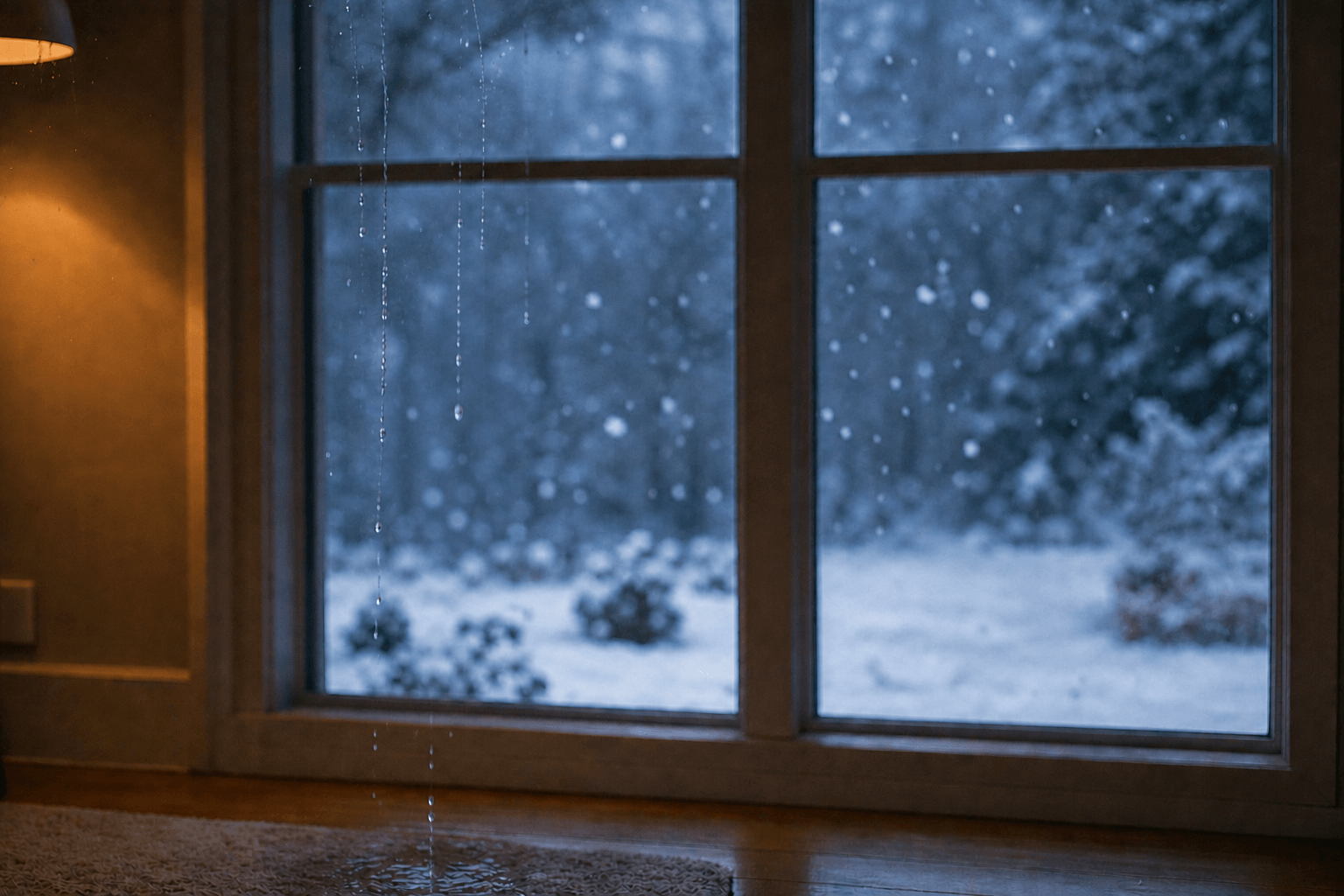
You expect rainwater to flow into your gutters. When it runs behind them instead, it’s hard to know whether you’re dealing with a small repair or a bigger problem. Is water damaging your home? Should you call a roofer or a gutter company? And how do you know what actually needs fixing?
If your roof or gutters were recently replaced, it’s even more frustrating. You just paid to improve your home, and now you’re wondering why something isn’t working as expected.
At Adam Quenneville Roofing & Siding, our team brings more than 30 years of roofing experience to repairs and replacements. But we’re not starting with the assumption that you need a new roof. You deserve to understand what is happening before deciding what work to approve.
In this article, we’ll explain what can cause water to run behind your gutters, what you can safely look for, and what to ask when someone recommends a repair. By the end, you’ll be better prepared to describe the problem, understand the proposed fix, and ask for clarification before paying for work that hasn’t been justified.
Is the water running behind the gutter or overflowing somewhere else?
Start by identifying where the water appears. “My gutter is leaking” can describe several different problems.
From a safe spot on the ground, look for the difference:
|
What you notice |
What to tell the contractor |
|
Water dripping between the gutter and the house |
“The water appears to be coming down behind the gutter.” |
|
Water spilling over the outside lip |
“The gutter is overflowing over the front.” |
|
A drip concentrated at a corner or connection |
“The water is coming from this joint or corner.” |
|
Water running down a wall where a roof meets it |
“The water appears near the roof-to-wall connection.” |
These observations help focus an inspection. They are not a diagnosis. A short video that shows the roof edge, gutter, and falling water is more useful than a close-up of the puddle below.
Also note whether it happens in light rain, a downpour, or snowmelt and whether it affects one small spot or a long section.
Stay on the ground. Don’t climb onto a wet roof, use a ladder during rain, or lean out a window for a better view. If water is entering your home, report it promptly rather than waiting to capture the perfect video.
What can cause water to run behind gutters?
The useful distinction is whether water is missing the gutter, backing up inside it, or leaking from a particular connection. Each calls for a different investigation.
The roof edge isn’t directing water into the gutter
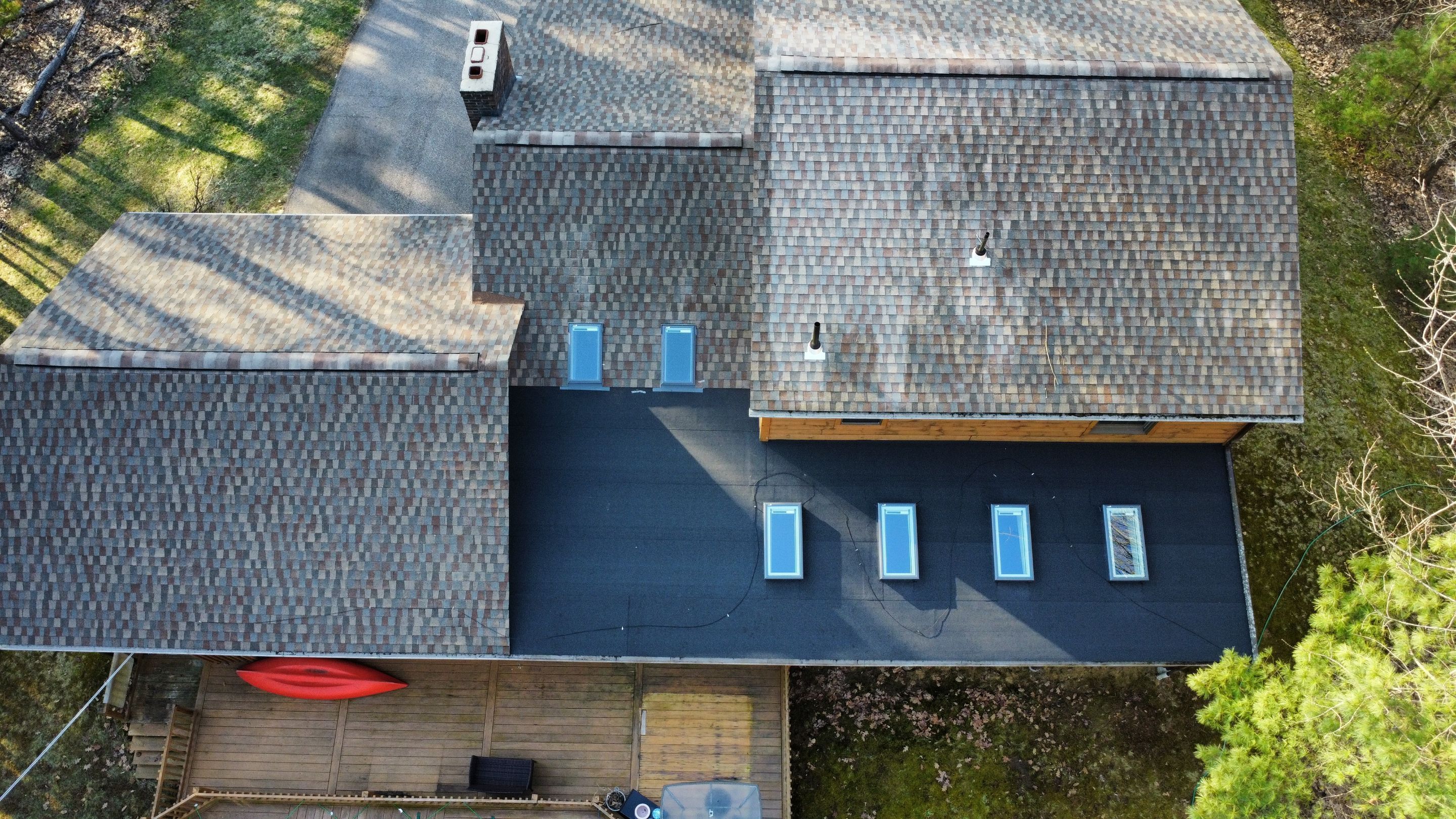
On a shingle roof, shingles shed water toward the roof edge. Metal flashing called drip edge helps direct that water away from vulnerable roof-edge materials. The fascia is the vertical board along the roof edge, commonly behind the gutter.
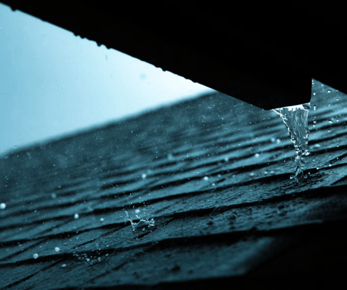 Those components need to work together. Where a gutter is installed, the roof-edge arrangement should deliver runoff into it, not behind it. The Department of Energy’s Building America guidance specifically identifies flashing that extends into, rather than behind, the gutter as an important detail.
This is why “I can see metal along the roof” doesn’t settle the question. A contractor needs to check how the shingles, flashing, and gutter meet.
The explanation you’re looking for is straightforward: Where is the water leaving the intended path, and what needs to change to put it back?
The gutter or downspout isn’t draining properly
Water also needs a clear route after it enters the gutter. Gutters collect runoff and direct it toward downspouts, which carry it down and away from the house. Gutter slope and unobstructed drainage matter. Building America Solution Center
A blockage can cause water to back up. GAF notes that clogged gutters can redirect water beneath shingles, so the inspection shouldn’t stop at the visible drip. GAF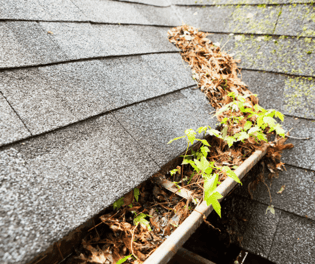
Cleaning may address an obstruction. But cleaning and correcting a roof-edge connection are not interchangeable repairs. If runoff is bypassing the gutter before it enters, removing debris alone doesn’t explain how that connection will be corrected.
The drip is coming from a joint or nearby connection
A drip at a gutter corner or joint should prompt a check of that specific connection. Water near a roof-to-wall intersection needs attention to that location, too.
The important point is not to assume that a wet fascia board identifies the exact source. Ask the contractor to show where the water is getting through, rather than choosing a repair based only on where it becomes visible.
Snow or ice is affecting the water path
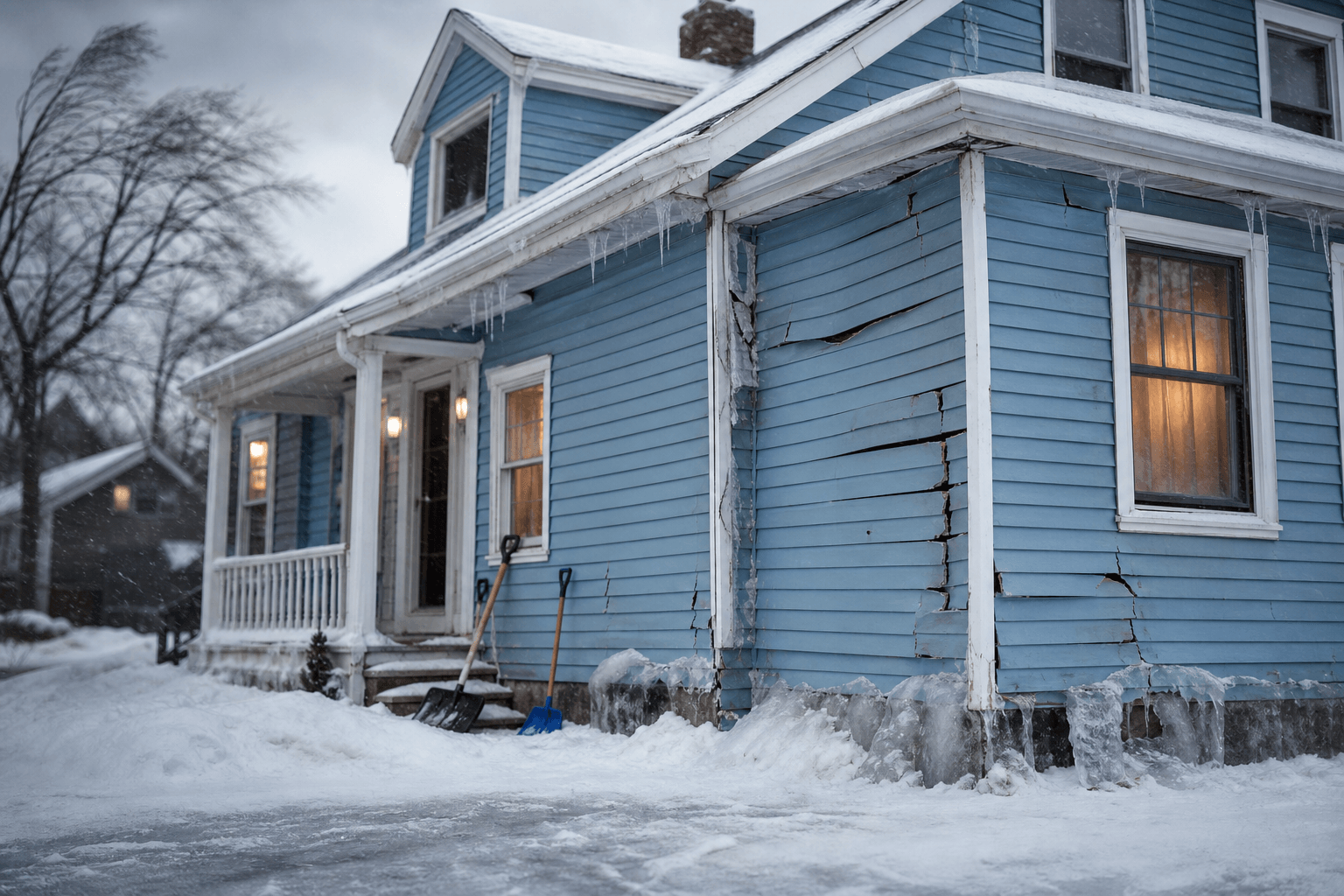
A problem that appears during snowmelt may need a different explanation than one that occurs during summer rain. Ice dams can force water beneath roofing materials during freezing and thawing conditions.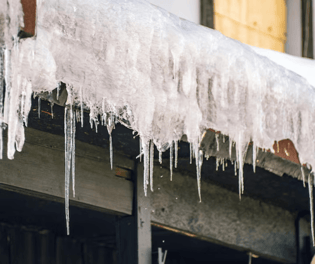
Tell the contractor when the problem happens. That detail helps prevent a winter drainage issue from being treated as an ordinary leaking joint.
Can water behind gutters damage my house?
Yes, it can. Water reaching vulnerable roof-edge materials can contribute to deterioration and rot. If moisture enters the roof or walls, some damage may be concealed rather than immediately visible from outside.
That does not mean one drip proves your fascia is rotten or your roof is failing. It means recurring water behind the gutter deserves an explanation.
Arrange an assessment when the problem keeps happening, and tell the contractor about any visible changes around the affected area. If water is also entering the house, make that clear when you call. Don’t wait for another storm just to gather more evidence.
The goal is to address the cause not assume the worst, and not dismiss the water simply because it is outside.
Will caulking behind the gutter fix it?
Not necessarily. Sealant may belong in a particular repair, but “we’ll caulk it” is not a complete explanation.
A leaking joint and a roof-edge connection that sends runoff behind the gutter are different problems. Before approving sealant work, ask what is being sealed and how that addresses the water you’re seeing.
One useful question is:
“What did you find, and how will this repair keep the water on the correct drainage path?”
Also clarify whether the proposed work is a temporary measure or the intended repair.
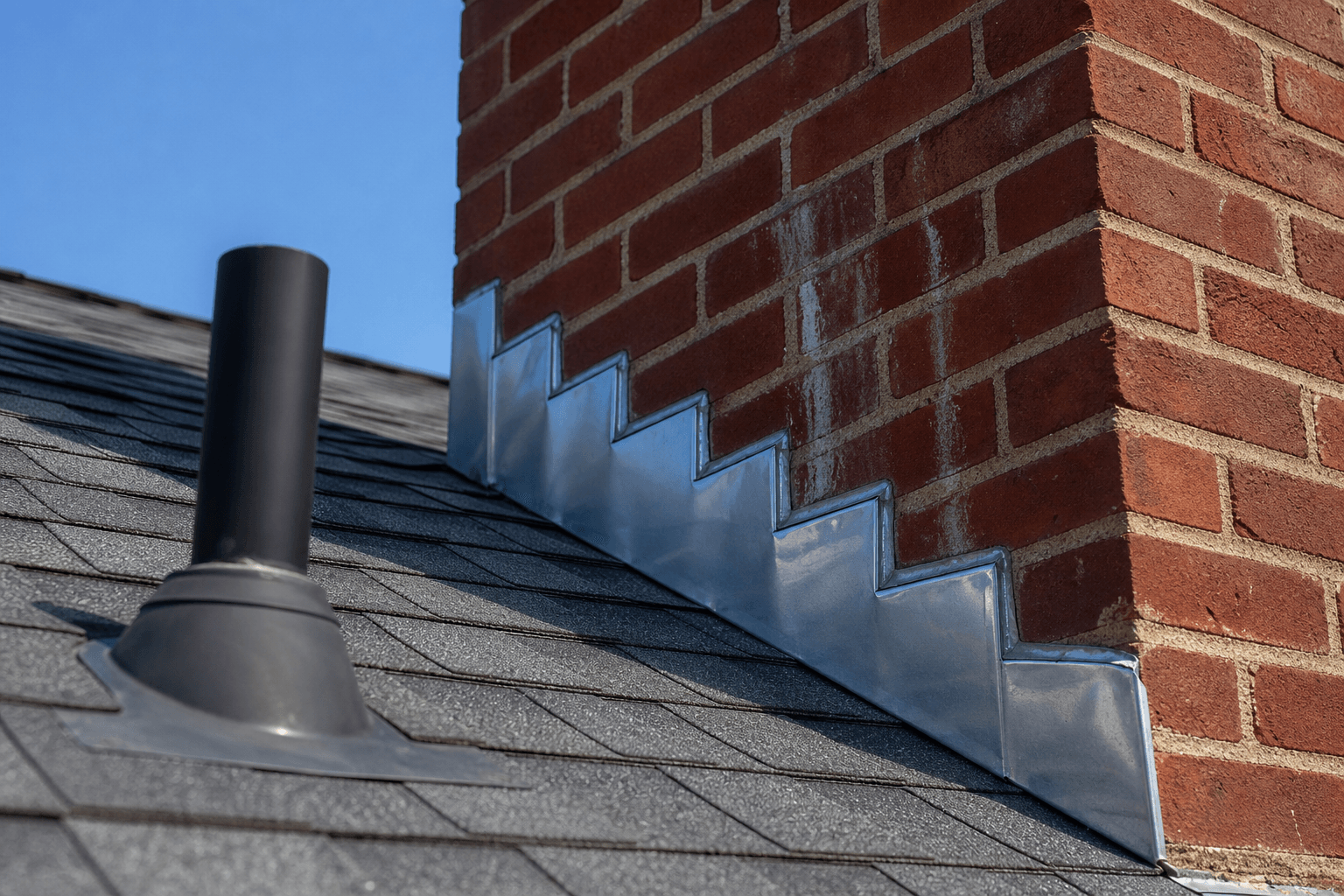
The same applies to a recommendation to “add flashing.” Ask where it will go, how it will connect with the existing materials, and whether shingles or gutters must be moved to install it properly. A part name alone doesn’t explain the work.
Don’t lift shingles, bend flashing, or apply a patch yourself to test a theory. Leave that evaluation to the person responsible for the repair.
Does water behind gutters mean I need new gutters or a new roof?
No, not based on that symptom alone. Your original problem may call for a targeted correction rather than full replacement. The inspection findings should determine the scope.
Before agreeing to replacement, ask the contractor to connect the recommendation to what they found.
For a gutter replacement recommendation, ask what is wrong with the existing gutter and why a smaller correction would not resolve it.
For a roof replacement recommendation, ask what findings beyond the visible drip support replacing the roof rather than repairing the affected area.
A larger project may be justified. But you should be able to understand why that amount of work is necessary.
“It’s leaking” describes the symptom. It doesn’t, by itself, explain the solution.
Who should I call if my roof or gutters were just replaced?
Start with the contractor who managed the work. Describe what you’re seeing in writing, including the location, when it first appeared, and any photos or video you safely captured.
You don’t need to know which component is responsible before reporting the problem.
A message could be as simple as:
“During the first rain after the installation, I noticed water dripping between the gutter and the house above the garage. I took a video at the time it was happening. Who should inspect this area?”
If separate companies handled the roofing and gutters, ask who will inspect the point where the two systems meet. The issue needs to be evaluated across that connection, rather than only within one company’s original scope.
The timing is important information, but it doesn’t establish the cause or responsibility on its own. Start with what you can document.
Before authorizing corrective work, request the findings and proposed remedy in writing. Ask whether any applicable workmanship coverage is involved and whether inspection or repair charges apply. Don’t leave those questions until after the work is completed.
What should an estimate for a gutter or roof-edge repair explain?
A useful estimate should tell you more than “repair gutter leak.” You should understand what was found, what will change, and how the contractor will check the result.
Look for three things:
- The finding. Where is the water going wrong? What did the contractor confirm, and what remains uncertain? Ask for photos that help explain the affected area.
- The work and price. Which materials will be repaired, adjusted, or replaced? Will existing shingles or gutters need to be disturbed? What is included, what is separately priced, and does another trade need to be involved?
- The follow-through. How will the result be checked? Who should you contact if water appears in the same location again?
Those details give you a better basis for comparing recommendations.
For example, a proposal to clear an obstruction is not the same scope as one to correct the roof-edge flashing. Before comparing the totals, make sure the contractors are proposing to address the same confirmed problem.
The repair should make sense before the price does. You should be able to explain, in plain language, what you’re paying to change and why.
Your next step when water runs behind your gutters
Water behind a gutter is a reason to investigate, not a reason to jump straight to replacement.
Start with safe observations. Note the location, weather conditions, and any recent work. Then ask for an assessment that follows the water from the roof edge into the gutter and through the drainage system.
Before approving a repair, make sure the explanation answers three questions: What is wrong? What will change? How will we know it worked?
For more background on the materials involved, read Roof Flashing Explained: What Homeowners Should Know Before Approving a Roof Repair or Replacement. It explains the different types of flashing and their role in protecting your home.
Ready to discuss a roof-repair concern? Contact Adam Quenneville Roofing & Siding and share what you’re seeing. We provide residential roof repair and replacement services; confirm the assessment scope and any applicable charges before scheduling.
You don’t need to arrive with a diagnosis. You need a clear explanation before deciding what work to approve.