
Hail Damage Roof Insurance Claim: Step-by-Step Guide to Filing
June 29th, 2025
4 min read

Finalizing Your Hail Damage Claim
Once your claim is filed, an insurance adjuster will likely schedule a visit to evaluate the hail damage firsthand. This is a critical step where the evidence you've gathered and the thoroughness of your initial inspection can strongly influence the outcome. Be present during the adjuster's inspection to discuss your findings, ensuring nothing goes unnoticed. Clarify any queries they have and understand the next steps—you want to be as prepared and informed as possible to streamline the process.
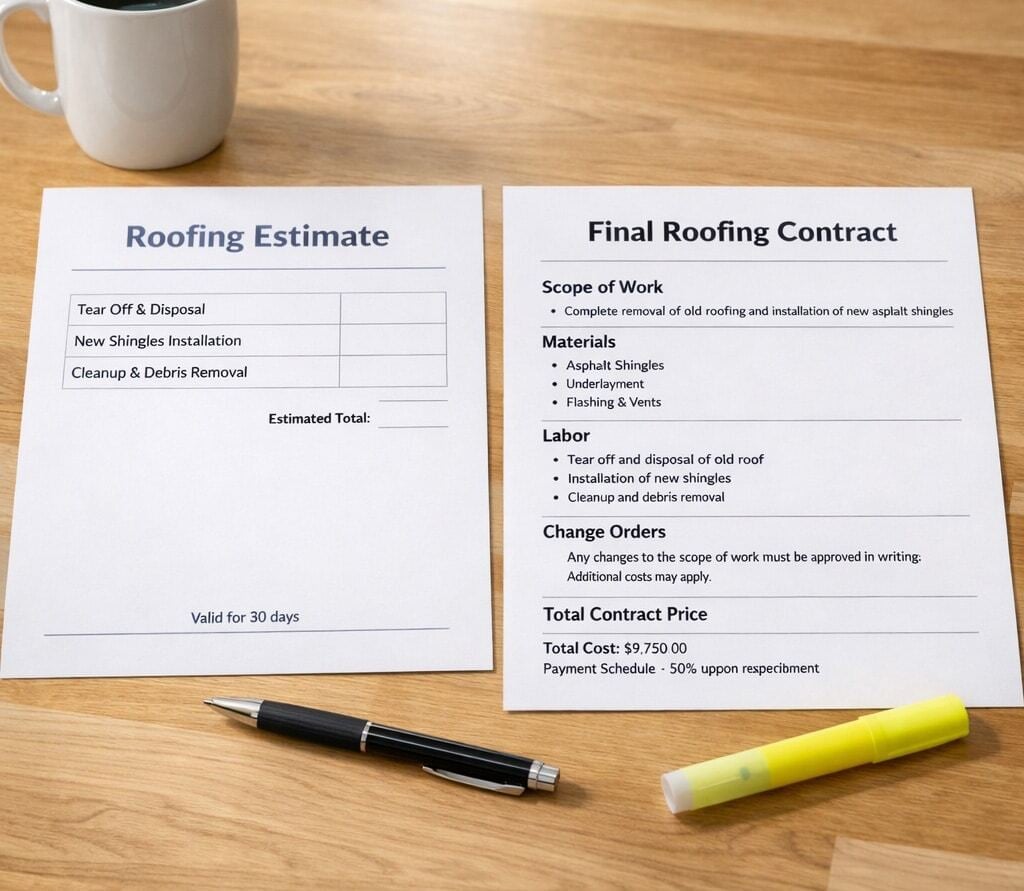
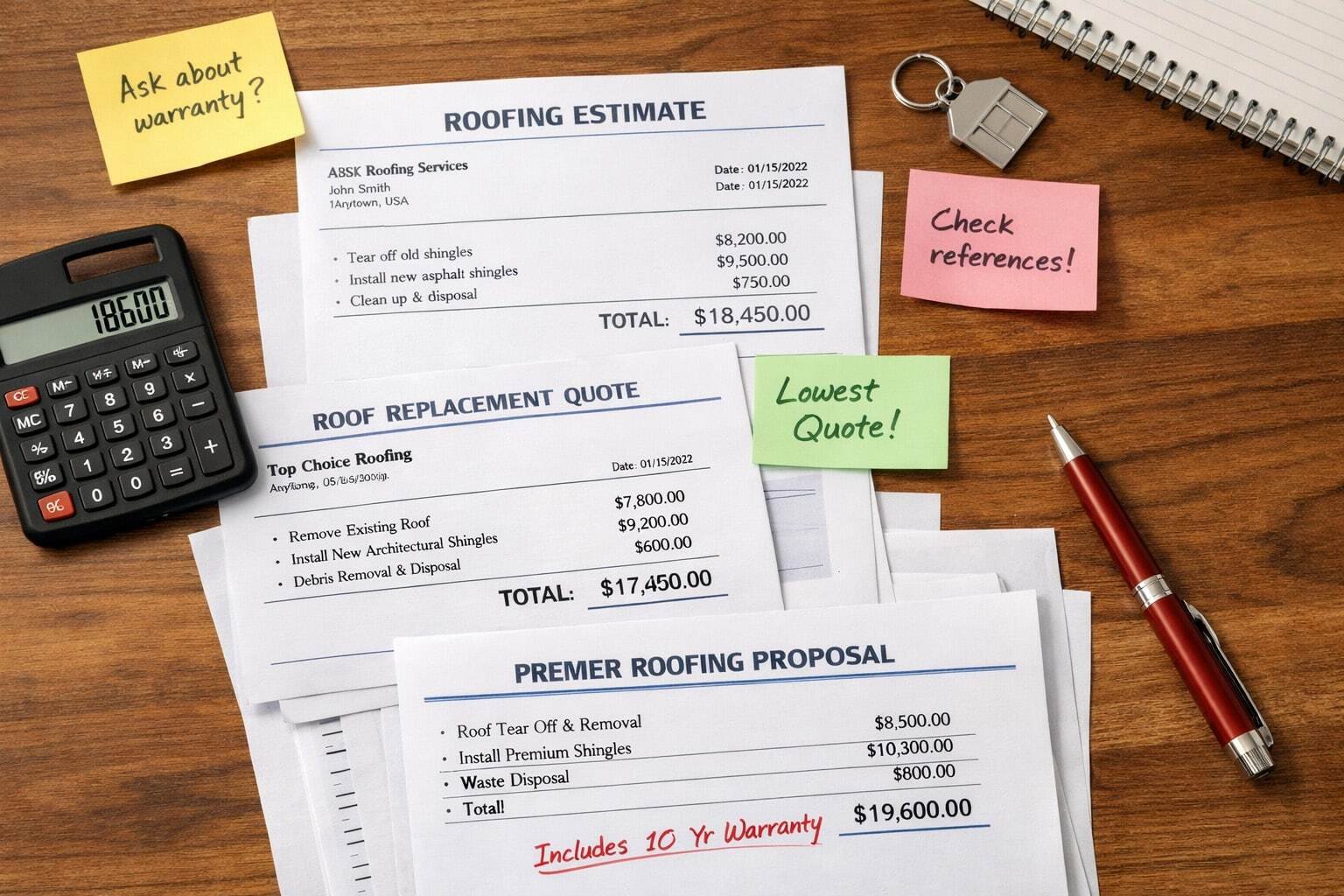
After the insurance adjuster's visit, you will receive an estimate for the repair work required to return your roof to its pre-damage condition. It's prudent to acquire multiple repair or replacement quotes from reputable roofing contractors for a well-rounded view of the projected costs. Scrutinize these estimates and the adjuster's report to negotiate the best possible settlement from your insurance provider. Remember, the goal is not just to repair but to restore your roof's capability to protect your home.
In the aftermath of dealing with a hailstorm and the complexities of filing an insurance claim, it's essential to know that reliable help is just a click away. If you're feeling overwhelmed, the specialists at Adam Quenneville's Roofing & Siding Inc. can assist homeowners through the insurance claim process. Finally, remember that while dealing with hail damage may be distressing, with the right approach and professional guidance, you can navigate this challenge effectively and ensure your home's security and longevity.
Understanding the Aftermath of a Hailstorm
The crack of hail pelting your rooftop can send a shudder through any homeowner's spine. Summer storms in New Hampshire are notorious for their sudden ferocity, leaving a trail of destruction in their wake. Hail, in particular, poses a unique threat to the sanctity of your roof, potentially leading to leaks, insulation damage, and even structural compromise. Understanding the signs of hail damage and the urgency in addressing it is paramount. As the first line of defense against the elements, maintaining your roof's integrity is non-negotiable.
Detecting the impact of hail requires a vigilant eye and prompt action. The aftermath of a storm may leave visible dents and divots on shingles and gutters, which are often just the tip of the iceberg. Beneath these signs lies the risk of deeper, more insidious damage that can exacerbate over time, especially if left unattended. To prevent this, homeowners must be proactive, engaging in thorough inspections immediately following any hail event. Initiating a hail damage roof insurance claim should be done promptly to mitigate further damage and financial loss.
The value of swift action following a hailstorm cannot be underestimated. Delays not only lead to compounding damages but might also impact the success of your insurance claim. Homeowner's insurance policies may have specific stipulations regarding timelines for filing claims post-natural disasters, including hail. Thus begins the crucial journey of filing your hail damage roof insurance claim. In this guide, we'll walk you through each step to ensure that your claim is as ironclad as your desired roof repairs.
Finalizing Your Hail Damage Claim
Once your claim is filed, an insurance adjuster will likely schedule a visit to evaluate the hail damage firsthand. This is a critical step where the evidence you've gathered and the thoroughness of your initial inspection can strongly influence the outcome. Be present during the adjuster's inspection to discuss your findings, ensuring nothing goes unnoticed. Clarify any queries they have and understand the next steps—you want to be as prepared and informed as possible to streamline the process.
After the insurance adjuster's visit, you will receive an estimate for the repair work required to return your roof to its pre-damage condition. It's prudent to acquire multiple repair or replacement quotes from reputable roofing contractors for a well-rounded view of the projected costs. Scrutinize these estimates and the adjuster's report to negotiate the best possible settlement from your insurance provider. Remember, the goal is not just to repair but to restore your roof's capability to protect your home.
In the aftermath of dealing with a hailstorm and the complexities of filing an insurance claim, it's essential to know that reliable help is just a click away. If you're feeling overwhelmed, the specialists at Adam Quenneville's Roofing & Siding Inc. can assist homeowners through the insurance claim process. Finally, remember that while dealing with hail damage may be distressing, with the right approach and professional guidance, you can navigate this challenge effectively and ensure your home's security and longevity.
Insights From The Experts
Tip 1:
After a hailstorm, inspect your roof for common signs such as dents in your shingles or gutters. Early detection of hail damage can prevent more extensive harm to your roof and home's interior.
Tip 2:
Document every instance of damage by taking close-up and wide-angle photos. This visual evidence will be invaluable when presenting your claim to the insurance company.
Tip 3:
Understand your insurance policy's coverage specifics for hail damage before filing a claim. Knowing what is covered and your deductible amount improves your preparedness for any out-of-pocket expenses.
Tip 4:
If you need to file an insurance claim, do so as promptly as possible. There's often a finite window to report damage after the hail event occurs, and delays can impact your claim's validity.
Tip 5:
Consider consulting with a roofing expert prior to the insurance adjuster's visit. A professional contractor can offer a thorough assessment and help argue in favor of the appropriate repair or replacement needed for your roof.
Expert Answers to Your Hail Damage Concerns
How Do I Identify Hail Damage on My Roof?
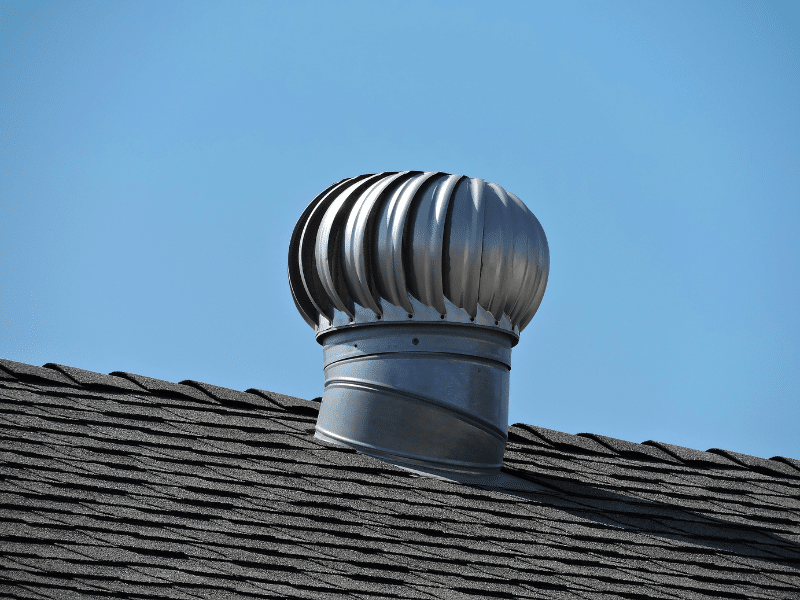
Spotting hail damage often involves looking for dents on metal flashings, missing granules, and bruising on shingles. It's best to perform this check as soon as safely possible after a hailstorm to not miss any subtle signs.
What is the Process for Filing a Roof Insurance Claim for Hail Damage?
The filing process starts with documenting the damage promptly and then contacting your insurance company to initiate a claim. They will guide you through submitting your evidence and set an appointment for an adjuster's inspection.
How Long Do I Have to File an Insurance Claim After Hail Damage?
The time frame can vary by policy, but generally, insurance companies expect you to file a claim within a year of the hail damage occurring. However, it's always recommended to file as soon as possible.
Can Hail Damage be Repaired, or Will I Need a Full Roof Replacement?
Minor hail damage often qualifies for repairs, but severe or widespread damage may necessitate a full roof replacement. A professional assessment post-hailstorm is best for determining the extent of the damage.
What Should I Document When Inspecting My Roof for Hail Damage?
Document every instance of visible damage with clear photos, note the size of the hail if possible, and record the date and duration of the storm. Detailed records support the strength of your insurance claim.
Morgan Bennett, Marketing Director
Morgan is the Marketing Director at Adam Quenneville Roofing & Siding, joining the team in 2024. She holds a bachelor’s degree in Marketing and Business and helps lead the company’s brand strategy, content, and customer education efforts. Morgan also plays a key role in AQ Cares, AQRS’s community outreach division, helping coordinate partnerships, volunteer initiatives, and local giving programs that support the neighborhoods we serve.
Topics: