Essential Roof Maintenance Tips Every Homeowner Needs Now
August 11th, 2025
5 min read
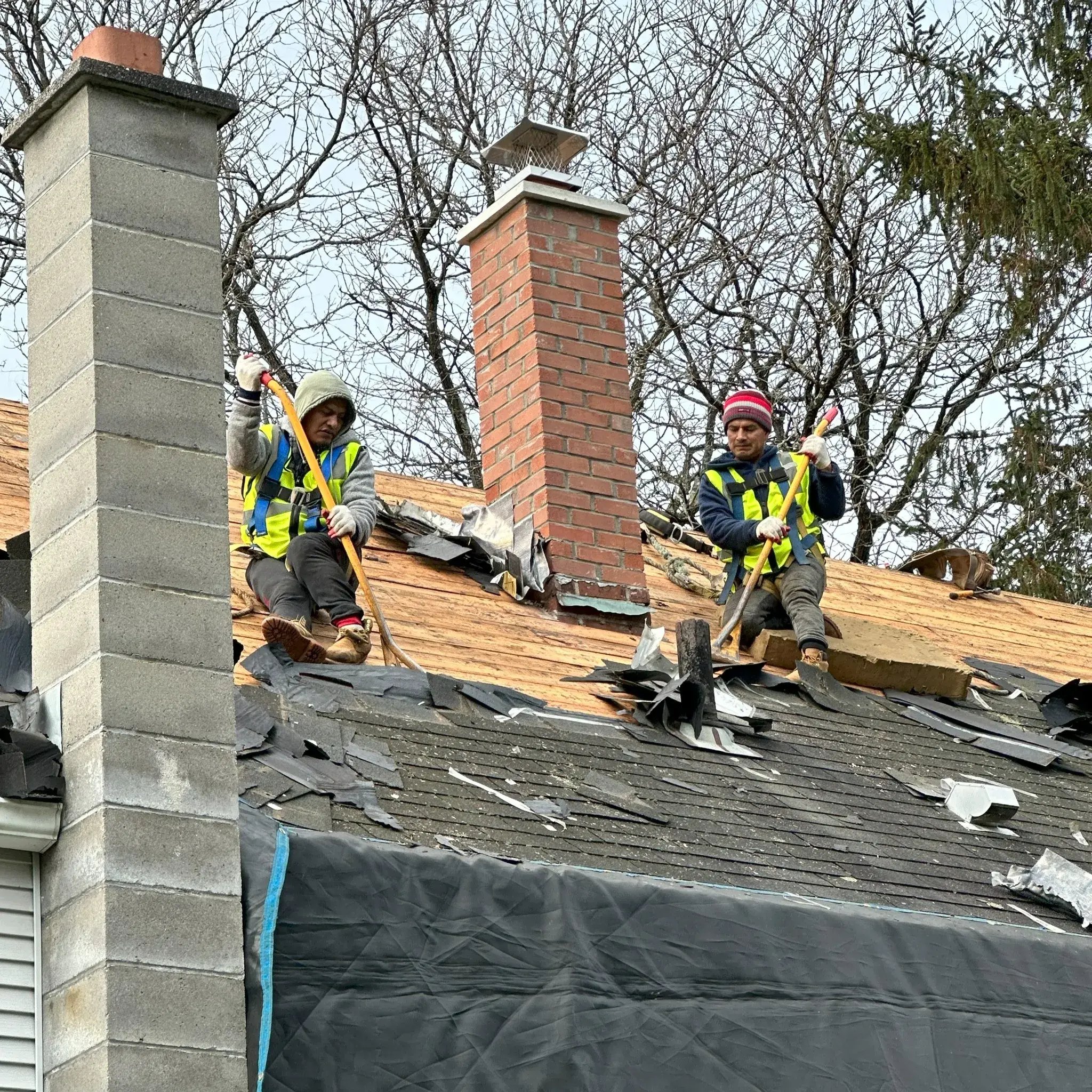
• Discover essential tips for regular roof inspection and why it's critical for maintaining your home's integrity
• Learn practical steps to clean gutters and downspouts, trim overhanging branches, and prevent damage from natural elements
• Find out professional insights on preserving your roof's longevity through proper maintenance and timely repairs
Recognizing Signs of Roof Trouble
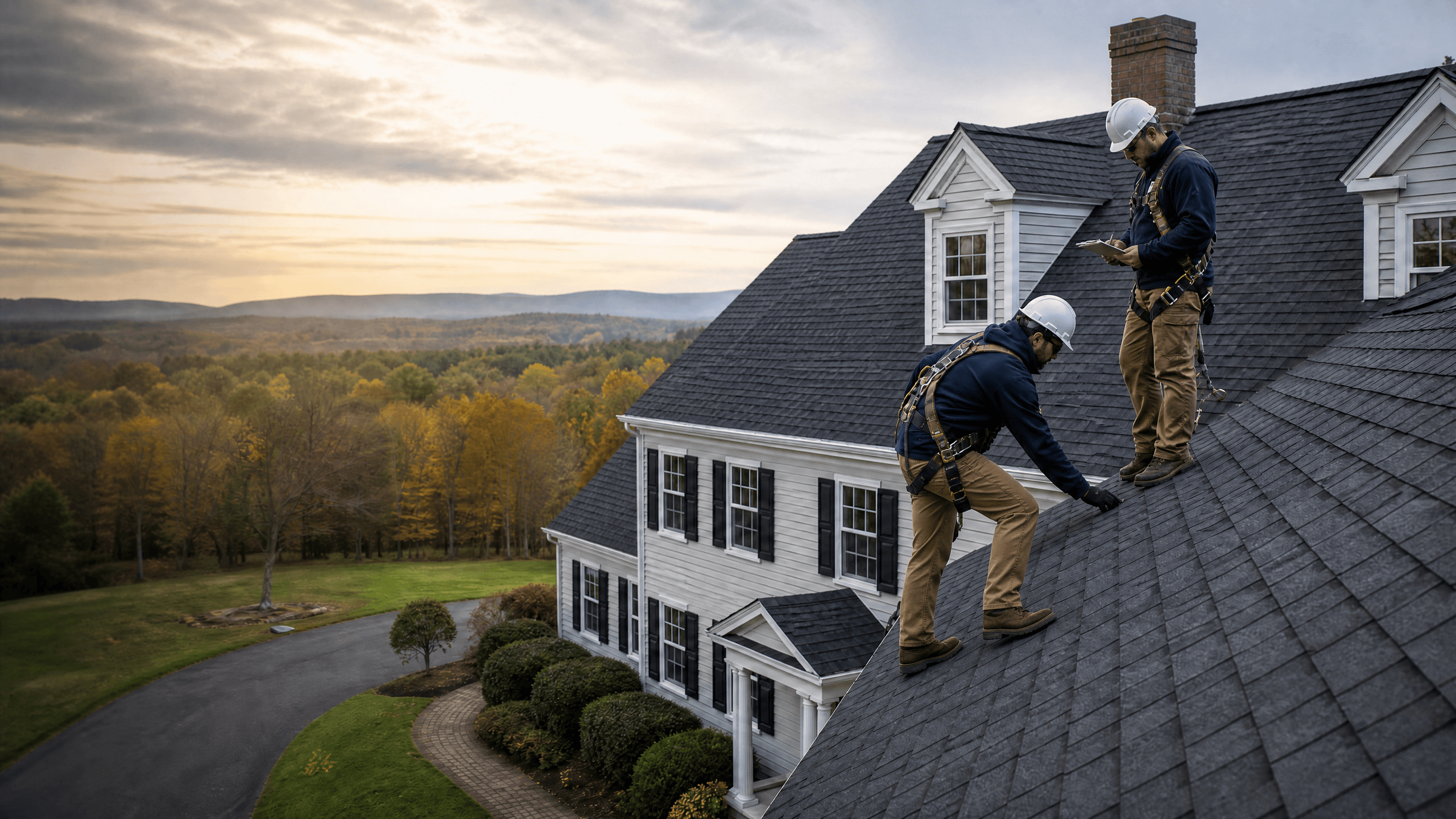
Before we delve into essential roof maintenance, it's vital to know the warning signs that might indicate the need for closer inspection and immediate action. Missing or damaged shingles can be the first tell-tale markers of a roof needing attention. Issues such as these not only compromise the aesthetic appeal of your home but also leave it vulnerable to the elements. As homeowners in Maine, it's crucial to inspect your roof regularly, especially after the punishing winter storms.
Debris and Water: Enemies of a Healthy Roof
When examining your roof, don't overlook the gutters and downspouts; these are integral to your roof's health. Clogged or damaged gutters can lead to improper water drainage, causing water buildup that eventually damages both the roof structure and your home's foundation. A clear sign of gutter issues is water spilling over the sides or visible plant growth, suggesting water has been standing long enough to allow seeds to sprout. Therefore, a critical roof maintenance tip is to ensure that gutters are debris-free and water flows freely away from your home.
When Nature Becomes a Nuisance
It's not just the roof itself that needs your attention – the surrounding environment does too. Overhanging tree branches may lend natural beauty but can be culprits in roof deterioration. Look out for branches that touch or hover above your roof; these not only drop leaves that can block gutters but also pose a danger of falling limbs during a storm. As summer sets in Maine, taking the time to trim these branches back can go a long way in preventing potential roof damage and to help you in keeping the roof intact and strong through the seasons.
Combating the Elements: Ice, Moss, and Ventilation
Maine's summer brings its own set of challenges for roof maintenance, with the potential for humid conditions leading to unwanted growths and the aftermath of harsh winters. Preventing ice dams, a common winter occurrence, is crucial as snow melts and refreezes at the roof's edge creating weight and water damage issues. To achieve this, ensure that your attic is well-ventilated and insulated against extreme heat fluctuations. Meanwhile, the warmth of summer can encourage moss and algae on roof surfaces, which must be addressed promptly to prevent deterioration.
The Importance of Professional Roof Inspections
A vital component to long-lasting roof health is the expertise provided by professional roof inspections. These professionals offer a more nuanced outlook on potential issues and can help in preemptively addressing risks that might not be immediately apparent to the untrained eye. Annual checkups by seasoned experts can save homeowners from costly repairs down the line and ensure peace of mind. They can also offer advice on when it's time to repair or replace aspects of your roofing, which is essential given the investment that your roof represents.
Step 1: Inspect Your Roof Regularly
Check for missing, damaged, or curling shingles. Look for signs of wear around roof penetrations, such as chimneys and vents. Perform these inspections twice a year and after any severe storm.
Step 2: Clean Your Gutters and Downspouts
Keep gutters and downspouts clear of debris to prevent water buildup that can damage your roof. Make sure water flows freely and away from your home's foundation.
Step 3: Trim Overhanging Tree Branches
Trim branches that hang over your roof to prevent damage from falling limbs, discourage animals from accessing your roof, and reduce the accumulation of leaves and branches.
Step 4: Prevent Ice Dams
Ensure your attic is well-ventilated and insulated to prevent the melting and refreezing of snow, which can create ice dams that damage your roof and gutters.
Step 5: Monitor for Moss and Algae
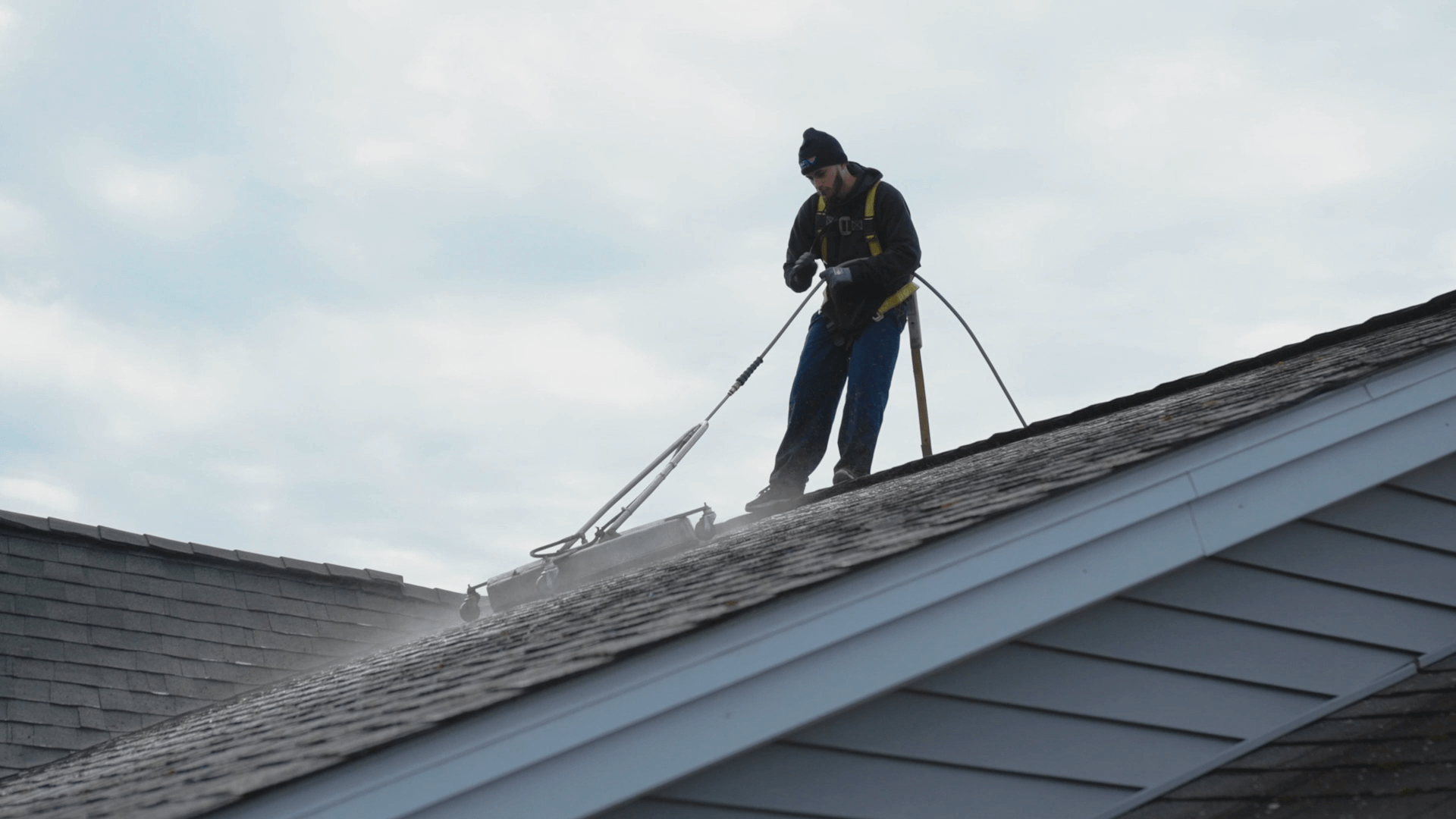
Look for any green patches on your roof, which may indicate moss or algae growth. Use appropriate products to gently clean the affected areas and prevent further growth.
Step 6: Check for Proper Ventilation
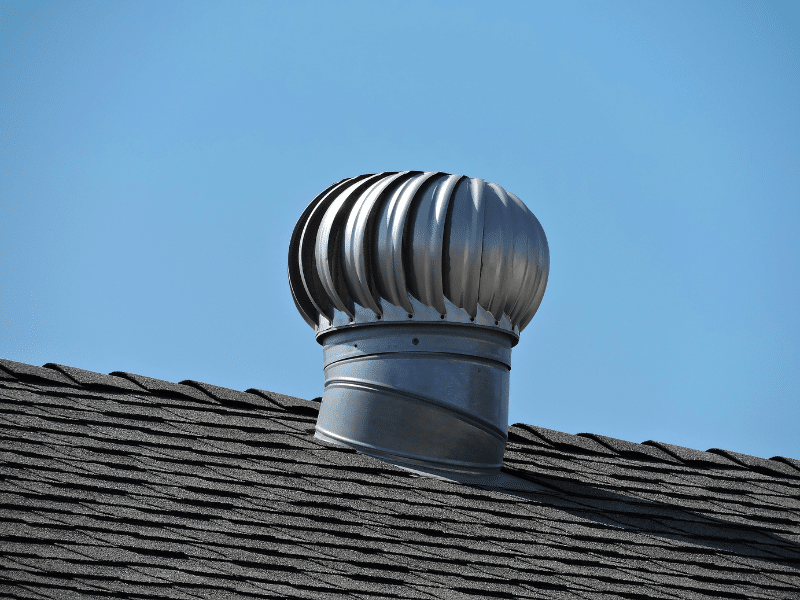
Proper attic ventilation helps manage temperature and moisture levels. Inspect intake vents along your soffits and exhaust vents at your roof's peak for obstructions or damage.
Step 7: Schedule Professional Inspections
Hire a professional roofer to conduct a comprehensive inspection annually, as they can spot issues you may have missed and provide expert maintenance advice.
Step 8: Plan for Repairs and Replacement
Based on your inspections or professional advice, plan for necessary repairs. Understand the lifespan of your roofing materials to prepare for a replacement when the time comes.
Mistakes to Avoid in Roof Maintenance
As you embark on essential roof maintenance, it is as important to be aware of what not to do as it is to follow the steps of proper care. Homeowners often dive into DIY maintenance with enthusiasm, but without the right know-how, this can lead to costly errors. Let's look at some common blunders to steer clear of, ensuring your roof remains in top condition through all seasons in Maine.
Mistake 1: Neglecting Regular Inspections
Many homeowners forget that roof maintenance isn’t a one-off task. Skipping regular inspections, particularly after severe weather, can let small issues escalate into bigger, more expensive problems. To prevent this, stick to a bi-annual inspection schedule and always check your roof after storms.
Mistake 2: Improper Gutter Cleaning
While cleaning gutters, some people might rush the process, leaving debris that can clog and weigh down the gutters, causing water to overflow and damage the roof and foundation. To avoid this, take the time to thoroughly clean the gutters and check for proper water flow.
Mistake 3: Overlooking the Trim of Overhanging Branches
Not trimming overhanging tree branches can lead to accumulation of debris on the roof and potential damage from falling limbs. Homeowners should perform regular trimming to mitigate these risks and keep their roof safe from natural elements.
Mistake 4: Ignoring Ice Dam Formation
A common oversight in colder climates is failing to prevent ice dams. This happens when homeowners do not ensure adequate attic insulation and ventilation, leading to ice buildup at the roof’s edge. To prevent ice dams, ensure your attic is properly insulated and ventilated year-round.
Mistake 5: Using Harsh Chemicals for Moss and Algae
In an attempt to remove moss and algae, some resort to using harsh chemicals that can damage roofing materials. It's best to use products designed specifically for roof cleaning and follow instructions carefully, or better yet, seek professional advice.
Mistake 6: Disregarding Ventilation Checks
Inadequate ventilation can lead to moisture buildup and reduced roof life, yet it is often overlooked during self-inspections. Always check your attic's intake and exhaust vents to ensure they are free from blockages and functioning correctly.
Mistake 7: Skipping Professional Roof Evaluations
Some homeowners may try to save money by avoiding professional inspections. However, a trained eye might catch problems you've missed. To ensure a thorough evaluative process, schedule an inspection with an experienced roofer at least once a year.
Mistake 8: Delaying Necessary Roof Repairs
Putting off repairs can lead to compounded issues and higher costs in the future. If your inspection indicates the need for repair or you receive such advice from a professional, act promptly to address these needs — it's crucial for the longevity of your roof.
Planning Ahead: Maintenance and Upkeep
Proactive maintenance goes beyond merely reacting to issues as they arise – it involves a clear understanding of your roof’s condition and life expectancy. Knowing when to repair and when to invest in a new roof can save homeowners from future headaches and financial strain. For those living in Maine, being ahead of the game ensures that your home is safeguarded against the unpredictable weather year-round.
Utilizing Resources: Gaining Professional Insight
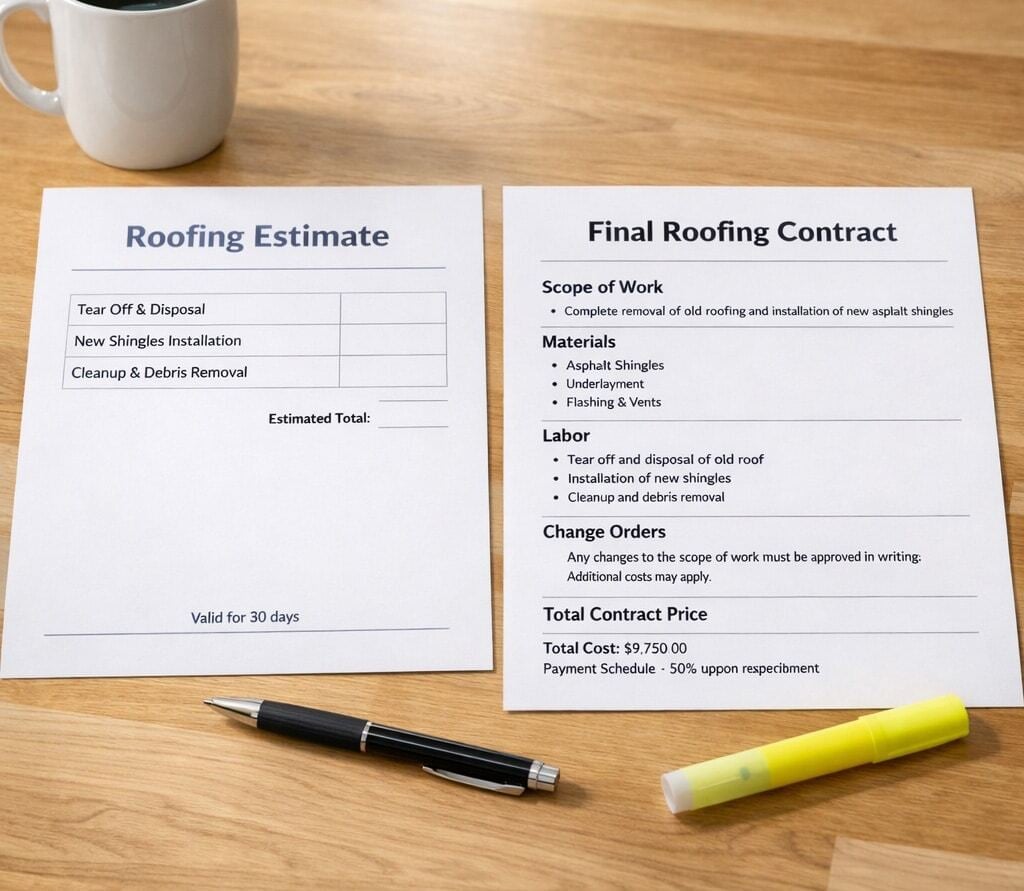
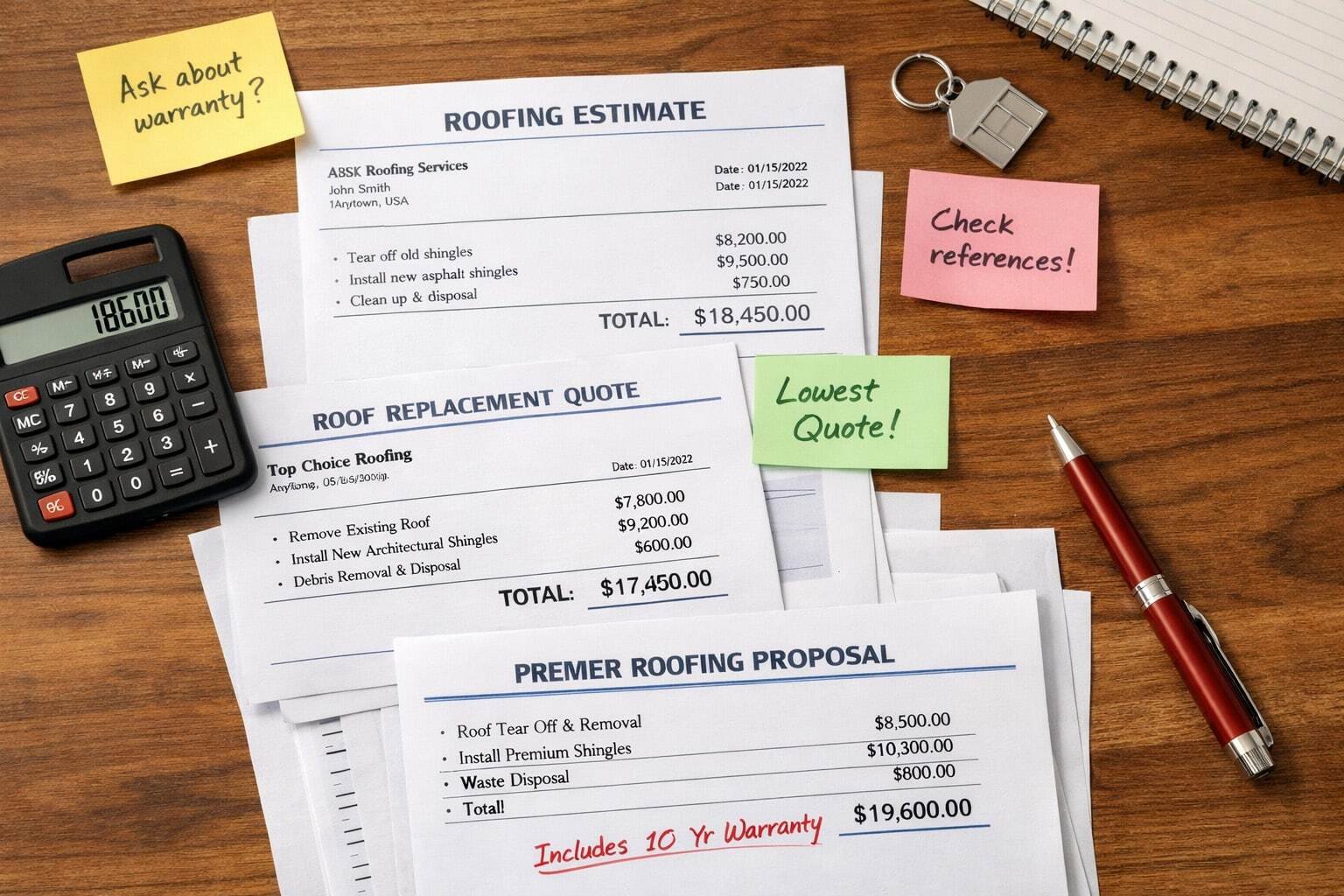
Alongside personal vigilance, utilizing professional services for regular inspections contributes greatly to the longevity of your roof. Experts can provide tailored advice and maintenance plans that fit the specific needs of your home's roofing system. They can also identify the most cost-effective solutions, whether it’s a minor repair or guiding you on the best time for a full roof replacement.
Morgan Bennett, Marketing Director
Morgan is the Marketing Director at Adam Quenneville Roofing & Siding, joining the team in 2024. She holds a bachelor’s degree in Marketing and Business and helps lead the company’s brand strategy, content, and customer education efforts. Morgan also plays a key role in AQ Cares, AQRS’s community outreach division, helping coordinate partnerships, volunteer initiatives, and local giving programs that support the neighborhoods we serve.
Topics: