What Is Commercial Roofing
June 4th, 2025
5 min read
Securing Your Investment
Investing in a commercial roof goes beyond immediate needs; it is planning for the future of your business. Consider the longevity of different roofing materials against the backdrop of Connecticut’s weather when making your selection. Eco-friendly roofing not only conserves energy but can also positively impact your brand image in the eyes of an environmentally conscious public. Yet, the roof's condition and your financial strategy must both weigh in on whether to repair or replace it. Whichever option you pursue, ensure it aligns with a long-term vision for your commercial property's performance and appearance.
It's essential to partner with a trusted team that brings expertise to your commercial roofing project. With Adam Quenneville's expertise, you can rest assured that your roofing decisions are guided by seasoned professionals. A comprehensive strategy that includes regular inspections, timely repairs, and knowledgeable material selection can bolster the resilience and longevity of your roof. And remember, the peace of mind that comes with a secure commercial roofing system is an invaluable asset; it allows you to focus on what you do best—running your business. In this way, a roof is not just a structure; it's a business strategy.
Finally, as you consider the information presented on 'what is commercial roofing,' take a moment to reflect on how each element impacts your overall business goals. Trust and expertise go hand in hand, and selecting a provider like Adam Quenneville means partnering with a company that prioritizes your business's safety and image. Where roofing is concerned, shortcuts can lead to long-term expense and headaches—wisdom lies in choosing wisely and acting proactively. This is your call to action: secure your business against the unpredictability of weather and time with a roofing solution that stands firm. After all, your commercial roof is more than a shield; it's a silent partner in your business's continued success.
The Importance of Quality Commercial Roofing
Every Connecticut business owner knows that a sturdy roof over their head isn't just about shelter; it's a crucial line of defense for their livelihood. From the blazing summer heat to the harsh winter storms, the seasons roll through with a ferocity that demands respect—and a roofing system that can stand up to the challenge. The cost of cutting corners in commercial roofing can quickly escalate, from water damage ruining inventory to energy inefficiency hiking up utility bills. Recognizing the significance of 'what is commercial roofing' is not just about construction terminology; it's about ensuring the longevity and success of your commercial enterprise. In every way, your roof embodies both the protector of your assets and the image of your business’s integrity to the outside world.
Understanding the complexities of commercial roofing is no small feat, especially with an array of materials and designs to choose from. Decisions made here are not merely aesthetic; they hold implications for the building's overall energy efficiency, maintenance schedule, and durability in facing Connecticut's climate. It is vital to approach this with a mindset tuned to the long-term, considering how each option will serve the building through every season. This blog post is poised to guide you through the intricate landscape of commercial roofing, equipping you with the knowledge to make well-informed decisions. With the right information, you can turn the daunting task of selecting a roof into a strategic advantage for your business.
Facing commercial roofing concerns can often appear overwhelming; the stakes are undeniably high, and the spectrum of choices is vast. Each business comes with its own set of demands and expectations for its roofing system—ones that extend well beyond the mere function of shelter. Beyond protection, a roof can contribute to the brand's image with eco-friendly options or by enhancing the building's overall curb appeal. Furthermore, in an age where businesses are scrutinized for their environmental impact, choosing a greener roofing solution can align your brand with sustainability goals. Taking these initial steps in understanding 'what is commercial roofing', sifts the essential from the expendable, setting a solid foundation for decision-making that aligns with your business goals and values.
Securing Your Investment
Investing in a commercial roof goes beyond immediate needs; it is planning for the future of your business. Consider the longevity of different roofing materials against the backdrop of Connecticut’s weather when making your selection. Eco-friendly roofing not only conserves energy but can also positively impact your brand image in the eyes of an environmentally conscious public. Yet, the roof's condition and your financial strategy must both weigh in on whether to repair or replace it. Whichever option you pursue, ensure it aligns with a long-term vision for your commercial property's performance and appearance.
It's essential to partner with a trusted team that brings expertise to your commercial roofing project. With Adam Quenneville's expertise, you can rest assured that your roofing decisions are guided by seasoned professionals. A comprehensive strategy that includes regular inspections, timely repairs, and knowledgeable material selection can bolster the resilience and longevity of your roof. And remember, the peace of mind that comes with a secure commercial roofing system is an invaluable asset; it allows you to focus on what you do best—running your business. In this way, a roof is not just a structure; it's a business strategy.
Finally, as you consider the information presented on 'what is commercial roofing,' take a moment to reflect on how each element impacts your overall business goals. Trust and expertise go hand in hand, and selecting a provider like Adam Quenneville means partnering with a company that prioritizes your business's safety and image. Where roofing is concerned, shortcuts can lead to long-term expense and headaches—wisdom lies in choosing wisely and acting proactively. This is your call to action: secure your business against the unpredictability of weather and time with a roofing solution that stands firm. After all, your commercial roof is more than a shield; it's a silent partner in your business's continued success.
Insights From The Experts
Tip 1:
Choose materials that are suited to Connecticut's climate, which can range from hot summers to icy winters. This ensures longevity and less frequent need for repairs.
Tip 2:
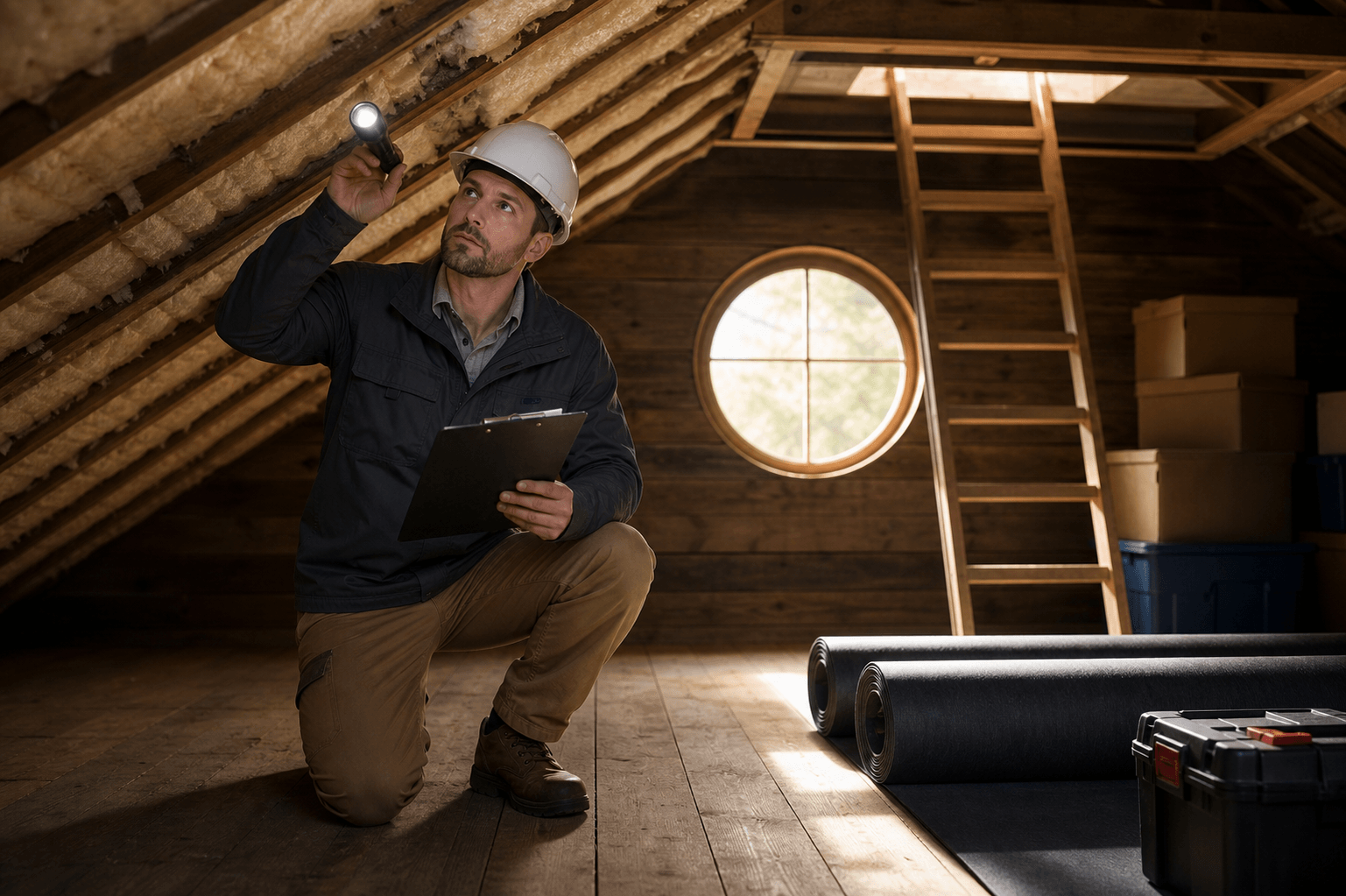
Regular inspections are key to maintaining commercial roofing. Have a professional roofer inspect your roof at least twice a year and after major storms to catch potential issues early.
Tip 3:
Understand the unique needs of your commercial roofing as it differs significantly from residential roofing, including dealing with flat roofs and installing proper drainage systems.
Tip 4:
When it comes to repairs or replacement, working with a licensed commercial roofing contractor ensures that all work is up to code and materials used are of the highest standard.
Tip 5:
Budgeting for commercial roofing is crucial as it can be a significant investment. Consider the lifecycle costs, not just the initial outlay, to make more cost-effective decisions over the long term.
Expert Answers to Your Commercial Roofing Queries
What are the most durable materials used for commercial roofing in Connecticut?
The most durable materials for commercial roofing in Connecticut are metal roofs due to their longevity and resistance to extreme weather, and single-ply membranes like TPO and EPDM for their strong performance and ease of maintenance.
How often should commercial roofing be inspected and maintained?
Commercial roofing should be professionally inspected at least twice a year, in spring and fall, and after any severe weather event to ensure any issues are caught and addressed promptly.
What is the difference between commercial and residential roofing systems?
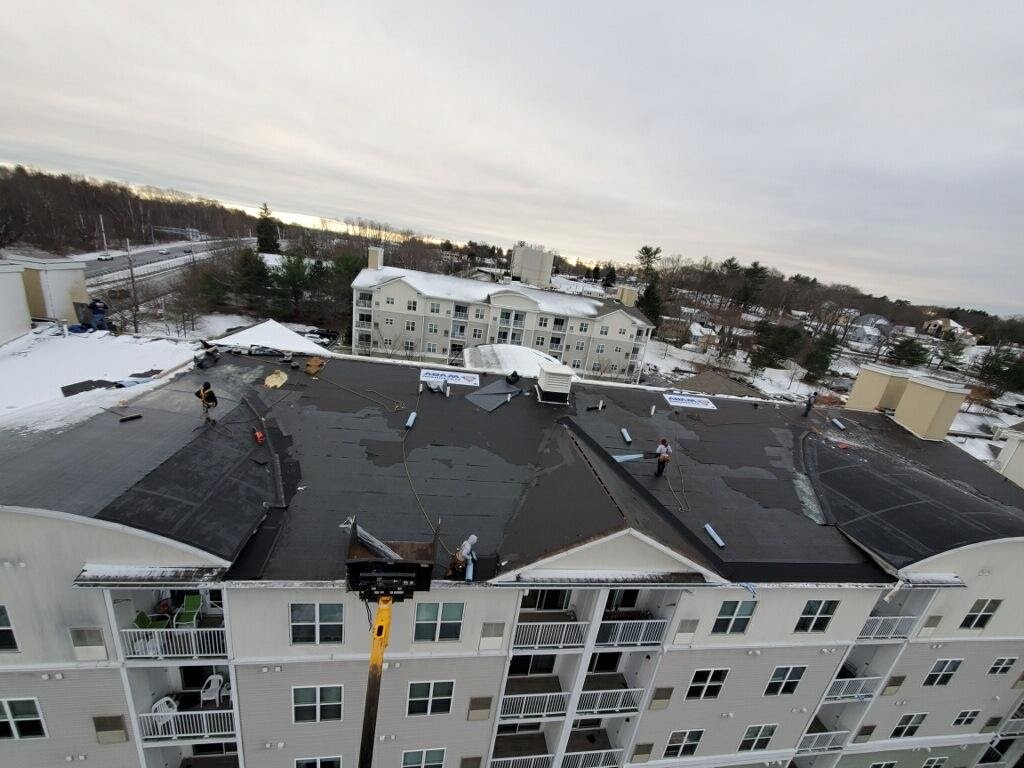
Commercial roofing systems typically involve flat or low-slope structures requiring specialized drainage, while residential roofs are usually steep-slope and designed for aesthetic appeal as well as functionality.
How can I determine if my commercial roof needs repair or replacement?
Inspect your commercial roof for signs of damage such as persistent leaks, tears, or bubbles in the material, and consult with a professional roofer to assess the extent of damage and whether repair or replacement is necessary.
What are the cost considerations when selecting a commercial roofing material?
When choosing a commercial roofing material, consider not only the initial installation cost but also the longevity, maintenance requirements, energy efficiency, and potential savings on repair and replacement over the roof’s lifecycle.
Morgan Bennett, Marketing Director
Morgan is the Marketing Director at Adam Quenneville Roofing & Siding, joining the team in 2024. She holds a bachelor’s degree in Marketing and Business and helps lead the company’s brand strategy, content, and customer education efforts. Morgan also plays a key role in AQ Cares, AQRS’s community outreach division, helping coordinate partnerships, volunteer initiatives, and local giving programs that support the neighborhoods we serve.
Topics: