
Wet Spot on Your Ceiling After a New England Rainstorm? What It Usually Means
July 30th, 2026
5 min read

A wet spot on your ceiling after a rainstorm is unsettling, especially when you can't tell whether it's a roof problem, a plumbing problem, or something in between.
At Adam Quenneville Roofing and Siding, we inspect and repair roofs across New England through every nor'easter and summer downpour New England throws at us, and ceiling stains are one of the calls we field most.
In this article, we'll walk through the most common causes of ceiling wet spots after a New England storm, why the stain rarely sits directly above the actual leak, what you can safely check yourself, and when it's time to call in a professional.
Common Causes of Ceiling Wet Spots After a New England Rainstorm
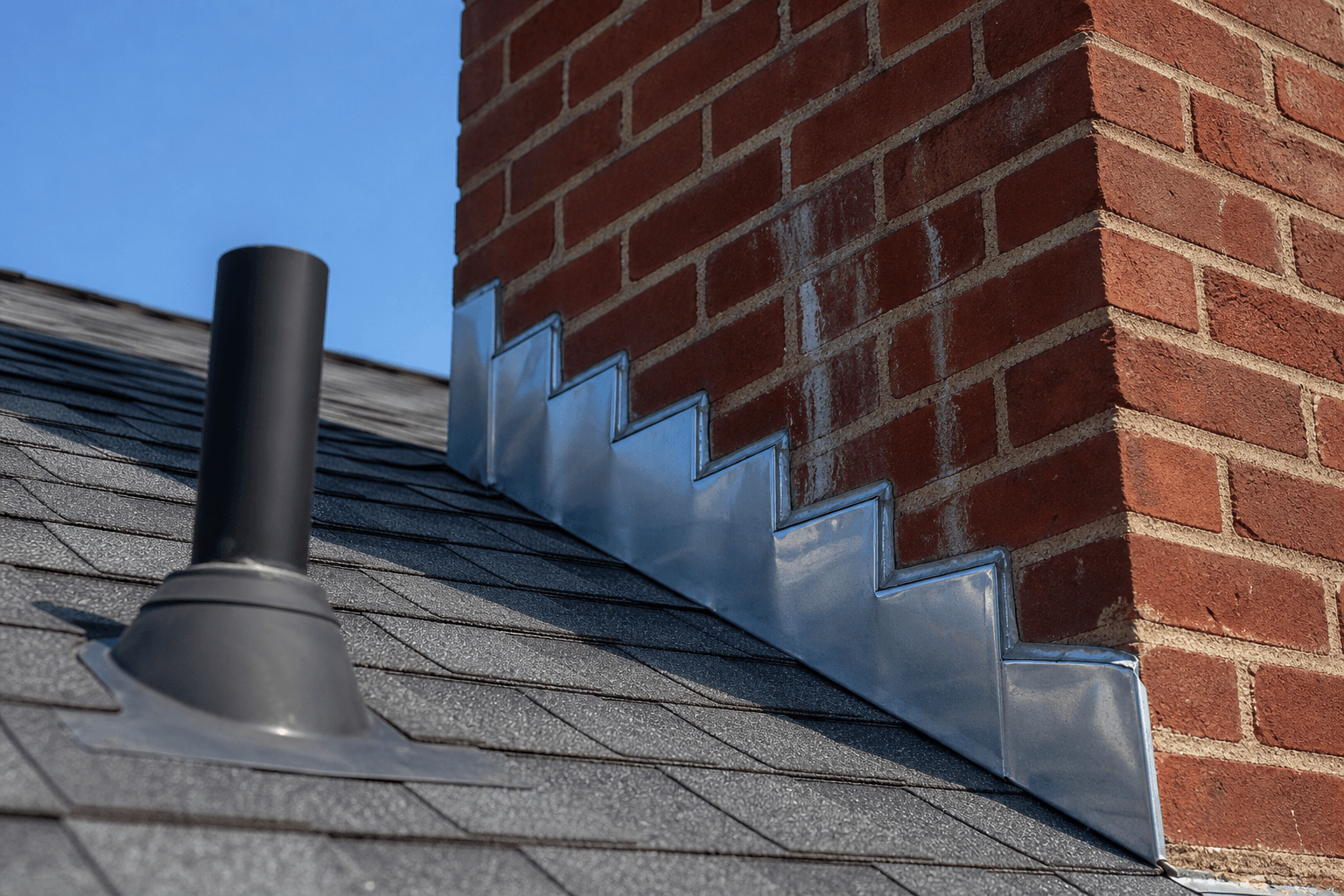
New England's freeze-thaw cycle is hard on flashing. The metal around chimneys, skylights, and pipe boots expands and contracts through hundreds of swings each winter, and the sealant holding it cracks faster than in a milder climate. A flashing joint that looked fine months earlier can already be compromised by the time a summer thunderstorm or nor'easter rolls through. Homeowners often replace shingles when flashing is the real failure point, which is why the same spot leaks again months later.
Roof valleys and dormers cause a similar problem in a different way. Steep New England roofs shed water quickly off open slopes, but valleys and the corners around dormers concentrate a lot of water into a small area fast. During a heavy or slow-moving storm, that flow can overwhelm underlayment or find its way under a shingle edge that would never leak in a light rain.
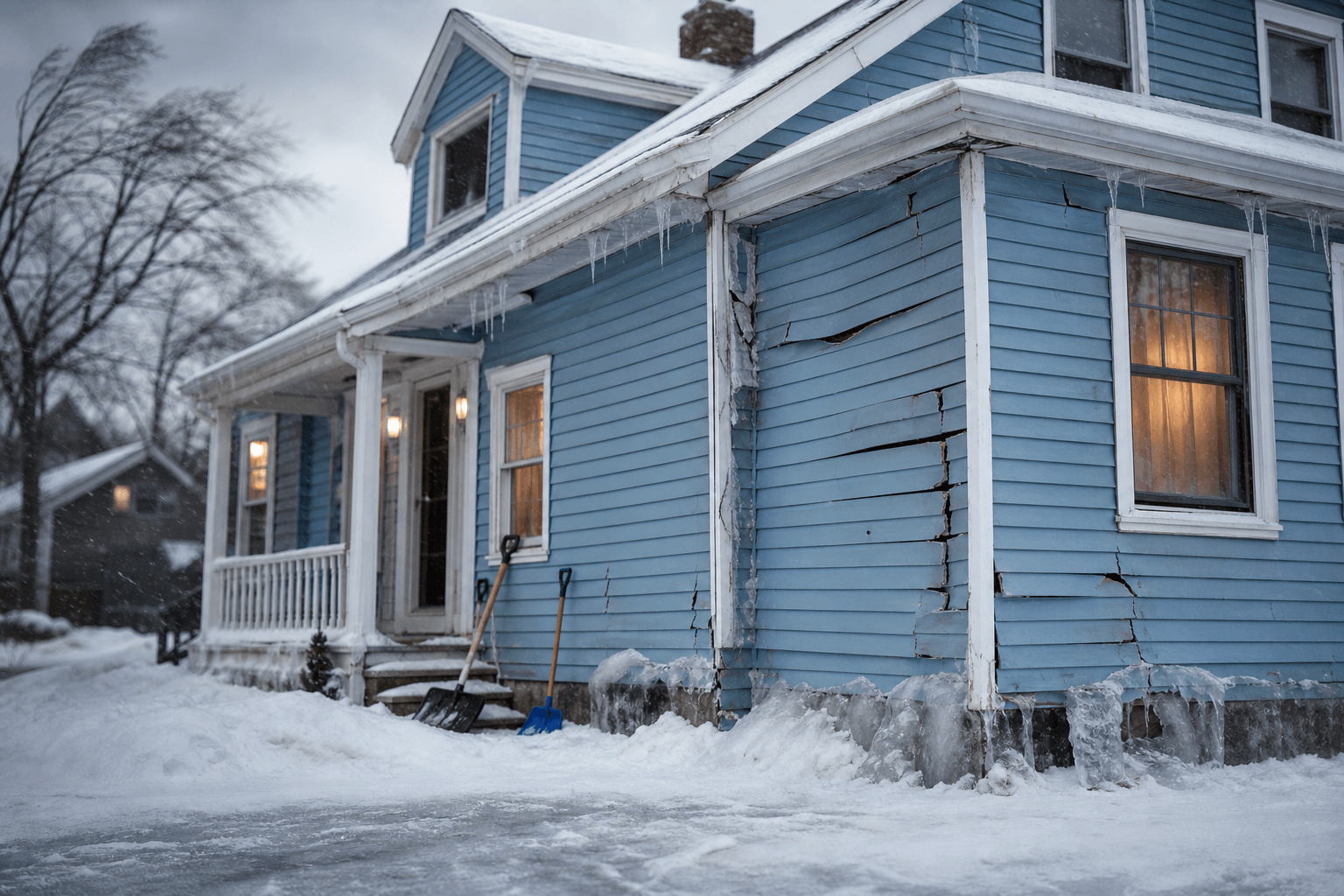
Then there's wind-driven rain. A normal shower falls at an angle your roof is designed to shed. Once wind speeds climb, whether from a summer squall line or a tropical system moving up the coast during Atlantic hurricane season (June 1 through November 30), water can push sideways and upward under shingle edges and into ridge vents. If the wet spot appeared during or right after a named storm, wind-driven infiltration should be near the top of your list. One seasonal note: a similar stain in winter with no rain in the forecast usually points to an ice dam, not a rainstorm.
Why Ceiling Stains Often Appear Far From the Actual Leak
The most common mistake homeowners make is assuming the leak sits directly above the stain. Water travels along rafters and sheathing for several feet before it reaches a low point and drips, so checking the attic straight above a stain often turns up nothing.
The underlayment is usually where the water trail becomes visible first, even when shingles look intact from the ground. Water enters at a flashing joint or cracked sealant, wicks along the underlayment, follows the rafter downhill, and drips at whatever low spot it reaches, well away from where it actually got in.
Real Life Story: A homeowner in Belchertown was convinced her leak had to be coming from directly above her bedroom ceiling — that's where the stain showed up, so that's where the problem must be. When we got up on the roof, the flashing around her chimney told a different story. Animals had been picking at it, and once the sealant was compromised, water had a clear path in. From there, it followed the rafters downhill like a water slide, showing up in her bedroom ceiling well before it reached the actual entry point at the chimney.
This is common: the underlayment is usually where the water trail becomes visible first, even when shingles look intact from the ground. Water enters at a flashing joint or cracked sealant, wicks along the underlayment, follows the rafter downhill, and drips at whatever low spot it reaches — often far from where it actually got in.
A stain directly below a chimney or skylight is a more reliable clue, since penetrations concentrate water flow. A stain with no obvious penetration above it means someone needs to get into the attic and trace the path; patching from below without finding the entry point is how a modest repair turns into a recurring one.
What a Homeowner Can Safely Check
Start by protecting what's below: put a bucket down and move anything valuable out of the splash zone.
- If the ceiling is bulging, water has pooled above the drywall. Puncture the center with a screwdriver for a controlled release, rather than letting it collapse on its own.
- Get into the attic while it's still raining if it's safe. Avoid it during active lightning or if any wood feels soft underfoot, a sign the ceiling may already be compromised. Photograph any wet wood or active dripping, noting its location relative to landmarks outside.
- From the ground, scan the roofline for missing or lifted shingles, gaps around pipe boots, or flashing pulled away from a chimney. This is documentation for an inspector, not a full diagnosis.
- Check bathroom ceilings separately. A stain below a second-floor bathroom points more toward a supply line or wax ring than the roof. A roof leak worsens during rain and dries between storms; a plumbing leak doesn't follow the weather.
When Should I Call for a Roof Inspection?
Some situations are fine to observe for a day or two. Others need a professional on the roof right away. If the wet spot appeared during a named storm, you find wet or discolored wood in the attic, or the stain keeps growing instead of drying between rain events, don't wait.
Minor flashing repairs generally cost a few hundred dollars; once water reaches insulation and wood sheathing, costs climb quickly since the job now includes drying out or replacing structural materials, not just resealing a joint. Treat any number online as a rough guide rather than a quote.
Insurance is worth understanding before you need it. Massachusetts is among the states where some homeowners' policies carry a separate named storm deductible, often a percentage of the home's insured value rather than a flat dollar figure. How the damage is documented affects what you recover, so thorough photos and a professional inspection report are worth having before you file.
A roof inspection can confirm whether the entry point is flashing, underlayment, or something else, and whether a repair or a larger fix is the right call. Contact AQRS to schedule a roof inspection.
Frequently Asked Questions
How do I find where my roof is leaking after a rainstorm?
Start in the attic, not on the roof. Look for wet wood or active dripping, and note the location relative to landmarks outside. The entry point is rarely directly above the stain, so a professional inspector who can trace the path is your best bet for a lasting fix.
Can a ceiling water stain appear without an active roof leak?
Yes. Condensation in a poorly ventilated attic can mimic a rain leak, and a slow plumbing failure, like a wax ring or supply line, is another common non-roof cause, especially below a bathroom. The key tell is timing: a roof leak tracks with rain; plumbing and condensation issues don't.
How do I tell the difference between a roof leak and a plumbing leak?
A roof leak worsens during a storm and dries out between them. A plumbing leak shows no such pattern and often stains a ceiling below a bathroom, kitchen, or laundry area regardless of the weather. Check the wax ring and supply lines before assuming the roof is the source.
How long does it take for a ceiling water stain to dry out on its own?
A surface stain can dry within a few days in warm, low-humidity conditions. That doesn't mean the problem is resolved, though; wet insulation above the drywall retains moisture long after the ceiling looks dry, which is where mold starts.
What are the signs that ceiling water damage has led to mold?
Dark spotting, green, black, or gray, around a stain is the most obvious sign, but mold can establish in attic insulation before it's visible from below. A persistent musty odor is a strong indicator that moisture has been sitting longer than it looks.
Does homeowner's insurance cover ceiling water damage from a rainstorm?
Coverage depends on the cause and your policy, but storm-related roof damage is generally covered. Some Massachusetts policies carry a named storm deductible, often a percentage of the home's insured value, applying during Atlantic hurricane season (June 1 through November 30). Thorough photos and a professional inspection report help support what you can recover.
Robert Croteau, Director of Sales & Finance
With over 25 years at Adam Quenneville Roofing & Siding, Bob brings deep experience across installation, project management, and leadership. GAF Certified- and OSHA-10 certified and trained in finance and operations, he helps homeowners make confident, informed decisions, blending technical know-how with business insight.
Topics: