How To Implement Sustainability In Your Commercial Roofing Plan
August 27th, 2025
4 min read
• Discover signs indicating the need for sustainable commercial roofing solutions, such as increasing energy costs and outdated materials.
• Learn about the advantages of using materials like recycled metal and white TPO, as well as the energy-efficiency benefits of cool roof coatings and solar-reflective options.
• Understand the importance of choosing a qualified contractor for installation and the long-term benefits of regular sustainable roof maintenance.
Recognizing the Need for Sustainable Solutions
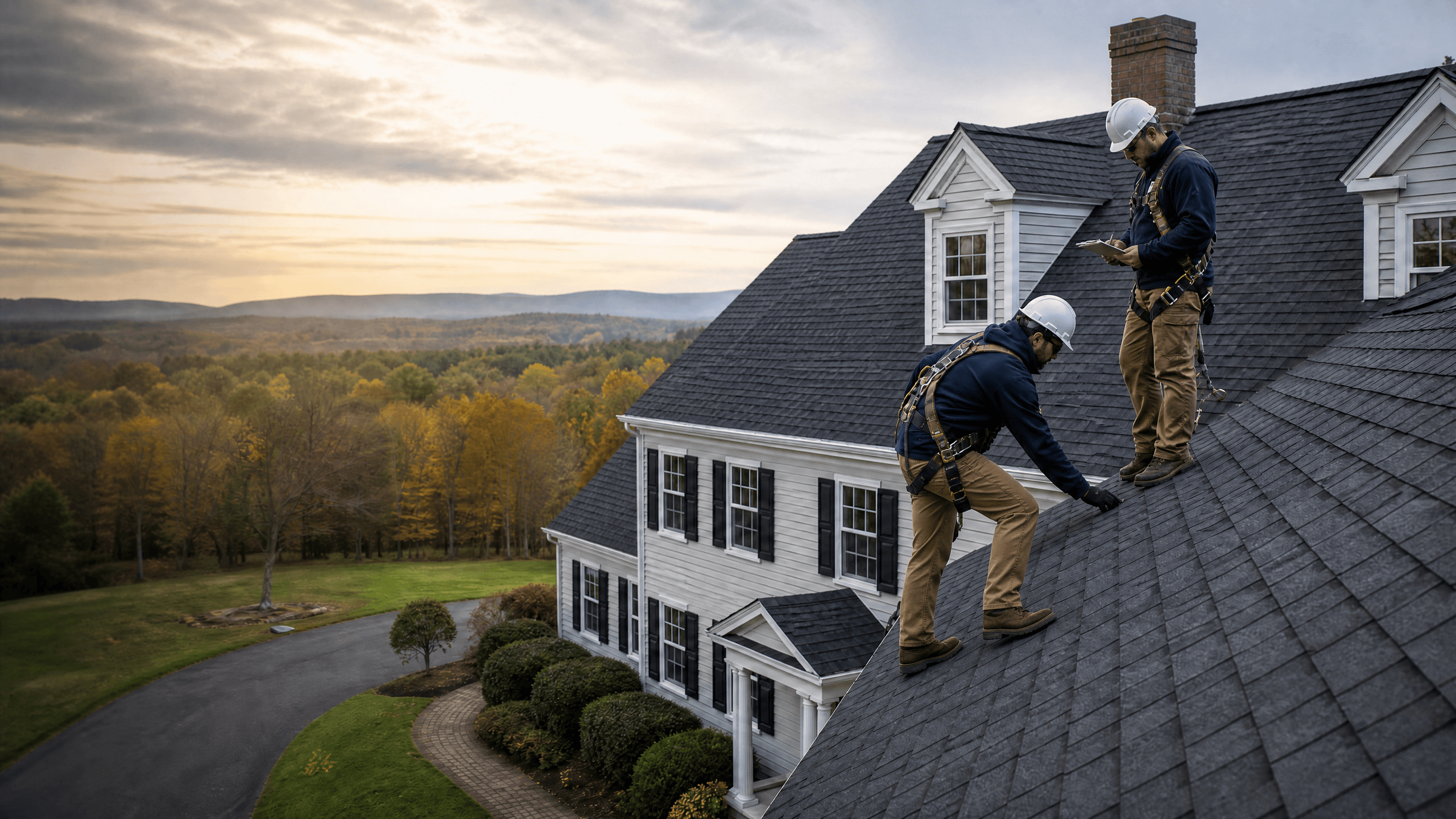
As facility managers and business owners, it's crucial to be aware of the subtle yet significant signs that suggest a shift towards sustainability in commercial roofing solutions is needed. Perhaps you've noticed a gradual increase in your building's energy bills, a clear indicator that your roofing system may lack energy efficiency. This can often be traced back to outdated materials that aren't reflecting sunlight effectively, converting it instead into unwanted heat. Consider also any frequent repairs or patches, which not only disrupt business operations but also signal an inefficient roofing system that could benefit from more sustainable, long-lasting materials.
Assessing Your Roof's Environmental Impact
Take a moment to consider the environmental footprint of your current roofing system. Traditional roofing materials can have a profound impact on the environment, from the energy used in their production to the runoff they create. If your roof is nearing the end of its lifespan, it presents an ideal opportunity to transition to materials and designs that support the health of our planet. Reflect upon this as you inspect your roof, thinking about not just the immediate costs, but also the long-term environmental benefits.
Planning for a Greener Future
The path to a sustainable commercial roof begins with careful planning and a forward-thinking mindset. Envision the future of your building with a roof that not only addresses today's needs but also anticipates tomorrow's challenges. Climate patterns, for instance, have become increasingly unpredictable, and so your roofing material must be chosen with resilience in mind. Acknowledge that making such a shift is not just a financial decision but a statement of your company's commitment to sustainability and corporate responsibility.
Embarking on Sustainable Commercial Roofing
When you decide to integrate sustainable practices into your commercial roofing, you're not just repairing a roof - you're investing in the future. It's an eco-conscious endeavor that often starts with materials procurement. For instance, selecting recycled metal for your roofing instead of brand new raw materials can significantly reduce the carbon emissions associated with production. This choice not only contributes to a healthier environment but also speaks volumes about your brand's dedication to sustainability.
Sourcing Eco-friendly Materials
Embarking on the research for eco-friendly roofing materials can be daunting, yet it is a crucial step in solidifying your commitment to sustainability. You'll want to look for suppliers who specialize in green solutions, such as those offering roofing systems made from renewable resources, or businesses that boast substantial recycled content in their products. A detailed exploration about these materials can be found on Adam Quenneville’s commercial roofing page, guiding you to make informed decisions for your project. As you embrace this journey, remember that each sustainable step you take contributes to a grander picture of conservation and corporate responsibility.
Step 1: Assess Your Roofing Needs
Before diving into sustainability, understand the specific needs of your commercial roofing. Consider factors like climate, building design, and existing roofing material. Reflect on how these elements will influence your sustainable roofing solutions.
Step 2: Research Sustainable Roofing Materials
Explore eco-friendly roofing materials that provide durability and energy efficiency. Look for materials with a low carbon footprint, such as recycled metal, white TPO, and green roof systems.
Step 3: Evaluate Energy Efficiency Options
Consider the energy-saving potential of your roofing. Investigate cool roof coatings and solar-reflective options that can lower building temperature and reduce energy costs.
Step 4: Consider Green Roofing Solutions
Green roofs, or living roofs, can enhance sustainability by providing insulation and aiding in stormwater management. Examine if a green roofing system is viable for your property.
Step 5: Incorporate Insulation and Ventilation
Proper insulation and ventilation are key to sustainable roofing. Ensure your roof has high-quality insulation and adequate ventilation to optimize temperature control and energy use.
Step 6: Look into Rainwater Harvesting Systems
Install a rainwater harvesting system to collect and reuse rainwater, decreasing your water consumption and benefiting the environment.
Step 7: Select a Qualified Sustainable Roofing Contractor
Choose a roofing contractor with experience in sustainable commercial roofing solutions. They should be knowledgeable about the latest eco-friendly materials and technologies.
Step 8: Maintain Your Sustainable Roof
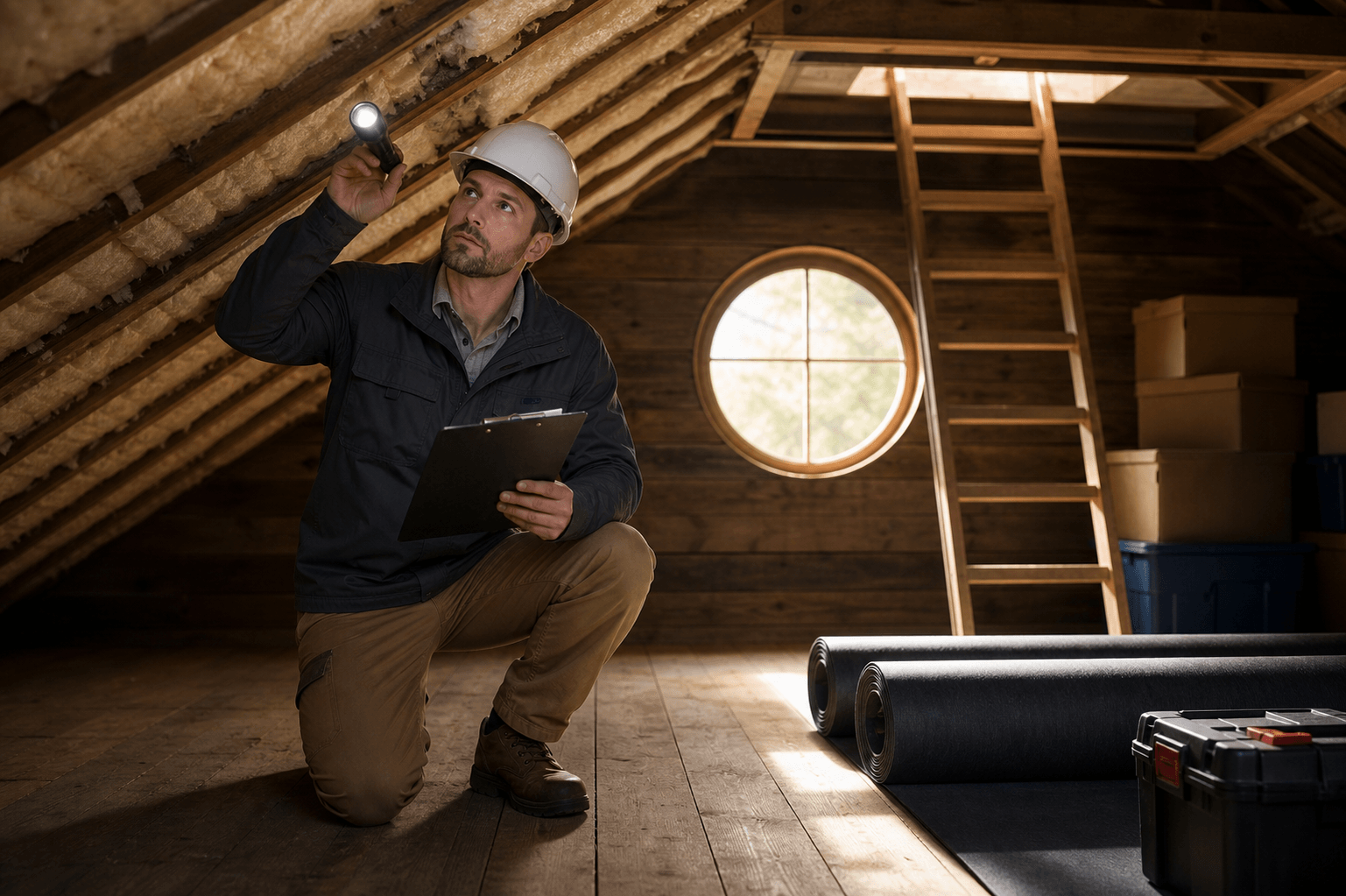
Sustainability is not just about the installation but also about maintenance. Schedule regular inspections and maintenance to ensure your roof's sustainability features continue to function optimally.
Mistakes to Avoid in Sustainable Commercial Roofing
When embarking on a journey towards sustainable commercial roofing, even the most well-intentioned DIY enthusiast can encounter pitfalls. This section is dedicated to highlighting common mishaps to keep you on the right track. By understanding these frequent errors, you’ll be better equipped to make decisions that align with best practices in sustainability and, ultimately, protect your investment.
Mistake 1: Ignoring Local Climate Considerations
All too often, roofing materials are selected based on cost or aesthetics without considering the local climate. This oversight can lead to premature deterioration of materials that aren't suited to extreme temperatures or specific weather patterns. To avoid this mistake, align your material choice with the weather conditions typical of Connecticut’s climate, ensuring longevity and effectiveness.
Mistake 2: Overlooking Roof System Compatibility
Another common error is failing to consider the compatibility of new sustainable materials with the existing roof system. Some materials may require specific structural support or insulation that your current roof does not provide. Prevent this issue by conducting thorough research on sustainable roofing materials and consulting with a skilled contractor who can assess the compatibility with your current roof structure.
Mistake 3: Skimping on Energy Efficiency Research
Many building owners leap towards sustainable materials without fully understanding their energy efficiency potential. Overlooking this crucial aspect can result in less-than-optimal energy savings. Prevent this by dedicating time to evaluate the energy-saving claims of cool roof coatings and solar-reflective options to ensure they meet your energy efficiency goals.
Mistake 4: Underestimating Green Roof Requirements
Embracing the concept of a green roof without recognizing the structural and maintenance requirements is a typical blunder. Green roofs require careful planning and execution, as well as consistent maintenance. To prevent this mistake, conduct an extensive assessment to ensure your building can support a living roof and that you have the resources to maintain it properly.
By steering clear of these common errors and adhering to the guidelines from our sustainability-focused steps, you can ensure a smoother transition to a more sustainable roofing solution that meets the unique demands of your commercial building in Connecticut.
Maximizing Energy Efficiency
Energy efficiency is the cornerstone of sustainable commercial roofing. By choosing materials and systems designed to reduce heat absorption, such as cool roof coatings, you can significantly diminish your building's carbon footprint. Upgrading to such systems not only aids in regulating building temperature but also results in considerable savings on energy costs over time.
Implementing Green Roofing Innovations
The implementation of a green roofing system can be a transformative step towards achieving environmental synergy with your commercial space. These living systems offer a unique blend of aesthetics and functionality, creating a habitat for biodiversity while providing natural insulation. Discover the multitude of benefits associated with green roofs, including stormwater management and urban heat island mitigation, by visiting Adam Quenneville’s detailed exploration of roofing and gutter solutions.
Morgan Bennett, Marketing Director
Morgan is the Marketing Director at Adam Quenneville Roofing & Siding, joining the team in 2024. She holds a bachelor’s degree in Marketing and Business and helps lead the company’s brand strategy, content, and customer education efforts. Morgan also plays a key role in AQ Cares, AQRS’s community outreach division, helping coordinate partnerships, volunteer initiatives, and local giving programs that support the neighborhoods we serve.
Topics: