
How To Check For Roof Damage After A Storm: Quick Inspection Guide
September 26th, 2025
5 min read
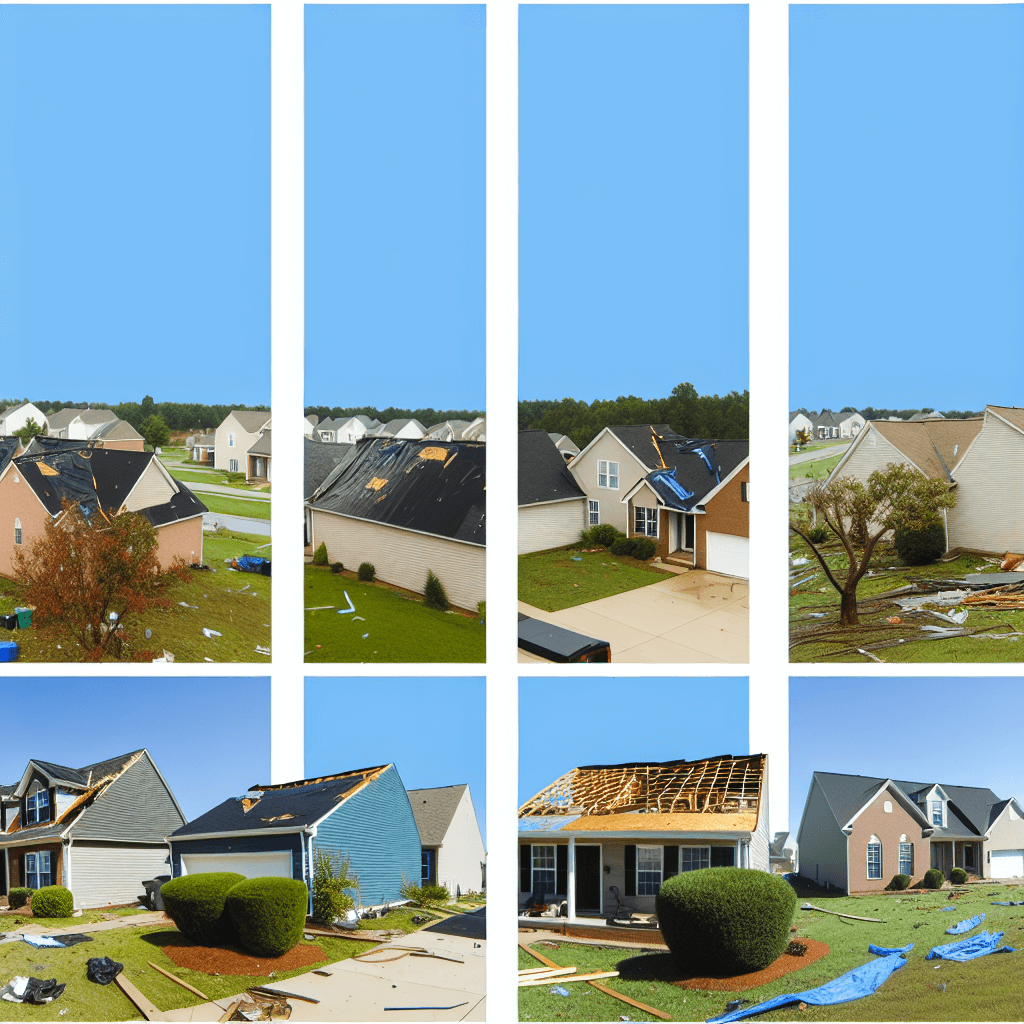
• Discover how to assess roof damage with a step-by-step guide after a storm strikes, ensuring safety and readiness for repairs.
• Learn to identify common signs of roof damage, from missing shingles to leaks, and understand the potential costs associated with storm damage.
• Get expert tips on when to call professionals for a thorough inspection and how to maintain your roof to withstand future storms.
Securing Your Roof, Securing Your Peace of Mind
Once the storm has subsided and you have assessed your roof for any visible damage, it's time to ensure that your findings lead to action. **Swift coordination with roofing professionals** can mitigate further damage and strategically address the repairs needed. It's not just about fixing what's broken; it's about reinforcing your home's defenses against the unpredictable climate. In the wake of a storm, this proactive approach exemplifies the adage that an ounce of prevention is worth a pound of cure. With an expert evaluation of your property, lingering concerns can be replaced with definitive solutions.
Gathering documented evidence of damage and submitting a timely insurance claim are critical next steps. An insurer’s prompt response can be facilitated by clear, detailed documentation of the impact and extent of the damage. **Navigating your roof insurance claims** can be complex, but proper guidance is available to make the process smoother; don't go at it alone. Professional help from a company that understands the nuances of insurance policies can be indispensable. For comprehensive support, look no further than Adam Quenneville's Roof Insurance Claims page to start on the right foot.
Expertise Matters: When to Turn to the Professionals
Analyzing your roof's condition post-storm is vital, but discerning which damages are superficial and which may have long-term implications requires an expert's insight. Experienced roofers can help distinguish between a quick fix and a full-scale repair job, offering tailored options that align with both your immediate safety concerns and long-term home maintenance goals. Understanding that **each home and roof has its unique challenges** is key in tailoring the right solution. Storm aftermath can often reveal the areas where your roof requires enhanced fortification, and addressing these weak spots early on prevents further issues. Consulting with a professional roofer ensures not just a restored roof, but also an optimized one, ready for whatever nature may bring next.
Understanding the Aftermath of a Storm
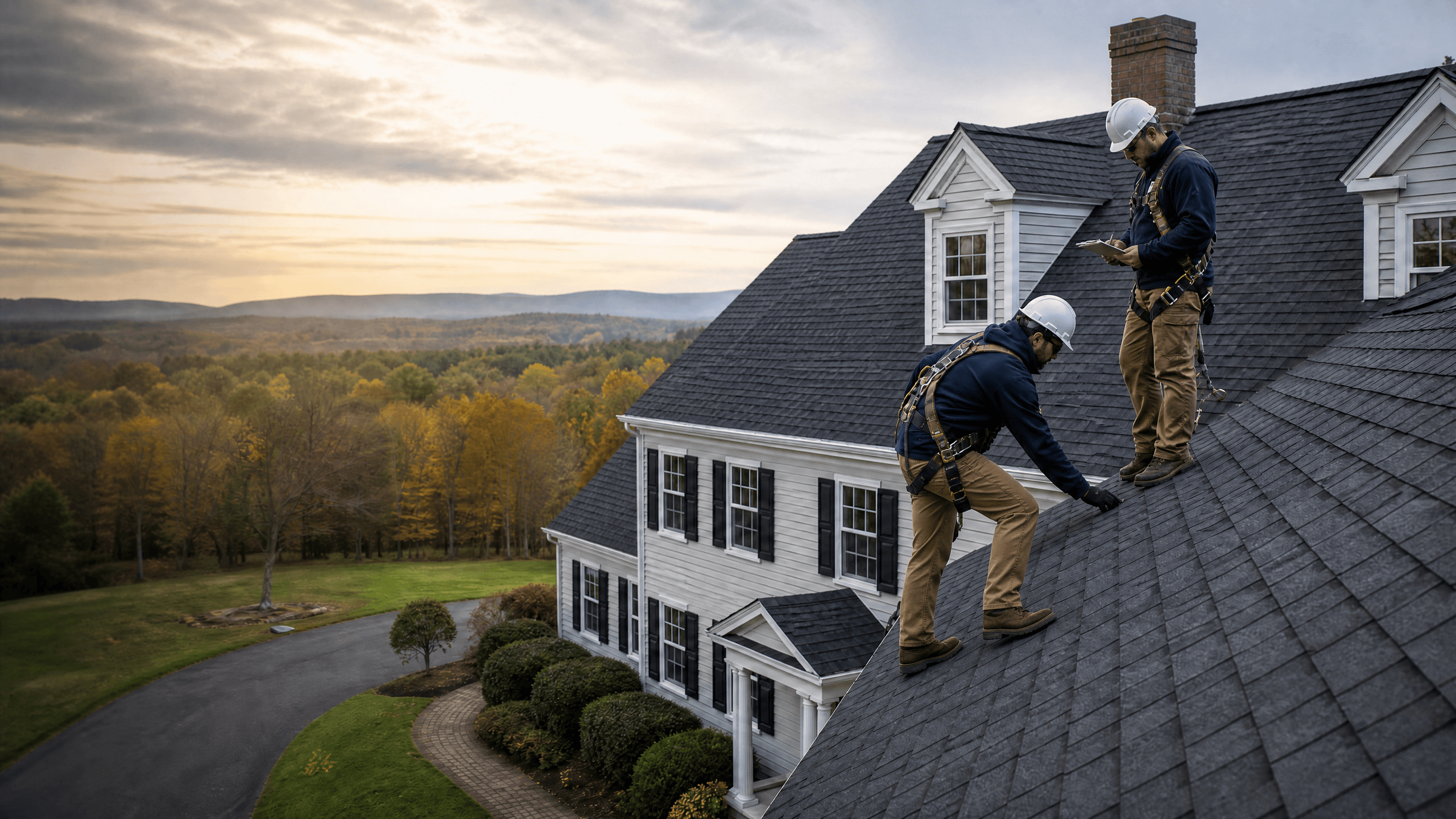
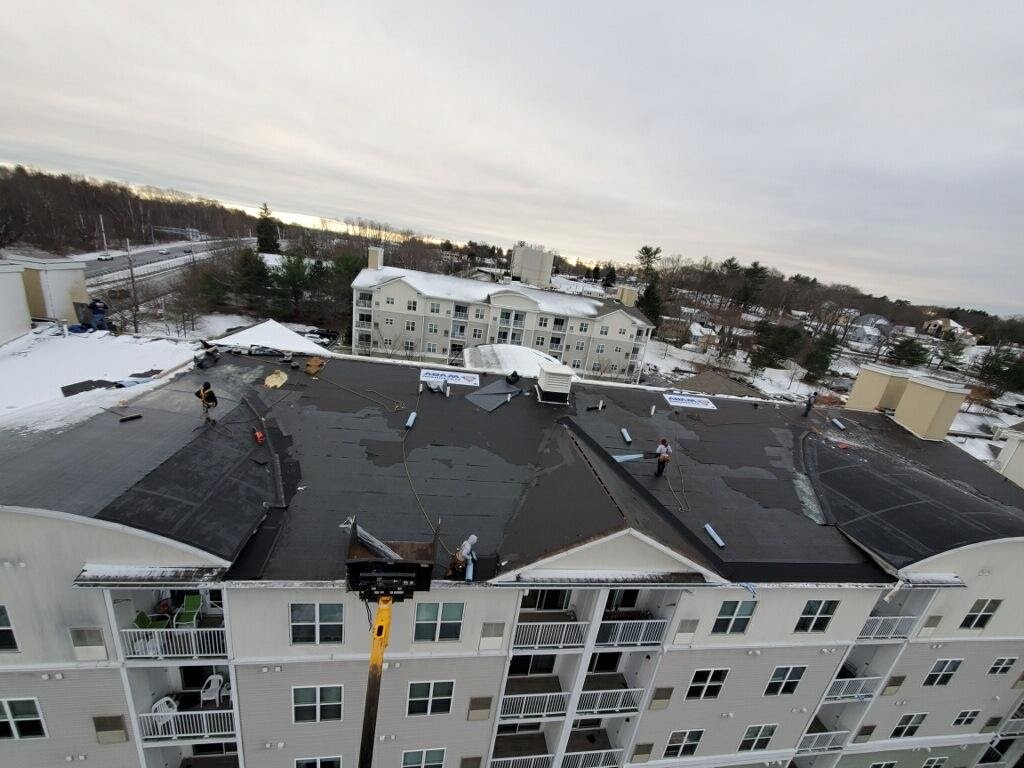
Staring out the window as dark clouds roll away, Connecticut homeowners know the storm has passed, but its impact may just be coming to light. The howl of the wind and the clatter of debris are ominous reminders that the safety of your home hinges on the integrity of your roof. **Checking for roof damage after a storm** isn't just about maintenance; it's a critical step to ensure your family's safety and avoid costly repairs down the line. Acting swiftly can be the difference between a minor fix and a major overhaul. In the calm that follows the tempest, taking prompt action to assess your home for damage is crucial.
The first clear day after the storm's fury is the ideal time for a preliminary roof inspection. As you survey your property, remember that some signs of damage are immediately apparent, like fallen branches or missing shingles, indicating your roof's battle with the elements. However, much like an iceberg, what's visible could just be the surface of deeper issues lying unseen. **Understandably, its overwhelming** to consider potential hidden damages, but recognizing the importance of this step is essential—your home's protection against future storms depends on its current resilience. This understanding drives the imperative to not only look for clear damage but also to be vigilant for subtle hints of roofing vulnerability.
Transitioning from worried homeowner to storm recovery advocate, there's comfort in knowing that a systematic approach exists for identifying possible damages. A well-informed plan can transform the daunting task of inspection into a manageable checklist: first, inspect shingles, gutters, and flashing from the ground; next, check your attic for leaks or water stains; finally, remember to document everything meticulously. **These initial steps don't replace professional assessment**; they are the starting point for safeguarding your home. Embrace this proactive role—your actions can significantly mitigate further damage and pave the way for effective repairs, should they be necessary.
Securing Your Roof, Securing Your Peace of Mind
Once the storm has subsided and you have assessed your roof for any visible damage, it's time to ensure that your findings lead to action. **Swift coordination with roofing professionals** can mitigate further damage and strategically address the repairs needed. It's not just about fixing what's broken; it's about reinforcing your home's defenses against the unpredictable climate. In the wake of a storm, this proactive approach exemplifies the adage that an ounce of prevention is worth a pound of cure. With an expert evaluation of your property, lingering concerns can be replaced with definitive solutions.
Gathering documented evidence of damage and submitting a timely insurance claim are critical next steps. An insurer’s prompt response can be facilitated by clear, detailed documentation of the impact and extent of the damage. **Navigating your roof insurance claims** can be complex, but proper guidance is available to make the process smoother; don't go at it alone. Professional help from a company that understands the nuances of insurance policies can be indispensable. For comprehensive support, look no further than Adam Quenneville's Roof Insurance Claims page to start on the right foot.
Expertise Matters: When to Turn to the Professionals
Analyzing your roof's condition post-storm is vital, but discerning which damages are superficial and which may have long-term implications requires an expert's insight. Experienced roofers can help distinguish between a quick fix and a full-scale repair job, offering tailored options that align with both your immediate safety concerns and long-term home maintenance goals. Understanding that **each home and roof has its unique challenges** is key in tailoring the right solution. Storm aftermath can often reveal the areas where your roof requires enhanced fortification, and addressing these weak spots early on prevents further issues. Consulting with a professional roofer ensures not just a restored roof, but also an optimized one, ready for whatever nature may bring next.
Insights From The Experts
Tip 1:
After a storm, perform a ground-level inspection to look for obvious damages, such as missing shingles or hanging gutters. If these issues are present, there's a higher chance of more severe damage above.
Tip 2:
Check your attic for leaks or water damage because these are early indicators of potential breaches in your roof's integrity. Catching these signs early can prevent more extensive and costly repairs.
Tip 3:
Document all damages before making temporary repairs, as this can be vital for insurance claims. Make sure to take clear photos or videos from multiple angles to provide a comprehensive view of the damage.
Tip 4:
Be cautious of structural damage; if you notice sagging in your roof or ceilings, stay clear of those areas and contact emergency roofing services immediately to prevent potential injury.
Tip 5:
Reach out to a reputable roofing contractor for a professional inspection, particularly after substantial weather events. Experts can spot less obvious damage and provide precise repair recommendations.
Your Roof Damage Questions Answered
What Are The Immediate Steps To Take When You Suspect Roof Damage After A Storm?
Immediately after a storm, assess the damage from the ground, document any visible signs of damage, and check internally for leaks or water spots. It's paramount to contact a professional roofer for a more detailed inspection and to avoid personal safety risks.
Can I Inspect The Roof Myself, Or Should I Call A Professional After Storm Damage?
While you can conduct a preliminary inspection yourself, involving a professional is crucial for a thorough assessment and to ensure that all damage, hidden or obvious, is documented and appropriately addressed.
What Signs Indicate That My Roof Has Sustained Damage From Hail Or Wind?
Hail damage usually looks like dents or dark spots on shingles, whereas wind may tear, curl, or remove shingles entirely – always check for these signs to identify roofing damage after a storm.
How Quickly Should I Seek Repair Services After Noticing Roof Damage?
Seek repair services immediately upon noticing damage to prevent further degradation of your roof's structure; delaying can exacerbate issues and potentially lead to more significant internal home damage.
Will My Homeowner’s Insurance Cover The Costs Of Storm-Related Roof Repairs?
Most homeowner’s insurance policies cover storm-related damages, but it's essential to verify your specific coverage details and file a claim promptly with all necessary documentation.
Morgan Bennett, Marketing Director
Morgan is the Marketing Director at Adam Quenneville Roofing & Siding, joining the team in 2024. She holds a bachelor’s degree in Marketing and Business and helps lead the company’s brand strategy, content, and customer education efforts. Morgan also plays a key role in AQ Cares, AQRS’s community outreach division, helping coordinate partnerships, volunteer initiatives, and local giving programs that support the neighborhoods we serve.
Topics: