Steps to Detect and Fix a Roof Leak: Your DIY Repair Guide
August 2nd, 2025
4 min read
• Identify common signs of a roof leak like water stains, peeling paint, and mold growth
• Learn step-by-step DIY tips for tracing and repairing a leak to prevent further damage
• Discover essential maintenance practices to extend your roof’s lifespan and avoid future issues
Recognizing the Red Flags of a Roof Leak
The first step in combating roof leaks is to recognize the telltale signs that trouble is brewing above your head. You might notice rustic brown stains sprawling across the ceilings or walls; this discoloration is a primary indicator of water damage. If the paint on your ceiling or walls begins to blister and peel, it's ringing alarms that you may have moisture seeping in. Another vivid sign to watch for is the growth of mold or mildew, which thrives in damp conditions and often manifests in dark spots or fuzzy patches.
Tracking Down the Culprit
Discovering the signs is only half the battle; locating where the water is breaching your sanctuary is crucial. During your investigation, trace the pathways of water marks and stains back to their source, which could be cunningly concealed. Often, the leak's entry point is deceptively distant from where the water finally makes its appearance. Remember, water is a master of disguise and can travel deceptive paths before revealing itself, so thoroughness is your best ally in this detective work.
Exterior Examination: Your Roof's SOS
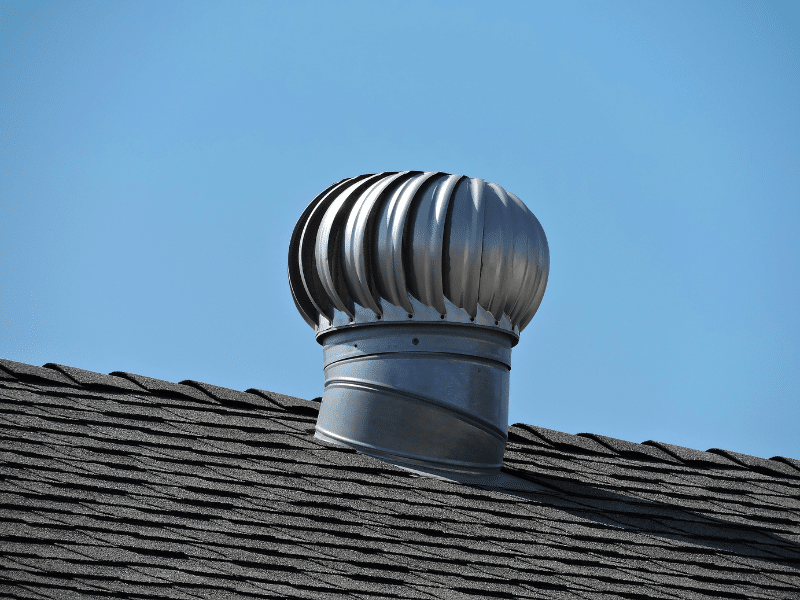
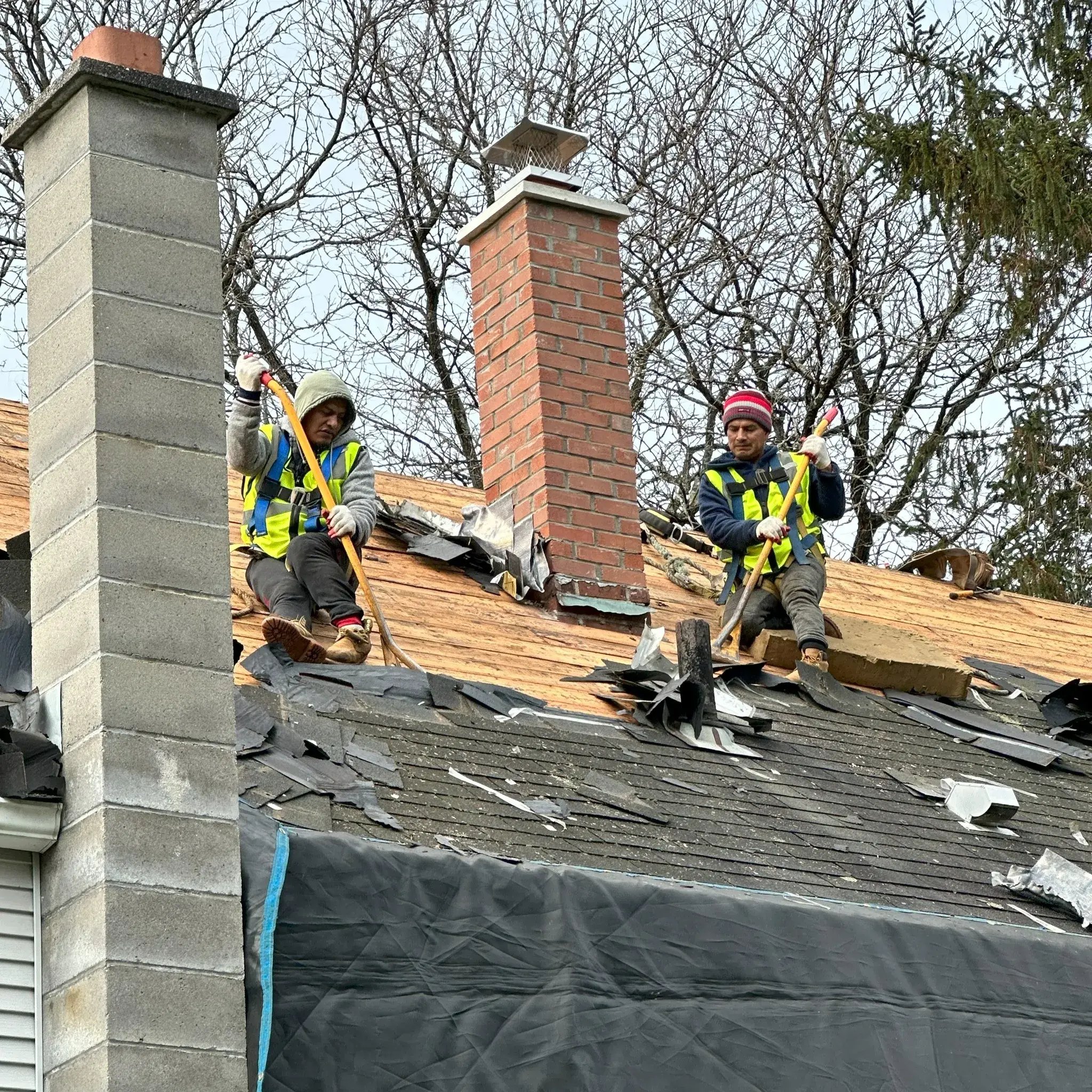
Once indoors signs point to an outdoor problem, it's time to take the search outside. Look for visual clues like missing or curled shingles, which are clear distress signals from your roof. Areas around protrusions—like chimneys or vent pipes—can be vulnerable points where flashing may fail, granting water an unauthorized entry. Don't overlook your gutters and downspouts; clogs here can force water back under your roof's protection, breaching its defenses and causing hidden havoc.
Acting Quickly to Prevent Damage
Once you've identified the possible source of the leak, it's time to take swift action to prevent any further damage to your home. Using a temporary yet effective solution like a waterproof tarp can help safeguard the affected area from the elements. It's important to secure the tarp properly to avoid additional damage from winds or storms, which are not uncommon during Maine summers. Meanwhile, assess the extent of any water damage inside to determine if the leak is a straightforward fix or if more extensive repairs are necessary.
Professional Evaluation and Repair
Sometimes a roof leak is a symptom of a larger issue that requires professional expertise to address. Swiftly seeking out a seasoned expert can help ensure that your home receives the attention it needs for a durable repair. Should the leak be beyond a simple DIY fix, don't hesitate to reach out to Adam Quenneville's team with over two decades of experience — a trusted local provider of residential and commercial roofing services. Tapping into professional services not only provides peace of mind but also ensures that repairs are carried out safely and effectively, keeping in line with the latest building standards and regulations.
Step 1: Identify Signs of a Leak
Begin by looking for obvious signs of water damage such as stains on ceilings, peeling paint, or mold growth. During daylight hours, check your attic for signs of water penetration or light coming through cracks.
Step 2: Locate the Source
Find the exact source of the leak by tracing the water damage inside your home back to its origin on the roof. Remember that water might travel from the point of entry to the spot where it's visible.
Step 3: Inspect the Roof Exterior
Examine your roof's exterior for missing, damaged, or aging shingles, as well as any breach in the roof flashing around vents, chimneys, or skylights.
Step 4: Check Gutters and Downspouts
Ensure that gutters and downspouts are clear of debris and properly channeling water away from the roof, as blockages can cause water to back up under the shingles.
Step 5: Limit Further Damage
If you've found a minor leak, temporarily contain the area with a tarp to prevent additional water from entering. This helps mitigate damage until repairs are performed.
Step 6: Assess the Damage
Determine the extent of the leak to understand whether this is a DIY job or if you need to call in professionals like Adam Quenneville, especially if structural damage is apparent.
Step 7: Repair the Leak
Perform small repairs such as replacing a few shingles or resealing roof flashing. Make sure you have the right tools and materials to effectively fix the leak.
Step 8: Conduct Regular Maintenance
Prevent future leaks through regular roof inspections and maintenance. Clear debris from the roof surface and gutters and check for signs of wear and tear to catch issues early.
Avoid These Common DIY Roof Repair Mistakes
Tackling roof repairs can be tempting for the avid DIYer, but even the most diligent homeowners can fall prey to common missteps. Knowing what pitfalls to avoid can save you time, money, and potentially prevent further damage to your home. Here's a rundown of the usual suspects in DIY roof repair blunders, and how to sidestep these errors during your maintenance endeavors.
Mistake 1: Ignoring Safety Precautions
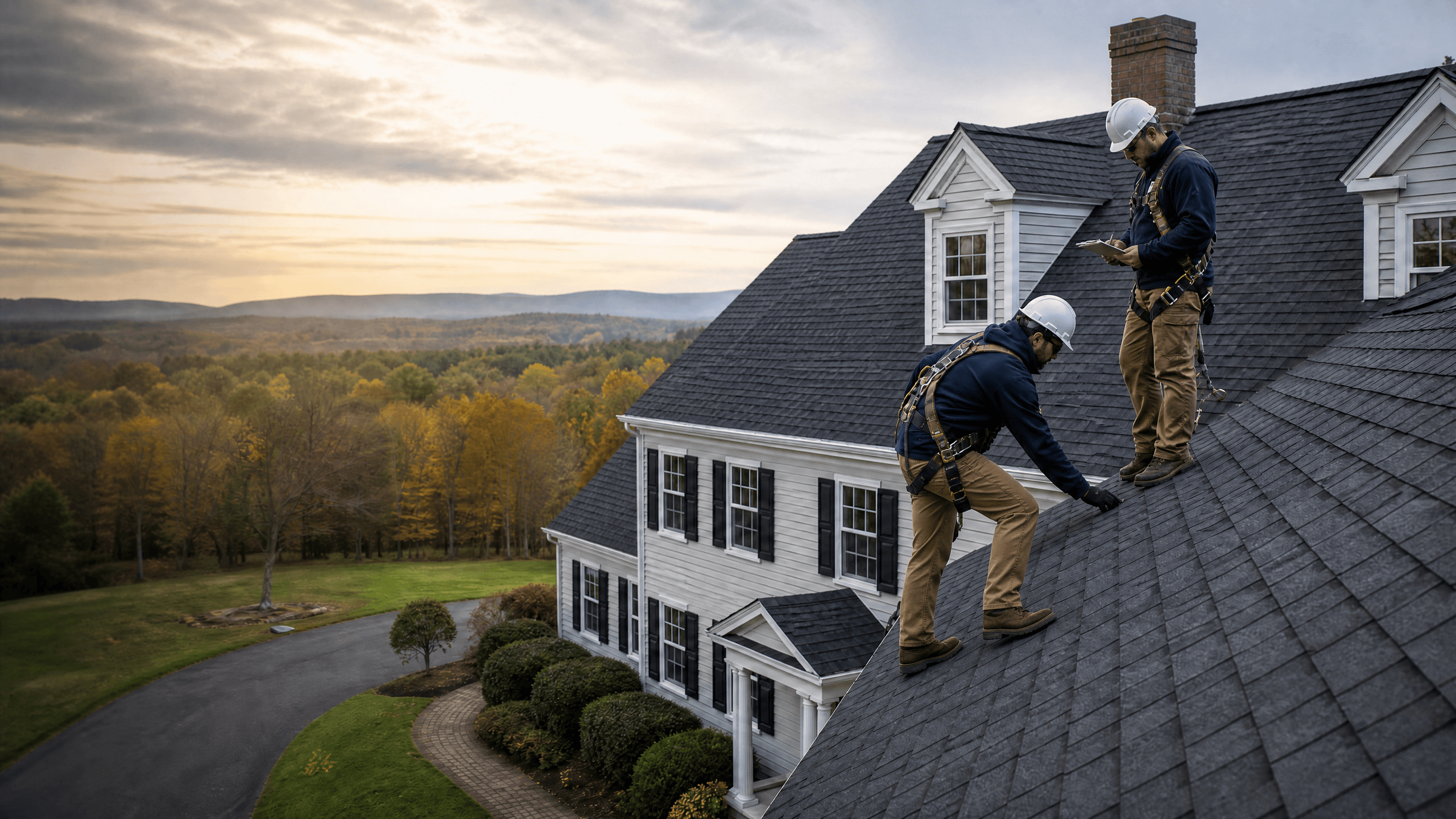
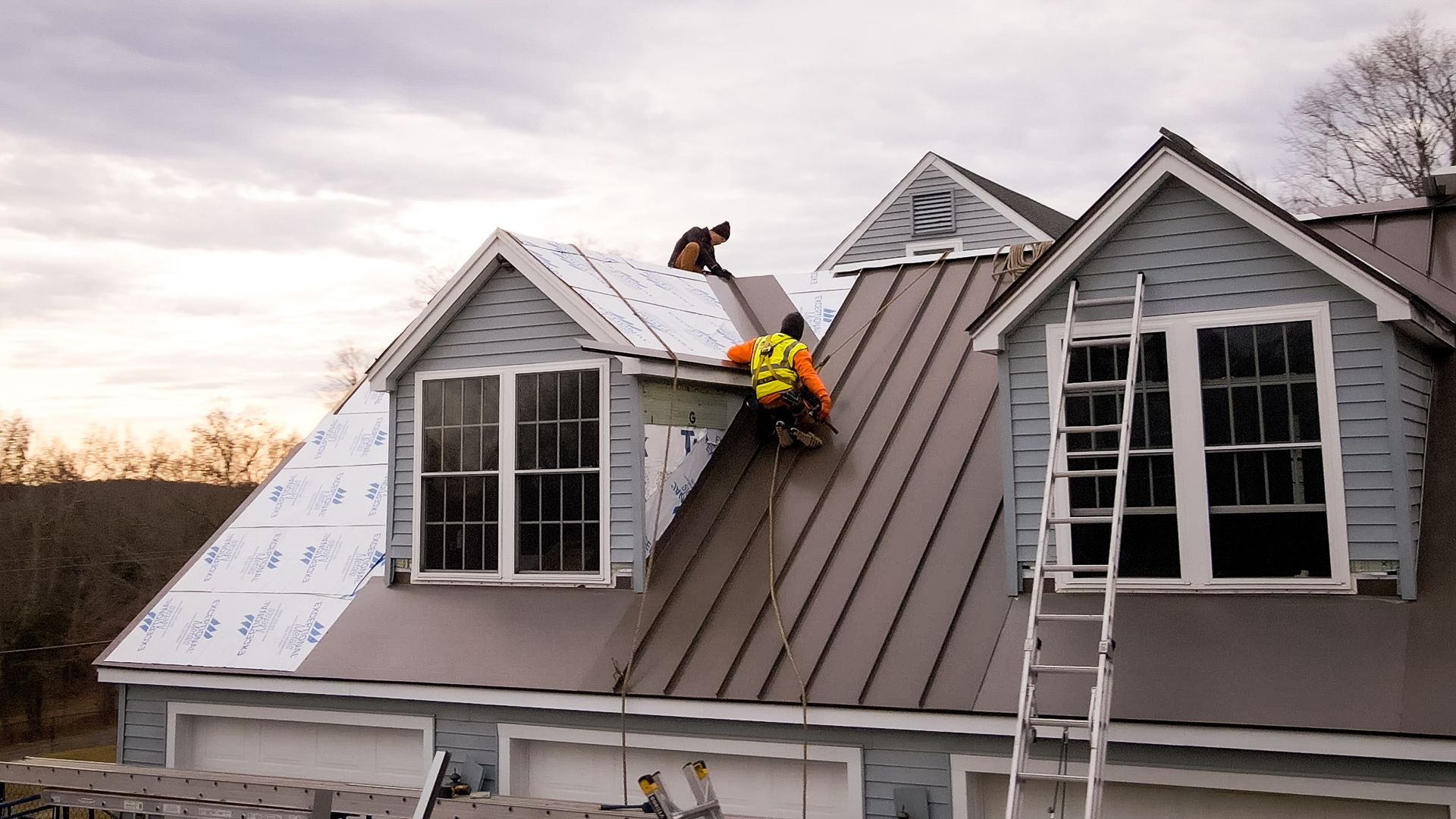
DIY roof repairs often lead to injuries due to neglect of proper safety gear and precautions. Ensuring you have a stable ladder, safety harness, and someone to spot you can prevent accidents. Always prioritize safety over haste when working on your roof.
Mistake 2: Inadequate Leak Investigation
A common oversight is to partially inspect the roof, missing the actual leak source and leading to unnecessary repairs. Take the time to thoroughly investigate the leak's origin—both inside and out—to correctly diagnose the issue. A methodical search saves you from patching the wrong spots.
Mistake 3: Using Mismatched Shingles
Some homeowners replace damaged shingles with the wrong type or color, which can affect the roof's integrity and aesthetic. Ensure you're using matching materials to maintain your roof's structure and to avoid a patchwork appearance.
Mistake 4: Neglecting Surrounding Areas
Focusing solely on the leak and ignoring potential problem areas nearby is a slip-up that can lead to future leaks. Examine neighboring shingles, flashing, and sealing to prevent adjacent issues from developing post-repair. Comprehensive maintenance is key for a lasting solution.
Mistake 5: Shoddy Flashing Repairs
Improperly repairing or replacing roof flashing can lead to further water infiltration. Understand the proper techniques for sealing and affixing flashing, or consider hiring a professional for tasks that require precision. Flashing is a crucial barrier against water and must be handled with care.
Mistake 6: Overlooking Gutter Maintenance
Gutters clogged with debris can contribute to roof leaks by allowing water to pool. Regularly clean gutters and ensure they are free of blockages to avoid water backup under your shingles. Consider investing in gutter guards for long-term prevention.
Taking these precautions in stride will streamline your DIY efforts and extend the longevity of your repairs. Always keep in mind, if a task seems out of your depth, consulting with professionals like Adam Quenneville can secure the job done right.
Maintenance: The Key to Longevity
Regular maintenance is paramount to avoiding the headache of unexpected leaks. By scheduling routine inspections, you can spot potential problems before they escalate into costly disasters. Adam Quenneville offers comprehensive roofing services that include thorough checks to ensure every inch of your roof is in top condition.
Embracing Preventative Strategies
Investing in preventative measures today can save your home from damage tomorrow. Ensure your gutters are clean, and your downspouts are directing water away from the foundation properly. Replace worn shingles and keep an eye for signs of wear and tear, as these small fixes can make a big difference in the lifespan of your roof.
Morgan Bennett, Marketing Director
Morgan is the Marketing Director at Adam Quenneville Roofing & Siding, joining the team in 2024. She holds a bachelor’s degree in Marketing and Business and helps lead the company’s brand strategy, content, and customer education efforts. Morgan also plays a key role in AQ Cares, AQRS’s community outreach division, helping coordinate partnerships, volunteer initiatives, and local giving programs that support the neighborhoods we serve.
Topics: