Sloping Roof Solutions For Vermont Homes: Your Springtime Guide
May 29th, 2025
5 min read
Conclusion: Protecting Your Home with the Right Sloping Roof Strategy
Throughout this article, we've underscored the importance of diligence when it comes to sloping roofs in Vermont. By understanding the significance of this element of your home, you can take proactive steps to ensure its longevity and functionality. As we conclude, it's important to reiterate the value of expert installations and the impact they have on the performance of your sloping roof. Such precision in installation guarantees that your home remains secure against the weather whims of Vermont, no matter the season. Remember, a small investment today in expert workmanship pays off in long-term protection and peace of mind.
When it comes to safeguarding your home, choosing the right provider for sloping roof services is paramount. This decision not only affects the immediate quality of the work but also the ongoing integrity and reliability of your roof. An established, trusted service provider will offer transparency, quality materials, and skilled labor to ensure that your roof remains hardy against the elements. For more information on securing professional services that meet the highest standards, consider our residential roofing options. A trustful partnership with a reputable service ensures a sturdy, enduring roof over your head.
In the final analysis, it becomes clear that having an informed approach to sloping roof maintenance and installation is invaluable. We have seen that routine inspections, appropriate material selection, and professional installations are not just recommendations—they are essential practices. These steps, taken together, contribute to a sloping roof that not only withstands Vermont's tough climate but also enhances the energy efficiency and aesthetic appeal of your home. With the insights and tips provided, you’re now better equipped to make informed decisions that will fortify your home through the seasons. Stay vigilant, stay informed, and ensure your sloping roof remains a testament to your home's resilience and comfort.
Why Sloping Roofs Matter This Spring in Vermont
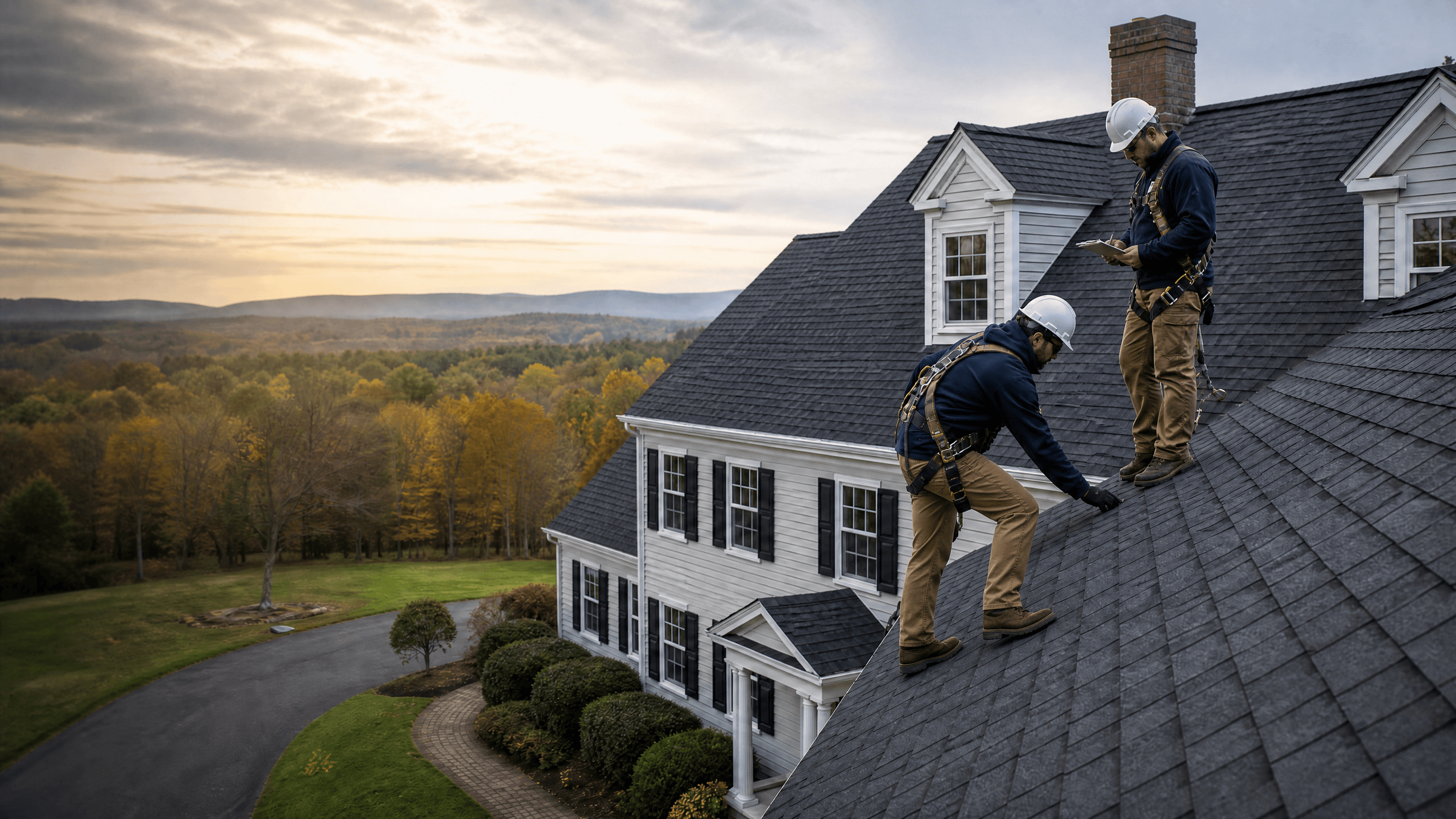
As Vermont thaws from the clutches of winter, homeowners must turn their attention to the upkeep of their homes, with a particular focus on sloping roofs. The consequences of neglecting such an essential part of your home's structure can be dire, leading to significant damage and costly repairs. A well-maintained sloping roof is not just a matter of aesthetics; it is a critical barrier against the elements, protecting everything underneath. With spring's arrival, assessing your roof's condition is both practical and imperative to prevent water infiltration. Ensuring the integrity of your sloping roof now can save you from the headache of emergency repairs during the unpredictable weather ahead.
It's no secret that sloping roofs in Vermont have a tough job year-round, facing heavy snowfall in the winter and intense rainfall as spring approaches. As such, the risk of deterioration is high without proper care, necessitating a proactive approach to maintenance. Recognizing early warning signs, such as sagging or discolored patches, can prevent long-term damage that may not be readily visible. Familiarizing oneself with these signs means being able to act swiftly should issues arise. Moreover, addressing these concerns early can extend the life of your roof and ensure continued protection for your home.
Capitalizing on the benefits of a properly installed and maintained sloping roof can result in long-term savings and peace of mind. Opting for the right materials and installation methods, tailored to Vermont's unique climate and weather patterns, can enhance the durability and performance of your roof. For instance, roofs with insufficient slope may not drain effectively, leading to standing water and potential leaks. By ensuring a minimum slope adapted to your specific environment, you can maximize drainage efficiency and safeguard your home against water damage. Investing in these vital aspects can dramatically impact your roof's ability to withstand the seasonal shifts characteristic of Vermont’s climate.
Conclusion: Protecting Your Home with the Right Sloping Roof Strategy
Throughout this article, we've underscored the importance of diligence when it comes to sloping roofs in Vermont. By understanding the significance of this element of your home, you can take proactive steps to ensure its longevity and functionality. As we conclude, it's important to reiterate the value of expert installations and the impact they have on the performance of your sloping roof. Such precision in installation guarantees that your home remains secure against the weather whims of Vermont, no matter the season. Remember, a small investment today in expert workmanship pays off in long-term protection and peace of mind.
When it comes to safeguarding your home, choosing the right provider for sloping roof services is paramount. This decision not only affects the immediate quality of the work but also the ongoing integrity and reliability of your roof. An established, trusted service provider will offer transparency, quality materials, and skilled labor to ensure that your roof remains hardy against the elements. For more information on securing professional services that meet the highest standards, consider our residential roofing options. A trustful partnership with a reputable service ensures a sturdy, enduring roof over your head.
In the final analysis, it becomes clear that having an informed approach to sloping roof maintenance and installation is invaluable. We have seen that routine inspections, appropriate material selection, and professional installations are not just recommendations—they are essential practices. These steps, taken together, contribute to a sloping roof that not only withstands Vermont's tough climate but also enhances the energy efficiency and aesthetic appeal of your home. With the insights and tips provided, you’re now better equipped to make informed decisions that will fortify your home through the seasons. Stay vigilant, stay informed, and ensure your sloping roof remains a testament to your home's resilience and comfort.
Insights From The Experts
Tip 1:
To ensure your sloping roof handles Vermont's rainfall efficiently, always design or remodel with a slope greater than the minimum recommended angle. This foresight can prevent costly water damage and extend the roof's lifespan.
Tip 2:
Selecting the right materials is critical for sloping roofs in Vermont, especially with its weather peculiarities. Look for materials rated for high snow loads and durability in freezing temperatures, like metal or asphalt with a good weight-to-durability ratio.
Tip 3:
While some adventurous homeowners might consider installing a sloping roof themselves, professional installation can make a significant difference. Specialists can address nuanced aspects like local climate considerations and proper insulation, which can be vital for longevity and energy efficiency.
Tip 4:
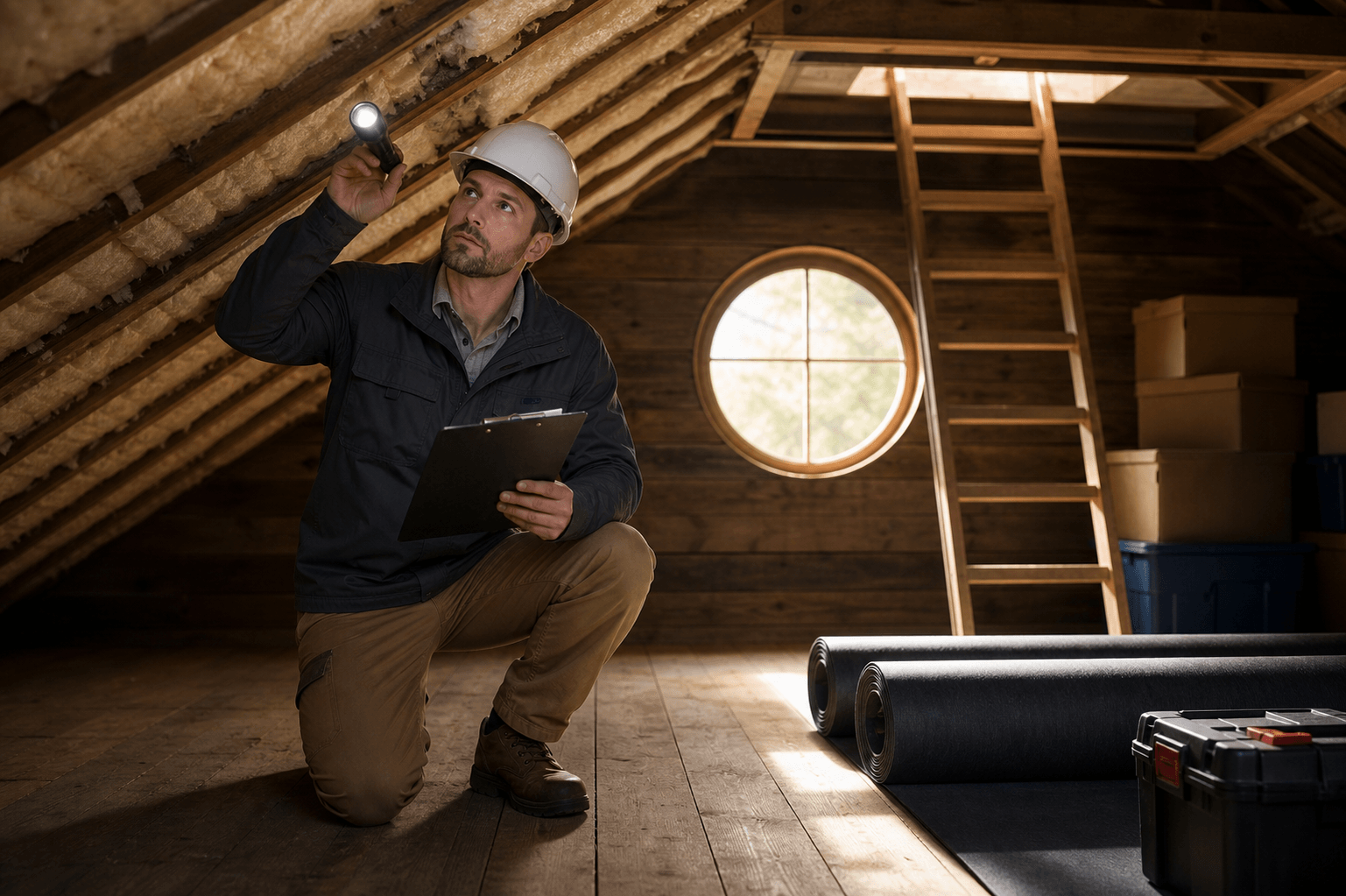
Keep an eye out for warning signs such as missing shingles, sagging, or discoloration on your sloping roof. These could indicate underlying issues that, if caught early, can save you from more extensive repairs down the line.
Tip 5:
Understanding how Vermont's seasonal changes affect your sloping roof can help in planning preventive maintenance. For instance, regular inspections in the spring can catch damage from winter's snow and ice, ensuring your roof is ready to protect your home throughout the year.
Expert Answers to Your Sloping Roof Queries
1. How do I determine the necessary slope for a sloping roof in Vermont to ensure proper water drainage and avoid ponding?
To determine the optimal slope for a sloping roof in Vermont, you must consider local building codes and the typical snowfall and rainfall patterns. Generally, a slope of at least 1:6 (9.5 degrees) is recommended, but local professionals can offer precise calculations tailored to your home and climate conditions.
2. What are the best materials to use for a sloping roof in areas with heavy snowfall or rainfall?
For areas with heavy precipitation, materials like metal, slate, or asphalt shingles designed for high performance in snow and rain are best due to their durability and water-shedding capabilities.
3. Can I install a sloping roof myself, or should I hire a professional?
It is highly recommended to hire a professional for sloping roof installation as they have the expertise to address complex factors like Vermont's climate, ensuring a safe and effective roof structure.
4. What are the signs that my sloping roof needs maintenance or repairs?
Signs that indicate your sloping roof needs attention include visible sagging, missing or damaged shingles, water stains on the ceiling, persistent leaks, or overflows from gutters.
5. How does weather in Vermont affect the lifespan of a sloping roof?
Vermont's harsh winters and varied climate can expedite wear and tear on sloping roofs; however, with proper materials and maintenance, these effects can be mitigated to ensure a longer lifespan.
Morgan Bennett, Marketing Director
Morgan is the Marketing Director at Adam Quenneville Roofing & Siding, joining the team in 2024. She holds a bachelor’s degree in Marketing and Business and helps lead the company’s brand strategy, content, and customer education efforts. Morgan also plays a key role in AQ Cares, AQRS’s community outreach division, helping coordinate partnerships, volunteer initiatives, and local giving programs that support the neighborhoods we serve.
Topics: