How Siding Protects Your Home During Storms: A Step-by-Step Guide
September 13th, 2025
4 min read
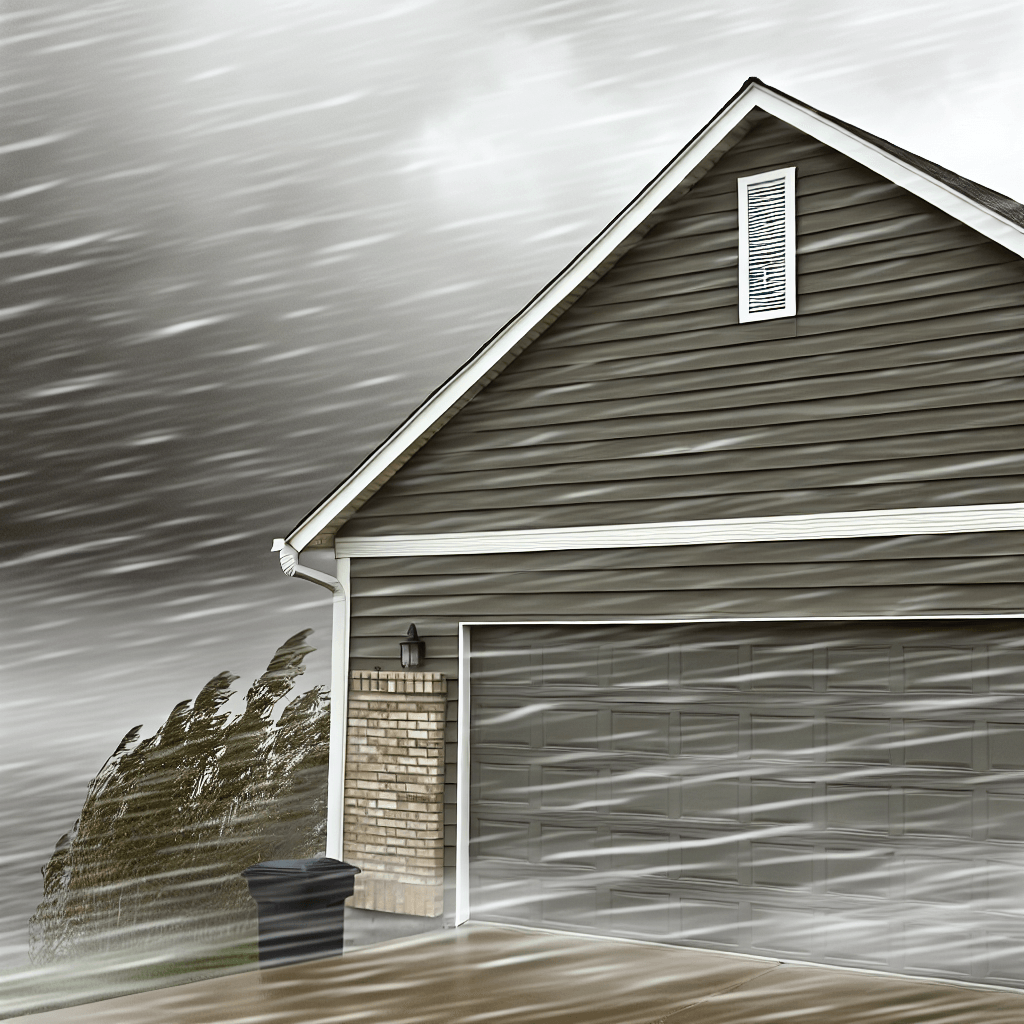
• Uncover how siding acts as a shield for your home, safeguarding against the ravages of storms.
• Step-by-step exploration of the functions of siding in storm protection, detailing its role in moisture prevention and structural integrity.
• Discover professional recommendations for selecting and maintaining siding to ensure maximum security during inclement weather.
Identifying the Signs: Is Your Siding Storm-Ready?
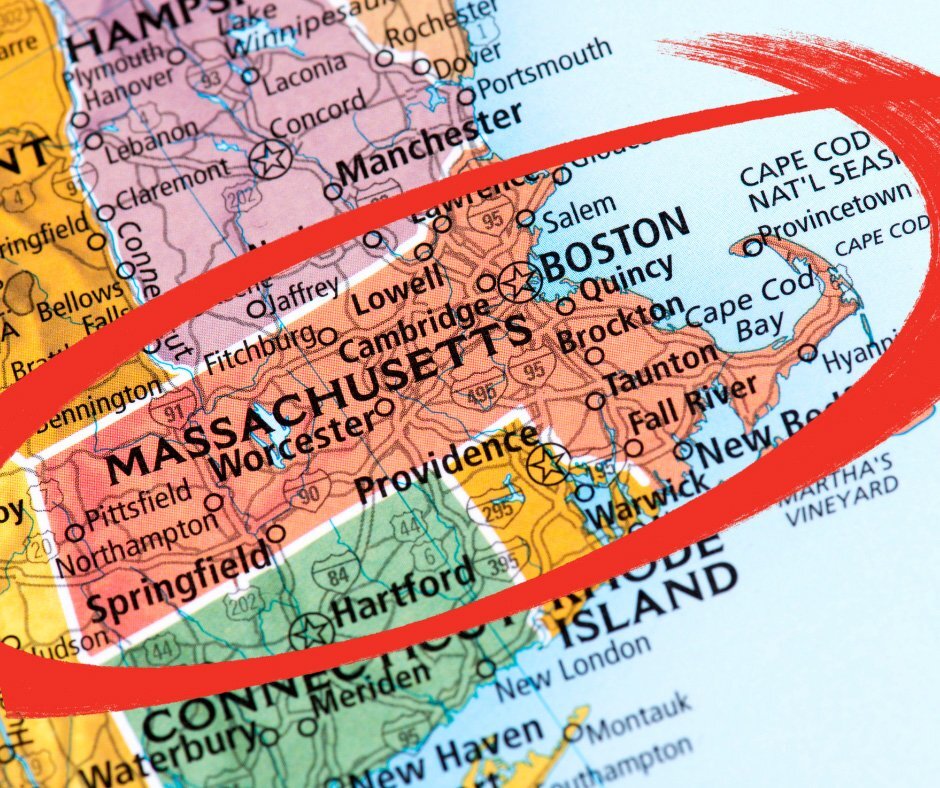
As the calm breezes of summer transition into the unpredictable gusts of fall in Massachusetts, the siding on your home faces the daunting task of shielding you from nature’s fury. It's crucial to recognize the warnings that your home's armor may not stand up to the test. Visible signs, such as warped or bulging panels, suggest that the siding is compromised and may allow water to infiltrate during a downpour. This initial step is both an art and a science—requiring a keen eye for subtle faults and an understanding of the potential impact of any damage.
Choosing Materials That Endure the Storm
When considering how siding protects your home during storms, the material is your foundational line of defense. Look beyond aesthetics; materials like vinyl and fiber cement boast resilience against high winds and relentless rain—vital attributes for peace of mind during the storm season. Your choice will determine the integrity of your home's defense against the forces of nature, making it a decision that should not be taken lightly nor made in haste.
Installation and Maintenance: The Make or Break Factors
Even the sturdiest siding can succumb to storms if not installed correctly. Ensure that your investment is in the hands of skilled professionals who understand the nuances of properly fortifying your home against harsh weather. But the responsibility doesn't end once the contractors leave; regular inspections and timely repairs are non-negotiable habits for upholding siding’s protective capabilities. Together, choosing the right material and maintaining diligent care form the cornerstone of safeguarding your home season after season.
Sealing the Deal: Siding Security Measures
Quality installation sets the stage, but the devil lies in the details—joints and seals matter immensely. It’s in these small crevices and gaps where stormwater finds a passage, turning a drizzle into a deluge within your walls. To combat this, ensure that every joint, corner, and end is meticulously sealed with the appropriate caulking and sealant, an action akin to locking the doors before a storm. These seals act as the glue holding the battlements together, safeguarding the sanctuary that is your home.
Maintain to Sustain: The Long-Term Care of Your Siding
After the storm clouds roll away, and the winds die down, a calm assessment is needed. Consistent checks and repairs are not merely a recommendation but a necessity to extend the life of your siding and, by extension, your home. Encounter a problem? Don’t let it fester; the small chip from today's hail can become tomorrow's breach during a nor’easter. Connect with our experienced team via Adam Quenneville's comprehensive siding services for post-storm inspections and upkeep, ensuring your home remains an impervious fortress.
Step 1: Evaluate Your Home's Current Siding Condition
Check your home's siding for any existing damage, wear, or areas where water or debris could penetrate. Look for cracks, holes, and loose panels that could leave your home vulnerable during a storm.
Step 2: Choose the Right Siding Material
Research siding materials that are known for their durability and resistance to high winds, heavy rain, and flying debris. Materials like vinyl, fiber cement, and engineered wood are popular options for storm protection.
Step 3: Ensure Proper Siding Installation
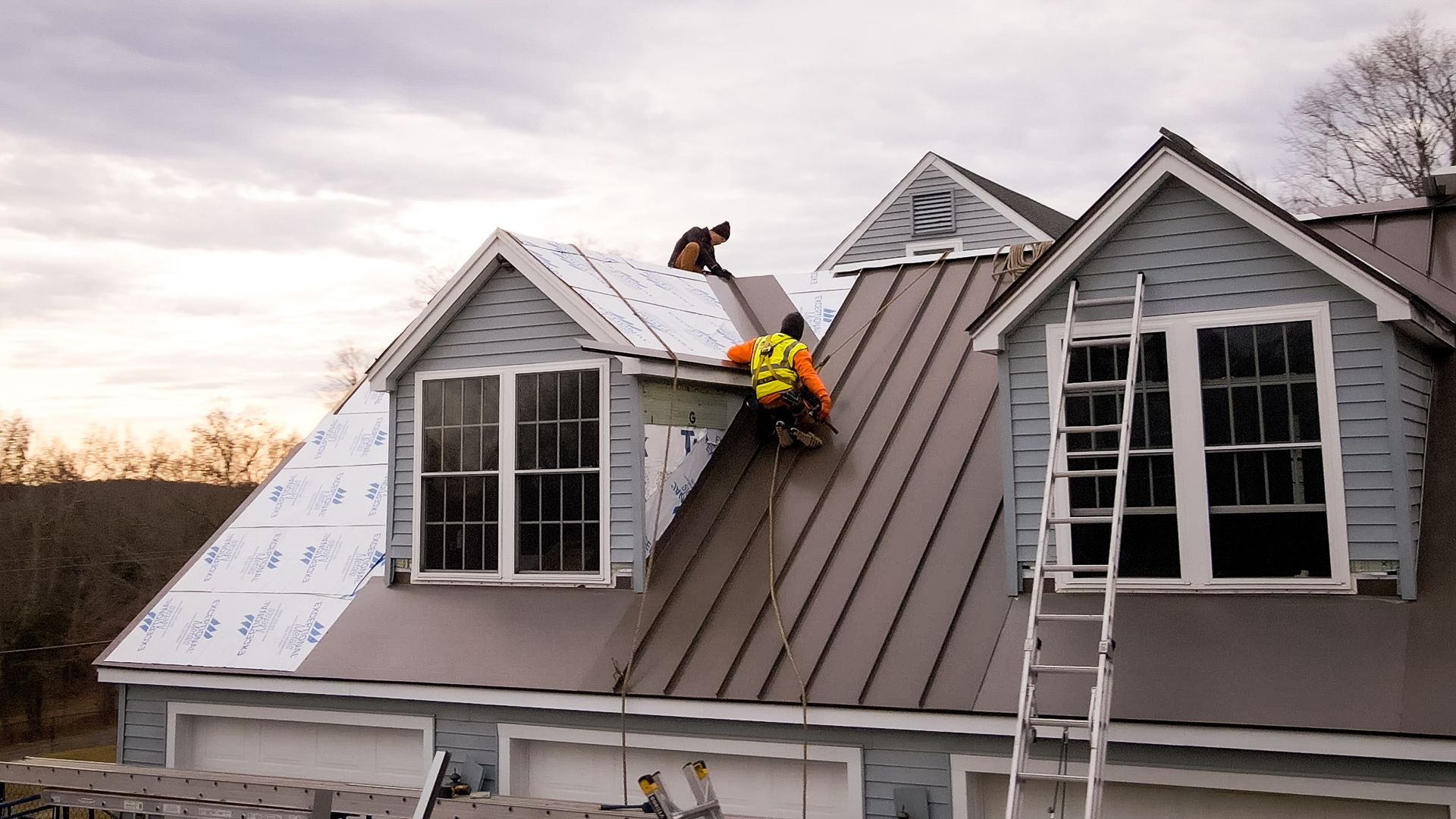
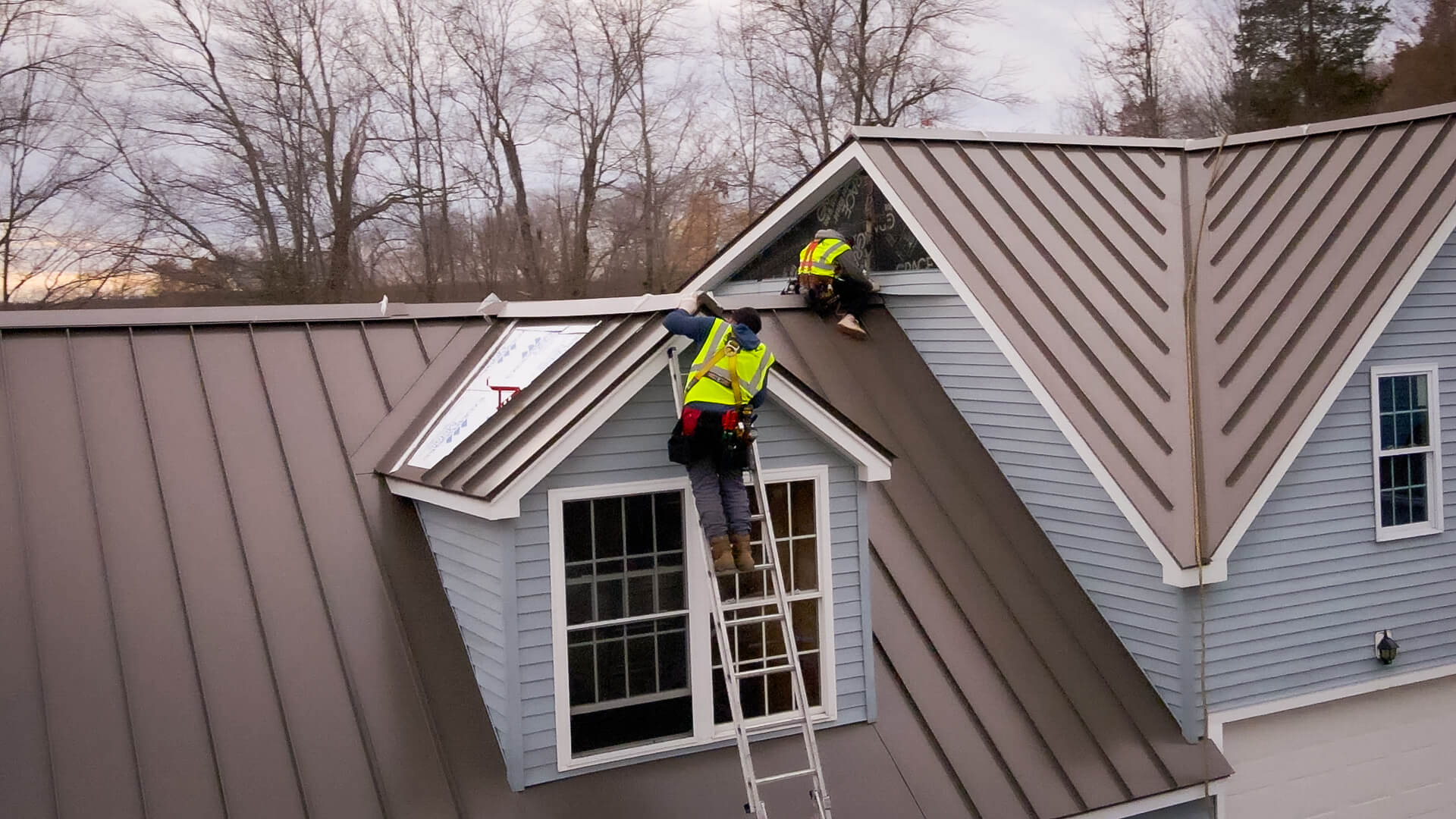
Hire a professional contractor with experience in installing siding in storm-prone areas. Proper installation is critical to prevent water intrusion and withstand high winds.
Step 4: Seal All Joints and Edges
Make sure that all seams between siding panels, as well as the edges around windows and doors, are properly sealed to prevent water from getting behind the siding during a storm.
Step 5: Inspect and Repair Your Siding Regularly
After every major storm, inspect your siding for damage. Prompt repairs are essential to maintain the protective barrier of your home's exterior.
Step 6: Trim Trees and Remove Potential Debris
Cut back any overhanging tree branches that could fall and damage your siding during a storm. Clear your yard of loose items that could be picked up by strong winds.
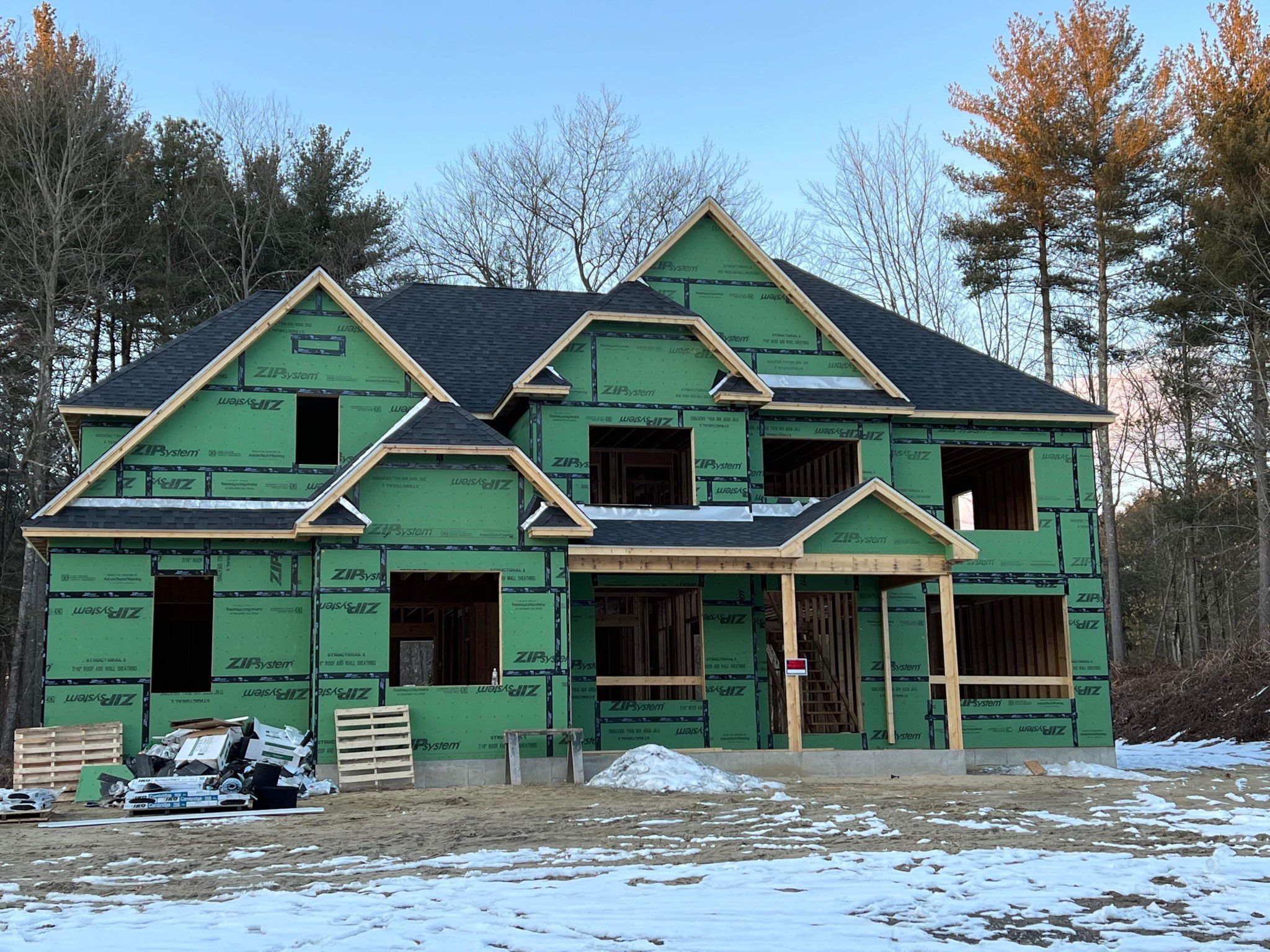
Step 7: Install a Water-Resistive Barrier
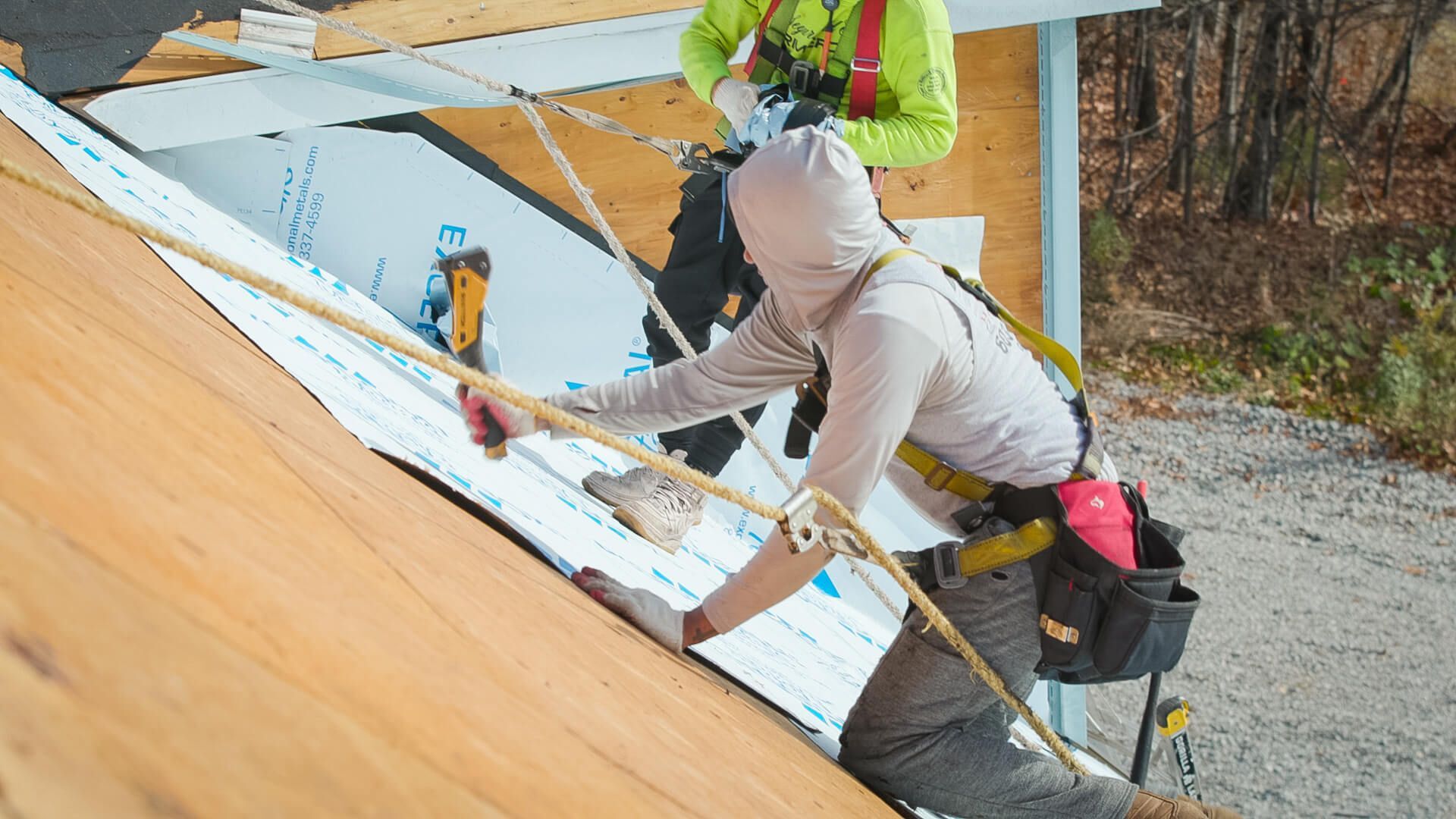
Before the siding is installed, ensure that a water-resistive barrier is in place to add an extra layer of protection against moisture.
Step 8: Consider Additional Storm Protection Measures
Depending on your region's storm intensity, consider additional protective measures like storm shutters for windows or a weatherproof house wrap underneath the siding.
Avoiding Common DIY Siding Mistakes
Embarking on the DIY journey to reinforce your home's siding can save on costs, but without the proper know-how, it can lead to costly errors. From improper material selection to inadequate sealing, the repercussions of these mistakes can leave your home more vulnerable in the middle of storm season. Stay aware of the pitfalls, and your efforts in safeguarding your home will be both effective and enduring.
Mistake 1: Choosing Low-Quality Siding Material
Opting for low-cost siding might seem economical, but it could mean compromising on durability. Many homeowners choose materials based solely on price without considering the long-term impact of New England's harsh weather. Always select materials proven to withstand stormy conditions, like the resilient vinyl or fiber cement recommended in our guide.
Mistake 2: Neglecting Proper Sealant Use
Skipping the sealant or using the wrong type is a common error. Joints and edges are critical points where water can enter; using a weather-resistant sealant specifically designed for siding is imperative. Check sealant compatibility with your chosen siding material and apply it meticulously.
Mistake 3: Ignoring Proper Siding Installation Techniques
Siding installation is a task that requires precision and knowledge of local building codes and weather patterns. Improperly installed siding can be easily torn off by storm winds or allow moisture intrusion. Follow manufacturer guidelines and local regulations closely or, better yet, hire a professional with the experience described in Step 3 of our guide.
Mistake 4: Inadequate Regular Inspection and Maintenance
As time passes, it's easy to assume that siding is just fine, but regular inspection and quick repairs are key for longevity and storm resistance. Small signs of damage can become significant problems if left untreated. Set a schedule for inspection, particularly after storms, to ensure any damage is dealt with promptly, as advised in Step 5 of our guide.
By familiarizing yourself with these common pitfalls and adhering to the outlined steps, your DIY siding project should lead to a storm-resistant outcome that stands the test of time.
Extra Measures for Exceptional Protection
No fortification is complete without considering additional lines of defense. Advanced storm protection measures, like the strategic installation of storm shutters or the application of weatherproof house wraps, can provide extra security against relentless New England weather. It's not just about sustainability; this is about investing in assurance and tranquility for your family during the fierce storm seasons.
Facing the Storm with Confidence
With each step taken towards securing and enhancing your siding, you fortify your home's resilience against nature's unpredictable moods. The peace of mind that comes with preparedness cannot be overstated—knowing that when the winds howl, your home will stand strong. If you're contemplating an upgrade or seeking advice on storm-proofing your siding, our experts are here to guide you; explore our residential roofing and siding solutions to protect your home comprehensively.
Morgan Bennett, Marketing Director
Morgan is the Marketing Director at Adam Quenneville Roofing & Siding, joining the team in 2024. She holds a bachelor’s degree in Marketing and Business and helps lead the company’s brand strategy, content, and customer education efforts. Morgan also plays a key role in AQ Cares, AQRS’s community outreach division, helping coordinate partnerships, volunteer initiatives, and local giving programs that support the neighborhoods we serve.
Topics: