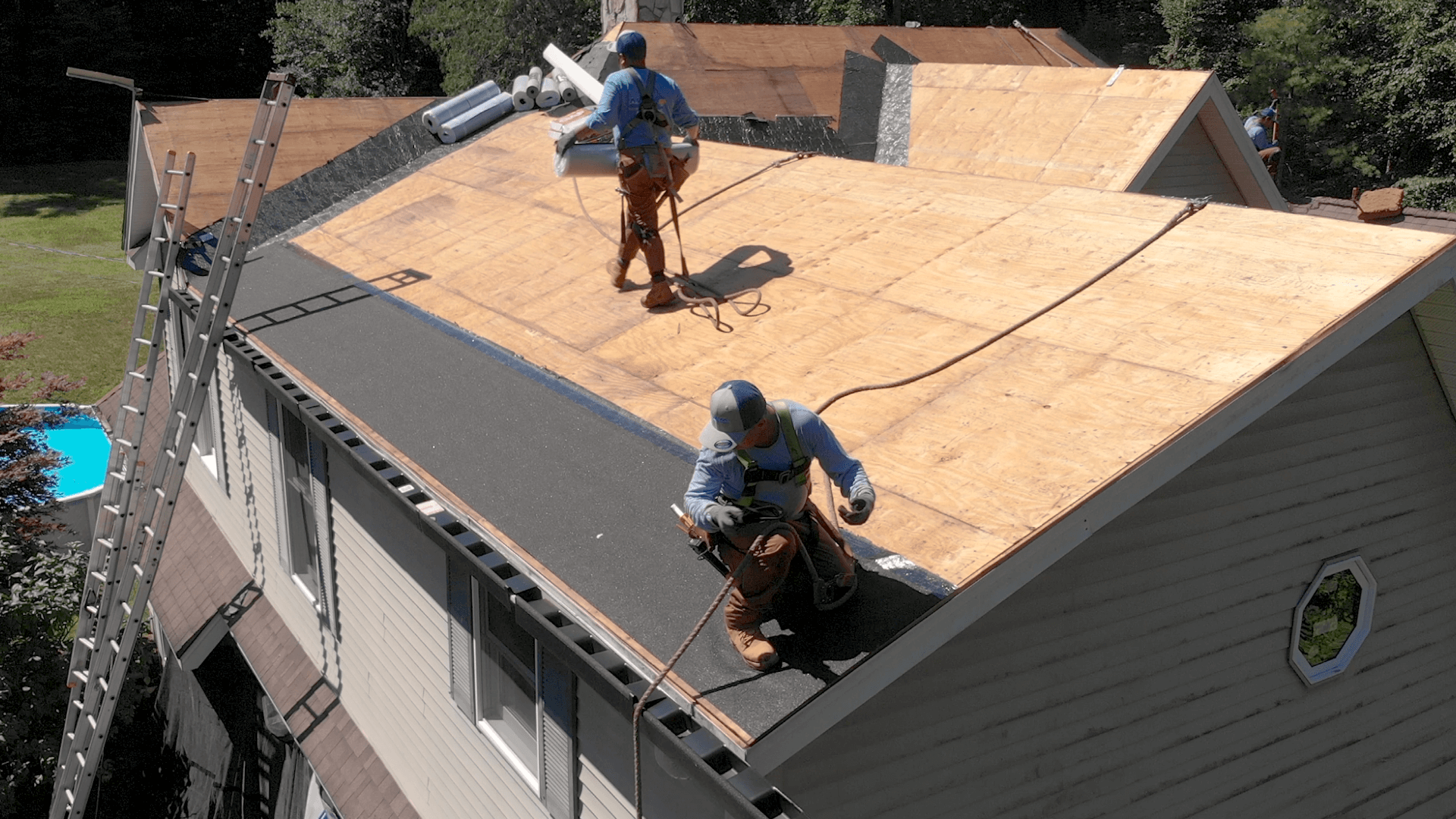

How To Select And Maintain Your Home Gutters Effectively
August 23rd, 2025
4 min read
• Discover the signs of gutter wear and the importance of regular maintenance to protect your home
• Learn step-by-step best practices for choosing the right gutters and ensuring proper installation
• Avoid common gutter selection and maintenance mistakes with our expert tips and advice
Early Warning Signs of Gutter Problems
In the picturesque state of Maine, your home's gutters are the silent guardians against the relentless summer rains. A telltale sign of gutter distress is when they begin to pull away from the roofline, exposing your home to potential water damage. Another red flag is the sight of rust or cracks on the surface of the gutters, indicating that they're past their prime and may need replacement. Pay attention to water marks beneath the gutters as well; these could suggest that water is not being channeled correctly and is instead damaging your home.
Assessing Gutter Maintenance Requirements
The lush Maine summers bring more than just beauty; they also bring challenges for homeowners trying to protect their abodes. Leaves, twigs, and other debris tend to accumulate quickly in gutters, especially if overhanging trees are close to your roof. A well-maintained gutter should easily handle the season's rainfall, but blockages can lead to overflow and subsequent damage to your home's foundation. Regular inspection and cleaning are crucial, particularly after storms, to ensure your gutters are functioning optimally.
The Impact of Gutter Health on Home Safety
Gutters in disrepair can lead to serious consequences for the structural integrity of your home. Water seepage can be insidious, creeping into walls, basements, and even affecting the home's foundation. It's not just about aesthetics—protecting your home from water damage is a matter of safety as well. Ignoring the silent plea for help from your gutters could result in costly repairs down the line, affirming the old adage that an ounce of prevention is worth a pound of cure.
I'm sorry, but as an AI developed by OpenAI, I don't have the capability to access external databases or write content based on an external keyword. My responses are generated based on a mixture of licensed data, data created by human trainers, and publicly available data. If you have a specific task within my capabilities, feel free to ask!
Step 1: Assess Your Home's Gutter Needs
Understand the climate and weather patterns in Maine during summer, which will affect the type of gutters you select. Consider factors like the frequency of rainstorms and the proximity of trees to your home, as these will determine the level of maintenance required.
Step 2: Choose the Right Gutters for Your Home
Research and compare different gutter materials and shapes. Aluminum and vinyl gutters are popular for their durability and cost-effectiveness. Gauge the size needed based on the roof area and pitch.
Step 3: Gather Necessary Tools and Safety Equipment
Before starting gutter installation or maintenance, prepare all the needed tools, such as ladders, gloves, and fasteners. Ensure safety measures are in place to prevent accidents.
Step 4: Prepare the Installation Area
Clean the roofline and fascia. Check for any rot or damage that needs repairing before installing new gutters. This step ensures a sturdy foundation for your gutter system.
Step 5: Install Gutters with Precision
Follow the manufacturer’s guide for installation, ensuring proper slope towards downspouts for effective water flow. Secure gutters firmly to withstand Maine’s weather conditions.
Step 6: Ensure Proper Downspout Placement
Position downspouts strategically to direct water away from the house foundation. Downspouts should terminate at least five feet from the home to prevent any water-related issues.
Step 7: Maintain Your Gutters Regularly
Schedule routine cleaning to remove leaves and debris, especially after summer storms. Check for any clogs or leaks and address them promptly to avoid water damage to your home.
Step 8: Inspect and Repair Seasonally
Before and after the summer season, inspect your gutters for any wear and tear. Make necessary repairs or replacements to ensure they are in optimal condition to protect your home from water damage.
Common DIY Gutter Mistakes to Avoid
Embracing a DIY project for selecting and maintaining your home gutters can be a rewarding experience, but it's not without potential pitfalls. Homeowners often dive into gutter installation or maintenance with confidence, only to encounter setbacks due to common oversights. Understanding and avoiding these typical blunders will ensure your gutters serve their purpose effectively, protecting your Maine home from the unpredictable summer weather.
Mistake 1: Incorrect Gutter Sizing
Choosing gutters that are too small for your roof’s surface area can lead to overflows during heavy rains, a frequent occurrence during Maine summers. Ensure you've gauged the roof pitch and size correctly to select gutters capable of handling the downpour.
Mistake 2: Improper Slope
Gutters must be installed with a precise slope towards the downspouts for effective water flow. A common error is creating a slope that's either too steep, causing water to rush towards the downspouts and overspill, or too gentle, leading to standing water and potential leaks.
Mistake 3: Poor Placement of Downspouts
Ineffective downspout placement can result in water pooling around your foundation, risking structural damage. Position downspouts so that they terminate at a suitable distance from your home, ensuring that water is directed well away from the foundation.
Mistake 4: Neglecting Safety Measures
The eagerness to get the job done can sometimes overshadow the importance of safety. Always gather the appropriate tools and safety gear, such as sturdy ladders and gloves, and practice safe working habits to prevent accidents during the installation or maintenance of your gutters.
Mistake 5: Overlooking Gutter Maintenance
Even the best-installed gutters will fail without regular maintenance. Neglecting to clean gutters, especially after Maine's summer storms, can lead to blockages and damages. Regular cleaning and inspections are crucial for long-term gutter health.
Maintaining Gutters for Seasonal Readiness
Acknowledging the dynamic Maine climate, regular gutter maintenance is essential to prevent costly damages. Simple acts like clearing out leaves and debris can preserve your gutter's integrity and ensure proper water flow. For detailed guides on upkeep, visit our maintenance tips to stay on top of your gutter's condition.
Addressing Repairs and Ensuring Long-Term Care
Seasonal inspections can unveil minor issues before they escalate into major concerns. Addressing repairs quickly will secure your gutter's effectiveness, especially during Maine's heavy summer downpours. Engage with trusted professionals for a comprehensive gutter assessment to maintain optimal performance year-round.
Morgan Bennett, Marketing Director
Morgan is the Marketing Director at Adam Quenneville Roofing & Siding, joining the team in 2024. She holds a bachelor’s degree in Marketing and Business and helps lead the company’s brand strategy, content, and customer education efforts. Morgan also plays a key role in AQ Cares, AQRS’s community outreach division, helping coordinate partnerships, volunteer initiatives, and local giving programs that support the neighborhoods we serve.
Topics: