
Roofing Insurance Claims For Storm Damage: A Step-by-Step Guide
May 30th, 2025
4 min read
Securing Your Rights and Roof
When you've captured the damage on camera and combed through your policy, the real work begins. It's paramount to present your claim as clearly and convincingly as possible. Solid evidence and a well-argued case are your allies in persuading the insurance company of the legitimacy of your needs. It's not merely about submitting a claim; it's about advocating for your home's safety and your financial security. The goal is to emerge from the storm's aftermath with your home restored and your peace of mind intact.
Overcoming Denials and Delays
Receiving a claim denial can be disheartening, but it is not the end of the road. Understanding the reasons for denial and how to address them is essential. Construct a rebuttal based on facts and supporting documentation, and don't be afraid to seek a second opinion or inspection if necessary. The appeal process is there for your benefit, and when used effectively, it can reverse initial setbacks. This highlights why having a detailed and methodically backed claim is crucial from the start.
Expert Assistance in Claim Management
Finally, remember that navigating insurance claims for storm damage isn't a solo journey. Employing the assistance of professional roofing contractors early in the process can provide clarity and direction. Their expertise in both roofing and the nuanced language of insurance claims is invaluable. Not only can they help with damage assessment, but they can also become advocates for your claim. With professional support, you can confidently assert your claim, knowing the foundation is laid with the best possible knowledge and experience.
Understanding Your Roofing Insurance Claim Post-Storm
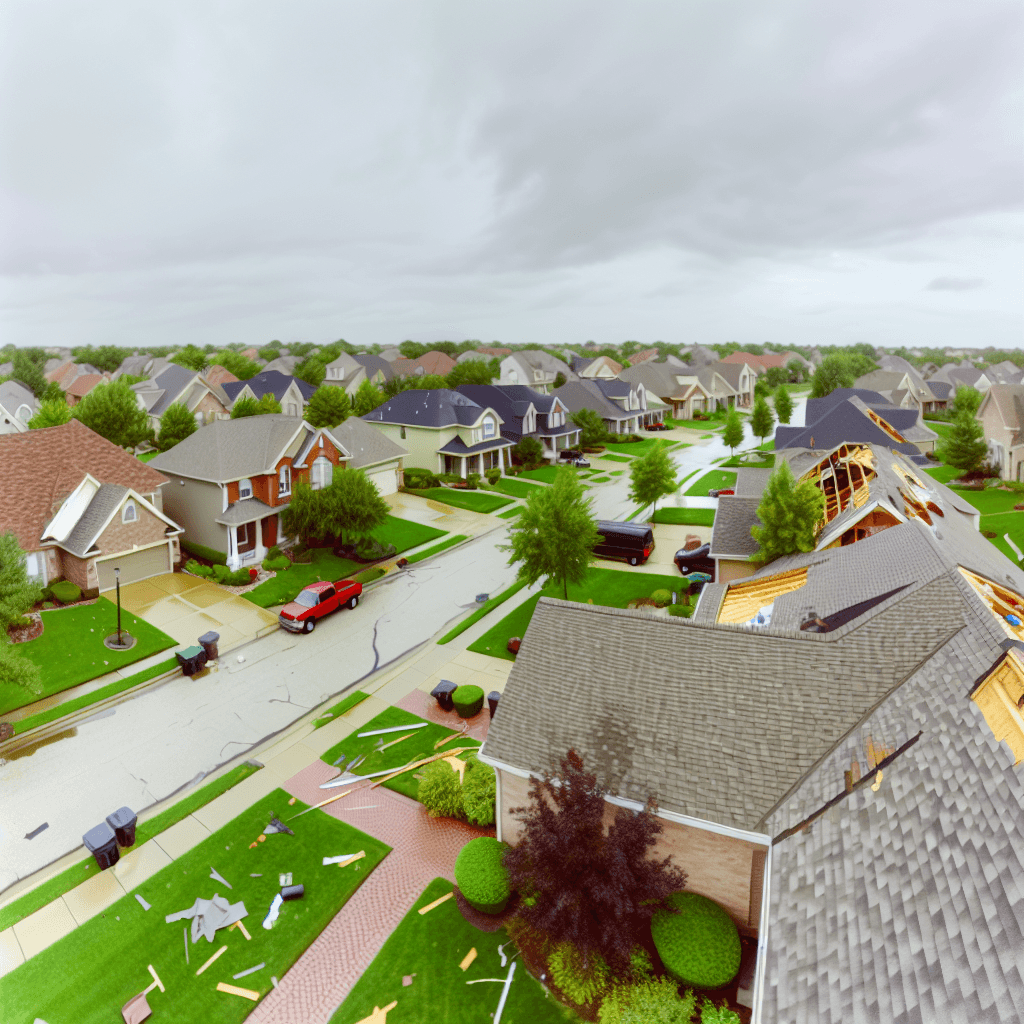
When clouds clear after a furious storm, homeowners often face a daunting reality: a damaged roof that needs immediate attention. The clock starts ticking as the potential for leaks and further damage looms overhead. Amidst the upheaval, **roofing insurance claims for storm damage** become a beacon of hope. It's a complex process, yet pivotal in securing the resources needed for repairs. The urgency is real; understanding and acting upon your claim can mean the difference between swift restitution and enduring frustration.
With winds howling and rain pounding, your roof stands as the frontline defense against Mother Nature's fury. But when the storm subsides, the evidence of its wrath can be overwhelming. It's crucial to move quickly, documenting every crevice and corner of damage with meticulous care. These records become invaluable when navigating through the labyrinth of insurance claims. They not only tell the story of the storm's impact on your home, but they're also your advocacy in ensuring insurance companies uphold their end of the bargain.
Addressing the matter expediently is essential; delays can compound problems and jeopardize your claim's success. Understanding the intricacies involved, from policy specifics to claim filing deadlines, requires a comprehensive approach. Often, questions arise about the proof needed and the consequent impact on policy premiums. Herein lies the value of a well-informed strategy, marrying urgency with expertise to lay the groundwork for a strong **roofing insurance claim** following storm damage. This first step is vital as it sets the stage for the detailed examination and expert insights to follow.
Securing Your Rights and Roof
When you've captured the damage on camera and combed through your policy, the real work begins. It's paramount to present your claim as clearly and convincingly as possible. Solid evidence and a well-argued case are your allies in persuading the insurance company of the legitimacy of your needs. It's not merely about submitting a claim; it's about advocating for your home's safety and your financial security. The goal is to emerge from the storm's aftermath with your home restored and your peace of mind intact.
Overcoming Denials and Delays
Receiving a claim denial can be disheartening, but it is not the end of the road. Understanding the reasons for denial and how to address them is essential. Construct a rebuttal based on facts and supporting documentation, and don't be afraid to seek a second opinion or inspection if necessary. The appeal process is there for your benefit, and when used effectively, it can reverse initial setbacks. This highlights why having a detailed and methodically backed claim is crucial from the start.
Expert Assistance in Claim Management
Finally, remember that navigating insurance claims for storm damage isn't a solo journey. Employing the assistance of professional roofing contractors early in the process can provide clarity and direction. Their expertise in both roofing and the nuanced language of insurance claims is invaluable. Not only can they help with damage assessment, but they can also become advocates for your claim. With professional support, you can confidently assert your claim, knowing the foundation is laid with the best possible knowledge and experience.
Insights From The Experts
Tip 1:
Begin documenting as soon as possible after the damage occurs. Take clear photos and videos of all affected areas, focusing on the damage from multiple angles and in good lighting to support your claim.
Tip 2:
Keep a detailed record of all communications with your insurance provider. This includes dates of correspondence, names of representatives you speak with, and any decisions or instructions provided by the insurance company.
Tip 3:
Understand your policy thoroughly, including deductibles, coverage limits, and any storm-specific clauses. Be aware that some policies may require specific storm-proofing measures for coverage to be valid.
Tip 4:
Enlist the services of a professional roofing inspector if necessary. Their expert assessment can provide credibility to your claim and help ensure that all damage is duly noted and accounted for.
Tip 5:
If your claim is denied, don't hesitate to ask for a clear explanation. Understand the reasons provided and know that you have the right to appeal the decision if you believe the claim was wrongly rejected.
Expert Answers to Your Top Roofing Claim Questions
How can you prove storm damage to your roof to insurance companies?
To substantiate storm damage to your roof, present clear, date-stamped photographs or video evidence to the insurer that showcases the impact. Include a detailed roofing contractor's report highlighting the specific damage caused by the storm.
What is the deadline for filing insurance claims after storm damage?
Deadlines to file a claim can vary by insurance company and policy but often range from 30 days to one year after the storm event. Consult your specific policy details and act promptly to avoid missing the submission cutoff.
Can insurance claims for storm damage affect future premiums?
Filing a claim for storm damage may impact your future premiums, as insurers might consider you at higher risk for claims, but the effect is typically influenced by your claim history and regional factors.
What should you include in the documentation for your claim?
Your documentation should include a comprehensive account of all damages with photos or videos, receipts for any immediate repairs, a detailed roofing expert's assessment, and a log of all communications with the insurer.
What are common reasons for denial of storm damage claims?
Denials can occur due to the lack of evidence of damage, delayed claim filing, exclusions specified in the policy, or insufficient coverages for the type of damage incurred. Understanding and adhering to your policy terms is crucial.
Morgan Bennett, Marketing Director
Morgan is the Marketing Director at Adam Quenneville Roofing & Siding, joining the team in 2024. She holds a bachelor’s degree in Marketing and Business and helps lead the company’s brand strategy, content, and customer education efforts. Morgan also plays a key role in AQ Cares, AQRS’s community outreach division, helping coordinate partnerships, volunteer initiatives, and local giving programs that support the neighborhoods we serve.
Topics: