Roofing Insurance Claim: Your Essential Guide To Approval
June 9th, 2025
4 min read

Finalizing Your Claim and Next Steps
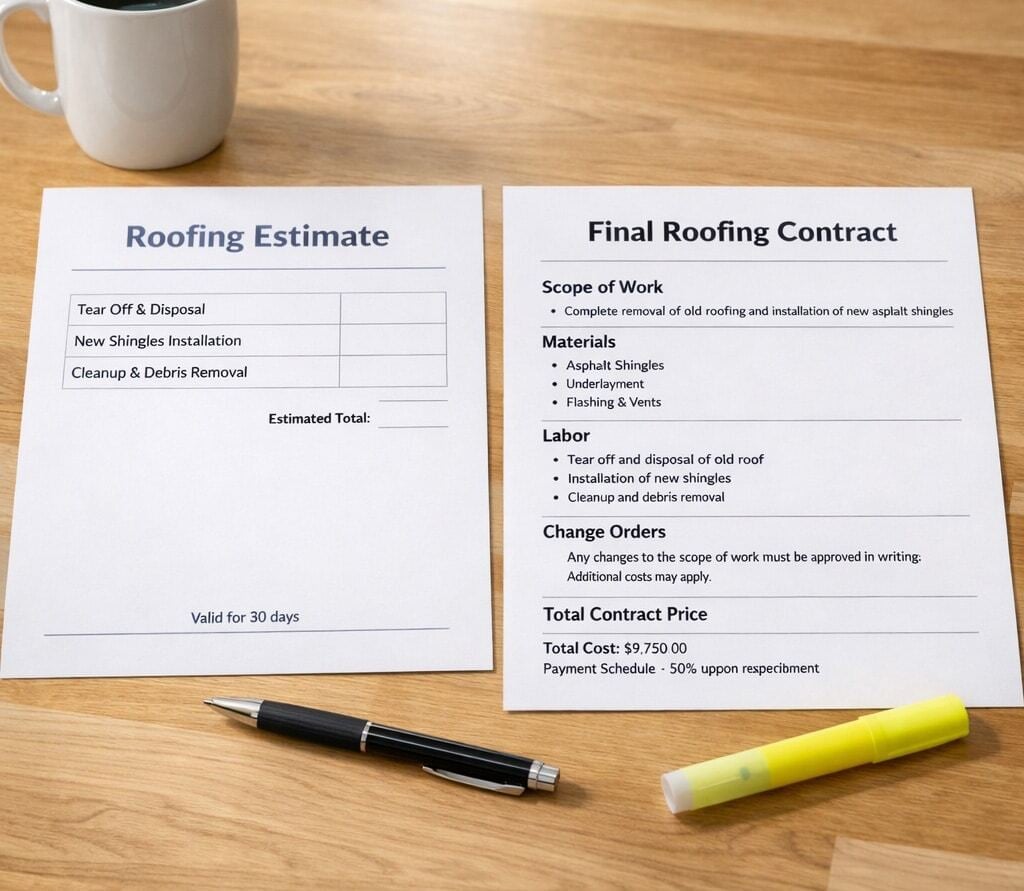
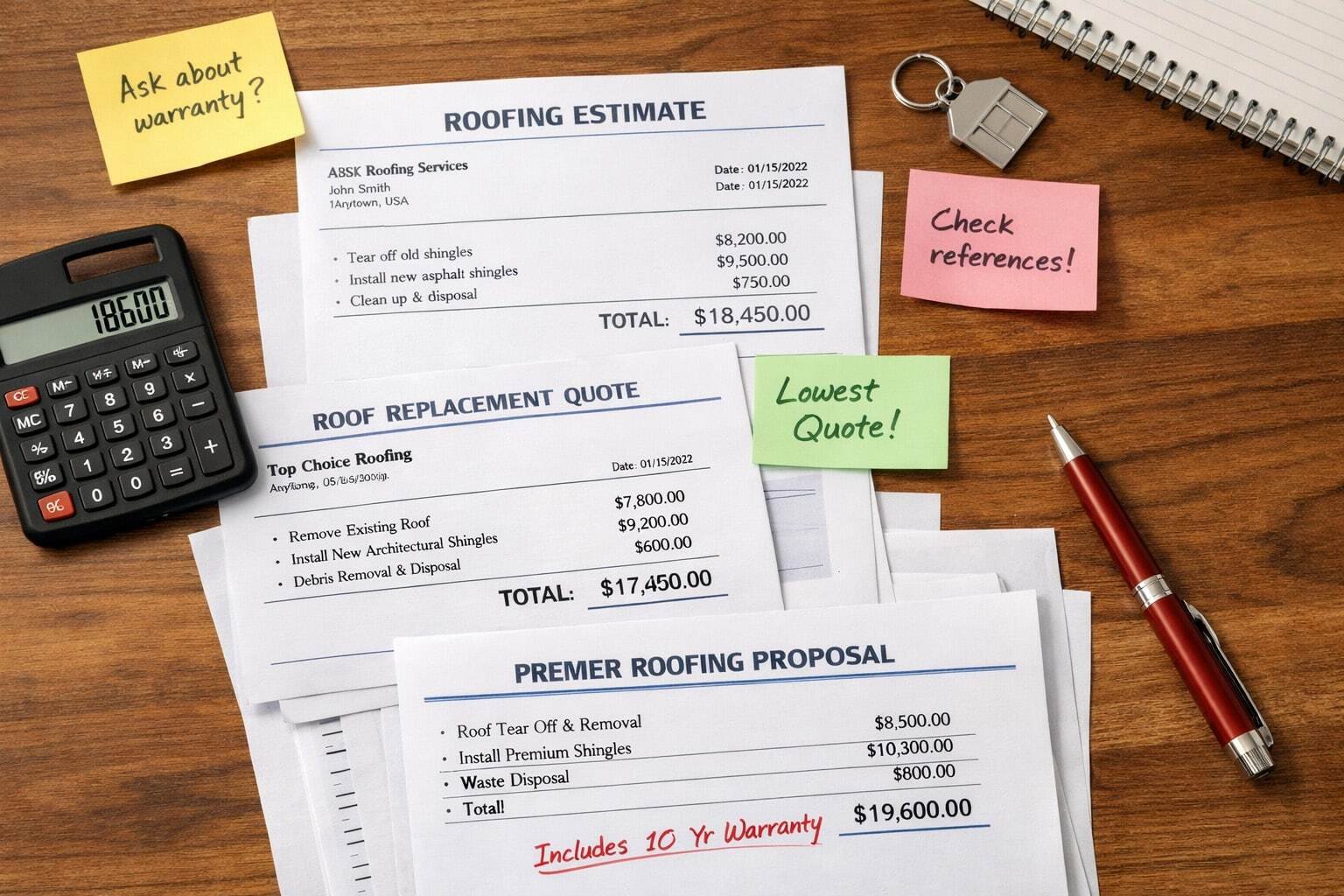
Ensuring all proper documentation is submitted as part of your claim is your paramount concern. Itemized repair estimates, a detailed account of the damage, and your diligent record-keeping will become the backbone of your claim. Communities often face backlogs in claims processing after significant weather events, so your thoroughness will aid in distinguishing your case. Presenting a detailed inventory of damages and repairs, supported by visual evidence, portrays you as an informed and proactive homeowner. This level of organization can often expedite the claim review process.
The communication with your insurance adjuster is just as critical as your initial claim documentation. Keep the dialogue open and cooperative, providing additional information as requested, and seeking clarifications when needed. Throughout this process, you should feel confident and informed, knowing that you have a professional team backing you every step of the way. If at any point you feel overwhelmed, reach out to our support staff for guidance and assistance. They are ready to advise on both the small details and the broader aspects of your roofing project and insurance liaison.
Once your claim is approved, it's time to select a reliable contractor to conduct the repairs or replacements. Be sure to choose a contractor with a strong local reputation and the necessary credentials to deliver high-quality work. Certifications, insurance, and warranties are important factors to consider, ensuring the longevity and durability of your roofing investment. Timely completion of repairs will restore both your roof and your peace of mind. Take the time to evaluate your options and choose a partner who understands the importance of restoring your home's integrity after an unexpected event.
Navigating the Complexity of Roofing Insurance Claims
The roof over your head stands as the first line of defense against the elements, and any damage to it can spell serious trouble. When a storm hits or wear and tear take their toll, the subsequent roofing insurance claim you file becomes more than paperwork; it's about securing your sanctuary. The process can seem daunting, filled with insurance jargon and intricate policy details. Yet, it's crucial to approach this challenge with a clear mind and a strategic plan. Doing so ensures you're not left vulnerable to the whims of weather or wrapped up in bureaucratic red tape.
Understanding your policy and its provisions is the first critical step in submitting a successful roofing insurance claim. It's not just about initiating the claim; it's about understanding what's covered, from storm damage to unexpected leaks. Many homeowners discover the hard way that not all roofing woes are created equal in the eyes of an insurance adjuster. To prevent falling into a pit of denied claims and frustration, arming yourself with knowledge is key. Knowledge that can be the difference between a fully covered repair and an out-of-pocket expense.
The feeling of dread that can accompany filing an insurance claim is common, and you're not alone. Missteps can slow down the process, compound stress, and, in some cases, lead to claims being unjustly denied. That's why it's paramount to seek out solid, expert advice that can guide you. The right guidance can turn a tumultuous time into a manageable ordeal, with a clear end in sight. Endeavor to find expertise that breaks down this complex process into actionable steps, ensuring that your claim is not only heard but also honored.
Finalizing Your Claim and Next Steps
Ensuring all proper documentation is submitted as part of your claim is your paramount concern. Itemized repair estimates, a detailed account of the damage, and your diligent record-keeping will become the backbone of your claim. Communities often face backlogs in claims processing after significant weather events, so your thoroughness will aid in distinguishing your case. Presenting a detailed inventory of damages and repairs, supported by visual evidence, portrays you as an informed and proactive homeowner. This level of organization can often expedite the claim review process.
The communication with your insurance adjuster is just as critical as your initial claim documentation. Keep the dialogue open and cooperative, providing additional information as requested, and seeking clarifications when needed. Throughout this process, you should feel confident and informed, knowing that you have a professional team backing you every step of the way. If at any point you feel overwhelmed, reach out to our support staff for guidance and assistance. They are ready to advise on both the small details and the broader aspects of your roofing project and insurance liaison.
Once your claim is approved, it's time to select a reliable contractor to conduct the repairs or replacements. Be sure to choose a contractor with a strong local reputation and the necessary credentials to deliver high-quality work. Certifications, insurance, and warranties are important factors to consider, ensuring the longevity and durability of your roofing investment. Timely completion of repairs will restore both your roof and your peace of mind. Take the time to evaluate your options and choose a partner who understands the importance of restoring your home's integrity after an unexpected event.
Insights From The Experts
Tip 1:
Immediately document all damage before making temporary repairs. Use photos and detailed notes to record the damage, as this evidence is crucial when filing your roofing insurance claim.
Tip 2:
Understand your insurance policy's coverage limits and deductibles. Knowing the details of what your policy covers will help you navigate the claims process with clarity and confidence.
Tip 3:
Respond promptly to your insurance company's inquiries and requests. Timely communication can significantly streamline the approval process for your roofing insurance claim.
Tip 4:
Seek professional assessments from licensed roofing contractors. Their expertise can provide accurate estimates for repair, strengthening the legitimacy of your claim.
Tip 5:
Avoid common pitfalls such as neglecting to file on time or overlooking certain types of damage. Staying organized and attentive throughout the process can prevent costly oversights.
Expert Answers to Your Roofing Claim Questions
What Should I Do First If I Suspect Roof Damage?
Immediately document the extent of the damage with photos and notes. Then, contact a professional roofing inspector to assess the damage, as their expert report will be critical when filing your claim.
Can Weather Conditions Affect My Roofing Insurance Claim?
Absolutely, weather conditions are often the primary factor in roofing damage claims. It's important to document the weather event that caused the damage, as this will be key evidence for your claim.
How Quickly Should I File a Claim for Roofing Damage?
File your roofing insurance claim as soon after you notice the damage as possible. Most policies have a time limit for claims, and quick action prevents further damage.
What Documentation Is Essential for a Roofing Insurance Claim?
Critical documentation includes date-stamped photos of the damage, a detailed report from a roofing inspector, and all communication with your insurance company.
Are There Any Common Mistakes to Avoid During the Roofing Claim Process?
The most common mistakes include neglecting to document the damage thoroughly, delaying the claim submission, and failing to understand the details of your policy coverage.
Morgan Bennett, Marketing Director
Morgan is the Marketing Director at Adam Quenneville Roofing & Siding, joining the team in 2024. She holds a bachelor’s degree in Marketing and Business and helps lead the company’s brand strategy, content, and customer education efforts. Morgan also plays a key role in AQ Cares, AQRS’s community outreach division, helping coordinate partnerships, volunteer initiatives, and local giving programs that support the neighborhoods we serve.
Topics: