Roofer Insurance Claim Guide For Rhode Island Homeowners
May 5th, 2025
4 min read
Securing Your Peace of Mind Through Expertise
When it comes to protecting your home, the final stages of a roofer insurance claim are as critical as the first. Each action you've taken along the way, from diligently reviewing your policy to documenting the damage thoroughly, converges to safeguard your financial and residential stability. Trust in the professionals who can advocate for your best interests during the negotiation phase with insurers. The damage assessment they provide can mean the difference between a claim that barely covers repairs and one that fully compensates your loss. Trust and assertiveness are your allies in these final discussions.
It's equally important to reflect on the common misconceptions and errors that can interfere with a successful insurance claim. Many homeowners put off filing a claim, fearing the process or potential premium hikes, which only leads to more extensive damage and higher costs. Staying proactive and obtaining an early inspection can pre-empt these issues, offering a clearer path toward claim approval and roof restoration. Moreover, being aware of typical claim denial reasons—such as lack of maintenance or reporting delays—can guide you to preemptively tackle potential hurdles.
In conclusion, a roofer insurance claim doesn't have to be a source of anxiety if handled with care and expertise. At Adam Quenneville, our goal is to ensure that your experience is as stress-free as possible with comprehensive support throughout your claim. Remember, your home’s roof is your first defense against the elements; defending it through a robust insurance claim is not just a financial consideration, but a matter of safety and well-being. With the right approach, you can navigate these waters effectively, emerging confident that your home is secure and your investments are sound. Reassurance and resilience are the hallmarks of a well-managed claim, leading to a stronger, more protected home.
Understanding Roof Damage and Insurance Claims
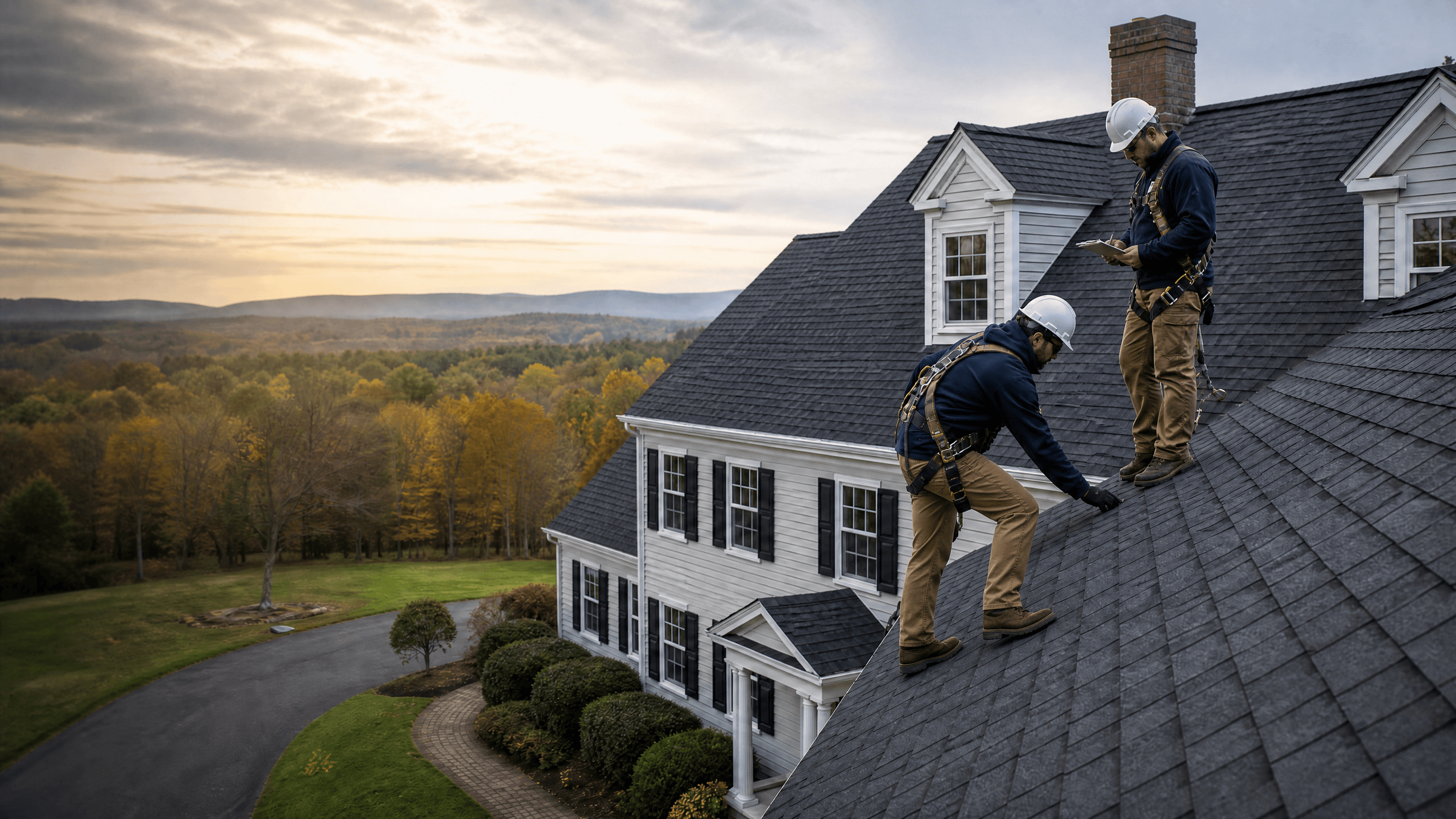
Discovering damage to your home's roof is an immediate cause for concern, and the thought of navigating insurance claims can seem daunting. In Rhode Island, where seasonal weather can wreak havoc on roofing, it's essential to act swiftly. Being proactive in your approach to roofer insurance claims can help alleviate the stress and burden of what may come. It's not just about fixing a roof; it's about restoring the safety and security of your home. Equipping yourself with the right knowledge can make all the difference in managing this challenging process effectively.
When dealing with roofing issues, many homeowners may feel overwhelmed by the intricate details of insurance policies. Understanding what is covered, the process for filing a claim, and the timescales involved is crucial. Recognizing the signals for potential roof damage, such as missing shingles or leaks, and knowing when to contact your insurance provider is the first step to a successful claim process. Each step you take should be thoughtful and informed, as it can significantly impact the outcome and timing of your repairs. Taking action before issues worsen is key to preventing added complications.
The urgency in addressing roof damage cannot be overstated, especially when considering Rhode Island's unpredictable weather. A robust roof is vital to the integrity of your home and the comfort of your loved ones. A delay in filing a roofer insurance claim can result in more severe damage and heightened repair costs. Hence, swiftly navigating the initial steps of your claim will contribute to a smoother, more efficient repair timeline. Remember, the goal is to restore your roof's condition promptly while ensuring that the investment in your home is well-protected and maintained.
Securing Your Peace of Mind Through Expertise
When it comes to protecting your home, the final stages of a roofer insurance claim are as critical as the first. Each action you've taken along the way, from diligently reviewing your policy to documenting the damage thoroughly, converges to safeguard your financial and residential stability. Trust in the professionals who can advocate for your best interests during the negotiation phase with insurers. The damage assessment they provide can mean the difference between a claim that barely covers repairs and one that fully compensates your loss. Trust and assertiveness are your allies in these final discussions.
It's equally important to reflect on the common misconceptions and errors that can interfere with a successful insurance claim. Many homeowners put off filing a claim, fearing the process or potential premium hikes, which only leads to more extensive damage and higher costs. Staying proactive and obtaining an early inspection can pre-empt these issues, offering a clearer path toward claim approval and roof restoration. Moreover, being aware of typical claim denial reasons—such as lack of maintenance or reporting delays—can guide you to preemptively tackle potential hurdles.
In conclusion, a roofer insurance claim doesn't have to be a source of anxiety if handled with care and expertise. At Adam Quenneville, our goal is to ensure that your experience is as stress-free as possible with comprehensive support throughout your claim. Remember, your home’s roof is your first defense against the elements; defending it through a robust insurance claim is not just a financial consideration, but a matter of safety and well-being. With the right approach, you can navigate these waters effectively, emerging confident that your home is secure and your investments are sound. Reassurance and resilience are the hallmarks of a well-managed claim, leading to a stronger, more protected home.
Expert Guidance on Navigating Roof Insurance Claims
Tip 1:
Review your homeowner's insurance policy thoroughly before any disaster strikes. Understanding the specifics can expedite the claims process if you're ever faced with roof damage.
Tip 2:
Document everything when you notice roof damage. Take clear photos and keep a file of all correspondence with your insurer, as this will support your claim and help in detailing the extent of the damage.
Tip 3:
Hire a reputable roofing inspector to assess the damage if you're unsure. Professional inspections can reveal hidden issues and provide a solid basis for your insurance claim.
Tip 4:
Don't delay filing a claim; time is of the essence. Insurers have stipulated timelines within which you must report damage, and missing these can lead to your claim being denied.
Tip 5:
Be aware of what your insurance does not cover. Knowing the exclusions can help set realistic expectations and prepare you for out-of-pocket expenses if certain damages are not included.
Expert Insights on Roofer Insurance Claims
What Types Of Roof Damage Are Typically Covered By Insurance Claims?
Most insurance policies cover roof damage caused by sudden and accidental events, including natural disasters like storms, hail, and fire. However, damage due to wear and tear or poor maintenance may not be covered.
How Do I File A Roof Insurance Claim In Rhode Island?
To file a claim in Rhode Island, contact your insurance provider immediately after noticing the damage, provide thorough documentation, and follow their claims process, which often involves an inspection.
What Documentation Is Necessary When Submitting A Roofer Insurance Claim?
Essential documentation includes clear photographs of the damage, a detailed account of the incident causing the damage, any repair estimates, and a police report if applicable.
Can Storm Damage To A Roof Be Claimed On Insurance After A Long Period?
It's best to file a claim as soon as possible, as most insurance policies have deadlines for reporting damage; waiting too long could result in your claim being denied.
What Are Common Mistakes Homeowners Make When Filing Roofing Insurance Claims?
Homeowners often delay filing, neglect to document damage accurately, or overlook the need to keep all receipts and records of repairs, which are crucial for reimbursement.
Morgan Bennett, Marketing Director
Morgan is the Marketing Director at Adam Quenneville Roofing & Siding, joining the team in 2024. She holds a bachelor’s degree in Marketing and Business and helps lead the company’s brand strategy, content, and customer education efforts. Morgan also plays a key role in AQ Cares, AQRS’s community outreach division, helping coordinate partnerships, volunteer initiatives, and local giving programs that support the neighborhoods we serve.
Topics: