Roof Vents: Essential Upkeep for Summer Home Comfort
July 29th, 2025
5 min read
Proactive Measures for Homeowners
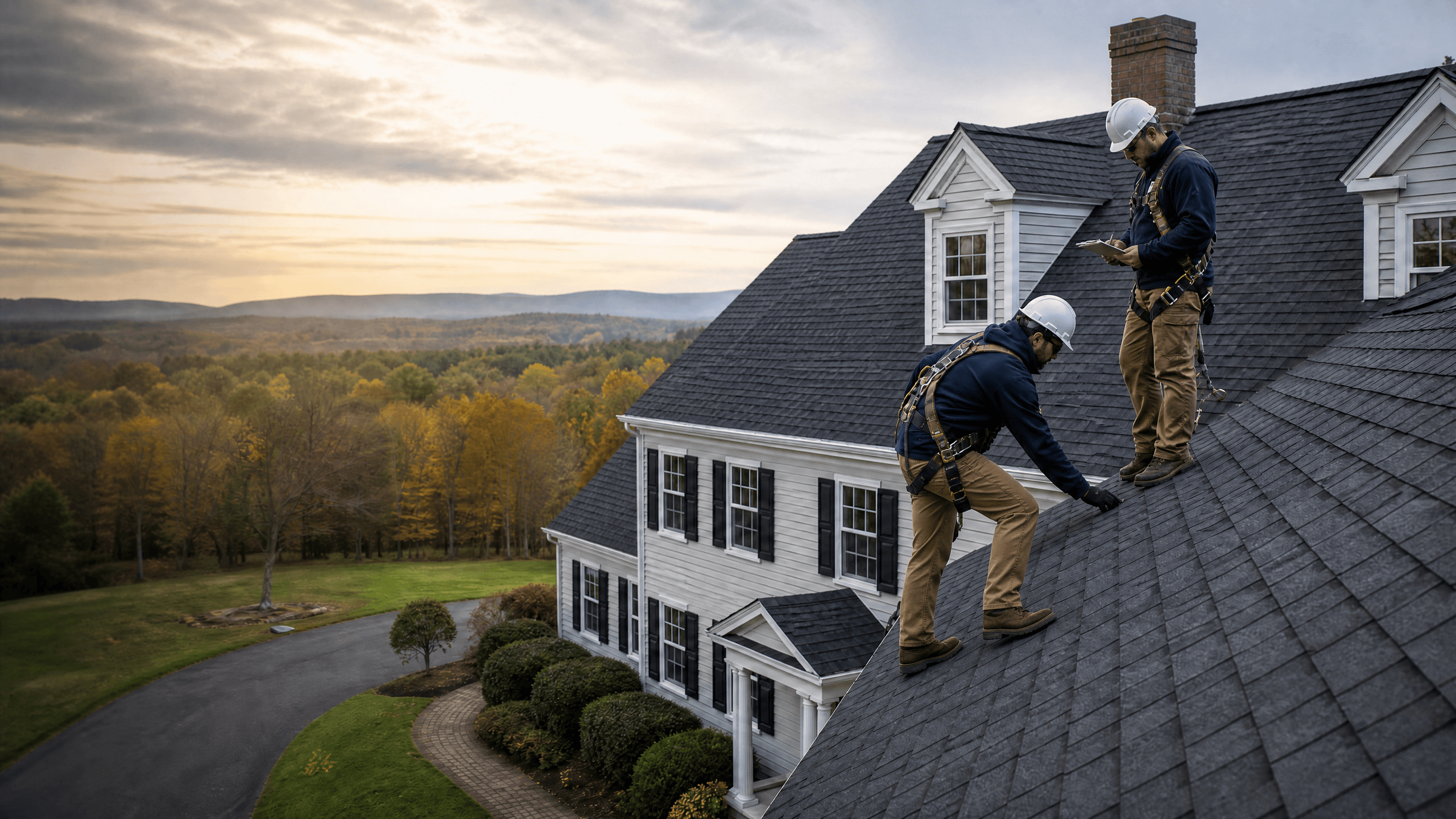
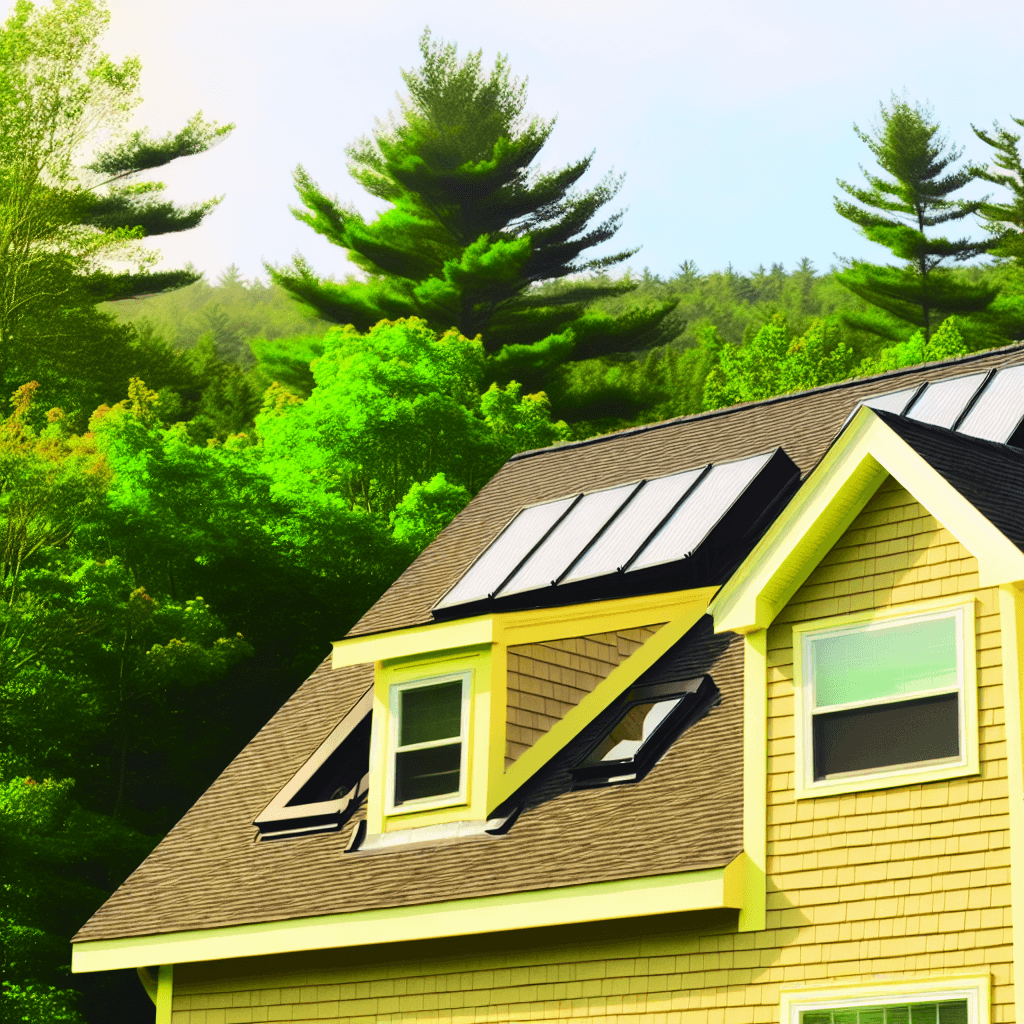
Giving your roof vents the attention they deserve is the hallmark of a savvy homeowner. As summer marches forward, the time is ripe for inspection and maintenance, ensuring that they are clear of debris and operating effectively. A professional assessment can pinpoint any need for repairs, potentially averting more significant—and more expensive—issues down the line. This is not only about safeguarding your property but also about maximizing the lifespan of every part of your roofing system. If you're uncertain about the state of your roof vents, now is the moment to seek expertise for peace of mind.
Recognizing the Early Warnings
Awareness of the early signs of vent damage or blockage can save you significant time and money. Be alert to indicators such as rust formation, water streaks near the vents, or a musty scent emanating from the attic. These are all signs that your ventilation system may need some attention. It's important to recognize these cues early on and to act on them promptly. Regular checks after periods of extreme weather can be particularly beneficial in preserving the condition of your vents.
Maintaining Roof Health Year-Round
As you mark off your summer home maintenance checklist, remember that the benefits of well-maintained roof vents extend beyond the current season. The added ventilation can lead to reduced heating costs in cooler months, as it helps balance attic temperatures adeptly. If you need assistance identifying issues or improving your roof's ventilation system, consider consulting with the experts at Adam Quenneville to ensure you have vents that are fit for all seasons. It's about long-term thinking, taking steps today that will fortify your home against the elements year after year. Taking care of your vents now promises a home that remains comfortable, energy-efficient, and sturdy regardless of the weather outside.
Understanding the Value of Roof Vents in Your Maine Home
As the warmth of summer in Maine envelopes our homes, the significance of roof vents suddenly moves to the forefront of home maintenance concerns. A well-ventilated attic is not just about the air flow—it's a critical defense against the sweltering heat, preventing the oppressive warmth from warping and damaging your roofing materials. As the bright sun beats down, a quick assessment of your home's ventilation system can save you from future headaches and costly repairs. Ignoring this could lead to a buildup of moisture and heat in your attic, setting the stage for mildew, mold, and a compromised roof structure. Therefore, the need for proper roof vent upkeep cannot be understated, especially now, when timely action is most critical.
The Warning Signs of Ventilation Issues
But how do you know if your roof vents are crying out for help? Look out for the tell-tale signs: increased temperatures in the attic, a spike in your energy bills, or the premature aging of your roof shingles. These symptoms indicate a poorly ventilated roof, often leading to bigger problems if left unchecked. It's wise to heed these warnings, as they are the silent alarms signaling that now is the time to ensure your vents are in top working order. Take the initiative to inspect your roof and address these early signs of trouble, reinforcing your homes defenses against the relentless summer heat.
Maximize Your Home’s Comfort and Efficiency
Ultimately, it's about maintaining a comfortable living space while keeping energy costs at bay. Optimizing your roof's ventilation is a move that benefits you in the immediate sense, with cooler indoor temperatures, and in the long term, by protecting the integrity of your roof. By taking proactive steps today, you're ensuring a cooler, more efficient home for the many summers to come. This isn't just about comfort; it’s an investment in your home's future and your peace of mind. Recognizing the significance of this task is the first step towards a summer of ease, enjoyment, and assured home health.
Proactive Measures for Homeowners
Giving your roof vents the attention they deserve is the hallmark of a savvy homeowner. As summer marches forward, the time is ripe for inspection and maintenance, ensuring that they are clear of debris and operating effectively. A professional assessment can pinpoint any need for repairs, potentially averting more significant—and more expensive—issues down the line. This is not only about safeguarding your property but also about maximizing the lifespan of every part of your roofing system. If you're uncertain about the state of your roof vents, now is the moment to seek expertise for peace of mind.
Recognizing the Early Warnings
Awareness of the early signs of vent damage or blockage can save you significant time and money. Be alert to indicators such as rust formation, water streaks near the vents, or a musty scent emanating from the attic. These are all signs that your ventilation system may need some attention. It's important to recognize these cues early on and to act on them promptly. Regular checks after periods of extreme weather can be particularly beneficial in preserving the condition of your vents.
Maintaining Roof Health Year-Round
As you mark off your summer home maintenance checklist, remember that the benefits of well-maintained roof vents extend beyond the current season. The added ventilation can lead to reduced heating costs in cooler months, as it helps balance attic temperatures adeptly. If you need assistance identifying issues or improving your roof's ventilation system, consider consulting with the experts at Adam Quenneville to ensure you have vents that are fit for all seasons. It's about long-term thinking, taking steps today that will fortify your home against the elements year after year. Taking care of your vents now promises a home that remains comfortable, energy-efficient, and sturdy regardless of the weather outside.
Insights From The Experts
Tip 1:
Ensure regular inspections of your roof vents, particularly after severe weather conditions. This proactive approach can prevent long-term damage by catching minor issues before they become problematic.
Tip 2:
Take advantage of summer months to optimize your roof ventilation. Good ventilation can significantly reduce attic temperatures, preventing your roofing materials from deteriorating prematurely due to heat.
Tip 3:
Consult with a professional to determine the most effective type of roof vent for your home’s design. There are various options available, and the right choice can improve air circulation and prevent moisture buildup.
Tip 4:
Consider the energy efficiency benefits of proper roof vent installation. Adequate ventilation can help maintain a more consistent indoor temperature, leading to lower energy costs throughout the year.
Tip 5:
Stay vigilant for signs of vent damage or blockage, such as rust, leaks around the vents, or an unusual increase in indoor humidity. Addressing these early can save you from costly repairs and maintain the efficacy of your roof ventilation system.
Expert Answers to Your Roof Vent Queries
How often should roof vents be inspected and maintained to ensure proper attic ventilation?
Roof vents should be inspected at least once a year, preferably before the summer heat, to ensure they are clear of obstructions and in good working condition.
What are the benefits of optimizing roof ventilation in the summer months?
Optimizing roof ventilation during summer helps to reduce attic temperatures, prevent heat-induced damage to roof materials, and can improve overall indoor comfort.
Are there specific types of roof vents that are more effective in certain roof designs?
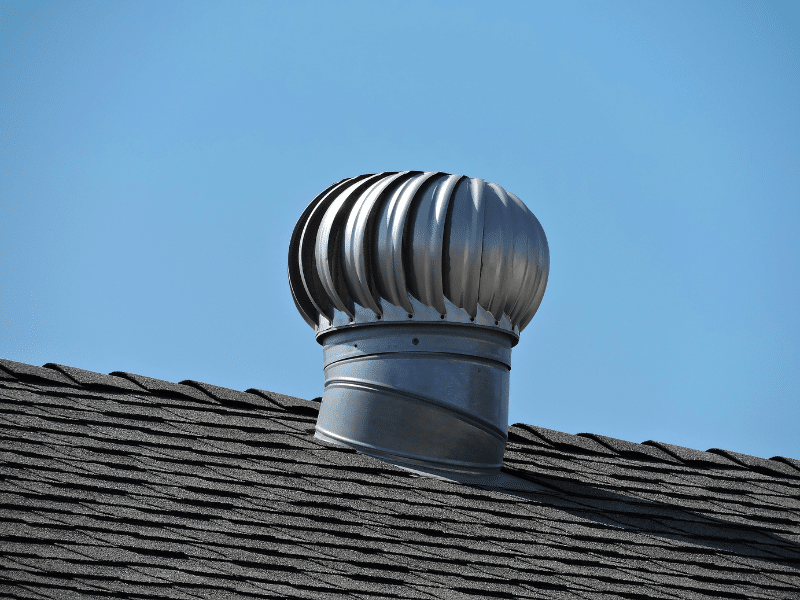
Yes, certain roof designs benefit from specific vent types; for example, ridge vents work well with peaked roofs, while flat roofs may require turbine vents for effective air movement.
Can installing new roof vents reduce energy costs in residential homes?
Absolutely, new and properly installed roof vents can lead to significant energy savings by aiding in more efficient home cooling and reducing the workload on air conditioning systems.
What are common signs that indicate the need for repairing or replacing roof vents?
Key indicators include noticeable blockages, damages or rust on the vents, moisture issues like attic mold, or unexpected spikes in cooling costs during summer.
Morgan Bennett, Marketing Director
Morgan is the Marketing Director at Adam Quenneville Roofing & Siding, joining the team in 2024. She holds a bachelor’s degree in Marketing and Business and helps lead the company’s brand strategy, content, and customer education efforts. Morgan also plays a key role in AQ Cares, AQRS’s community outreach division, helping coordinate partnerships, volunteer initiatives, and local giving programs that support the neighborhoods we serve.
Topics: