Roof Insurance Claims: Navigate The Process Like A Pro
May 30th, 2025
5 min read
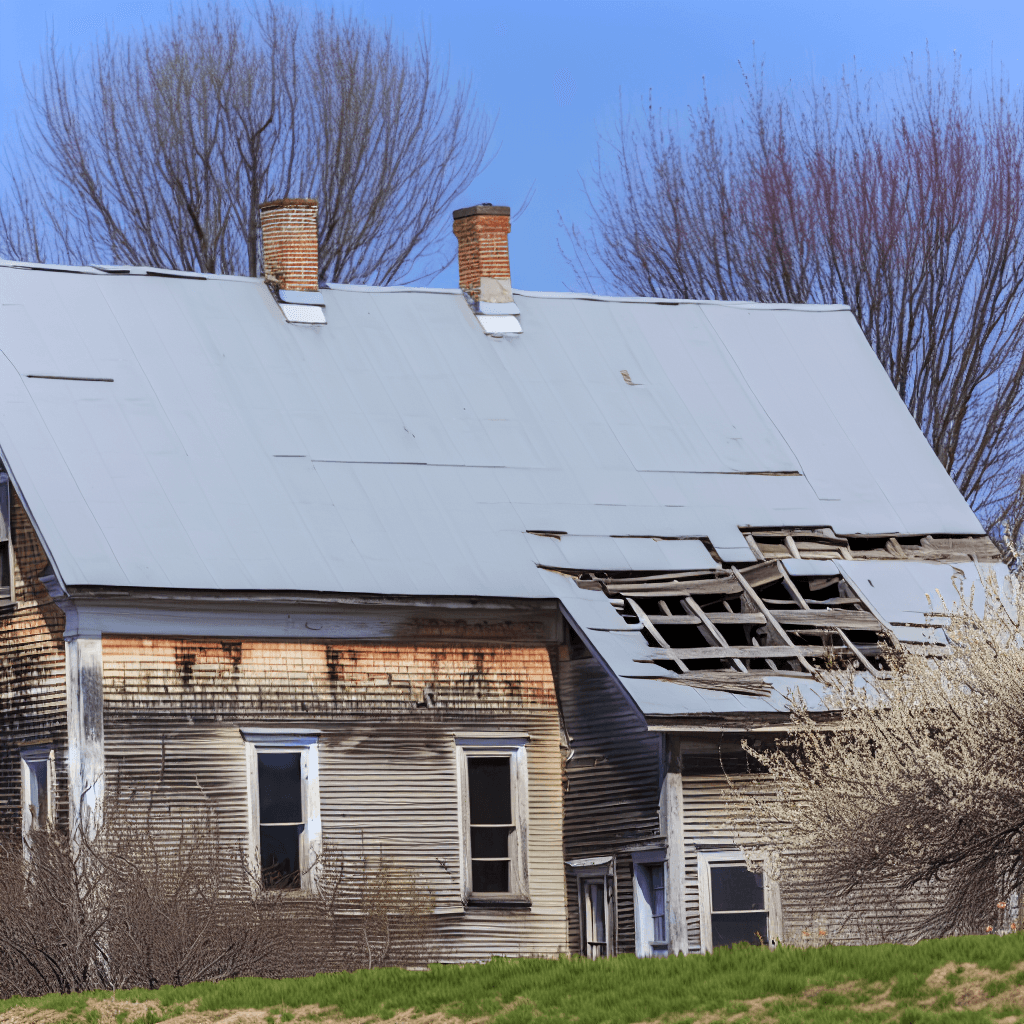
Maintaining Your Roof's Integrity
The longevity of your roof is heavily influenced by the maintenance it receives. Regular inspections and upkeep are key to preventing unexpected damage and can also improve your position when making an insurance claim. Insurance companies may examine maintenance history when assessing claims, so up-to-date records and receipts for repairs can build a stronger case. Plus, regular roof care can often lead to early detection of issues, allowing for timely repairs that prevent more extensive, costly damage. It's a practice of diligence that pays off by safeguarding both your home and your wallet.
Final Words of Advice
Before wrapping up the matter of roof insurance claims, it's vital to address some parting advice. Always read the fine print when it comes to insurance policies, and don't hesitate to ask clarifying questions—knowledge truly is power in these situations. Also, remember the value of getting multiple opinions; don't settle on the first contractor's assessment or the initial offer from your insurance company. Being equipped with multiple professional insights can empower you in negotiations for your claim's settlement. And finally, never underestimate the impact that a smooth and successful claims process can have on your future insurance premiums and coverages.
Trust the Experts
While this guide serves as a roadmap to navigating roof insurance claims, the expertise of seasoned professionals can make all the difference when it comes to protecting your home. At Adam Quenneville, we have years of experience in managing roof damage assessments and working with insurance companies to ensure homeowners like you receive fair treatment and compensation. We're here to guide you through every step of the process, from initial assessment to final repairs. For personalized services tailored to your unique needs, including navigation through the complexities of insurance claims, feel free to learn more about our dedicated assistance.
Understanding Roof Insurance Claims
When your home's first line of defense against the elements takes a hit, understanding your roof insurance claims becomes nothing short of critical. It's not just about the immediate leaks or visible shingles out of place; it's about the potential long-term effects on your home's structure and value. Timely and strategic action can not only protect your property but also ensure that you receive the proper coverage you're entitled to. Many homeowners feel overwhelmed by the intricacies of insurance claims, but becoming well-versed in the process is your right and can save both time and money. Getting informed now means one less worry when the unexpected happens.
Gearing Up for the Unexpected
Addressing roof damage can quickly become overwhelming, especially when it comes to navigating the maze of insurance policies and their fine print. Homeowners are often left confused and anxious, unsure if their insurance will cover the damage, how much they'll have to pay out-of-pocket, or even where to begin the process. It's essential to recognize that, while each policy has its unique caveats, the fundamentals of filing claims share common ground. For instance, knowing your policy's stance on wear and tear versus accidental damage could mean the difference in coverage. By identifying key elements early on, such as the extent of damage and how it aligns with your policy, you position yourself for a more straightforward and successful claim.
Setting the Cornerstone for Success
As a proactive homeowner, understanding the importance of immediate action following roof damage cannot be understated. The first hours and days after noticing damage are pivotal in setting the foundations for a strong insurance claim. This includes documenting everything meticulously from the start—take detailed photos, jot down notes, and, if possible, gather eyewitness accounts. While this may seem daunting, it serves as a safeguard to ensure that all aspects of the damage are thoroughly recorded, which is paramount when presenting your case to the insurance company. Remember, a well-documented claim is not only reassuring for you but also forms a compelling argument for insurers, leading to more satisfactory outcomes.
Maintaining Your Roof's Integrity
The longevity of your roof is heavily influenced by the maintenance it receives. Regular inspections and upkeep are key to preventing unexpected damage and can also improve your position when making an insurance claim. Insurance companies may examine maintenance history when assessing claims, so up-to-date records and receipts for repairs can build a stronger case. Plus, regular roof care can often lead to early detection of issues, allowing for timely repairs that prevent more extensive, costly damage. It's a practice of diligence that pays off by safeguarding both your home and your wallet.
Final Words of Advice
Before wrapping up the matter of roof insurance claims, it's vital to address some parting advice. Always read the fine print when it comes to insurance policies, and don't hesitate to ask clarifying questions—knowledge truly is power in these situations. Also, remember the value of getting multiple opinions; don't settle on the first contractor's assessment or the initial offer from your insurance company. Being equipped with multiple professional insights can empower you in negotiations for your claim's settlement. And finally, never underestimate the impact that a smooth and successful claims process can have on your future insurance premiums and coverages.
Trust the Experts
While this guide serves as a roadmap to navigating roof insurance claims, the expertise of seasoned professionals can make all the difference when it comes to protecting your home. At Adam Quenneville, we have years of experience in managing roof damage assessments and working with insurance companies to ensure homeowners like you receive fair treatment and compensation. We're here to guide you through every step of the process, from initial assessment to final repairs. For personalized services tailored to your unique needs, including navigation through the complexities of insurance claims, feel free to learn more about our dedicated assistance.
Insights From The Experts
Tip 1:
Inspect your roof regularly, especially after a severe storm. Look for signs of damage, such as missing, broken, or torn shingles, as these can indicate potential issues that might be covered by your insurance.
Tip 2:
Document everything when you spot roof damage. Take clear photos and videos from various angles to provide comprehensive evidence for your insurance claim. This makes the claims process smoother and more efficient.
Tip 3:
Understand your insurance coverage before disaster strikes. Review your policy to know what damages are covered and any potential deductibles. This will help you to quickly determine what compensation you may be entitled to.
Tip 4:
Be proactive in hiring professionals for a thorough roof assessment after damage. A certified roofing contractor can give you an accurate report, which is vital for validating your insurance claim.
Tip 5:
Keep a record of all maintenance and repairs done on your roof. Regular upkeep not only extends the life of your roof but also strengthens your case when filing an insurance claim for unforeseen damage.
Expert Answers to Your Roofing FAQs
How Can I Tell If My Roof Has Storm Damage Covered By Insurance?
To determine if storm damage to your roof is covered, start by checking for missing shingles, water leaks, or dents in roofing material. Consult your insurance policy or speak with your agent to understand coverage specifics for storm damage.
What Steps Should I Take Immediately After Noticing Roof Damage?
Immediately after noticing roof damage, document the extent of the damage with photos or videos, and contact your insurance company to start the claims process. Then, secure the area to prevent further damage and schedule an inspection with a reputable roofing contractor.
What Information Do I Need to File a Roof Insurance Claim?
When filing a claim, you’ll need detailed documentation of the damage, repair estimates, your insurance policy number, and any prior roof maintenance records. Having this information readily available can expedite your claims process.
How Do I Choose a Reputable Contractor for a Roof Damage Assessment?
Select a contractor by verifying their license, insurance, and references; also, look for experience with insurance claims and familiarity with local building codes. An established local reputation speaks volumes about their reliability and quality of service.
Can Regular Maintenance Impact My Roof Insurance Claim?
Yes, regular maintenance can positively impact your claim, as it indicates to insurers that you’ve taken steps to mitigate damage, potentially leading to quicker claims processing and better settlement terms. Keep a record of all maintenance for proof.
Morgan Bennett, Marketing Director
Morgan is the Marketing Director at Adam Quenneville Roofing & Siding, joining the team in 2024. She holds a bachelor’s degree in Marketing and Business and helps lead the company’s brand strategy, content, and customer education efforts. Morgan also plays a key role in AQ Cares, AQRS’s community outreach division, helping coordinate partnerships, volunteer initiatives, and local giving programs that support the neighborhoods we serve.
Topics: