How To Maximize Your Home's Comfort With Proper Siding Insulation
August 15th, 2025
5 min read
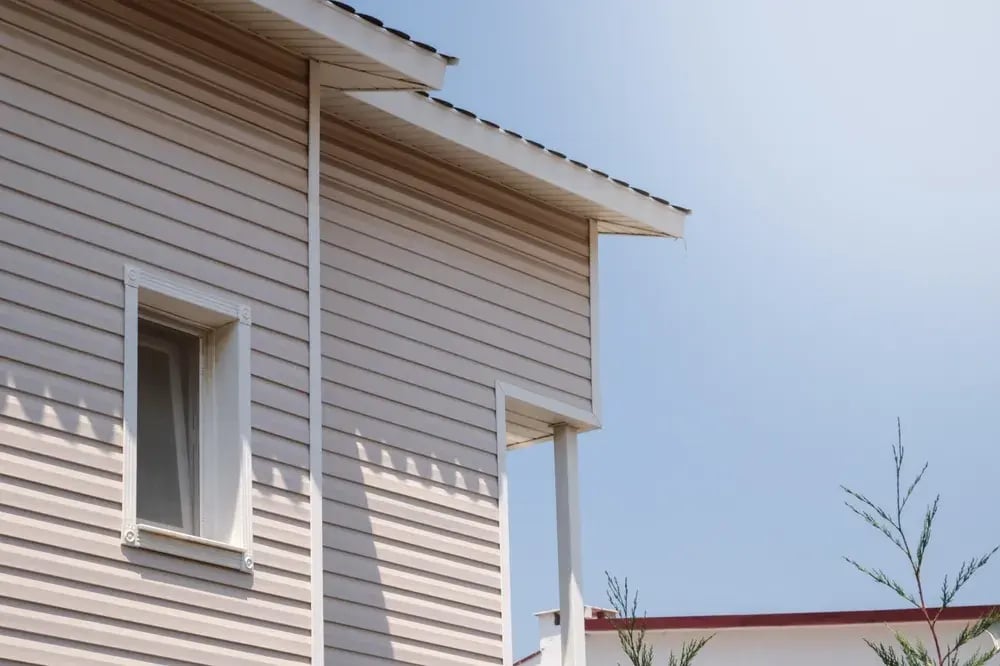
• Understanding the role of siding is essential for improving home insulation and energy efficiency, especially in Connecticut's diverse climate.
• The guide provides a clear, step-by-step approach to choosing the right siding material, installation, and maintenance to maintain optimal temperature control.
• The content highlights common DIY mistakes to avoid when dealing with siding, reinforcing the advantage of professional help for the best results.
Identifying Issues with Your Siding
Your home's siding is more than just a cosmetic feature; it's a crucial line of defense against the elements. As we head into the warmer months, now is the ideal time to inspect your home's exterior for any signs of wear or damage. Look for fading color, which can be an early indicator of material degradation, or for warping, which often signifies prolonged exposure to moisture and heat. Both of these conditions can compromise the siding's role in home insulation and should be addressed promptly to maintain your home's energy efficiency.
In Connecticut, the summer sun can be surprisingly intense, making it necessary to ensure your siding is in top shape to withstand the heat. Cracks and splits in the siding not only detract from your home's aesthetic appeal but can also allow precious cooled air to escape, leading to an overworked air conditioning system and increased energy costs. It's crucial to remedy these issues quickly, as they can lead to more serious insulation failures. Remember, siding is not just a shield against the summer sun but also an insulating layer that helps keep your home cool and comfortable.
Preventative Measures for Home Insulation
Examining the seams and edges of your siding can reveal gaps or lifting that may not be immediately noticeable. These small breaches are often the culprits behind draftiness in your home, subtly undermining your insulation's effectiveness. Don't overlook the importance of a thorough inspection; even seemingly minor imperfections can have a significant impact on your home's insulation. By identifying and sealing these leaks, you actively enhance your home’s overall energy-saving measures.
Lastly, be vigilant for signs of insect or pest infestations, as these can not only damage the siding material but also create pathways for air infiltration, reducing insulation efficacy. Be sure to check shadowed and less visible areas where critters like to nest and gnaw. Addressing infestations swiftly not only preserves the structural integrity of your home but also reinforces the role of siding in maintaining optimal home insulation. With these problematic signs in check, you can then focus on selecting the best siding material for your home and ensuring it's efficiently installed and maintained for peak performance.
Choosing Your Material for Optimal Insulation
When it comes to selecting the right siding material, the options can be overwhelming, but each has its own benefits for home insulation. Vinyl siding, for example, is not only cost-effective but also offers good insulation properties and requires minimal maintenance. Fiber cement siding, though pricier, is renowned for its durability and resistance to fire and termites, making it a long-lasting insulator. For those seeking an eco-friendly option, wood siding provides natural insulation, but keep in mind, it demands regular upkeep to protect against the elements and potential pests.
Incorporating the right material into your home’s construction or renovation plan is a critical decision for maintaining temperature control. The appropriate siding can serve as a thermal blanket, keeping your home snug in winter and cool in summer. To ensure you are choosing materials that will hold up in the unique weather patterns of Connecticut, seek professional advice. For those interested in exploring various siding materials, their advantages, and suitable options for different climates, please feel free to visit Adam Quenneville's range of siding materials.
Assessing and Repairing Current Siding
The condition of your existing siding is just as important as the material it's made of when it comes to home insulation. A thorough evaluation can reveal whether it's time for repairs or a complete replacement. If your siding is relatively new but has minor issues, timely repairs can extend its lifespan and improve its insulating properties. Look for reliable repair services that understand the critical role of siding in protecting and insulating your home.
For those whose siding shows significant wear and tear, it's often more cost-efficient in the long run to invest in new siding. Upgrading your siding can drastically improve your home's appearance and, more importantly, its ability to insulate properly. Quality insulation not only keeps your home comfortable but can also reduce energy costs significantly, making it a smart investment. Always entrust your siding repair or installation to certified technicians who will ensure the job enhances your home’s insulation and overall integrity.
Step 1: Understand the Importance of Siding in Home Insulation
Take a moment to comprehend how siding acts as a barrier, protecting your home from cold in the winter and heat in the summer, contributing significantly to your overall home insulation.
Step 2: Choose the Right Siding Material
Assess the various siding materials available, such as vinyl, wood, and fiber cement, and select the one that offers optimal insulation and aligns with the energy efficiency goals for your home.
Step 3: Assess Existing Siding for Efficiency
Examine the current condition of your home's siding. Look for signs of damage or wear that can compromise its insulating properties, like cracks, gaps, or missing pieces.
Step 4: Seal Gaps and Repairs
Address any identified issues from the previous step by sealing gaps or repairing damaged siding to prevent air leaks that can undermine insulation effectiveness.
Step 5: Install Insulated Siding
Consider upgrading to insulated siding options which have foam backing for additional thermal resistance, providing a significant boost to your home’s insulation.
Step 6: Install a House Wrap
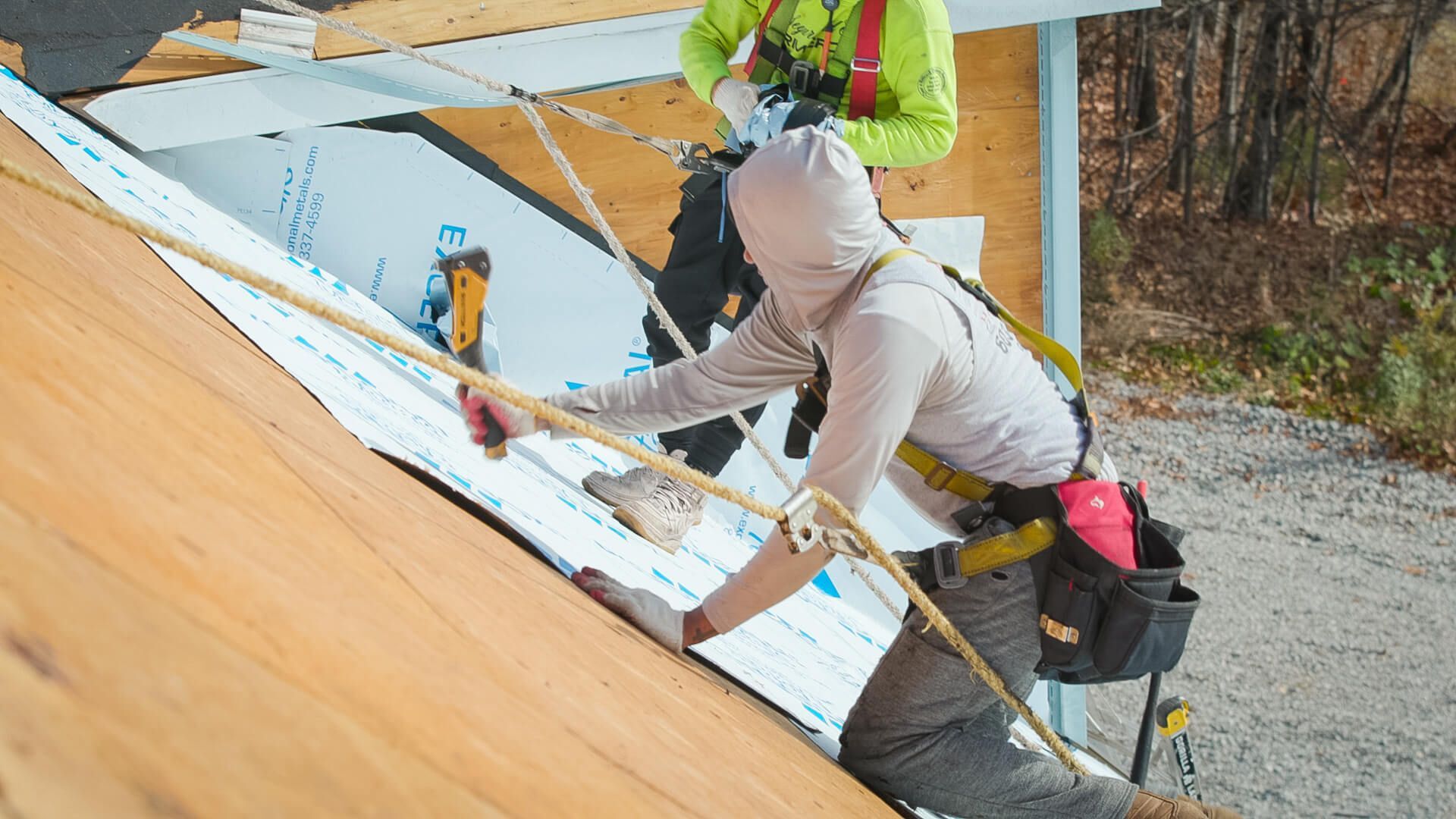
Before installing new siding, place a house wrap to serve as an additional layer of insulation that can help reduce energy costs and improve overall efficiency.
Step 7: Proper Installation Practices
Ensure that your siding is installed by professionals who follow the best practices to maintain its insulating properties, including correct joint overlaps, sealing, and flashing.
Step 8: Maintain Your Siding
Regularly inspect and maintain your siding to uphold its insulating qualities, such as cleaning, repainting when necessary, and promptly repairing any minor damages before they escalate.
Introduction: Common Mistakes to Avoid When Working with Siding
DIY projects can be rewarding, but it's easy to fall into common pitfalls that can compromise your home's insulation and siding integrity. When tackling siding installation or repair, understanding these frequent errors is crucial to avoid unnecessary complications and costs. Here's a rundown of typical mistakes to be mindful of during your siding project.
Common Mistake 1: Neglecting Moisture Control
Underestimating the importance of moisture barriers can lead to water damage and insulation failure. Always ensure there's a moisture barrier, like house wrap, under the siding to protect against water infiltration.
Common Mistake 2: Incorrect Material Choice
Choosing a siding material without considering the local climate can result in poor insulation and a shorter lifespan for your siding. Research and select materials proven to work well in Connecticut's weather patterns, such as vinyl for its durability in varying temperatures.
Common Mistake 3: Overlooking Existing Damage
Failing to properly assess and address existing damage before installing new siding can trap moisture and decay, worsening insulation issues. Conduct a thorough inspection for any signs of underlying damage and make necessary repairs before adding new materials.
Common Mistake 4: Improper Sealing and Caulking
Neglecting to seal joints and edges properly can lead to air leaks that drastically reduce siding's insulative properties. Use quality sealants and ensure proper application to create an airtight barrier.
Common Mistake 5: Inadequate Overlap and Flashing
Overlooking the importance of correct overlap and flashing installation can result in leaks and subsequent water damage. Follow manufacturer's guidelines for overlap distances and install flashing around windows, doors, and other openings to prevent water intrusion.
Common Mistake 6: Ignoring Regular Maintenance
Assuming siding is a "set it and forget it" aspect of your home can lead to neglect and a reduction in insulating efficacy. Schedule regular inspections and promptly address any issues such as cracks, chips, or detachment to maintain optimal insulation.
Effective Installation and Maintenance
Properly installing and maintaining your siding is integral to sustaining its insulating qualities over time. Partnering with professionals ensures that your siding is installed with the precision necessary to maximize its role in home insulation. Whether you're applying new plastic wraps or installing completely new panels, it's crucial that each part is properly aligned, sealed, and insulated to prevent thermal leaks.
Periodic maintenance is the key to extending the life of your siding and by extension, your home's energy efficiency. Simple steps such as washing siding to remove dirt and debris, checking for any damage after severe weather, and promptly replacing worn or damaged sections can make a profound difference. For expert installation and maintenance advice, and a broad selection of quality siding materials, you're welcome to explore Adam Quenneville's windows and doors services, which include comprehensive care for your home's envelope.
Wrapping Up with Enhanced Insulation
As the warm days of summer prevail in Connecticut, addressing your siding insulation needs becomes even more crucial. Applying the steps outlined, homeowners can ensure that their house remains a haven of comfort, irrespective of the season's extremes. It’s clear that siding isn't just about aesthetics; it plays a pivotal role in home insulation, contributing significantly to a home's energy conservation and comfort levels.
Morgan Bennett, Marketing Director
Morgan is the Marketing Director at Adam Quenneville Roofing & Siding, joining the team in 2024. She holds a bachelor’s degree in Marketing and Business and helps lead the company’s brand strategy, content, and customer education efforts. Morgan also plays a key role in AQ Cares, AQRS’s community outreach division, helping coordinate partnerships, volunteer initiatives, and local giving programs that support the neighborhoods we serve.
Topics: