How To Update Your Home With Current Roofing Design Trends
August 1st, 2025
5 min read
• Identify warning signs that indicate your roof needs an upgrade, understand how Vermont's climate affects roofing choices
• Explore sustainable roofing trends, learn to choose materials and technology that blend aesthetics with Vermont's seasonal needs
• Avoid common DIY roofing mistakes, leverage professional consultation, and plan effectively for a successful roofing project
Recognizing the Need for a Roof Overhaul
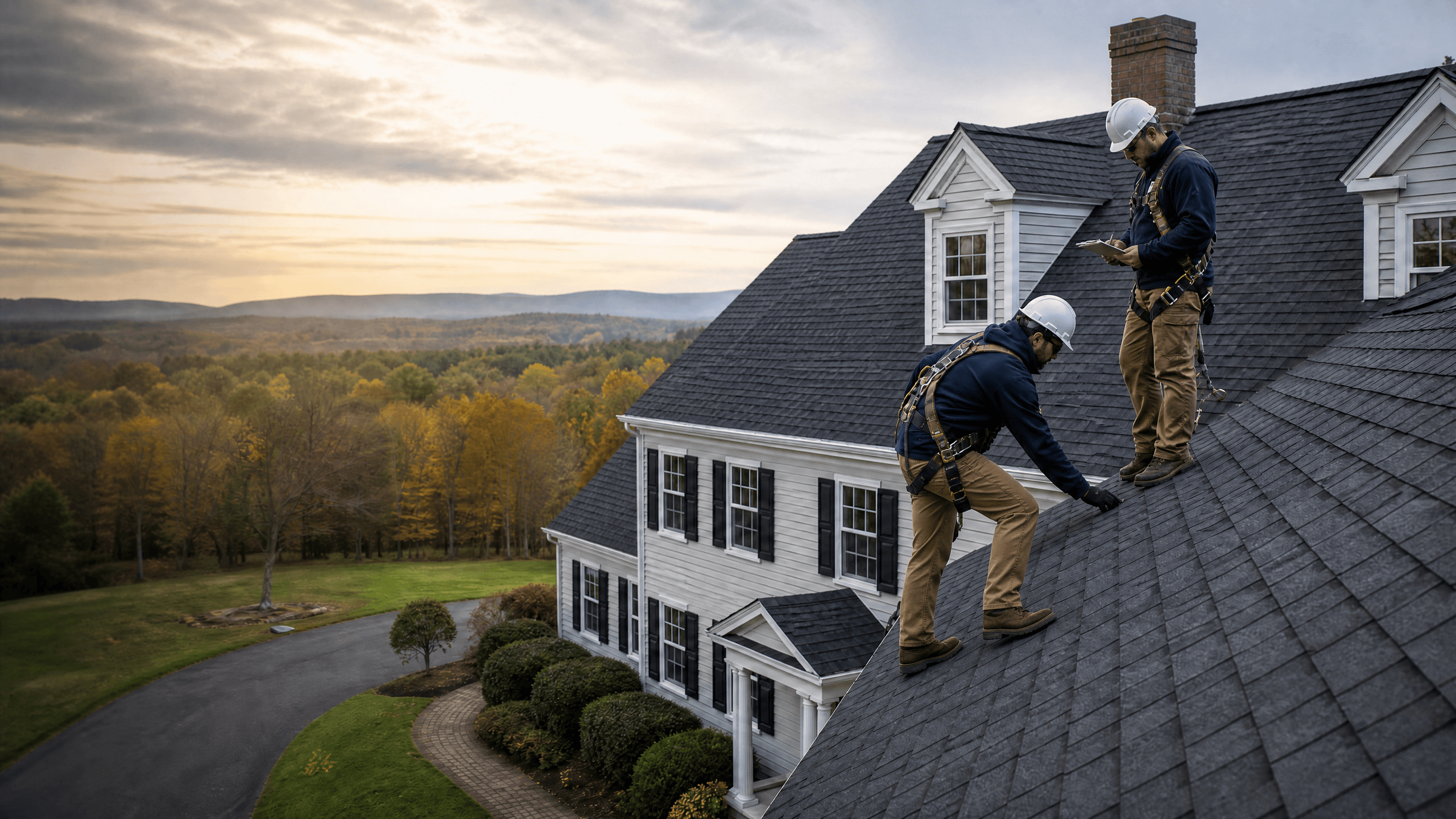
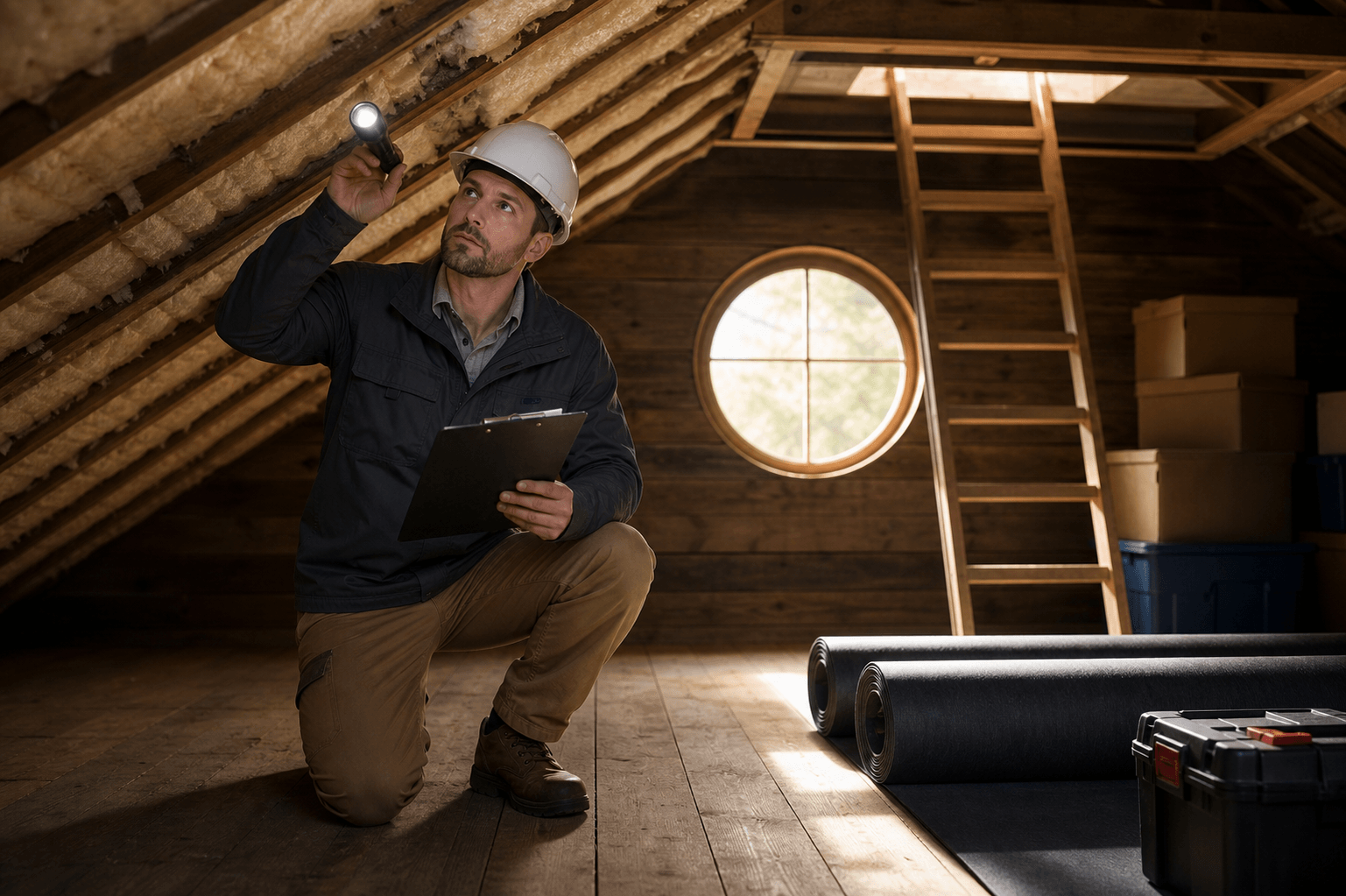
Before embarking on the journey to modernize your roof with the latest residential roofing design trends, it's crucial to spot the warning signs that your roof might be due for an update. If your roof is showing its age with missing or curling shingles, persistent leaks during Vermont's stormy summers, or an overall worn appearance, it’s time to consider a refresh. Moreover, if you find that your roof struggles to cope with the heavy snowfall during Vermont's winters, this is a clear indicator that the roof's structural integrity needs reassessment. Paying attention to these cues can spare you from more significant damages and align your home with the most current design trends.
Navigating Through Seasons and Styles
Vermont's climate demands that homeowners stay vigilant about the condition of their roofs, as the seasonal variance can expedite wear and tear. From blistering summer sun to freezing winter storms, the environmental impact on roofing materials is considerable and can lead to energy inefficiency. Aesthetically, if your roof looks out of place against the architectural vernacular of your neighborhood, or it doesn’t reflect your personal style, it's a compelling reason to upgrade. Doing some preliminary research into local bylaws or homeowners' association restrictions can ensure that your design choices adhere to regulations and add seamless charm to your property.
Modern Roofing Solutions for Age-Old Problems
As you ponder a roofing update, exploring modern solutions that marry form with function is pivotal. The adoption of innovative technologies like solar tiles can transform your roof from a mere necessity into an energy-producing powerhouse. Delving into eco-friendly and sustainable material options like cool roofing not only positions you at the forefront of residential roofing design trends but also provides long-term fiscal and environmental dividends. Before the tangible work begins, these steps of recognizing problems and envisioning solutions pave the way for a roof that’s both trendy and tailored to the rigors of life in Vermont.
Step Into the Future with Cutting-Edge Roofing
In an era where technology rapidly transforms homes, integrating modern roofing technology sets the stage for increased value and appeal. Whether it's embedding solar panels into your roofing design or opting for smart-roof systems that adapt to Vermont's climate conditions, the options are vast and impactful. These innovative features not only enhance the functionality of your home but also echo the residential roofing design trends that mesh seamlessly with eco-conscious living. With such enhancements, your roof contributes to energy conservation, a priority in the environmentally-aware state of Vermont.
The Eco-Smart Choice for Vermont Homes
Selecting sustainable materials is more than a personal preference; it's a commitment to the longevity of your home and the well-being of the environment. As a homeowner in Vermont, opting for recycled shingles or high-quality metal roofing is a decision that upholds both style and substance. These materials not only meet the criteria for sustainable residential roofing, but they also withstand the test of time against the seasonal challenges the region is known for. For those interested in exploring more about these options, visit Adam Quenneville's Roofing Materials for an in-depth look at environmentally friendly choices that align with current design trends.
Step 1: Assess Your Roofing Needs
Consider the climate in Vermont and how different seasons affect your roof, particularly during harsh winters and humid summers. Focus on architectural style and personal preference, and research local regulations or homeowner association guidelines for roofing in your area.
Step 2: Explore Modern Roofing Technology
Investigate current technologies like solar roofing tiles or green roofs that align with energy-efficient roofing trends. Vermont's focus on sustainability makes these options both trendy and practical.
Step 3: Choose Sustainable Materials
Select materials like recycled shingles or metal roofing that support eco-friendly roofing options. Durable and recyclable, these options contribute to prevailing residential roofing design trends and are suitable for the Northeast's weather.
Step 4: Visualize Aesthetics with Software
Use design software to visualize different roofing materials and styles on a virtual model of your home. This step ties into modern roofing aesthetics by allowing a preview of the final look before making any decisions.
Step 5: Calculate Energy Efficiency
Evaluate the energy efficiency of each roofing material. In the sunny summer months in Vermont, a cool roof could reflect more sunlight and absorb less heat, leading to lower energy bills.
Step 6: Factor In Longevity and Maintenance
Compare the expected lifespan and maintenance requirements of each roofing option. Vermont's seasonal extremes demand a roof that can withstand snow loads, UV radiation, and potential storm damage.
Step 7: Get Professional Consultation
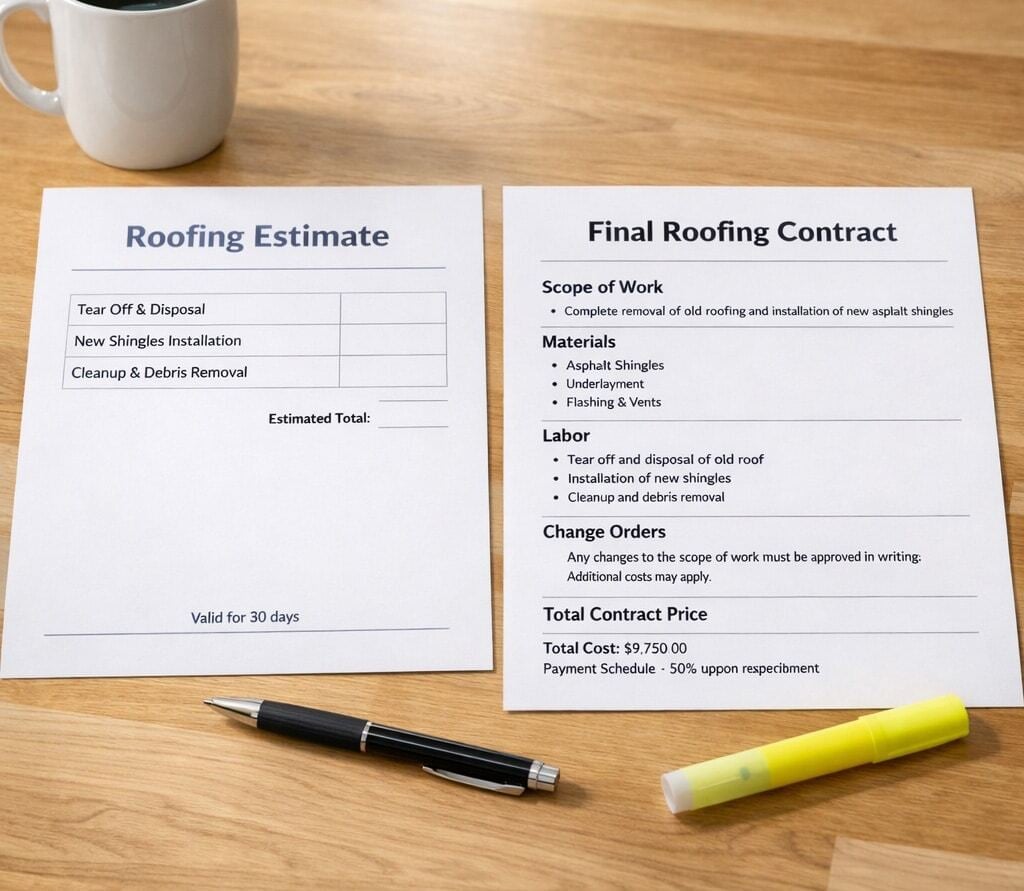
Reach out to a Vermont-based roofing specialist with expertise in residential trends to ensure your choices are well-informed. Their experience can be invaluable in navigating the balance between trendy and timeless.
Step 8: Plan Your Roofing Project
Once you've determined your preferences and needs, plan your project timeline. Consider starting the redesign in early summer when the weather in Vermont is most favorable for roofing work.
Avoiding Common DIY Roofing Mistakes
Embarking on a DIY roofing project without adequate preparation or understanding can easily result in costly errors. Homeowners may be tempted to tackle roofing improvements themselves, but overlooking the complexities of such projects can lead to damaging outcomes. To guard against common pitfalls, consider the following missteps and learn how to avoid them.
Mistake 1: Ignoring Climate Considerations
Many DIYers fail to account for how Vermont's severe winters and hot summers can affect roofing materials. To prevent this, ensure materials are suitable for extreme weather, like heavy snow loads or high UV exposure, to avoid premature deterioration.
Mistake 2: Choosing Style Over Function
While a roof's visual appeal is important, prioritizing aesthetics at the cost of functionality is a common oversight. Select a design that not only complements your home’s style but also includes features like energy efficiency and sustainability to align with Vermont’s focus.
Mistake 3: Improper Material Selection
Opting for materials solely based on cost rather than longevity and sustainability is a frequent error. Choose durable and recyclable materials like metal roofing or sustainable wood that meet local construction standards and contribute positively to the environment.
Mistake 4: Inadequate Planning
Commencing a roofing project without a comprehensive plan, including professional consultations, is a risk. Engage with roofing specialists who can provide insights into residential trends and help you balance the modern with the timeless in your planning.
Mistake 5: Overlooking Energy Efficiency
Overlooking the energy efficiency of roofing materials can lead to increased bills and missed savings. Carefully evaluate roofing materials for their energy-saving properties, especially during Vermont’s sunny summers when cool roofs can make a significant difference.
Mistake 6: Skimping on Professional Help
Attempting complex roofing projects without expert guidance can lead to subpar results. Utilize the expertise of local roofing professionals to guide material choice, installation techniques, and maintenance plans tailored to Vermont's roofing design trends.
Envisioning Your Roof Redesign
Leveraging design software can turn the abstract concept of roofing renovation into a concrete vision. By simulating different materials and styles on a digital model of your home, you gain valuable insights into how your choices will look in reality. This process ensures that the selected roofing design not only is functionally sound for Vermont's varying climates but also enhances your home's curb appeal.
Longevity and Maintenance: A Practical Approach
The durability and upkeep of your roofing materials are paramount concerns, especially in Vermont where weather can be extreme. Comparing the lifespan and maintenance demands is essential to making an informed decision that balances innovation with practicality. For personalized expert advice tailored to the unique needs of Vermont residents, reach out to Adam Quenneville’s Residential Roofing services to plan a roof that endures time and trends.
Morgan Bennett, Marketing Director
Morgan is the Marketing Director at Adam Quenneville Roofing & Siding, joining the team in 2024. She holds a bachelor’s degree in Marketing and Business and helps lead the company’s brand strategy, content, and customer education efforts. Morgan also plays a key role in AQ Cares, AQRS’s community outreach division, helping coordinate partnerships, volunteer initiatives, and local giving programs that support the neighborhoods we serve.
Topics: