How to Protect Your Residential Roof From Extreme Weather Now
August 18th, 2025
4 min read
• Identify early warning signs of roof damage and perform regular checks, especially after extreme weather events
• Maintain your gutters, downspouts, and surrounding trees to prevent potential hazards to your roofing structure
• Invest in professional assessments and durable materials to maximize roof longevity and protect against future weather extremes
Understanding the Red Flags
Your roof is your first line of defense against the tumultuous moods of Mother Nature. Especially in Connecticut's summer, where thunderstorms can suddenly escalate, it's crucial to spot the signs of wear and tear early. Are your shingles starting to curl or crack? These are clear indicators that your roof may not be in top shape to withstand the next round of extreme weather.
When the Elements Leave a Mark
After a severe weather event, take the time to inspect your roof for missing or loose shingles. This kind of damage not only affects the roof's aesthetic but can also lead to more severe issues, such as internal water damage. If you notice stains on your ceilings or walls, it's time to address potential roof leaks before they evolve into costly repairs.
The Danger of Overlooked Maintenance
Maintenance is more than just an annual chore; it's an essential practice to keep your home safe and dry. Allowing your gutters to clog with leaves and debris can cause water to pool and seep under your roof's layers, leading to rot and mold. And while towering trees add beauty to your home, overhanging branches can be a risk; trimming them should become a part of your routine maintenance to prevent damage from fallen limbs.
Strengthening Your Defense Against the Storm
As homeowners in Connecticut, being proactive with roof maintenance is key to longevity and resilience. It's not just about the immediate fixes, but about establishing a routine that keeps your roof in peak condition. Securing shingles against the onslaught of high winds, or applying protective sealants can greatly deter the weather's impact. Taking these steps not only guards against immediate damage, but also extends the overall lifespan of your roofing system.
Mitigating Damage with Expert Help
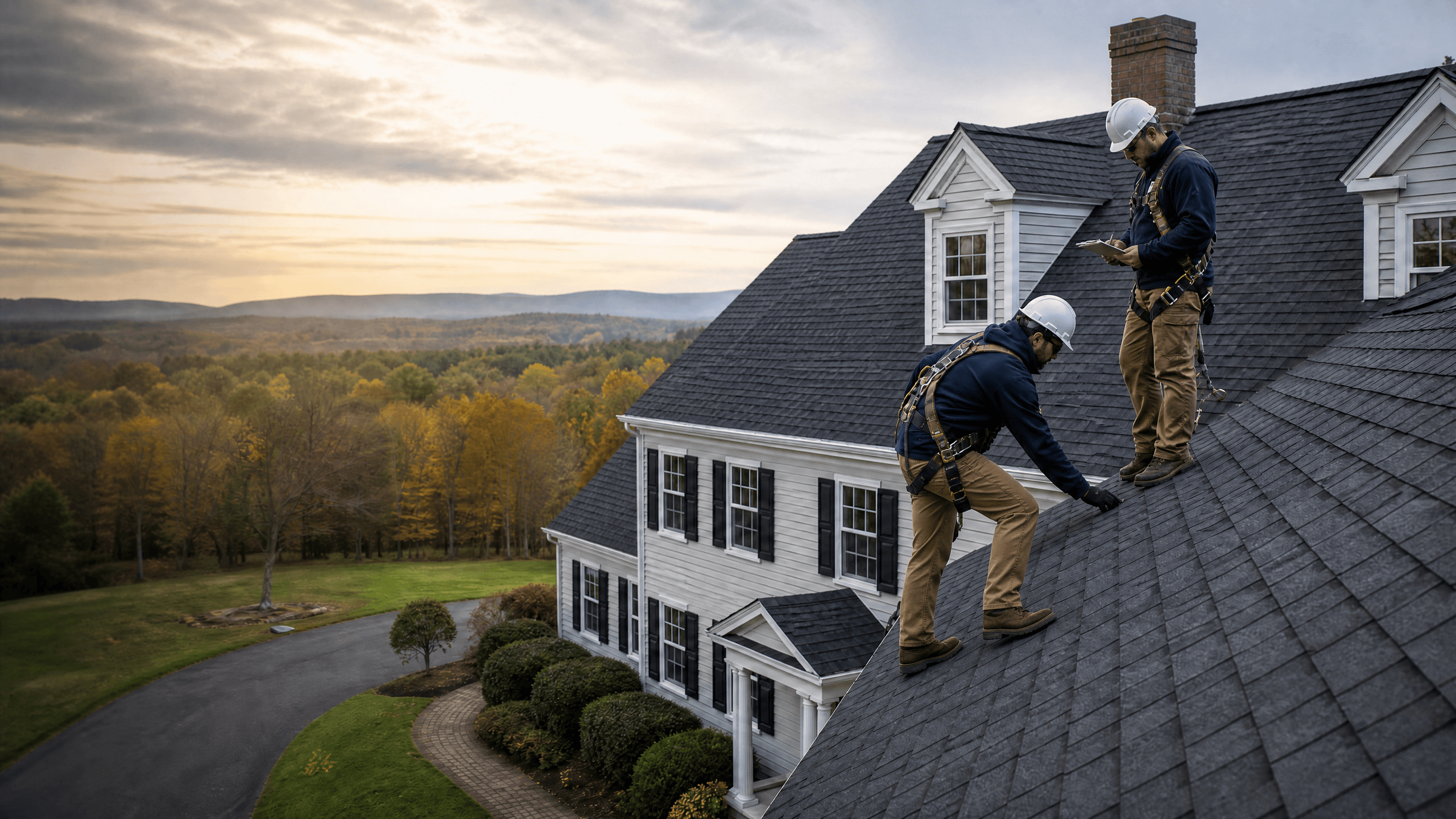
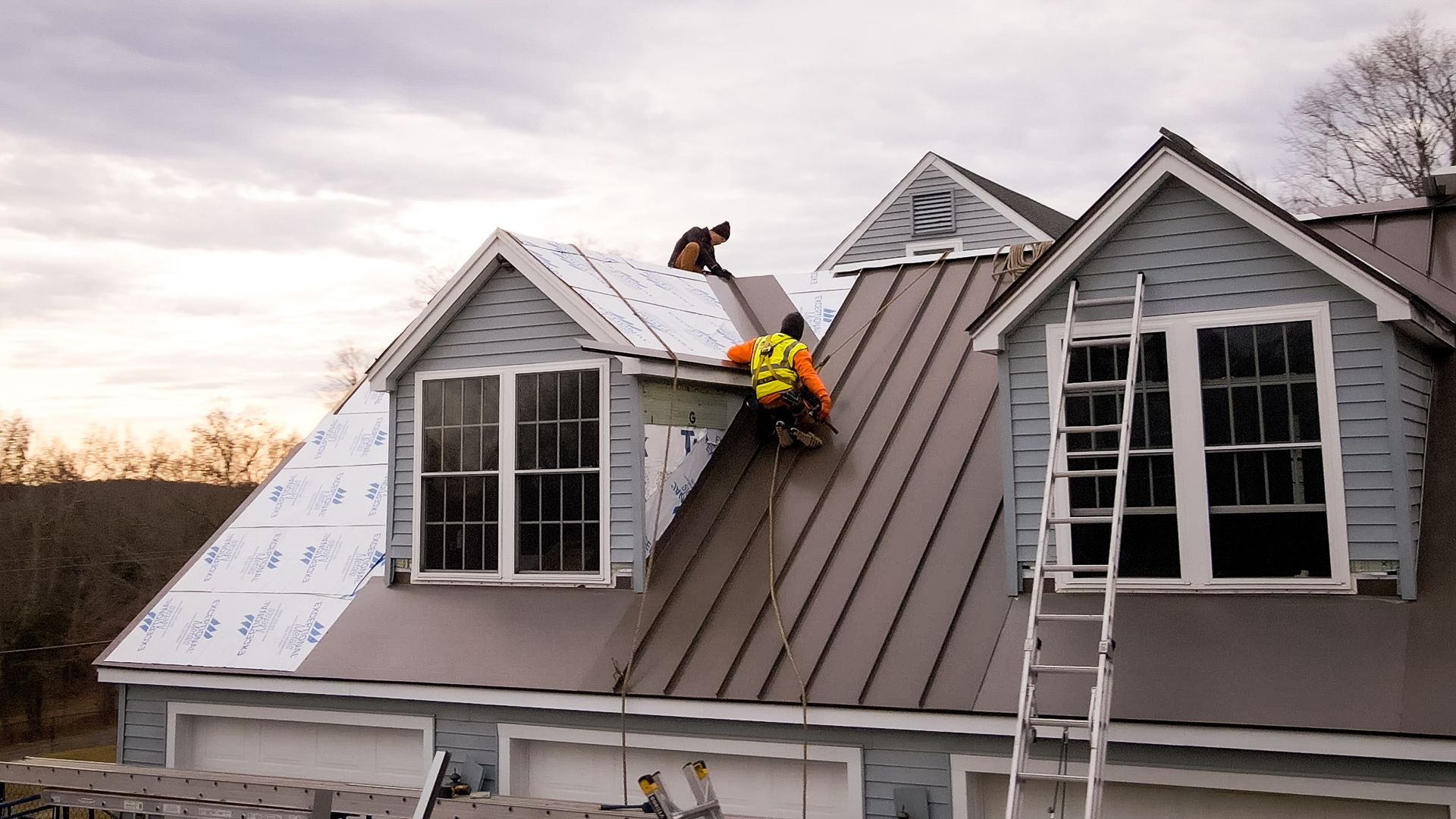
Regular professional evaluations are just as critical as personal vigilance. An expert eye can catch subtleties you might miss and can provide the best course of action for any necessary repairs. Adam Quenneville’s team offers detailed inspections and can recommend whether a simple repair will suffice or if a larger overhaul is necessary to protect your residential roof from extreme weather. Establishing a relationship with a trusted local service ensures that come heatwave or hailstorm, your home stands ready and resilient.
Step 1: Inspect Your Roof Regularly
Check for signs of damage like cracked, loose, or missing shingles, especially after severe weather events. Look for leaks, water damage, or mold in your attic as signs of potential vulnerabilities in your roof.
Step 2: Clean Your Gutters and Downspouts
Ensure your gutters and downspouts are free of debris that can cause water to back up and damage your roof. Perform this maintenance at least twice a year and after heavy storms.
Step 3: Trim Nearby Trees
Keep branches trimmed back away from the roof. Falling limbs or even leaves can cause damage or allow moisture to get trapped on the roof.
Step 4: Reinforce Roof Shingles
Have a professional reinforce your roof shingles to ensure they are securely nailed down and any loose or damaged shingles are replaced.
Step 5: Apply Sealant
Apply a roof sealant to any areas that might allow water penetration, such as around chimneys, vents, and pipe flashing.
Step 6: Insulate and Ventilate the Attic
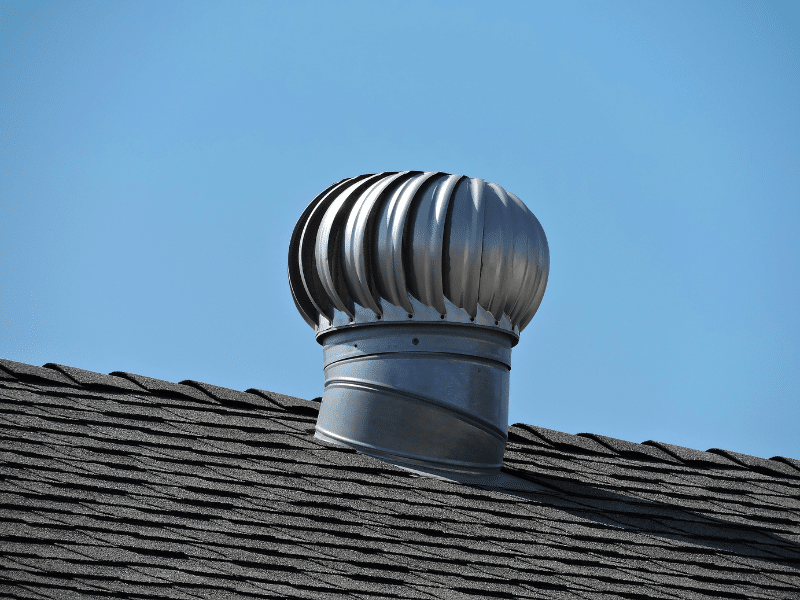
Properly insulating and ventilating your attic can prevent a multitude of issues, including moisture build-up and the effects of freezing and thawing after snowfall.
Step 7: Consider Impact-Resistant Materials
For areas prone to extreme weather conditions, consider upgrading to impact-resistant materials for enhanced protection against hail or debris.
Step 8: Regular Professional Evaluations
Schedule a professional roof inspection annually. An expert can spot potential issues before they become major problems and ensure your roof is prepared for extreme weather conditions.
Avoiding Common DIY Roof Maintenance Errors
Before embarking on a do-it-yourself roof maintenance journey, it's crucial to understand common pitfalls. Many well-intentioned homeowners inadvertently cause more harm than good due to a lack of knowledge or preparation. Recognizing these mistakes can prevent unnecessary damage and ensure that your efforts to protect your home are effective and safe.
Mistake #1: Neglecting Regular Inspections
Many homeowners fail to inspect their roof until obvious signs of damage appear. However, regular checks, especially after extreme weather, can catch issues early. Prevent this mistake by scheduling bi-annual inspections into your home maintenance calendar.
Mistake #2: Improper Gutter Cleaning
Gutters clogged with debris can lead to water damage on the roof. A common mistake is not cleaning them thoroughly or frequently enough. To avoid this, ensure gutters are cleaned out at least twice a year and after major storms.
Mistake #3: Overlooking Tree Maintenance
It's easy to underestimate the threat of overhanging branches until a storm hits. Failing to trim these branches can result in roof damage. Prevent this by keeping trees well-trimmed and away from the roofline.
Mistake #4: Incorrectly Applying Sealant
Homeowners often misapply sealant, which can lead to leaks. When applying roof sealant, make sure to cover all potential entry points correctly. If unsure, consult a professional on proper application techniques.
Mistake #5: DIY Repairs Beyond Skill Level
Attempting repairs that are beyond personal skill levels can be a costly error. Instead of guessing, hire a professional for complex tasks such as reinforcing roofing elements or replacing shingles. It's worth investing in expert services to avoid further damage.
Mistake #6: Poor Attic Insulation and Ventilation
Inadequate attic insulation and ventilation can lead to moisture problems and decreased energy efficiency. Homeowners may skimp on this area, only to face bigger issues later. Ensure your attic is properly insulated and ventilated to maintain roof health.
Mistake #7: Delaying Professional Evaluations
Putting off professional evaluations can lead to missed warnings. Regular roof inspections by professionals can identify potential problems you may not see. Schedule annual inspections to keep your roof in optimal condition.
Proactive Preparations for Seasons Ahead
Investing in your roof's durability extends beyond immediate repairs; it's a commitment to safeguarding your home for all seasons. Opting for impact-resistant materials can offer peace of mind against future storms. Moreover, ensuring your attic is properly insulated and ventilated not only optimizes energy efficiency but also prevents ice dams and moisture issues, which are critical against the backdrop of Connecticut's varying climate.
The Final Check: Professional Assessment
Reinforcing your residential safeguard can sometimes require professional acumen to determine the subtle nuances that may escalate into future problems. Scheduling annual or bi-annual professional evaluations is a smart investment that can save significant costs and headaches down the line. These inspections provide critical insights into potential vulnerabilities and offer tailored solutions, ensuring your roof maintains its fortitude against the extreme weather conditions that each season may bring.
Morgan Bennett, Marketing Director
Morgan is the Marketing Director at Adam Quenneville Roofing & Siding, joining the team in 2024. She holds a bachelor’s degree in Marketing and Business and helps lead the company’s brand strategy, content, and customer education efforts. Morgan also plays a key role in AQ Cares, AQRS’s community outreach division, helping coordinate partnerships, volunteer initiatives, and local giving programs that support the neighborhoods we serve.
Topics: