How to Prevent Roof Mold and Algae: Step-By-Step Guide
September 18th, 2025
5 min read
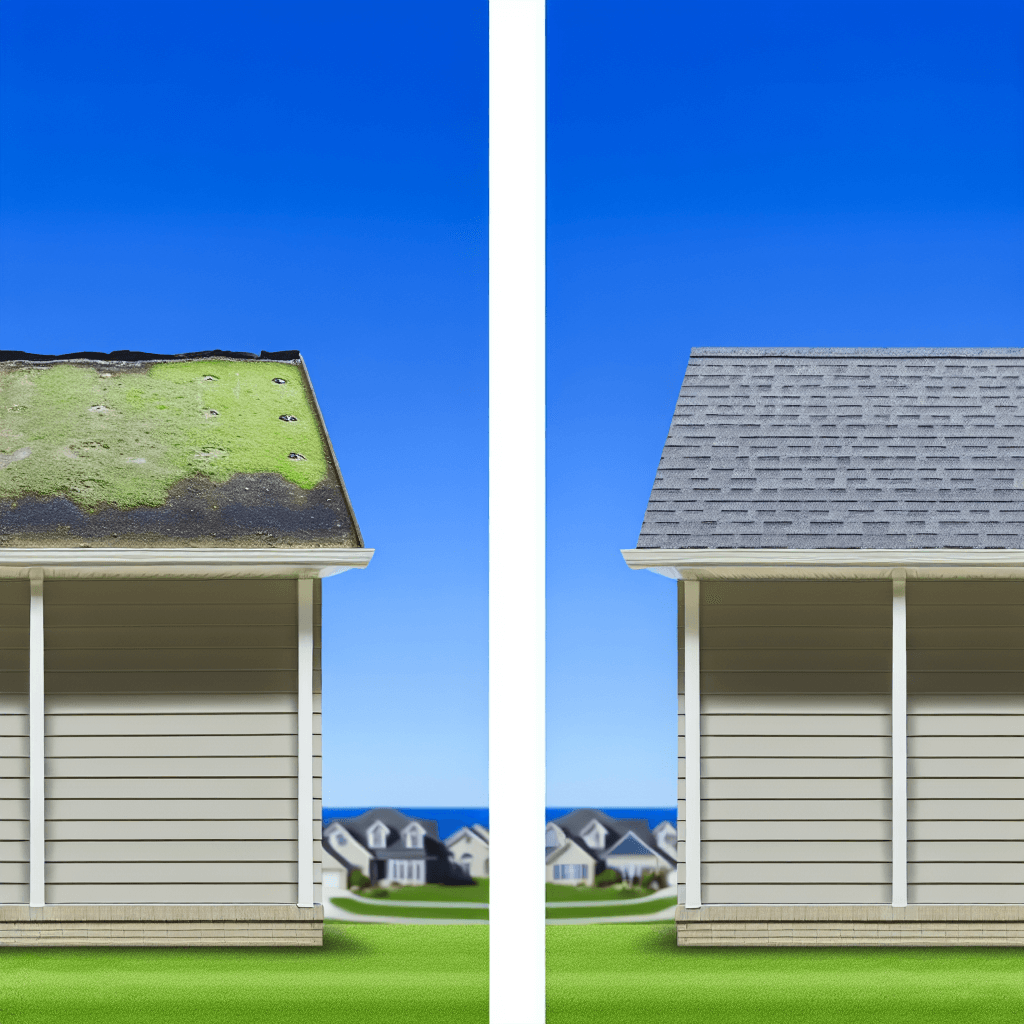
• Step-by-step guide to identifying and addressing roof mold and algae
• Importance of regular roof maintenance and cleaning to prevent damage
• Professional roofing services as the best option for effective mold and algae treatment
Spotting the Early Signs of Trouble
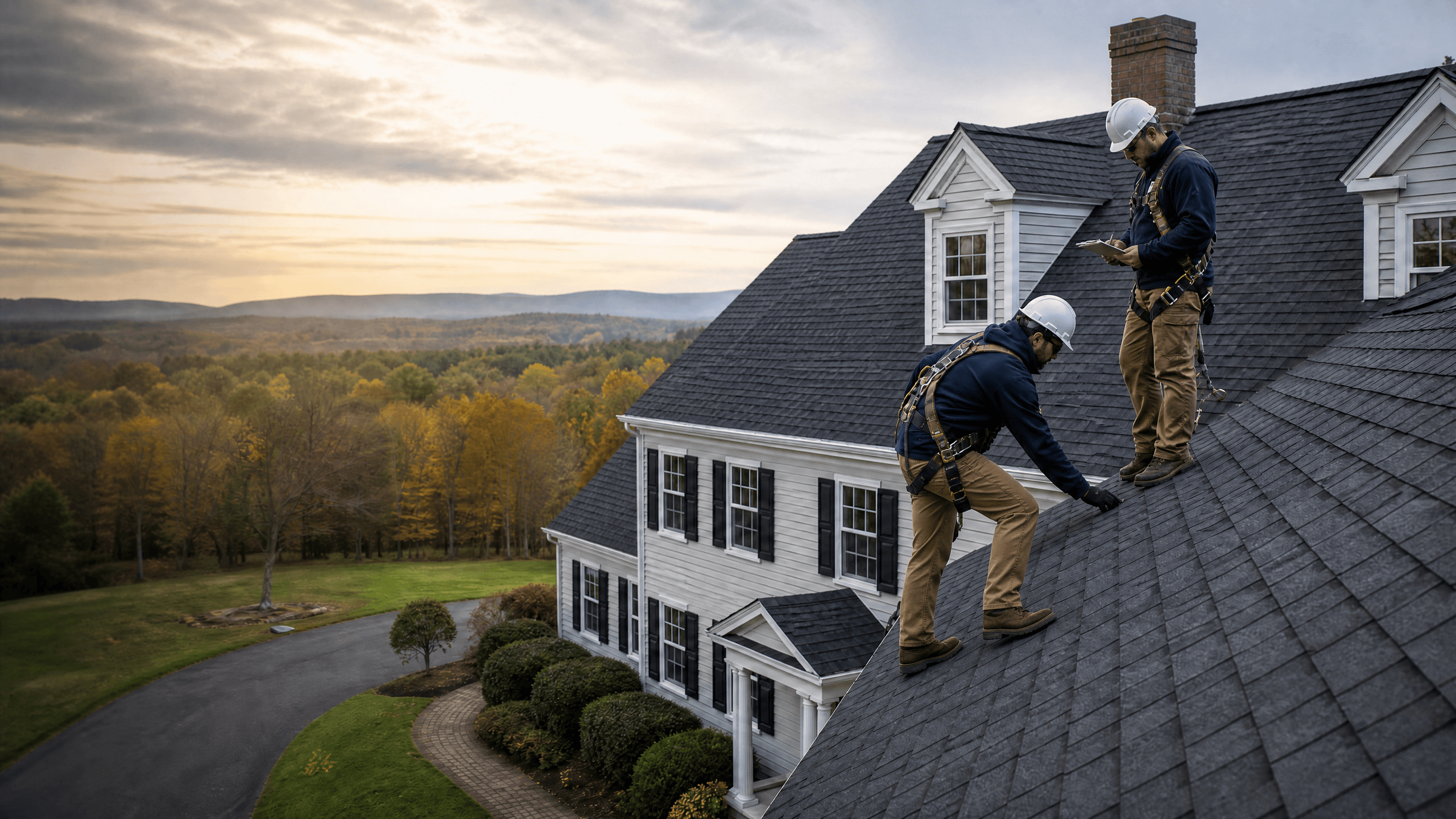
Observing your roof’s condition as the seasons change is vital to prevent extensive damage from roof mold and algae growth. Vermont's diverse climate, with its rainy springs and humid summers, sets the stage for these unwelcome visitors. A roof marred by dark streaks or spots may seem cosmetic but signals a deeper problem. Early detection is key to avoiding costly repairs down the line and maintaining the structural integrity of your home.
As the leaves begin to fall and Vermont’s landscapes shift into the stunning colors of autumn, it's crucial to act. Leaves and other organic debris that accumulate can trap moisture, providing a fertile breeding ground for mold and algae. This buildup is often more than an eyesore, potentially leading to wood rot and compromised shingles. Maintain a clean roof surface to ensure longevity and prevent the onset of these harmful growths.
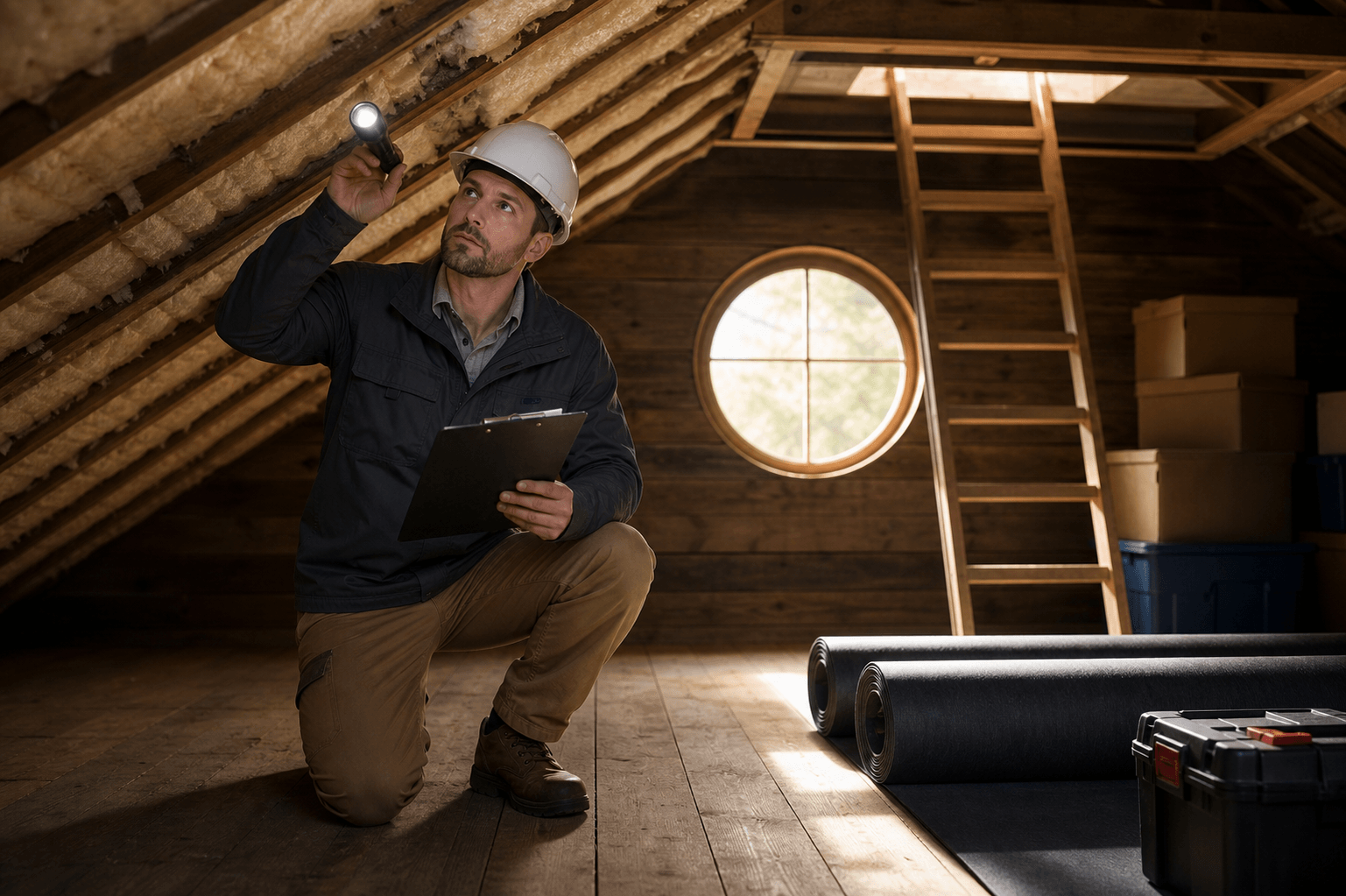
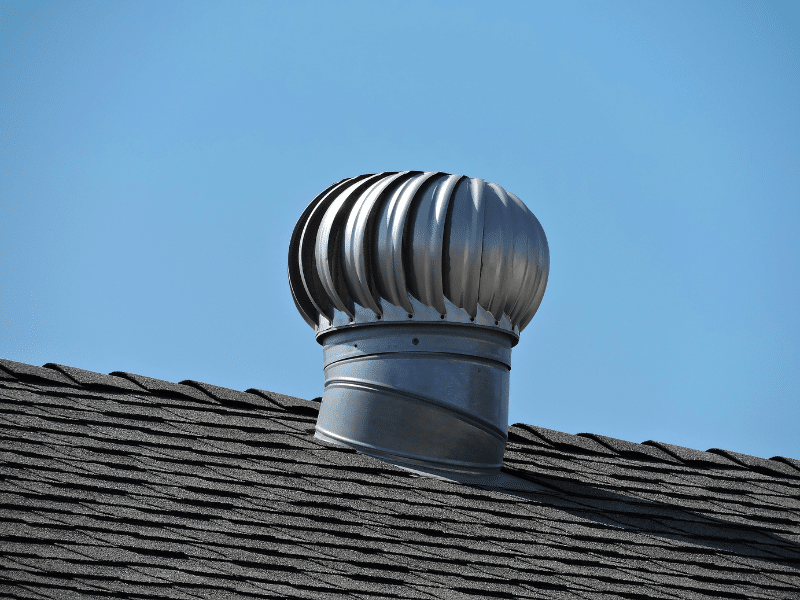
Another critical factor often overlooked is attic ventilation which plays a significant role in roof health. Inadequate ventilation traps heat and moisture, accelerating mold and algae proliferation. Ensuring proper airflow can drastically reduce the likelihood of growth by keeping your roof dry and temperature-regulated. A well-ventilated attic is a foundational step in cultivating a mold and algae-resistant environment on your roof.
Proactive Measures for a Healthy Roof
Taking proactive steps is essential for keeping your roof free from harmful mold and algae growth. It's about more than just aesthetics; the integrity of your roofing materials is at stake. A simple yet effective measure is to schedule regular roof inspections, potentially saving you from expensive repairs or replacements down the line. The goal is to catch and address any issues early on, ensuring a longer lifespan for your roof.
Whether your property is residential or commercial, the need for vigilance remains the same. Ensuring that your attic has adequate ventilation not only aids in preventing mold but also contributes to energy efficiency. Don't overlook the importance of trimming overhanging branches; this not only reduces debris but also minimizes excess moisture. For more information on maintaining your roof's health, consider exploring the extensive services offered from experts in roofing conditions at Adam Quenneville.
Comprehensive Solutions for Longevity
Installing specialized zinc or copper strips can play a pivotal role in combating mold and algae. These strips offer a long-term prevention method by providing a hostile environment for spore growth. For those considering roof replacement, incorporating algae-resistant shingles could be a sound investment, with the added benefit of curbing future mold and algae concerns. It's a forward-thinking approach that secures both the aesthetic and functional aspects of your roofing system.
Finally, the application of a quality moss and algae inhibitor after a thorough roof cleaning cannot be overstated. This is where professional expertise comes into play — a precise application is crucial for the product to be effective. If you're uncertain about taking on this task yourself, it’s wise to engage with seasoned professionals. Partnering with the right team ensures that your roof is not only clean but also well-protected against the elements.
Step 1: Inspect Your Roof Regularly
Check for signs of mold and algae every few months, especially after wet seasons. Look for dark streaks or spots on the shingles.
Step 2: Keep the Roof Clean
Remove any debris like leaves and branches from your roof. This prevents moisture accumulation which is a breeding ground for mold and algae.
Step 3: Ensure Proper Ventilation
Make sure your attic is well-ventilated. This helps to keep the roof dry and reduces the potential for mold and algae growth.
Step 4: Trim Overhanging Tree Branches
Cut back any branches that hang over your roof to decrease shade and dampness, which can promote the growth of mold and algae.
Step 5: Install Zinc or Copper Strips
Place zinc or copper strips beneath the top row of shingles. These metals are natural fungicides and can prevent the growth of mold and algae.
Step 6: Use Algae-Resistant Shingles
When it’s time to replace your roof, consider using algae-resistant shingles which contain copper granules to prevent growth.
Step 7: Apply a Moss and Algae Inhibitor
After cleaning, apply a preventative moss and algae inhibitor to the roof surface, which can restrain the growth of new spores.
Step 8: Schedule Professional Roof Cleaning
Hire professionals every few years to thoroughly clean your roof, as they have the proper equipment and solutions to safely and effectively remove mold and algae.
Avoiding Common DIY Rooftop Mistakes
DIY roof maintenance can be a rewarding endeavor, but common pitfalls can lead to bigger issues if not avoided. Many homeowners dive into rooftop work without fully understanding the best practices, leading to preventable mistakes. By being mindful of the errors outlined below, you can ensure a healthier, longer-lasting roof, free from the scourge of mold and algae.
Mistake 1: Infrequent Inspections
Not checking your roof regularly, especially after the wet seasons, can allow mold and algae to grow unnoticed. It's crucial to inspect your roof every few months to catch any early signs of trouble.
Mistake 2: Allowing Debris Build-Up
Leaving leaves, branches, and other debris on your roof can trap moisture and encourage mold and algae growth. Be sure to routinely clean your roof to prevent these conditions.
Mistake 3: Neglecting Proper Ventilation
Failure to ensure that your attic is well-ventilated can lead to a damp roof environment that's ideal for mold and algae. Double-check your attic ventilation to keep your roof dry and healthy.
Mistake 4: Not Trimming Trees
Overhanging branches not only drop debris but also cast shade that retains moisture, aiding mold and algae growth. Keep tree limbs trimmed back from your roof to reduce dampness.
Mistake 5: Skipping Metal Strip Installation
Forgetting to install zinc or copper strips can mean missing out on a simple, yet effective, mold and algae growth prevention method. Incorporate these strips when possible to protect against fungal growth.
Mistake 6: Choosing the Wrong Shingles
Opting for standard shingles when algae-resistant options are available can be a short-sighted choice. When it's time for a replacement, choose shingles with copper granules to prevent future growth.
Mistake 7: Improper Use of Inhibitors
Incorrectly applying moss and algae inhibitors can result in ineffective treatment. Follow the manufacturer’s instructions for the proper application to restrain new spore growth.
Mistake 8: Skipping Professional Cleanings
Underestimating the value of professional roof cleanings can be a costly mistake. Professionals use the right equipment and solutions that homeowners may not have access to for safe and effective mold and algae removal.
Establishing Consistent Care Routines
Adopting a consistent care routine plays a critical role in preventing mold and algae from taking hold. Regular inspection and maintenance become the linchpin in the longevity of your roof's life. A well-maintained roof not only performs better but also boosts your home’s overall aesthetic appeal.
While maintaining the roof may seem like a daunting task, the peace of mind it brings cannot be overstated. It’s the difference between reactive emergency repairs and a carefully managed home maintenance plan. For those seeking expertise in creating a robust roofing regimen, residential roofing services can provide tailored guidance and support.
Sealing the Deal with Professional Expertise
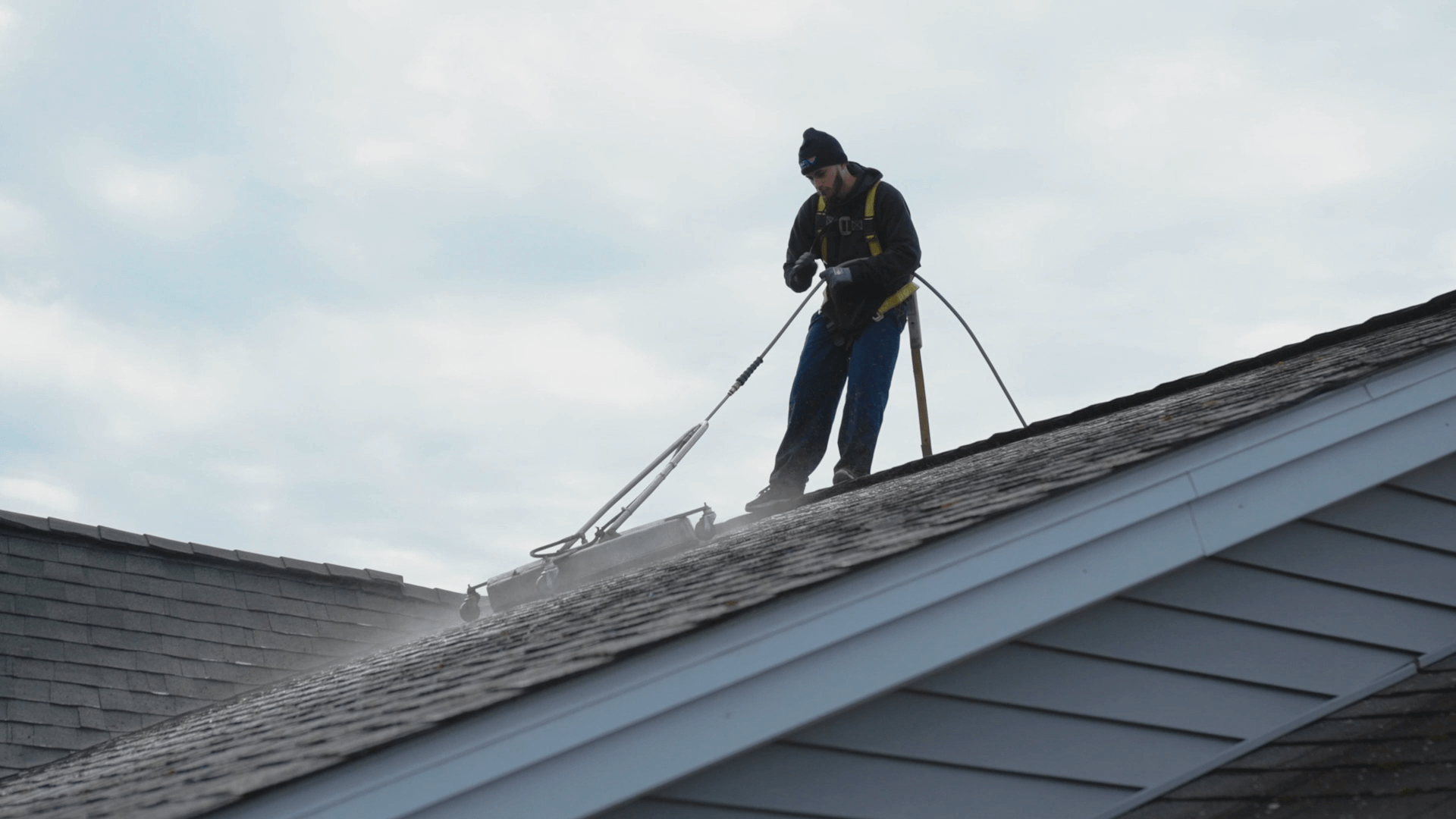
Even with the best DIY efforts, there comes a time when professional services are indispensable. Roof cleaning and applying preventative treatments should sometimes be left in the hands of those with the right skills and equipment. Professional roof cleaners have access to high-grade tools and techniques that ensure your roof is not just cleaned but preserved.
Periodic professional cleaning complements your regular maintenance, creating an impenetrable defense against the elements. This not only ensures a mold-free roof but also safeguards against potential water damage that can come from unnoticed growth. For comprehensive protection, it's wise to look into roof insurance claims services, ensuring you’re covered in all eventualities.
Morgan Bennett, Marketing Director
Morgan is the Marketing Director at Adam Quenneville Roofing & Siding, joining the team in 2024. She holds a bachelor’s degree in Marketing and Business and helps lead the company’s brand strategy, content, and customer education efforts. Morgan also plays a key role in AQ Cares, AQRS’s community outreach division, helping coordinate partnerships, volunteer initiatives, and local giving programs that support the neighborhoods we serve.
Topics: