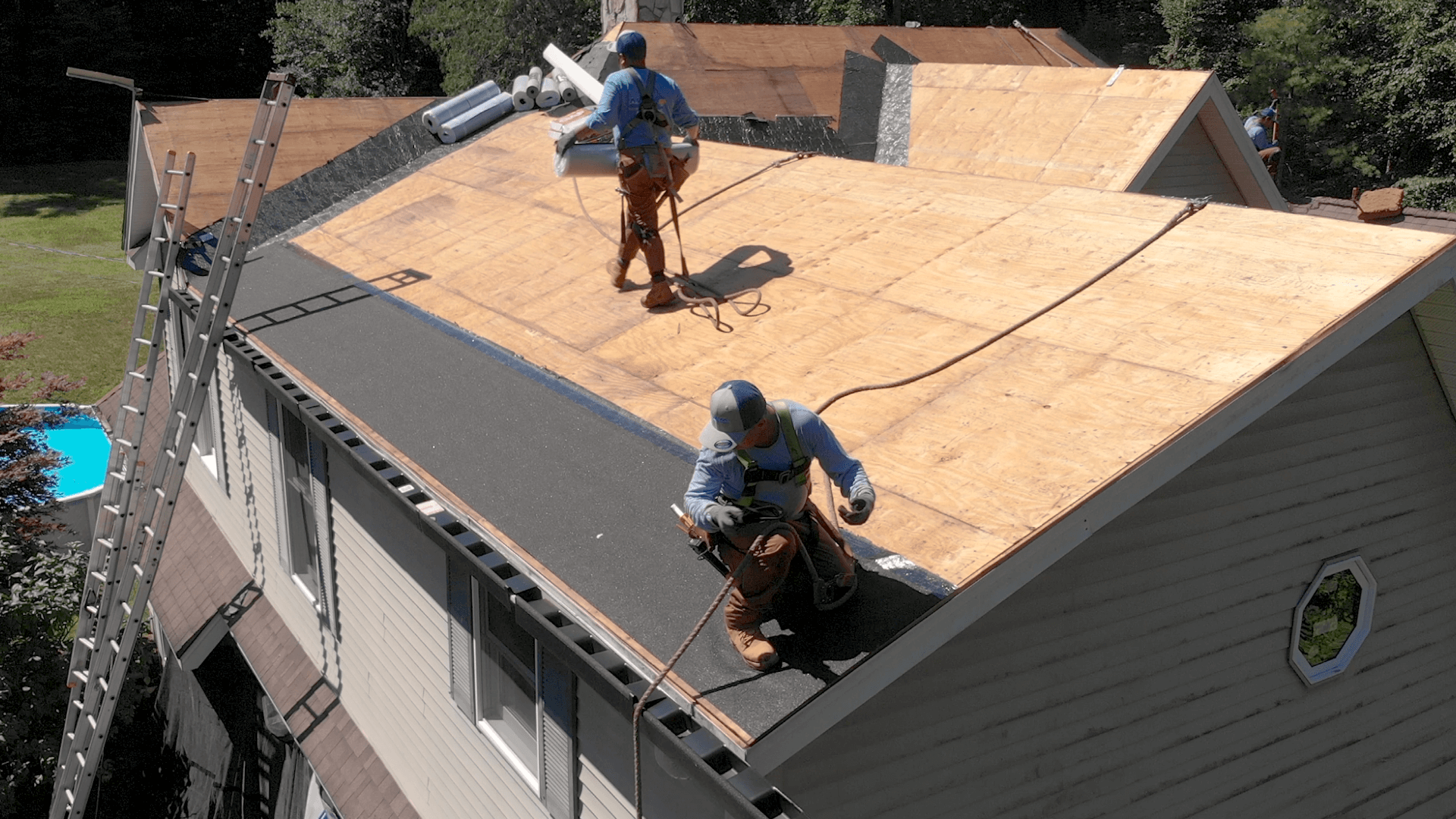

Insurance Claim Wind Damage Roof: Your Step-By-Step Guide
June 2nd, 2025
5 min read

Sealing the Deal: Finalizing Your Claim
With the right preparation and support, steering through the aftermath of wind damage need not be a solitary journey. Finalizing your insurance claim is a milestone, one that signifies the nearing end of what could have been an arduous ordeal. It's imperative to track the progress of your claim diligently, ensuring all procedural steps are on schedule and correctly executed. Throughout this period, maintaining open lines of communication with your insurer and contractor will keep potential misunderstandings at bay. A successful claim is not just about the funds received; it's about how seamlessly one can transition from recovery back to normalcy.
Ready and Resilient: Preparing for Future Wind Events
Once the claim is settled and the repairs are complete, the narrative doesn't end—it evolves. The experience garners wisdom, and this newfound insight is a catalyst for future-proofing your home against similar incidents. It propels homeowners into taking proactive measures: reinforcing roofs, reviewing insurance policies annually, and establishing a rapport with a dependable contractor, like those at Adam Quenneville. It is less about the fear of future storms and more about the confidence in your home's bolstered defences. With every rattling gust that passes harmlessly over your reinforced roof, the investments in resilience echo with the assurance of safety.
Trust, Expertise, and Assurance
To respect the trust placed in us, we conclude with a reaffirmation of assurance. The path of restoration and resilience is not traversed alone; it's a collaboration between homeowner, insurer, and expert contractors. The storms may rage and test the mettle of your home, but equipped with the knowledge and support discussed, you stand ready. As the winds quiet and calm returns, let this guide serve as your reference, your blueprint, for when the skies once again grow dark. And remember, the fortitude of your spirit, just like your newly fortified roof, is built to endure and withstand.
Understanding Wind Damage Claims for Your Roof
When the wind roars, it does not whisper troubles; it heralds them with the violence only nature can muster. In Vermont, where the skies can turn from tranquil to turbulent, your sanctuary—your home—is tested against the gusts. And when your roofing succumbs to the tempest's might, it's not just shingles that flutter away but your peace of mind too. That's where the knowledge of handling an insurance claim wind damage roof becomes quintessential. Our homes are more than four walls; they are safety, comfort, and memories piled high; thus, preserving them is paramount.
Navigating the insurance landscape can seem as daunting as the storm itself. Documenting the damage is your first sailpost, ensuring that every mark Mother Nature has left is chronicled for the world—and your insurer—to witness. It's not merely about taking note; it's about understanding how to convey the extent of the plight that has befallen your residence. The aftermath of a storm is no time for shortcuts; instead, it's a time for meticulous attention to detail. Take heart in knowing that with each photo, annotated finding, and collected evidence, you're building a strong case for your claim.
And while the clouds may clear, the path forward isn't always bright without guidance. The stakes are high, and the perplexity of policy coverage only adds layers to an already complex ordeal. It is critical that homeowners comprehend the finer text of their policy: wind speeds that the roof must withstand, exact coverage, deductibles, and perhaps most vitally, time limits on filing a successful claim. Delving into these details, homeowners arm themselves with information, turning the tables on what can be an overwhelming process. Our armor in this battle does not clink or clang; it's crafted of knowledge, preparation, and the resolve to restore your home to its pre-storm splendor.
Sealing the Deal: Finalizing Your Claim
With the right preparation and support, steering through the aftermath of wind damage need not be a solitary journey. Finalizing your insurance claim is a milestone, one that signifies the nearing end of what could have been an arduous ordeal. It's imperative to track the progress of your claim diligently, ensuring all procedural steps are on schedule and correctly executed. Throughout this period, maintaining open lines of communication with your insurer and contractor will keep potential misunderstandings at bay. A successful claim is not just about the funds received; it's about how seamlessly one can transition from recovery back to normalcy.
Ready and Resilient: Preparing for Future Wind Events
Once the claim is settled and the repairs are complete, the narrative doesn't end—it evolves. The experience garners wisdom, and this newfound insight is a catalyst for future-proofing your home against similar incidents. It propels homeowners into taking proactive measures: reinforcing roofs, reviewing insurance policies annually, and establishing a rapport with a dependable contractor, like those at Adam Quenneville. It is less about the fear of future storms and more about the confidence in your home's bolstered defences. With every rattling gust that passes harmlessly over your reinforced roof, the investments in resilience echo with the assurance of safety.
Trust, Expertise, and Assurance
To respect the trust placed in us, we conclude with a reaffirmation of assurance. The path of restoration and resilience is not traversed alone; it's a collaboration between homeowner, insurer, and expert contractors. The storms may rage and test the mettle of your home, but equipped with the knowledge and support discussed, you stand ready. As the winds quiet and calm returns, let this guide serve as your reference, your blueprint, for when the skies once again grow dark. And remember, the fortitude of your spirit, just like your newly fortified roof, is built to endure and withstand.
Insights From The Experts
Tip 1:
Before filing a claim, document all wind damage thoroughly with photos and videos. This visual evidence can support your insurance claim and ensure a more accurate assessment of the damages.
Tip 2:
When inspecting your roof for wind damage, look for missing, lifted, or curled shingles, which are common signs. Additionally, check for damaged flashing, gutters, and downspouts as wind can affect these too.
Tip 3:
Understand your insurance policy's specifics regarding wind damage ahead of time. Know your deductible and coverage limits to avoid surprises when filing a claim for wind damage to your roof.
Tip 4:
Hire a professional roofing contractor to get a detailed inspection and estimate for repairs. Their expertise can help ensure your insurance claim includes all necessary repairs and helps avoid further damage down the line.
Tip 5:
Act quickly to make a claim and begin repairs after wind damage is discovered. Prompt action can prevent additional damage caused by weather exposure, minimizing the cost and extent of necessary roof repairs.
Addressing Common Concerns
What Kind Of Wind Speeds Can Typical Roofing Systems Withstand?
Most residential roofing systems are designed to withstand winds up to 90 miles per hour. However, performance can vary based on factors like installation quality and roof age.
How Do Homeowners Determine If Wind Damage To A Roof Is Significant?
Significant wind damage often presents as missing shingles, visible leaks, or punctures. If you notice these or any roof components like gutters and flashing looking out of place, call a professional for an assessment.
What Are The First Steps To Take After Noticing Wind Damage On A Roof?
The first steps include documenting the damage, securing a tarp to prevent further issues, and contacting your insurance provider and a reputable roofing contractor for inspection.
Is Wind Damage Covered Under Most Homeowner Insurance Policies?
Yes, most homeowner insurance policies generally cover wind damage, but it's crucial to review your policy for specific coverage details, including any exclusions or deductibles.
How Often Should Roofs Be Inspected For Potential Wind Damage?
Roofs ideally should be inspected at least twice a year and after major storms to quickly address any potential wind damage before it leads to larger issues.
Morgan Bennett, Marketing Director
Morgan is the Marketing Director at Adam Quenneville Roofing & Siding, joining the team in 2024. She holds a bachelor’s degree in Marketing and Business and helps lead the company’s brand strategy, content, and customer education efforts. Morgan also plays a key role in AQ Cares, AQRS’s community outreach division, helping coordinate partnerships, volunteer initiatives, and local giving programs that support the neighborhoods we serve.
Topics: