Identifying Common Roof Leak Sources: What You Need to Know Now
August 10th, 2025
5 min read
• Discover early signs of a roof leak and why immediate attention is crucial to prevent damage
• Learn how to identify leak sources and simple DIY fixes to maintain a dry, safe home
• Get expert tips on preventing leaks and when to seek professional roof maintenance services
Roof Leak Prevention: A Proactive Approach
Too often, homeowners think of roof maintenance only when faced with a leak, but a proactive approach can prevent issues from occurring in the first place. Regular maintenance, such as inspecting your roof for signs of wear and tear, can head off leaks. Seasons change, and with them, your roof endures varying degrees of stress, so it's wise to have post-winter and pre-fall check-ups. Ensuring that potential problems are caught before they lead to leaks is far more cost-effective than dealing with the aftermath of water damage. A healthy roof also improves overall energy efficiency, keeping your home warmer in winter and cooler in summer.
Finding The Right Help For Your Roof
When it comes to roof leaks, sometimes the solution requires more than a keen eye and a steady hand; it necessitates the expertise of a professional. Recognizing when to call in an expert is crucial—extensive water damage, multiple leak points, or structural concerns are not DIY moments. Qualified roofing contractors have the experience to see beyond the obvious to underlying issues that might escape the untrained eye. They can provide comprehensive services, including repairs, replacements, and even assistance with insurance claims, ensuring your roof’s integrity is maintained. Take a moment to explore roof insurance claims services for when the situation calls for it.
The Final Guard Against the Elements
As the first defense against nature's elements, your roof's importance cannot be understated—keeping it in top condition safeguards your home and your family. Ignoring a roof leak can spiral into a host of other issues, including aggravated wear and structural impairments. Home upkeep can seem daunting, but with consistent efforts and knowledgeable decisions, maintaining a leak-free roof is entirely achievable. Consider setting a reminder for biannual roof evaluations, and during times of heavy rainfall or snow, increase your vigilance. A robust, well-cared-for roof is not just a shelter but a trusted guardian of your daily life and cherished memories.
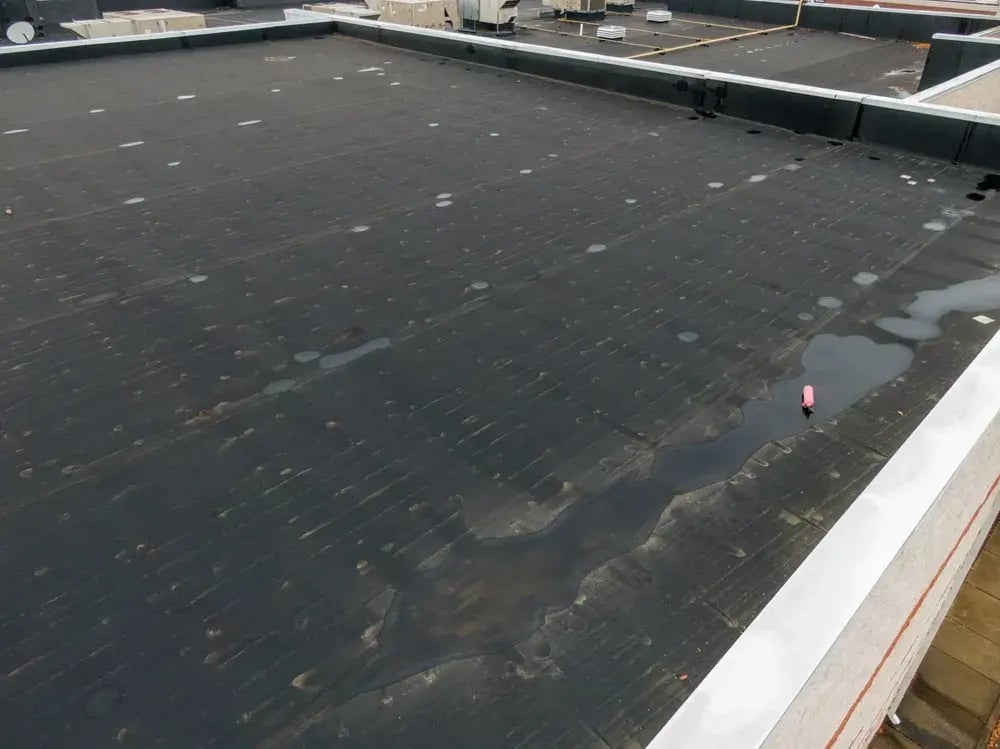
Imagine the sinking feeling in your stomach as you notice a tell-tale water stain spreading across your ceiling; it's a clear sign that a silent menace has been at work. A roof leak, seemingly insignificant at first, can quickly escalate into a disaster, causing extensive damage to your home's structure and interior. Ignoring what appears to be a minor drip can lead to mold, damaged insulation, and even a compromised structural integrity. Immediate action is not just a recommendation; it's a necessity to prevent a minor issue from becoming a homeowner's nightmare. Identifying common roof leak sources early could save you not just money, but also the invaluable peace of mind that your home remains safe and secure.
Common Concerns With Roof Leaks
When it comes to your home, few things are as crucial as a secure and dry roof over your head. Understanding that proper identification and swift action are key to managing roof leaks will empower you as a homeowner. Even the most robust roofs can fall prey to the elements, with storm damage being a principal culprit in compromising shingles or tiles. However, it's not just severe weather; factors like aging materials and wear and tear also come into play, making routine checks a critical practice. By being vigilant and responsive to the first signs of a leak, you significantly reduce the risk of long-term damage.
Now, let's say you've spotted the dreaded signs of a leak; what do you do next? The journey to a leak-free roof starts with understanding the likely places leaks originate, including areas around your chimney, skylights, or where different roof planes meet. These are areas where even the best installations can fail over time. Don't hesitate to look closer if you notice missing granules, cracks, or even missing pieces after a heavy storm – these defects are often the gateway for water intrusion. Remember, while it's possible to address some minor issues yourself, professional assessment is invaluable for ensuring a comprehensive resolution and preventing future leaks.
Roof Leak Prevention: A Proactive Approach
Too often, homeowners think of roof maintenance only when faced with a leak, but a proactive approach can prevent issues from occurring in the first place. Regular maintenance, such as inspecting your roof for signs of wear and tear, can head off leaks. Seasons change, and with them, your roof endures varying degrees of stress, so it's wise to have post-winter and pre-fall check-ups. Ensuring that potential problems are caught before they lead to leaks is far more cost-effective than dealing with the aftermath of water damage. A healthy roof also improves overall energy efficiency, keeping your home warmer in winter and cooler in summer.
Finding The Right Help For Your Roof
When it comes to roof leaks, sometimes the solution requires more than a keen eye and a steady hand; it necessitates the expertise of a professional. Recognizing when to call in an expert is crucial—extensive water damage, multiple leak points, or structural concerns are not DIY moments. Qualified roofing contractors have the experience to see beyond the obvious to underlying issues that might escape the untrained eye. They can provide comprehensive services, including repairs, replacements, and even assistance with insurance claims, ensuring your roof’s integrity is maintained. Take a moment to explore roof insurance claims services for when the situation calls for it.
The Final Guard Against the Elements
As the first defense against nature's elements, your roof's importance cannot be understated—keeping it in top condition safeguards your home and your family. Ignoring a roof leak can spiral into a host of other issues, including aggravated wear and structural impairments. Home upkeep can seem daunting, but with consistent efforts and knowledgeable decisions, maintaining a leak-free roof is entirely achievable. Consider setting a reminder for biannual roof evaluations, and during times of heavy rainfall or snow, increase your vigilance. A robust, well-cared-for roof is not just a shelter but a trusted guardian of your daily life and cherished memories.
Insights From The Experts
Tip 1:
Regularly inspect your shingles or tiles, especially after storms, for any signs of damage. A small crack or missing piece can allow water to penetrate and cause leaks.
Tip 2:
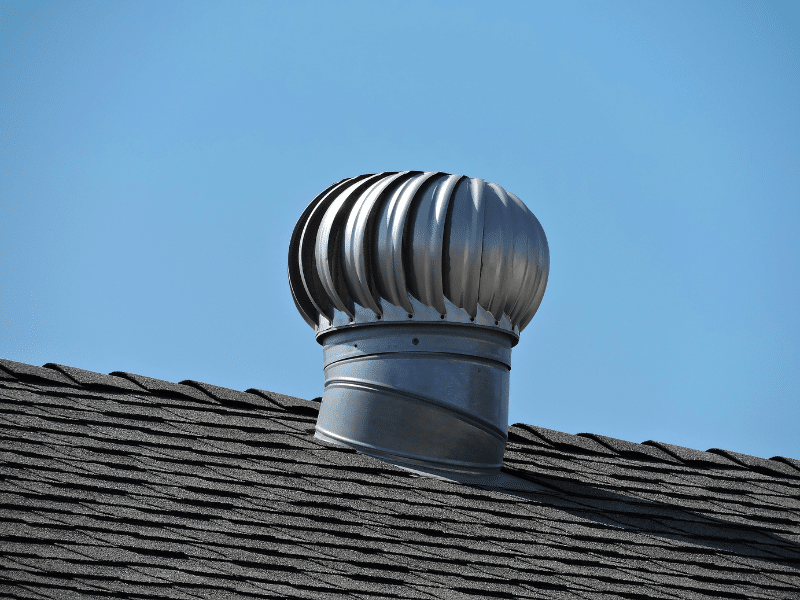
Check the flashing around vents, skylights, and chimneys annually. Faulty flashing is a common cause of leaks and should be sealed or replaced as part of routine maintenance.
Tip 3:
Keep gutters and downspouts clear of leaves and debris. Blockages can lead to water backup and seepage, which over time can damage the roof and cause leaks.
Tip 4:
Consider a professional inspection if you’re unsure about the condition of your roof. They can offer expertise and identify potential problems before they turn into costly leaks.
Tip 5:
Be proactive with seasonal maintenance. Before the onset of heavy rains or snow, ensure your roof is in top condition to handle the increased water load and prevent leaks.
Your Roof Leak Questions Answered
What Are The Initial Signs That Indicate A Roof Leak Might Be Present?
Early signs of a roof leak can include water stains on your ceiling, musty odors in certain rooms, or visible damage on your roofing shingles. If you notice paint peeling or bubbling on interior walls or ceilings, it's time to investigate for leaks.
How Can I Pinpoint The Exact Source Of A Roof Leak In My Home?
Tracing the exact source of a leak often requires checking the roof uphill from stains or signs of moisture. Considering how water flows, look for breaches in the roofing barrier at peaks, valleys, flashing points or through damage to the shingles.
Can I Fix A Roof Leak Myself Or Should I Always Call A Professional?
For small, accessible leaks, a proficient homeowner can attempt temporary fixes, but for safety and efficacy, professional repairs are recommended. Persistent or large-scale leaks should be addressed by a trained roofing contractor to ensure a long-lasting solution.
What Preventative Measures Can Homeowners Take To Avoid Roof Leaks?
Routine inspections and maintenance, such as cleaning gutters, checking for damaged shingles, and ensuring flashing is intact, are key to avoiding roof leaks. Additionally, trim overhanging branches to reduce debris and prevent damage.
How Often Should A Roof Be Inspected To Prevent Potential Leaking?
It is recommended to inspect your roof at least twice a year, typically in the spring and fall, to prevent leaks and other issues. Following severe weather events, a thorough inspection is also advisable to address any immediate damage.
Morgan Bennett, Marketing Director
Morgan is the Marketing Director at Adam Quenneville Roofing & Siding, joining the team in 2024. She holds a bachelor’s degree in Marketing and Business and helps lead the company’s brand strategy, content, and customer education efforts. Morgan also plays a key role in AQ Cares, AQRS’s community outreach division, helping coordinate partnerships, volunteer initiatives, and local giving programs that support the neighborhoods we serve.
Topics: