How to Spot Issues During a Roof Inspection: Essential Tips
August 21st, 2025
4 min read
• Learn how to detect common roof problems with a practical, step-by-step inspection guide.
• Avoid typical DIY inspection mistakes that could cost you time and money.
• Discover when professional expertise is necessary to maintain your roof's health.
Introduction: Recognizing Roofing Red Flags
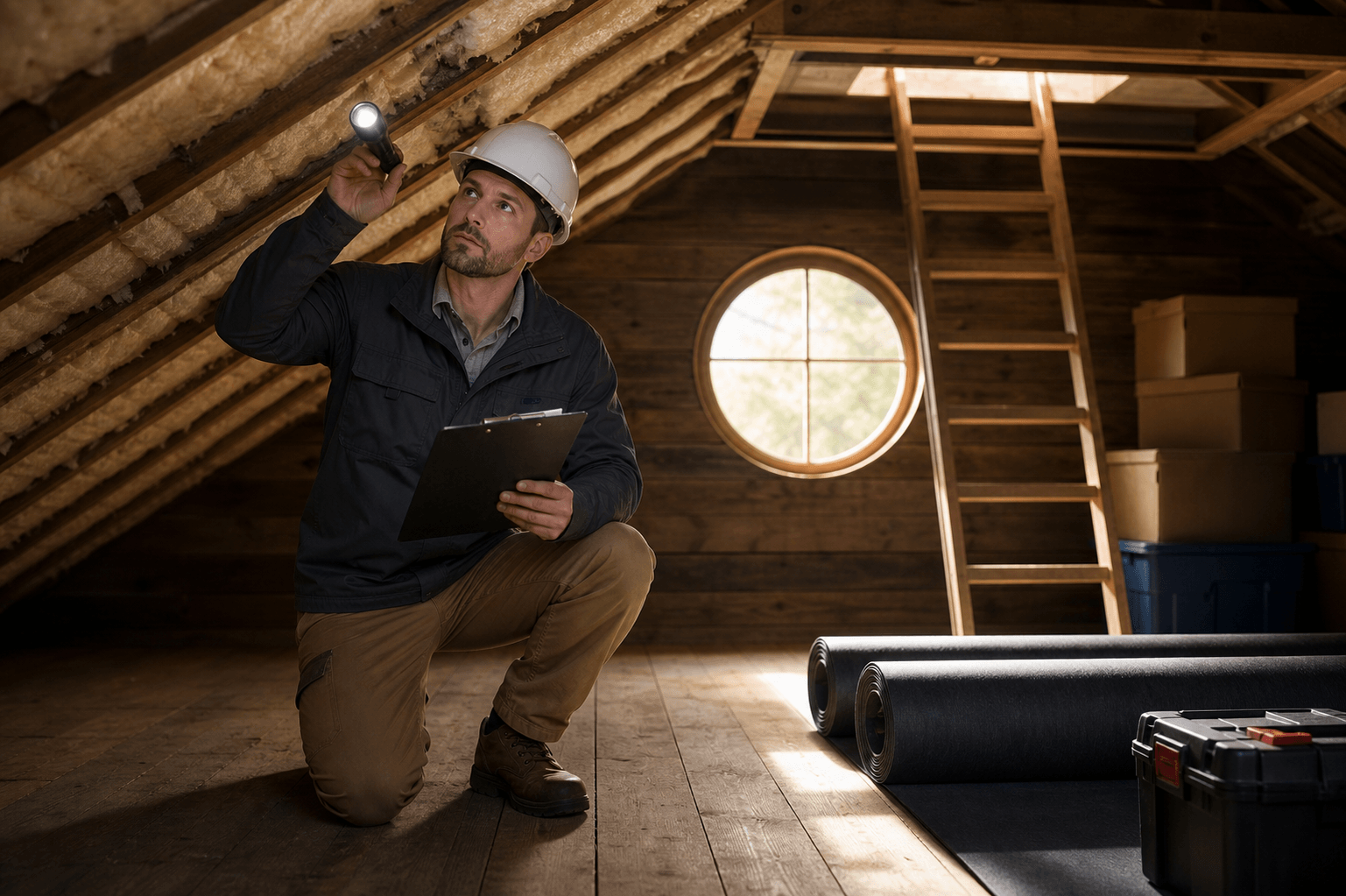
With the warm breeze of a Connecticut summer comes the perfect opportunity for homeowners to perform essential home maintenance. Roof inspections, in particular, are crucial for catching minor issues before they escalate into costly repairs. However, knowing what to look for during an inspection is key to ensuring the longevity of your roof. Here's how to spot the most common problematic signs that warrant a closer look, or perhaps a professional's expertise.
Pre-Inspection Signs of Concern
Before you even set foot on a ladder, there are indications of potential roof issues visible from ground level. Sagging sections or missing shingles can often be seen from your yard or street, hinting at structural weaknesses or past storm damage. It is also wise to check for excessive granules from asphalt shingles in your gutters or downspouts, as this could signal advanced wear of your shingle's protective coating.
Detecting Surface Issues
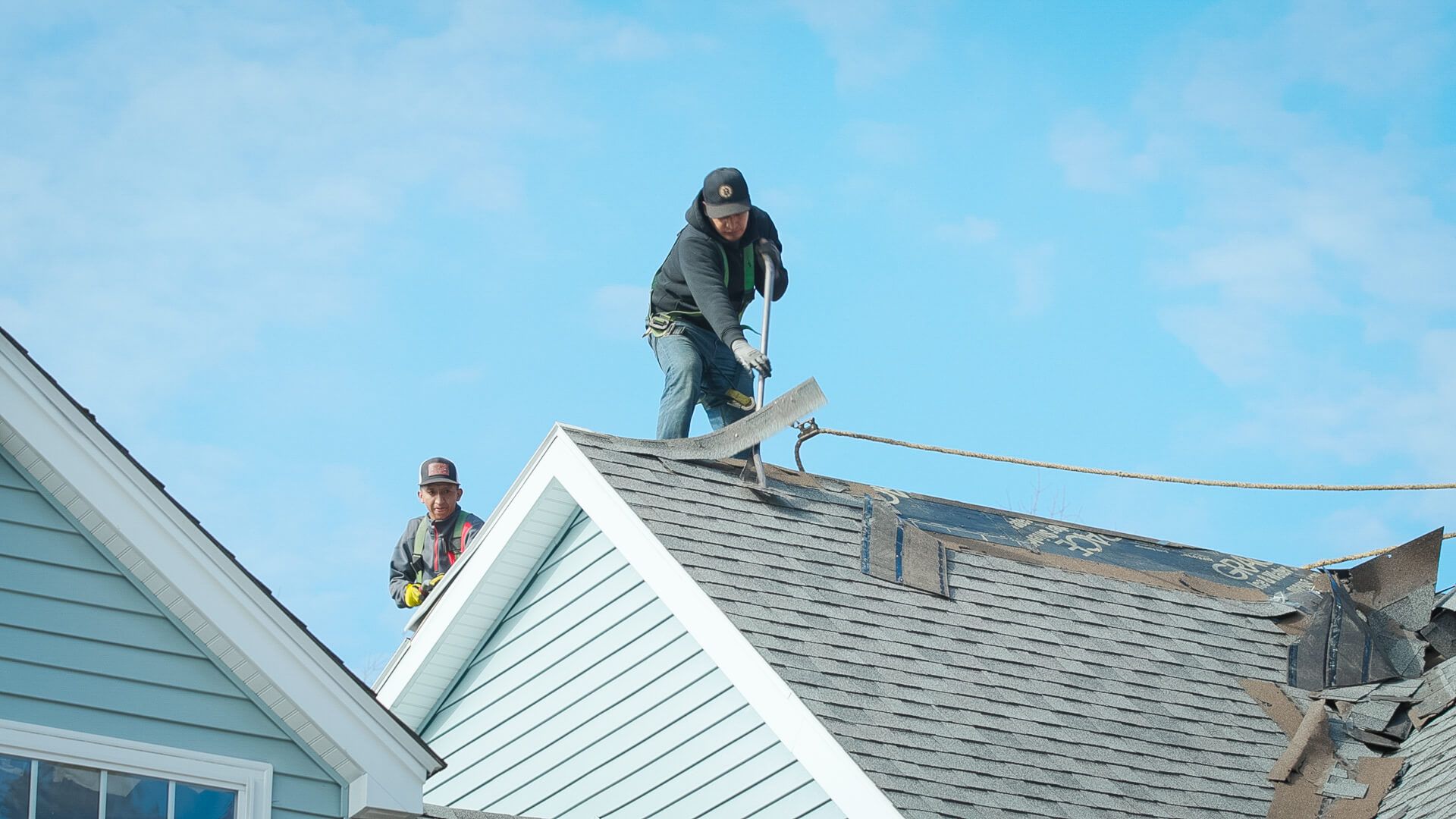
Once you're closer to the action, those seemingly minor issues can be critical red flags. Cracked, curled, or blistering shingles are a clear indication of surface damage that can lead to interior leaks if left unattended. Of equal concern is the condition of the roof flashing; rusted or broken sections around roof penetrations can be the source of troublesome water infiltration. Always remember, your safety is paramount during these inspections, so exercise utmost caution or consult a professional if the assessment becomes too risky.
Unveiling Hidden Roof Issues
Venturing further into your roof examination during the balmy summer months, it's crucial to identify the less obvious issues that could spell trouble. Inspect your roof for any signs of water penetration, such as dark streaks or patches, which suggest past or ongoing leaks. Small issues like these can lead to substantial damage over time, demanding prompt attention. Don't hesitate to consult with professional roofers if you're unsure about the severity of the condition observed.
When to Seek Expert Guidance
At times, the intricacy of roof problems goes beyond the scope of a handy homeowner. If during your inspection you uncover worrisome signs of damage or wear, that's when a reputable roofing service comes into play. To ensure your roof's integrity and your home’s safety, enlist the help of Adam Quenneville's roofing experts to address complex or hazardous issues. Leaving intricate repairs to the professionals not only secures your roof but also your peace of mind.
Step 1: Schedule Your Inspection
Decide on a clear day in summer to perform your roof inspection. This ensures safety and visibility.
Step 2: Safety First
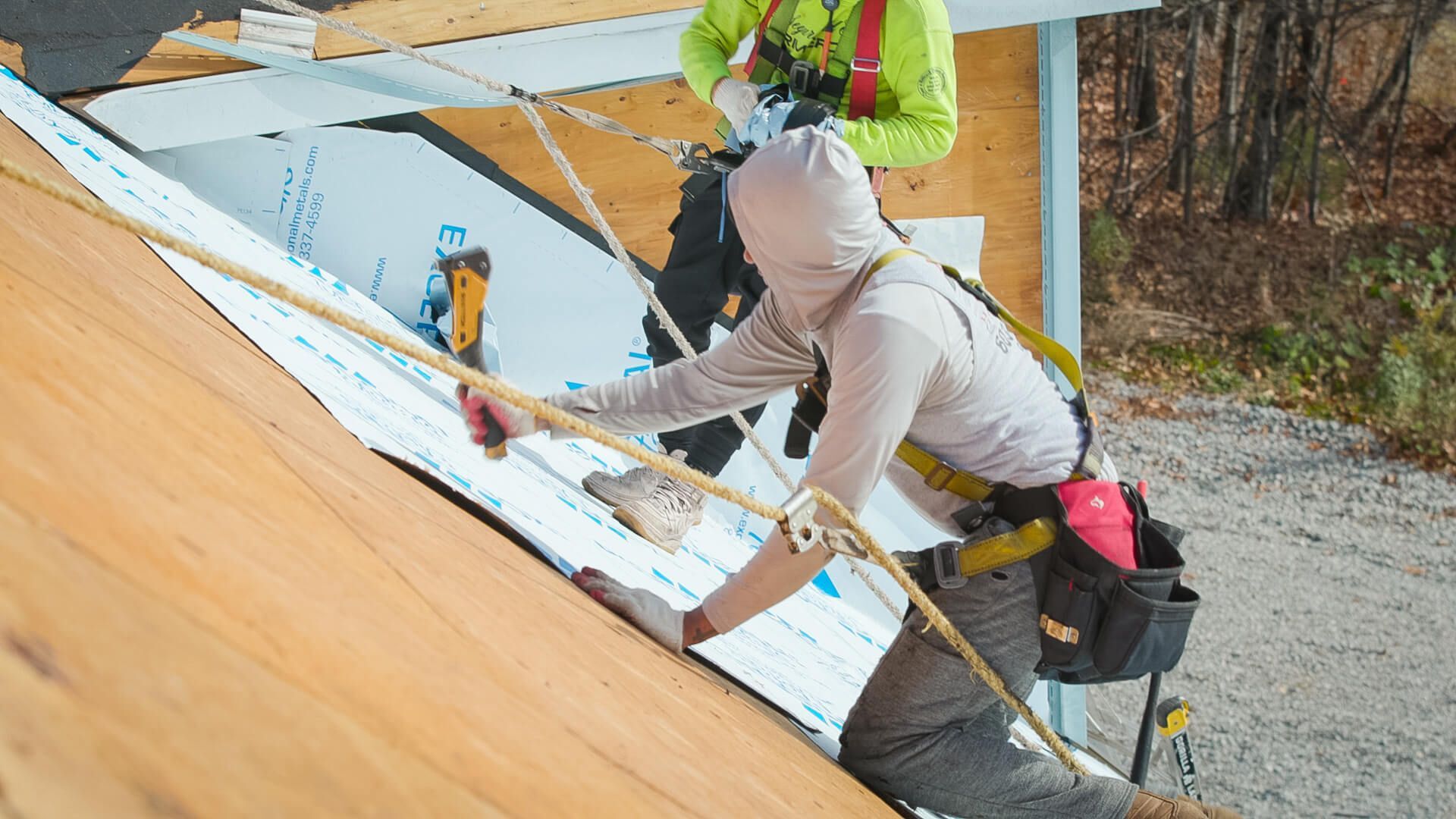
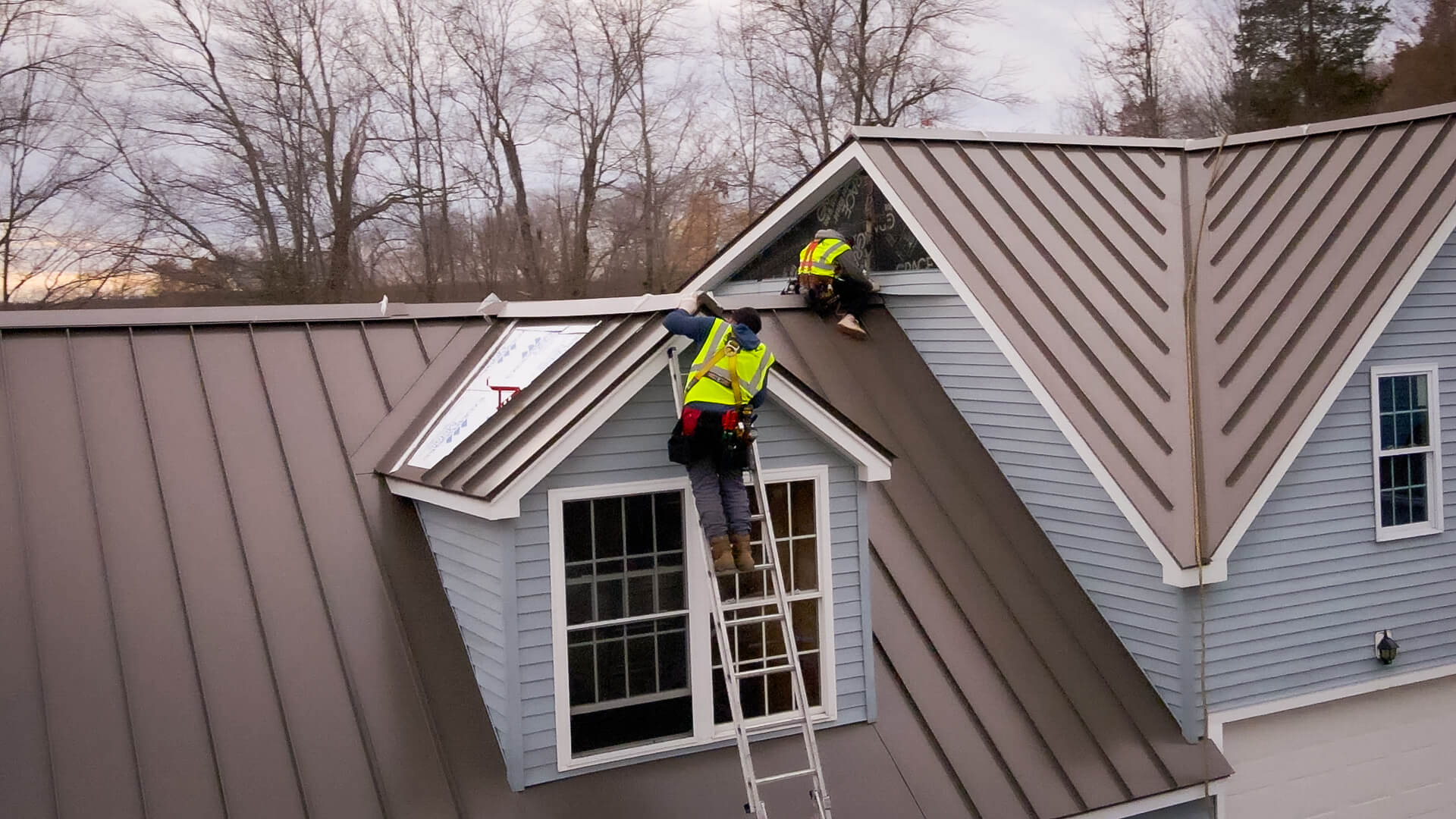
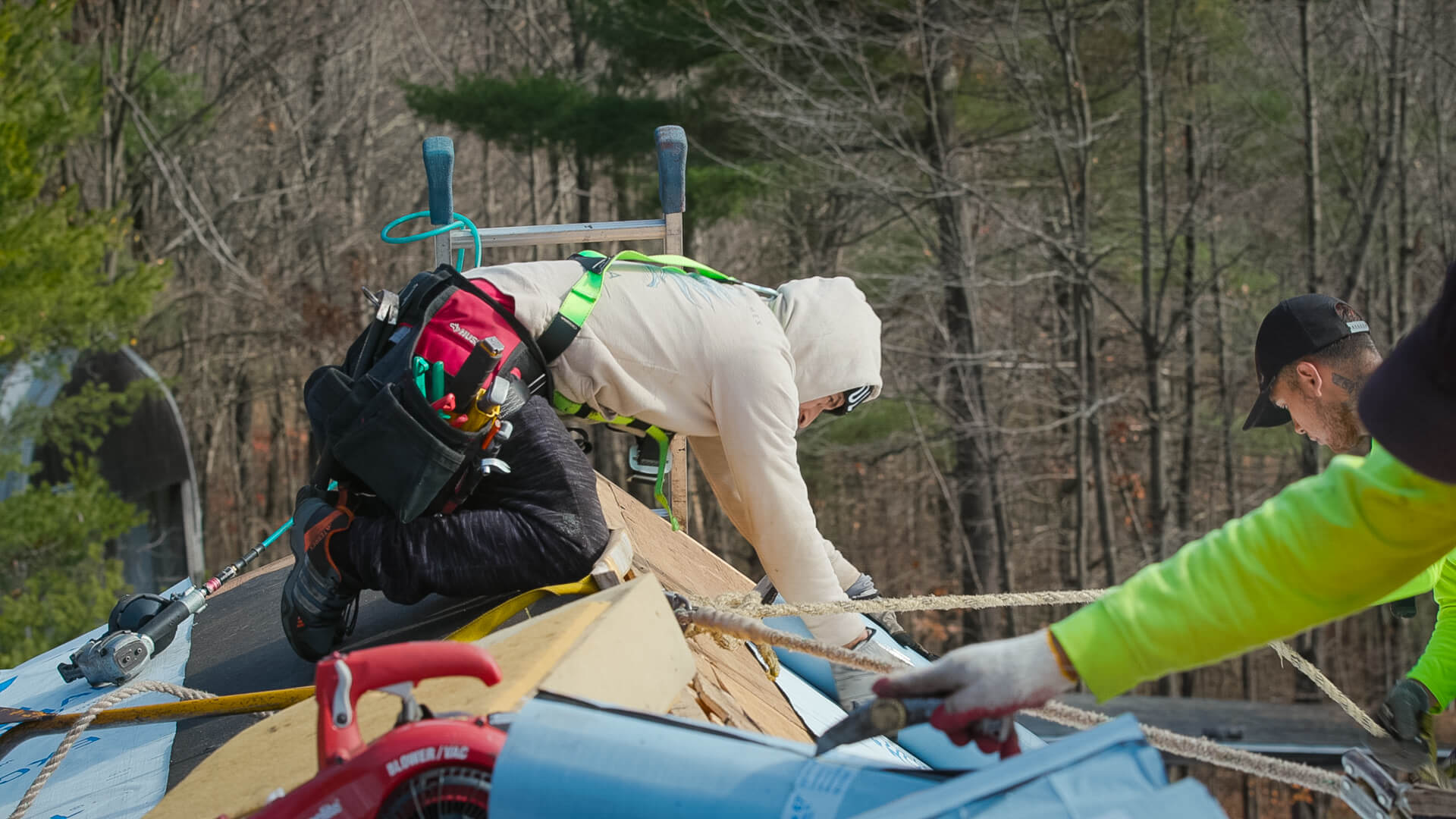
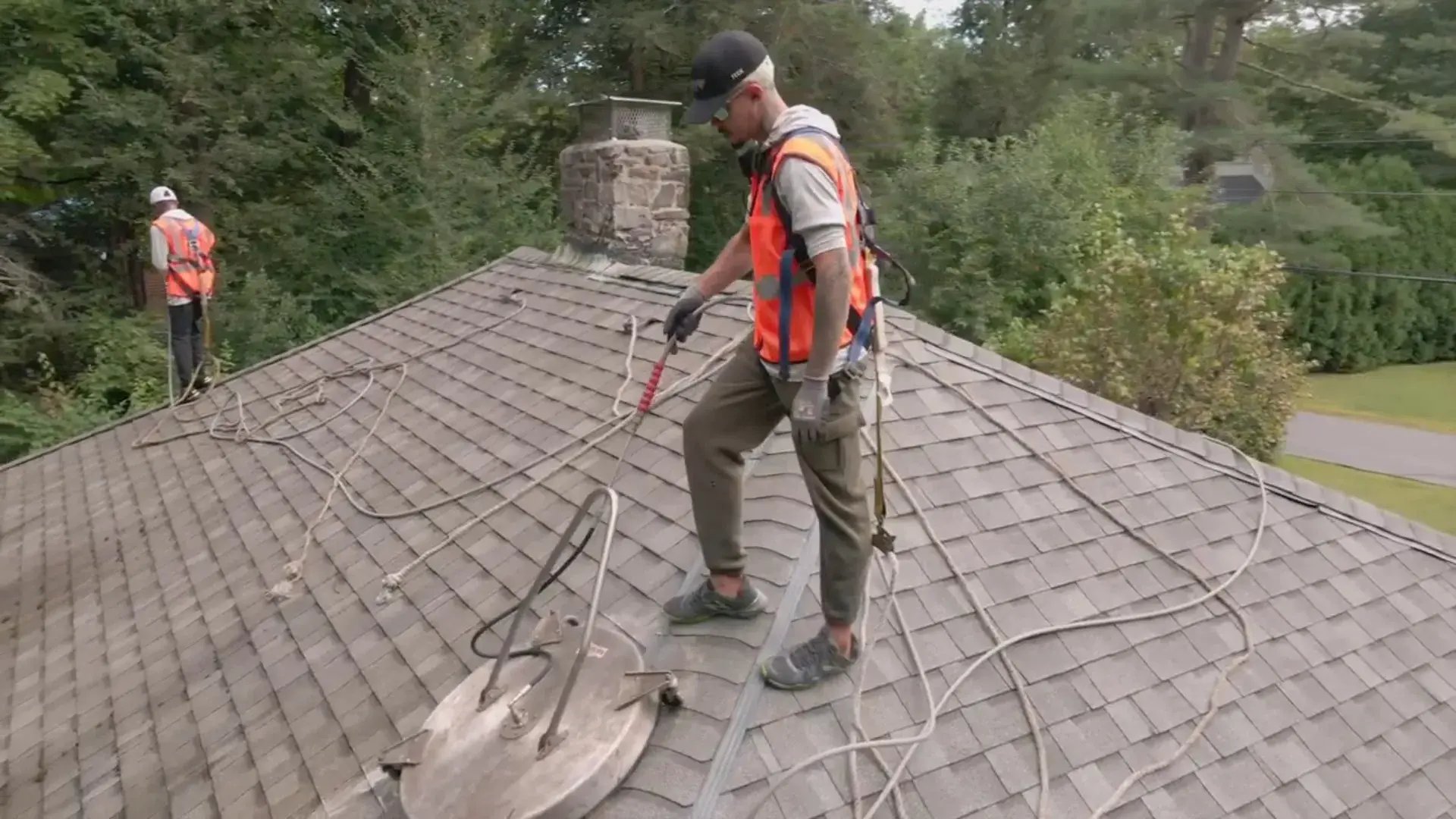
Use a sturdy ladder, wear non-slip shoes, and consider using a safety harness when inspecting a roof.
Step 3: Start with the Gutters
Examine gutters for debris buildup, which can indicate excessive wear on your roof.
Step 4: Check for Surface Damage
Look for missing, damaged, or aging shingles or tiles that can lead to leaks.
Step 5: Inspect the Flashing
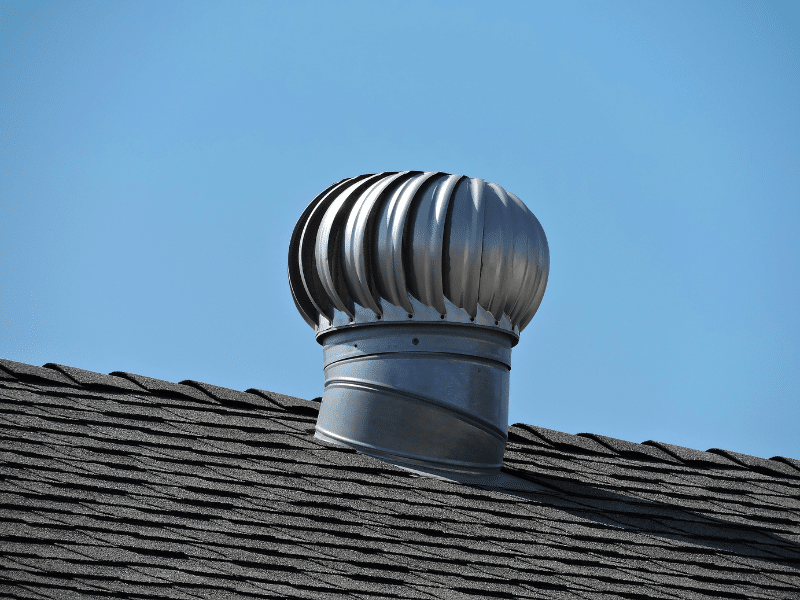
Ensure the flashing around chimneys, vents, and skylights is intact and without rust or cracks.
Step 6: Look for Signs of Water Damage
Check for water stains, moss, or mold, which are signs of water damage and potential leakage points.
Step 7: Evaluate Structural Integrity
Pay attention to sagging or uneven rooflines, which could indicate structural issues that need professional attention.
Step 8: Document and Plan for Repairs
Record any issues found during the inspection and plan for immediate repairs to prevent further damage.
Introduction to Common Mistakes
Embarking on a DIY roof inspection can be a prudent measure to keep your home in top shape, but it's not without its pitfalls. Many enthusiastic homeowners dive into this task without proper preparation or knowledge, leading to potentially hazardous or costly errors. To ensure your inspection is effective and safe, take note of the common blunders to sidestep and safeguard your roof's condition.
Mistake 1: Ignoring Weather Conditions
Many assume that any sunny day is suitable for roof inspection, yet this is not always the case. High summer temperatures can soften shingles, making them vulnerable to damage from foot traffic. To prevent this, choose a cooler day or perform the inspection during the morning hours when the sun isn't at its peak.
Mistake 2: Neglecting Personal Safety
One of the gravest errors is overlooking personal safety measures. Forgetting to wear non-slip shoes or neglecting to secure a ladder can lead to serious injury. Always ensure that safety procedures are your top priority and that you have all necessary safety equipment before you climb onto your roof.
Mistake 3: Improper Gutter Assessment
Sometimes the gutters are either ignored or not inspected thoroughly. Failing to clear out debris or check for proper attachment can lead to water buildup and roof damage. To avoid this, thoroughly clean your gutters and check for signs of rust or detachment from the roofline.
Mistake 4: Overlooking Minor Damage
Minor roof damage, like small cracks or missing granules, can seem inconsequential but can escalate into major issues. To dodge this, meticulously scan each section of your roof, paying close attention to even the smallest irregularities.
Mistake 5: Inadequate Flashing Inspection
Inexperienced inspectors might miss compromised flashing, which is essential for preventing water leaks. Ensure that you inspect the flashing around every protrusion in your roof, looking for any signs of deterioration or gaps.
Mistake 6: Disregarding Indicators of Water Damage
Signs of water damage such as moss or mold might seem purely cosmetic, but they indicate deeper problems. Always investigate these signs further instead of just cleaning them away, as they often hint at more significant waterproofing issues.
Mistake 7: Ignoring Structural Issues
Dismissing signs of structural issues, such as a sagging roofline, can be disastrous. When you observe these warning signs, it’s imperative to contact a professional immediately rather than attempt a DIY fix.
Mistake 8: Not Documenting Your Findings
The absence of clear documentation can result in forgetfulness about areas in need of repair. Take diligent notes and photographs of any observed issues to ensure nothing is overlooked when it comes time for fixes or professional consultation.
Preparing for Roof Inspection
The ideal summer day in Connecticut, with its clear blue skies, offers the perfect conditions for inspecting your roof. Seize this opportunity to carefully assess the need for routine maintenance or immediate repair work. Be vigilant for subtle signs of aging, such as shingle granule loss or minor distortions in the roof surface, which are best observed under the midsummer sun.
Sealing the Deal on Your Roof's Health
Upon completing a thorough inspection, the final step is to document all findings and formulate a plan. Whether it's a simple gutter cleaning you can tackle or more serious, suspect areas requiring professional repair, outlining the condition of your roof is crucial. This documented inspection will serve as a guide to maintaining the overall well-being of your roof and, consequently, your home.
Morgan Bennett, Marketing Director
Morgan is the Marketing Director at Adam Quenneville Roofing & Siding, joining the team in 2024. She holds a bachelor’s degree in Marketing and Business and helps lead the company’s brand strategy, content, and customer education efforts. Morgan also plays a key role in AQ Cares, AQRS’s community outreach division, helping coordinate partnerships, volunteer initiatives, and local giving programs that support the neighborhoods we serve.
Topics: