
How to Replace Front Entry Doors: A Streamlined Guide
July 24th, 2025
5 min read
• Signs Your Door Needs Replacement: Identify drafts, wear and tear, and operation difficulties indicating it's time for a new door.
• Key Installation Steps: Measure accurately, choose the right material, gather tools, and install your new door with precision for a perfect fit.
• Avoid Common Mistakes: Ensure successful installation by avoiding errors such as neglecting draft checks, incorrect measurements, and poor material choice.
Recognizing When It's Time for Change
Before you dive into the process of how to replace front entry doors, it's important to know the signs that signal it's time for an upgrade. Massachusetts homeowners know all too well the vagaries of weather and its effect on home fixtures. A front entry door bearing signs of weather-induced wear, like warping or discoloration, detracts from your home's beauty and may compromise its insulation. Drafts signaling air leaks are especially noticeable during the summer when you're relying on your air conditioning to keep cool.
Assessing the Damage
First and foremost, take a critical look at your door's functionality; difficulty in opening or closing isn't just an inconvenience, it's a security risk. If your door requires an extra shove or a forceful pull just to budge, it's a tell-tale sign that the alignment may be off, or the materials are beginning to fail. In addition, check the door's perimeter on a sunny day—if you see light streams coming through, those are paths for temperature-controlled air to escape, leading to higher energy bills. Remember, it's not just about aesthetics; it's about maintaining a comfortable, efficient home environment.
Is It Just Cosmetic?
Lastly, consider the surface appearance of your door. Though a fresh coat of paint can sometimes bring a door back to life, certain damage like deep cracks or rot, particularly in wood doors, could indicate that the door has reached the end of its life. If you spot rust in a metal door's corners or if fiberglass doors show signs of UV damage from the harsh summer sun, these are more than cosmetic issues; they're lost battles against the elements. It's paramount to realize that what might seem surface-level could be symptomatic of deeper structural problems worth addressing.
The Perfect Fit: Measuring for Success
When considering a front door replacement, precise measurement is your best friend. A common mistake is assuming that all door frames are standard sizes, when in reality, there can be subtle variations especially in older Massachusetts homes with unique character. Begin with the width, measuring at the top, middle, and bottom to capture any discrepancies. Height is your next concern; measure from the sill to the top of the frame, ensuring you have the full dimensions required for a snug fit.
Choosing a Door That Complements Your Home
With measurements in hand, it's time to select a front entry door that isn't just a functional asset but also an aesthetic highlight. Massachusetts homes have their distinct style and your choice should honor that, blending seamlessly with the architecture. Whether it's the classic elegance of wood, the endurance of steel, or the versatility of fiberglass, the material should cater to both the look and the climatic demands of a New England summer. For more detailed insights into selection, visit our comprehensive guide on choosing the right material for your entry doors.
Step 1: Assess Your Current Entry Door
Evaluate the condition of your current front entry door. Look for common issues like drafts, visible damage, or difficulty opening and closing, which indicate it's time for a replacement.
Step 2: Measure Your Doorway
Accurately measure the existing door frame to ensure your new door will fit. Note the height, width, and thickness of the current door, as well as the size of the doorway opening itself.
Step 3: Select Your New Door
Choose a new front entry door that fits the style of your home and also provides the security and energy efficiency suitable for Massachusetts' summer climate. Consider materials like fiberglass, steel, or wood.
Step 4: Gather Your Tools and Materials
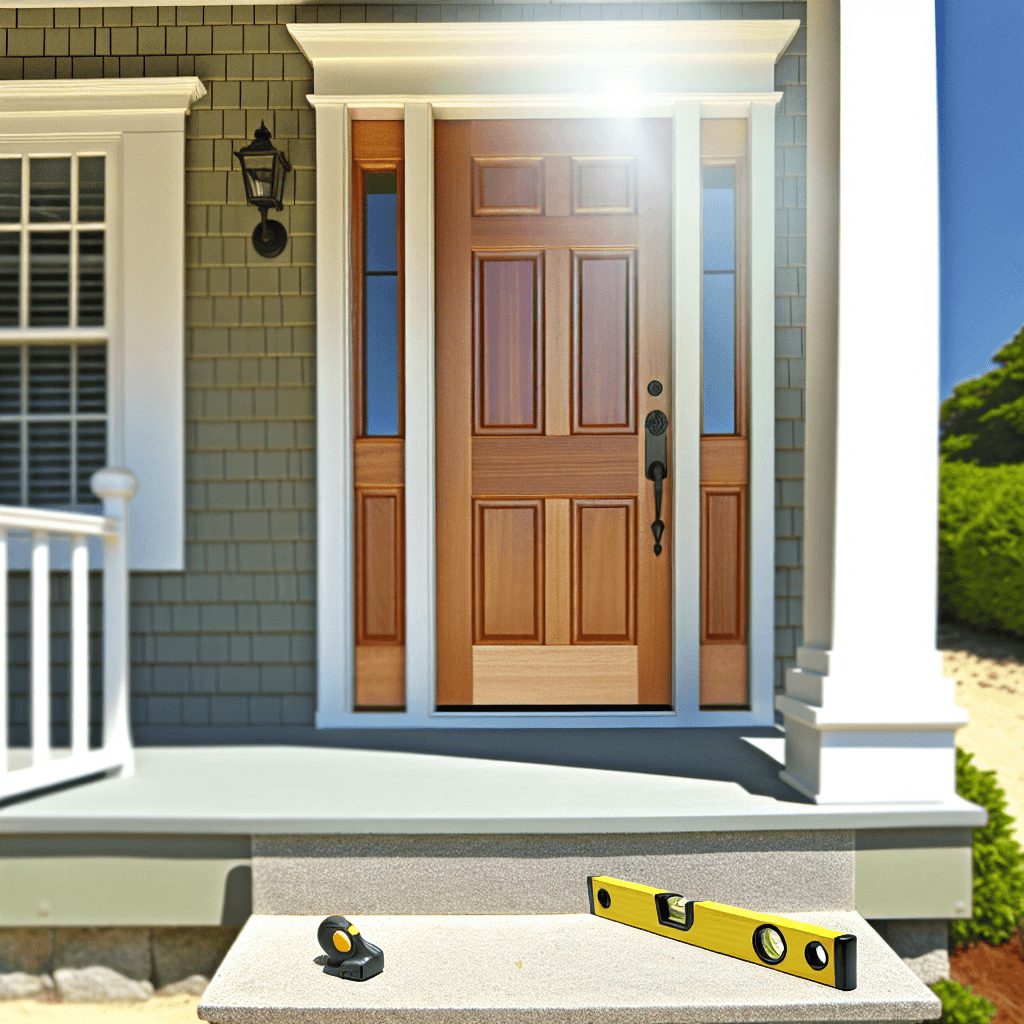
Prepare the necessary tools such as a tape measure, level, hammer, screwdriver, and sealant. Purchase any additional materials required for the installation, including shims, insulation foam, and new door hardware.
Step 5: Remove the Old Door
Carefully remove the existing door by detaching the hinge pins or unscrewing the hinges. Lift the door away from the frame and remove any remaining hardware from the doorway.
Step 6: Prepare the Doorway
Clean and inspect the door frame for damage. Repair any issues and ensure the frame is level and square before proceeding with the installation of the new door.
Step 7: Install the New Door
Align the new door with the frame, ensuring it's level and centered. Use shims to adjust the positioning as necessary. Once in place, secure the door by attaching the hinges or screwing it into the frame.
Step 8: Add Finishing Touches
Install the door hardware, including locksets and handles. Check the door's operation, making adjustments if needed. Finally, seal around the door with weatherstripping or caulk to prevent drafts and improve energy efficiency.
Avoiding Common Door Replacement Pitfalls
Embarking on a DIY front entry door replacement project can feel invigorating, but even seasoned DIY enthusiasts can stumble upon pitfalls. Understanding the frequent missteps made during such home improvement endeavors is key to a successful, hassle-free installation. Here's how to side-step the common blunders that could stand between you and your new, beautiful entrance.
Top Missteps to Steer Clear Of:
- Mistake 1: Neglecting to Check for Drafts and Damage - Often, homeowners focus solely on aesthetics, neglecting functionality and efficiency. Always inspect for air leaks and structural damage, as these issues can lead to greater energy loss and possible security breaches.
- Mistake 2: Inaccurate Measurements - A common error is to measure only one aspect of the door or frame. You must measure in three places for width and height to account for any variances, ensuring your new door fits perfectly without gaps or the need for forceful adjustments.
- Mistake 3: Rash Material Selection - It's tempting to choose a door based on looks alone, ignoring the material's durability and insulation properties. Select a material like fiberglass or steel, which stands up to Massachusetts' varied climate and provides better energy efficiency during those hot summers.
- Mistake 4: Skimping on Proper Tools - Beginning your project without the right tools can halt progress and lead to improper installation. Ensure you have all the necessary equipment, such as levels, drills, and sealant, on hand before you start.
- Mistake 5: Forceful Removal of the Old Door - Aggressive removal can damage the frame or surrounding walls. Gently remove the old door, being mindful not to disturb the existing structure.
- Mistake 6: Overlooking Frame Preparation - Installing a new door into a damaged or uneven frame is a recipe for trouble. Thoroughly clean and repair the frame and ensure it's level before installation.
- Mistake 7: Ignoring Alignment and Security - A misaligned door won't just look bad; it will function poorly. Take your time to properly align the door, ensuring it's both aesthetically pleasing and secure.
- Mistake 8: Insufficient Sealing - Neglecting the final touches like weatherstripping can undermine your door's efficiency. Proper sealing is essential to prevent drafts and reduce energy consumption, so don't skimp on this final, crucial step.
Preparation for a Smooth Installation
With your new door selected, it's time to prepare for installation. Clear the area around your doorway, creating a spacious work environment free of obstructions. Ensure you have all your tools and materials at the ready – a mistake here can turn a one-day project into a week-long affair. Keep in mind that proper preparation can significantly reduce the risk of installation errors, protecting your investment.
Out with the Old, Ready for the New
Removing the old door is more than lifting it off its hinges; it's about setting the stage for your home's upgraded look. After detaching the hinges and handle, inspect the door frame for any hidden issues that could affect the fit of your new entry. If the frame is damaged or warped, address these issues now or consider consulting with our team of experts at Adam Quenneville Roofing & Siding to ensure your door's foundation is as sturdy as the door itself.
Morgan Bennett, Marketing Director
Morgan is the Marketing Director at Adam Quenneville Roofing & Siding, joining the team in 2024. She holds a bachelor’s degree in Marketing and Business and helps lead the company’s brand strategy, content, and customer education efforts. Morgan also plays a key role in AQ Cares, AQRS’s community outreach division, helping coordinate partnerships, volunteer initiatives, and local giving programs that support the neighborhoods we serve.
Topics: