How To Navigate Roof Insurance Claim Processes Effectively
August 7th, 2025
5 min read
• Understand your roof insurance policy, including coverage limits and specific clauses, before filing a claim.
• Document roof damage promptly with photos and videos to aid in the claims process.
• Mitigate additional damage to your property and reach out to your insurance provider to begin the claim.
Identifying Roof Damage: The Initial Step
As a Vermont homeowner enjoying the warm breezes of summer, it's crucial to recognize the often subtle, yet perilous signs of roof damage that mother nature leaves behind. Discoloration, missing shingles, and granules in the gutter are clear indicators that your roof may have endured more than its fair share of seasonal storms. Such signs warrant a closer inspection, as they can be precursors to more significant issues and potential leaks. Early detection not only saves on costly repairs but is also instrumental in preparing a solid roof insurance claim.
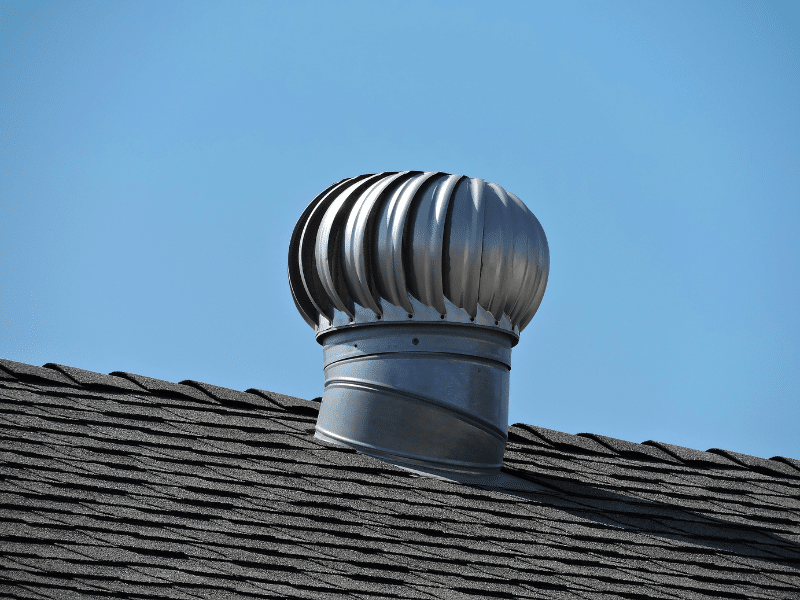
Water stains on your ceilings or walls are alarm bells that should not be ignored, as they suggest that damage has already begun to infiltrate your home. Musty odors in your attic or rooms can also signal trapped moisture from a leaking roof, often leading to mold or mildew issues. While inspecting, pay special attention to the roof's integrity where features like vents and chimneys penetrate the surface; improper sealing in these areas can be the source of leaks. Taking prompt action upon noticing these problematic signs can be decisive in navigating roof insurance claim processes successfully.
Seasonal hail or heavy downpours in the Green Mountain State can wreak havoc on your roofing materials, leaving behind more than just visual scars. It's essential to not only look for obvious punctures or tears but also consider the age of your roof—a factor that can predispose your home to damage and affect the outcome of an insurance claim. Bearing in mind how critical a sturdy roof is for the safety and comfort of your home, the upcoming guide aims to arm you with knowledge for Step 1: Review Your Policy Details to ensure you are thoroughly informed before starting the claims process.
Navigating the Claim with Confidence
When faced with roof damage, the first instinct may be to panic, but knowledge of your policy and a clear plan of action can turn a stressful event into a well-managed process. Clarity on your coverage limits and policy details is the bedrock of navigating roof insurance claim processes, and this understanding sets the stage for a successful claim. Each insurance policy has its language and nuances, making it vital to grasp terms such as "actual cash value" versus "replacement cost" to anticipate potential out-of-pocket expenses. An informed homeowner is an empowered one; awareness of your policy prevents you from being caught off guard by uncovered expenses during repair.
Documentation is another cornerstone in the claim journey; photos and descriptions serve as undeniable proof of the extent and timing of the damage. By documenting, you're essentially building a case for your claim, one that clearly illustrates the before and after of your roof's condition. While digital images are convenient, consider keeping a paper record of any communication with your insurer, which can be crucial in disputed claims. With precise documentation in hand, you'll feel ready and organized when it's time to Step 2: Document Roof Damage Promptly, taking you one step closer to resolution.
Step 1: Review Your Policy Details
Understand the coverage limits, deductibles, and specific clauses related to roofing damage. Knowing the particulars of your policy ensures you are well-informed before initiating a claim.
Step 2: Document Roof Damage Promptly
As soon as you notice roof damage, take clear photos and videos from multiple angles to provide substantial evidence for your insurance claim.
Step 3: Mitigate Further Damage
Take immediate steps to protect your property from additional damage, as insurance companies typically require this. This may include temporary fixes like tarping exposed areas.
Step 4: Contact Your Insurance Provider
Reach out to your insurance company to report the damage. They will guide you through their claims process and what paperwork and documentation are necessary.
Step 5: Fill Out Insurance Claim Forms Accurately
Complete all required forms carefully and truthfully. Provide all the documented evidence of the damage and any temporary repairs you have made.
Step 6: Schedule an Inspection with an Adjuster
Arrange for the insurance adjuster to visit your property and inspect the roofing damage. Be present during the inspection to discuss your concerns and provide additional information.
Step 7: Obtain Repair Estimates from Licensed Contractors
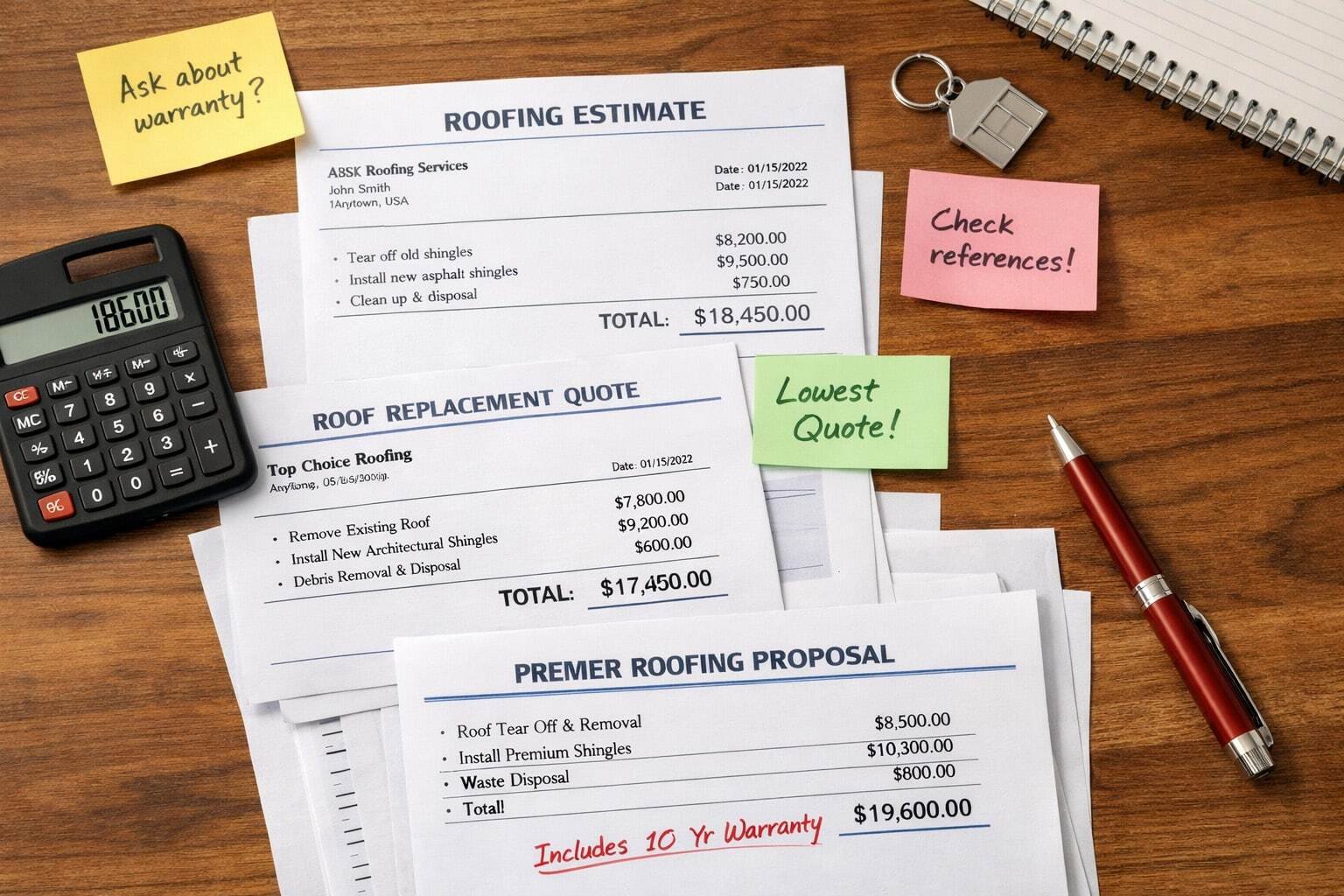
Get detailed repair estimates from multiple licensed roofing contractors to provide a well-informed perspective on the expected repair costs to the insurance company.
Step 8: Review and Close the Claim
Examine the insurance company’s settlement offer to ensure it covers the necessary repairs. Once agreed upon, proceed with the repairs and close the claim, keeping records of all transactions.
Common Pitfalls to Avoid During Your Roof Insurance Claim
Embarking on the journey of roof repairs can be filled with potential missteps, especially when dealing with insurance claims. Understanding what not to do is just as crucial as knowing the right steps to take. Here's a guide on common errors to avoid, ensuring your path to a restored roof is as smooth and stress-free as possible.
1. Delaying the Documentation Process
Delaying the documentation of roof damage might seem trivial amidst the chaos, but it impedes your ability to present a robust claim to your insurer. To avoid this, make it a practice to start snapping pictures and recording videos as soon as damage is discovered. This step not only serves as evidence but also captures the timeline of the damage for the insurance company.
2. Overlooking Policy Specifics
A frequent mistake homeowners make is not thoroughly understanding the intricacies of their roof coverage before filing a claim. This might happen due to complacency or assuming all damages are covered. Prevent this by reviewing your policy in-depth and asking your provider for clarification on ambiguous clauses, thus fortifying your knowledge base for Step 1: Review Your Policy Details.
3. Neglecting Immediate Repairs
Some might postpone immediate minor repairs to wait for the insurance process to conclude, risking exacerbation of the damage. The antidote to this blunder is prompt, albeit temporary, fixes that not only shield your home from further damage but also show the insurance company your proactive attempts at damage control, aligning with Step 3: Mitigate Further Damage.
4. Submitting Inaccurate Claims Forms
There’s an overwhelming tendency to rush through insurance forms, leading to inaccuracies that can derail the claims process. A careful and methodical approach to filling out all necessary forms ensures accuracy and supports a truthful claim, adhering to the guidance of Step 5: Fill Out Insurance Claim Forms Accurately.
5. Dismissing Professional Help
Homeowners may disregard the need for professional assessments, choosing DIY inspections that might miss crucial damage details. To prevent this, secure inspection appointments with licensed contractors, who can pinpoint issues you may overlook, staying true to Step 7: Obtain Repair Estimates from Licensed Contractors and ensuring your claim is grounded in professional evaluations.
Immediate Action Post-Damage
The moments following the discovery of roof damage are critical, and taking swift action to mitigate further harm is imperative. Covering the affected area with a tarp and securing loose roofing elements can prevent water from entering and causing interior damage. These temporary solutions not only protect your home from additional issues but also demonstrate to your insurance company that you've taken responsible actions, which is an important part of Step 3: Mitigate Further Damage.
Professional Assistance Is Key
Once the immediate threat to your property is under control, it's time to contact your insurance provider as soon as possible. A prompt report allows your insurer to begin processing your claim quickly, ensuring a smoother repair timeline. Enlisting the expertise of a professional team from residential roofing services will provide you with the necessary support and guidance in accurately assessing and reporting the extent of the damage.
Morgan Bennett, Marketing Director
Morgan is the Marketing Director at Adam Quenneville Roofing & Siding, joining the team in 2024. She holds a bachelor’s degree in Marketing and Business and helps lead the company’s brand strategy, content, and customer education efforts. Morgan also plays a key role in AQ Cares, AQRS’s community outreach division, helping coordinate partnerships, volunteer initiatives, and local giving programs that support the neighborhoods we serve.
Topics: