How To Insulate Attic Roof Rafters: A Step-By-Step Guide
May 15th, 2025
4 min read
• Discover the signs of poor attic insulation and the immediate need for an upgrade
• Learn a practical, step-by-step guide to properly insulate your attic roof rafters
• Understand common DIY mistakes to avoid for ensuring a successful insulation project
Recognizing Insulation Issues in Your Attic
Understanding the warning signs of poor attic insulation is crucial before embarking on any upgrades. Uneven indoor temperatures, such as a chilly second floor despite a warm lower level, often suggest insufficient attic insulation. Another red flag is skyrocketing energy bills, which indicate your heating system is overcompensating for heat loss. Look for ice dams forming along the roof's edge during the winter months, as these are clear indicators of heat escaping from your attic.
Identifying Physical Signs of Insulation Problems
Physical inspections can reveal more about your attic's condition. Darkened insulation is symptomatic of airflow issues where dust has settled due to air leaks. Additionally, wet or moldy insulation not only loses its effectiveness but also poses health risks and indicates possible roof leaks. You should also be alert for any signs of animal infestation, as pests can damage insulation and create health hazards.
Assessing Your Attic's Current State
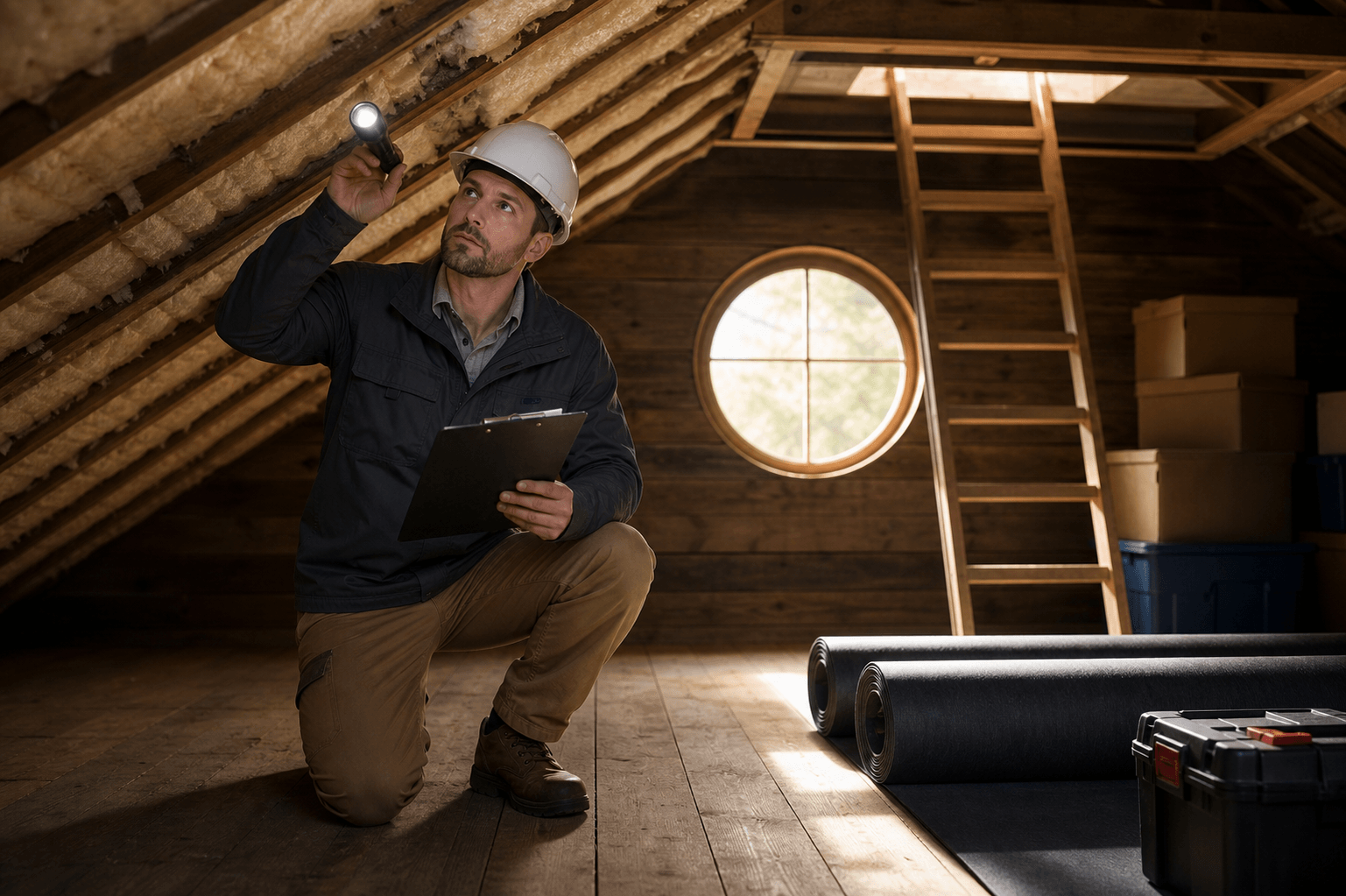
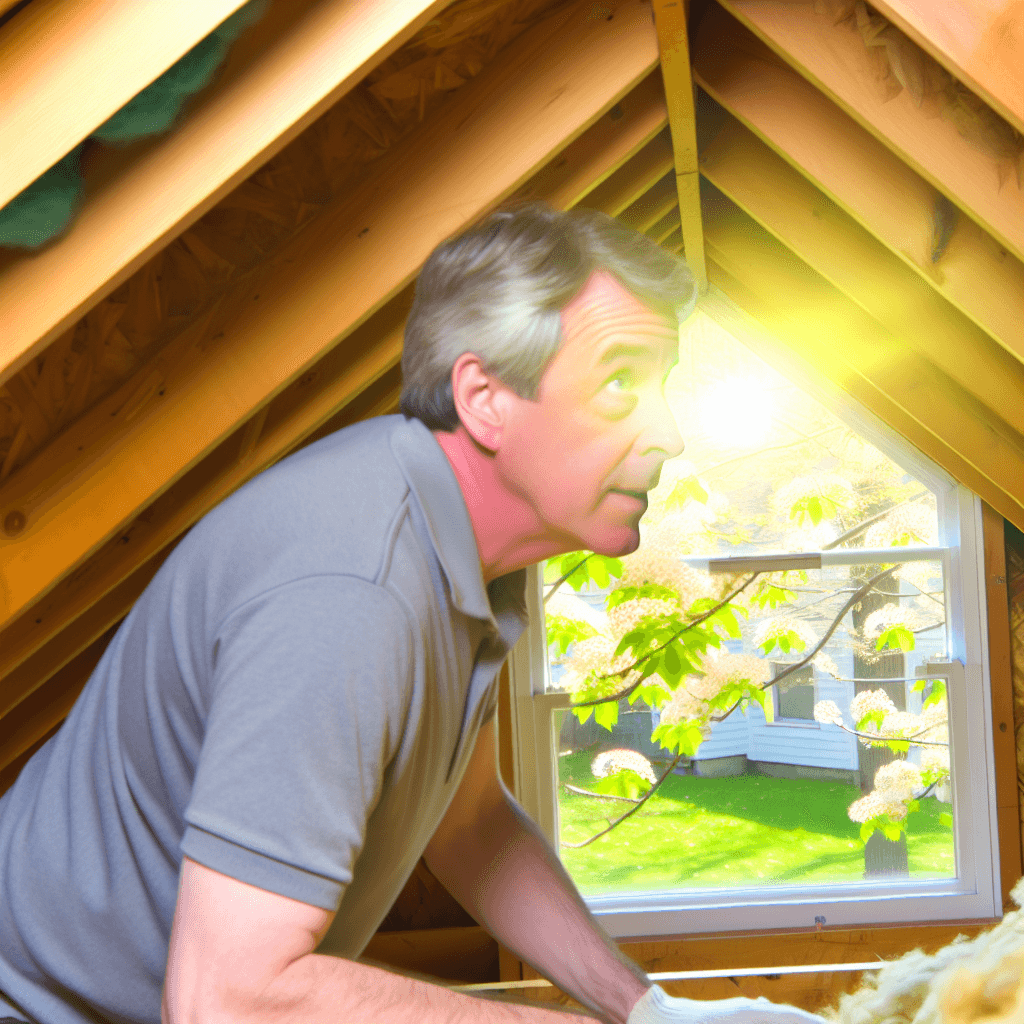
Before making any improvements, take a careful look at your attic's existing insulation level. Using a flashlight, check for any gaps or areas where the insulation appears thin or absent, suggesting potential problem spots. Make sure that there is no obstruction to home ventilation, as proper airflow is essential to prevent condensation and mold growth. Taking note of these issues will prepare you to insulate an attic roof rafters more effectively and ensure a balanced indoor climate for the coming seasons.
Choosing the Right Insulation Material
With multiple types of insulation available, selecting the right one for your attic roof rafters is vital. Fiberglass batts are commonly used due to their ease of installation and effectiveness in temperature control. Foam board insulation provides a rigid solution that resists moisture and has a high insulation value. For those looking for a tighter seal, spray foam fills in all nooks and crannies, creating an airtight barrier.
Preparing for Installation
Adequate preparation ensures a smooth installation process and maximizes your insulation's efficacy. Begin by clearing your attic of any belongings which might hamper the installation, and remove any old or damaged insulation materials. It’s essential to seal all air leaks with caulk or foam sealant, as unaddressed leaks can undermine the effectiveness of your new insulation. Finally, if installing rafter vents, make sure they're in place before the insulation material goes in, to maintain proper attic ventilation and avoid moisture problems.
Step 1: Assess Your Attic Space
Before you begin the insulation process, assess your attic to determine the current insulation level and look for any signs of damage, such as water leaks or air drafts. Ensure there's enough ventilation to prevent moisture buildup.
Step 2: Choose the Right Insulation Material
Decide on insulation material appropriate for attic roof rafters, such as fiberglass batts, foam board insulation, or spray foam, considering its R-value and suitability for the climate in Massachusetts during spring.
Step 3: Prepare Your Attic
Clear the attic area of any storage items, debris, and prior insulation if it’s damaged or insufficient. Seal any gaps or air leaks around chimneys, light fixtures, and vent pipes with caulk or foam sealant.
Step 4: Install Rafter Vents
If needed, install rafter vents to maintain airflow from the soffits to the attic, ensuring that any added insulation does not block the vents.
Step 5: Begin with the Roof Rafters
Starting from one end, securely fit the insulation between the roof rafters. If you're using batts, make sure they fit snugly without compressing the material. If using foam, apply it carefully according to the manufacturer’s instructions.
Step 6: Ensure Even Coverage
Continue placing the insulation along the entire length of each rafter, making sure to cover it uniformly without leaving any gaps which could lead to heat loss and energy inefficiency.
Step 7: Add Insulation to Attic Floor
After roof rafters are insulated, consider adding more insulation to the attic floor for enhanced energy efficiency, especially to keep homes in Massachusetts warm during transitional spring weather.
Step 8: Final Inspection and Clean-Up
Inspect your work to ensure every rafter is consistently insulated. Clean up any materials or debris resulting from the installation. Lastly, ensure that the attic remains well-ventilated to prevent condensation issues.
Avoid These Common Insulation Mistakes
Insulating your attic is a critical home improvement that should be handled with care to avoid common errors that can compromise your home's comfort and energy efficiency. Missteps in this process can lead to long-term issues that negate the benefits of new insulation. Understanding these potential pitfalls is as important as the insulation process itself to ensure your home remains cozy and cost-efficient.
Mistake 1: Inadequate Assessment
Many DIY enthusiasts fail to properly assess the existing insulation and ventilation before starting. This neglect can result in over insulating or missing areas that need attention, leading to inefficiencies and even moisture problems. To prevent this, thoroughly inspect your attic space and identify any damage or weak spots as guided in Step 1: Assess Your Attic Space.
Mistake 2: Choosing the Wrong Material
Opting for the wrong type of insulation material for your climate or home design can be a costly error. Always choose a material with the appropriate R-value and consider the specific requirements for spring in Massachusetts as recommended in Step 2: Choose the Right Insulation Material. This ensures your attic is prepared for both cold and warm seasons.
Mistake 3: Overlooking Air Sealing
A common misstep is ignoring the air sealing step before insulation, which can allow warm air to escape and cold air to infiltrate. Make sure to seal all air leaks around fixtures and chimneys, as outlined in Step 3: Prepare Your Attic, to enhance the performance of your insulation.
Mistake 4: Blocking Ventilation
Some might mistakenly cover soffit vents with insulation, hindering proper airflow in the attic. Step 4: Install Rafter Vents emphasizes the importance of maintaining clear pathways for airflow to prevent moisture-related issues. Always ensure vents are not obstructed to support a healthy attic environment.
Mistake 5: Uneven Insulation Application
Applying insulation unevenly can result in hot and cold spots, reducing the overall effectiveness of your attic's insulation. Follow Step 6: Ensure Even Coverage to maintain consistent coverage across all rafters, guaranteeing an even thermal barrier throughout your attic space.
By steering clear of these common pitfalls and adhering to the guidelines provided in the steps, homeowners can ensure a successful attic insulation project that enhances their home's energy efficiency and comfort.
Effective Insulation Installation
Initiating the insulation process starts with fitting the insulating material between the attic's roof rafters. Securing the batts or boards properly ensures no gaps remain that could compromise the insulation's integrity. Each piece should snugly fit against the rafters, spanning the entire length for optimal coverage and effectiveness in maintaining a comfortable home environment.
Final Steps and Professional Insight
After insulating the roof rafters, adding additional layers to the attic floor might be necessary for enhanced energy savings. Carefully inspect all installed insulation to confirm consistency and completeness. For expert assistance and more specialized services, consider reaching out through Adam Quenneville's professional roofing services.
Morgan Bennett, Marketing Director
Morgan is the Marketing Director at Adam Quenneville Roofing & Siding, joining the team in 2024. She holds a bachelor’s degree in Marketing and Business and helps lead the company’s brand strategy, content, and customer education efforts. Morgan also plays a key role in AQ Cares, AQRS’s community outreach division, helping coordinate partnerships, volunteer initiatives, and local giving programs that support the neighborhoods we serve.
Topics: