How to Fix a Leaky Roof: Quick DIY Repair Steps
May 2nd, 2025
4 min read
• Discover signs of a leaky roof and the immediate steps you can take to minimize damage
• Follow our easy step-by-step guide to repair leaks and protect your Vermont home
• Learn maintenance tips and common DIY errors to prevent future roof problems
Recognizing the Red Flags of a Leaky Roof
As Vermont embraces the temperate days of spring, it's an opportune time for homeowners to turn a vigilant eye towards their roofs. Before the need to fix a leaky roof becomes imminent, identifying the early signs of trouble could save you from costly repairs down the line. Spotting dark streaks or spots on your ceiling is a telltale sign, as they often indicate a breach where moisture has begun to infiltrate your home. Moreover, peeling paint or warped drywall around your home can be silent alarms that there's a problem overhead that merits immediate attention.
The importance of action when these signals surface cannot be overstressed; a small leak can evolve rapidly, leading to widespread damage if left unchecked. Taking steps such as venturing into the attic space to hunt for sources of water intrusion is a proactive measure. Moisture may not always drip directly below the leak, so look for indirect evidence like mold growth or insulation that seems unusually soggy. And don't forget to glance up—you might just catch a sliver of daylight peeking through, signaling a gap that invites water in every time it rains.
While the interior signs are important, the true story is often told upon examining the exterior of your roof. Once the weather permits, a thorough outdoor inspection can uncover the extent of damage more accurately. Missing or broken shingles, which can be violently dislodged by Vermont's harsh winter winds, are common culprits, along with any disrupted flashing around chimneys or vents. By catching such defects early, you prevent the elements from gaining free rein into your home, and the subsequent guide steps can help seal the breaches before they escalate into disasters.
Commencing the Repair: A Methodical Approach
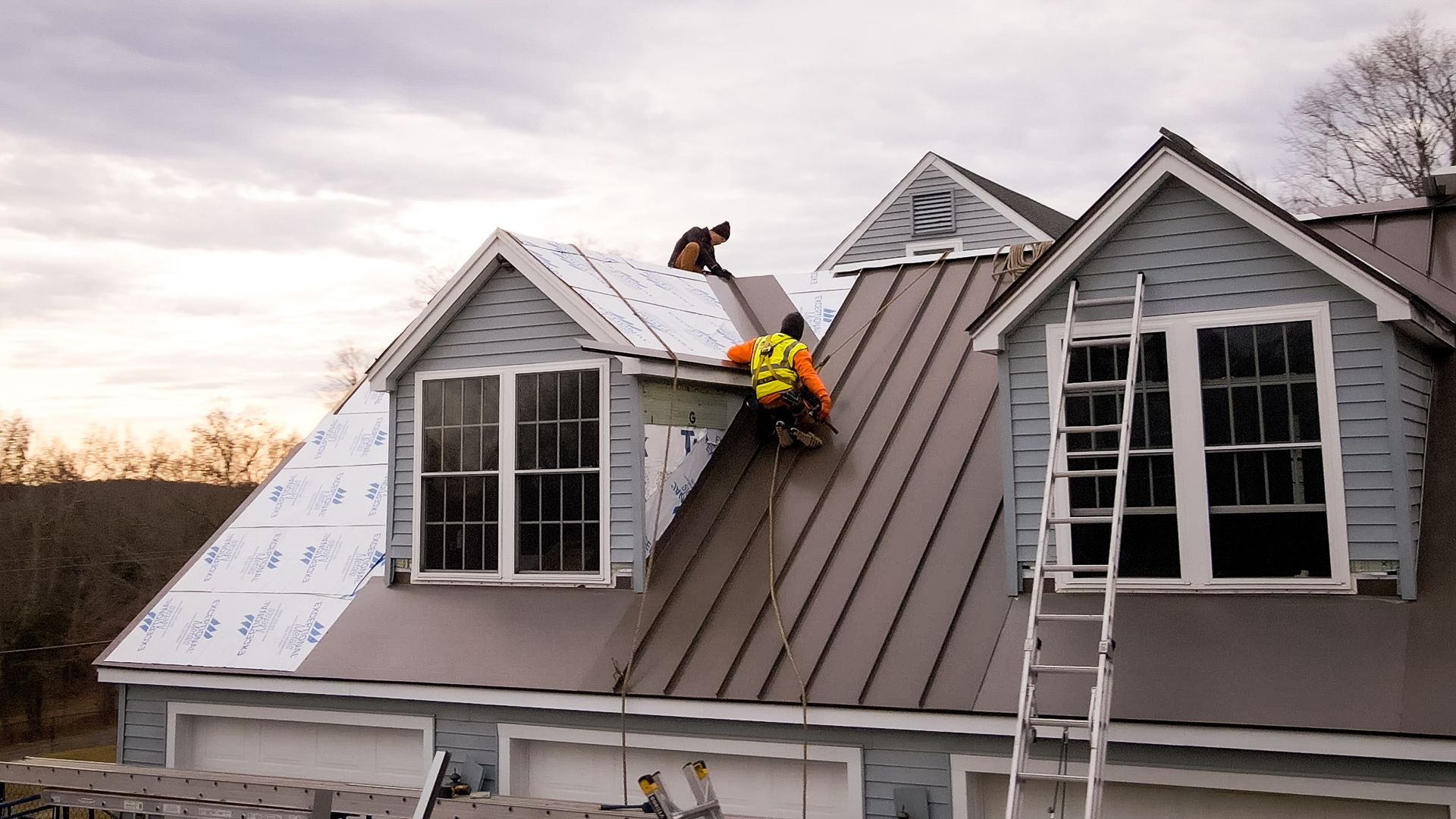
When the drip-drip-drip in your home can no longer be ignored, it's time to roll up your sleeves and put a plan into action. Embarking on a roof repair journey may be daunting, but with methodical steps, even novices can address minor issues effectively. Ready your tools and protective gear because safety should always stay front and center. While this guide walks you through temporary fixes, it's vital to know when to consult professionals for a comprehensive solution.
Starting with placing a container under the offending drip could be the short-term reprieve needed. Swiftly moving furniture and valuables away from the area further shields your belongings from potential water damage. For a temporary relief to prevent water ingress, applying patching cement to visible cracks or slipped shingles can buy valuable time. For residents in Vermont, understanding when to seek professional roofing services can save unnecessary stress and expenditure, when a simple DIY approach might prove insufficient.
Step 1: Assess the Damage
Begin by examining the extent of the leak. Go into your attic or the highest point in your home to find the source or signs of water damage. Look for wet spots on the roof decking or insulation, mold, or daylight peeking through.
Step 2: Minimize Immediate Water Damage
Place a bucket or container under any drips to catch water and move any valuables or furniture out of the affected area. Cover the contents with waterproof tarps if necessary.
Step 3: Locate the Exterior Leak Source
Once the rain stops, visually inspect your roof for any obvious points of entry such as missing, cracked, or damaged shingles, as well as seals around roof fixtures.
Step 4: Make Temporary Fixes
Apply roof patching cement to small cracks or holes. If shingles are damaged, you can temporarily patch over or underneath them. Use a tarp to cover larger affected areas if needed.
Step 5: Gather Necessary Materials
For a permanent fix, you'll need replacement shingles, roofing nails, a hammer, a flat pry bar, utility knife, and roofing cement.
Step 6: Replace Damaged Shingles
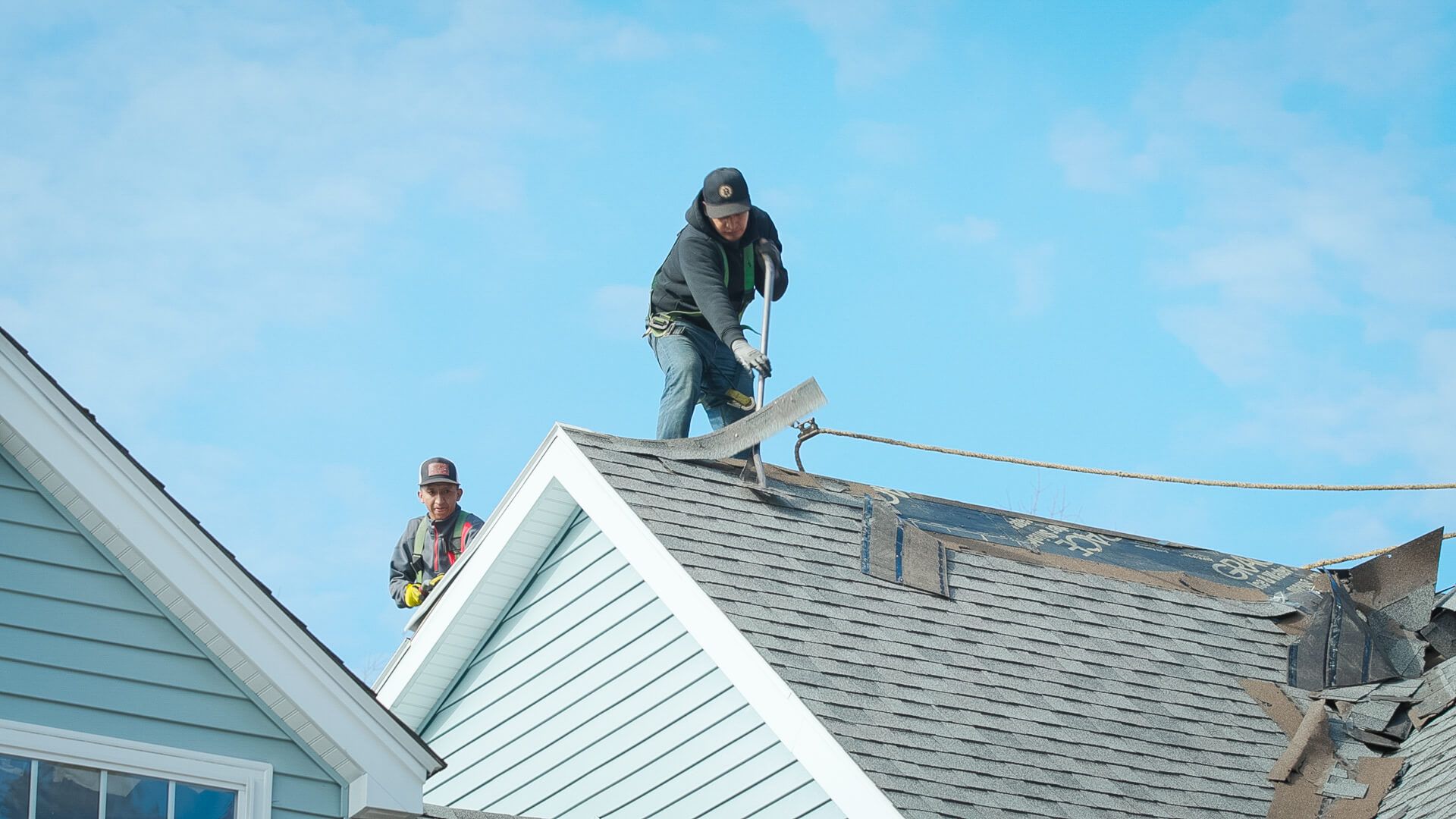
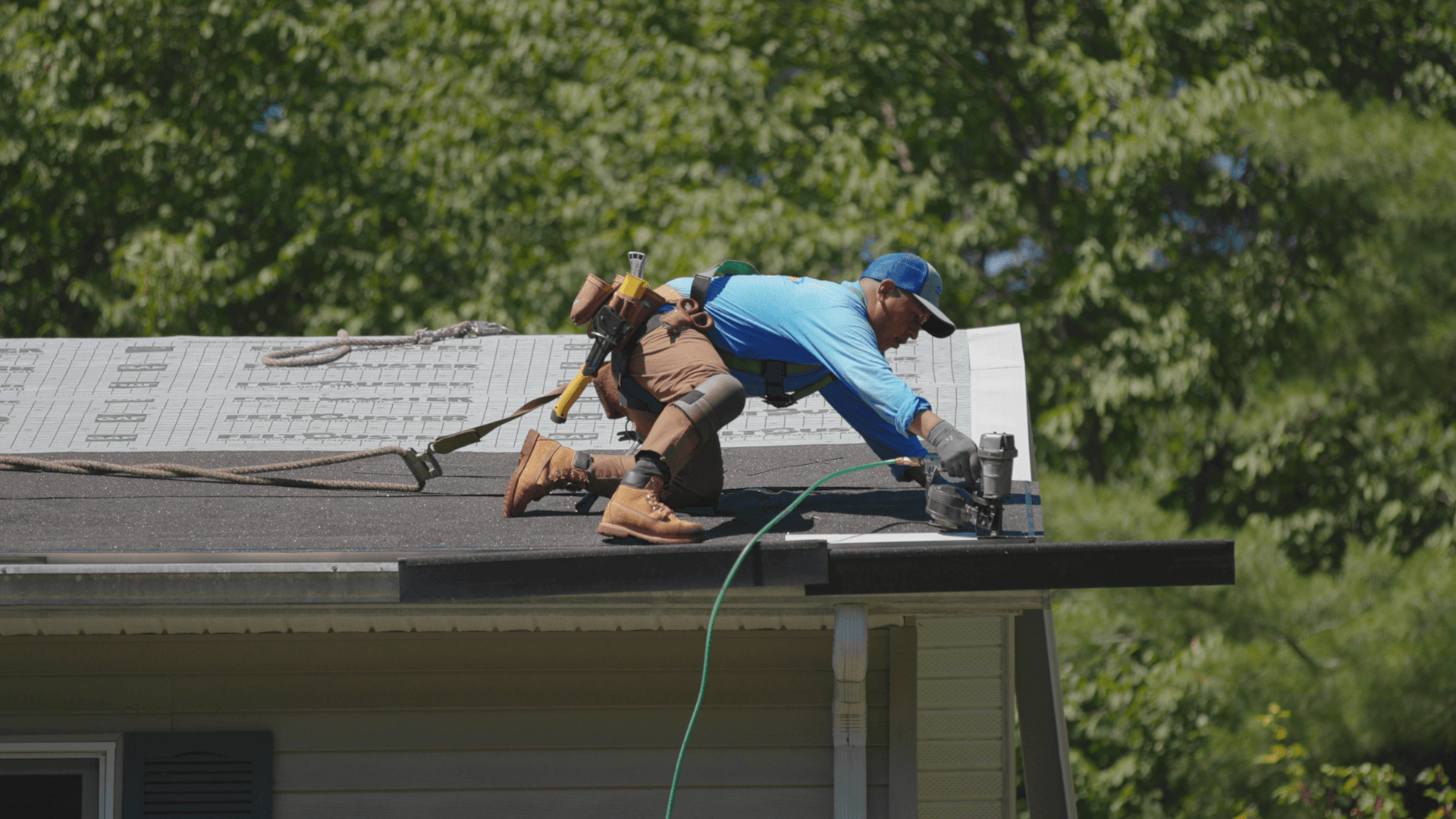
Carefully remove the damaged shingles with the pry bar. Replace them with new shingles, securing them with roofing nails and sealing edges with roofing cement.
Step 7: Seal Fixtures and Joints
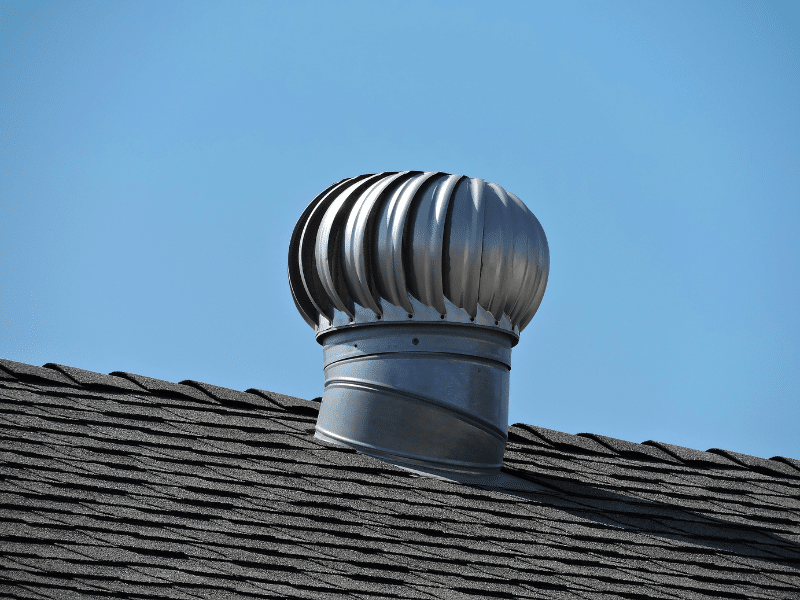
Check and seal around roof penetrations such as vents, chimneys, and skylights. Use roofing cement or caulk designed for outdoor use to prevent water seepage.
Step 8: Inspect and Maintain Regularly
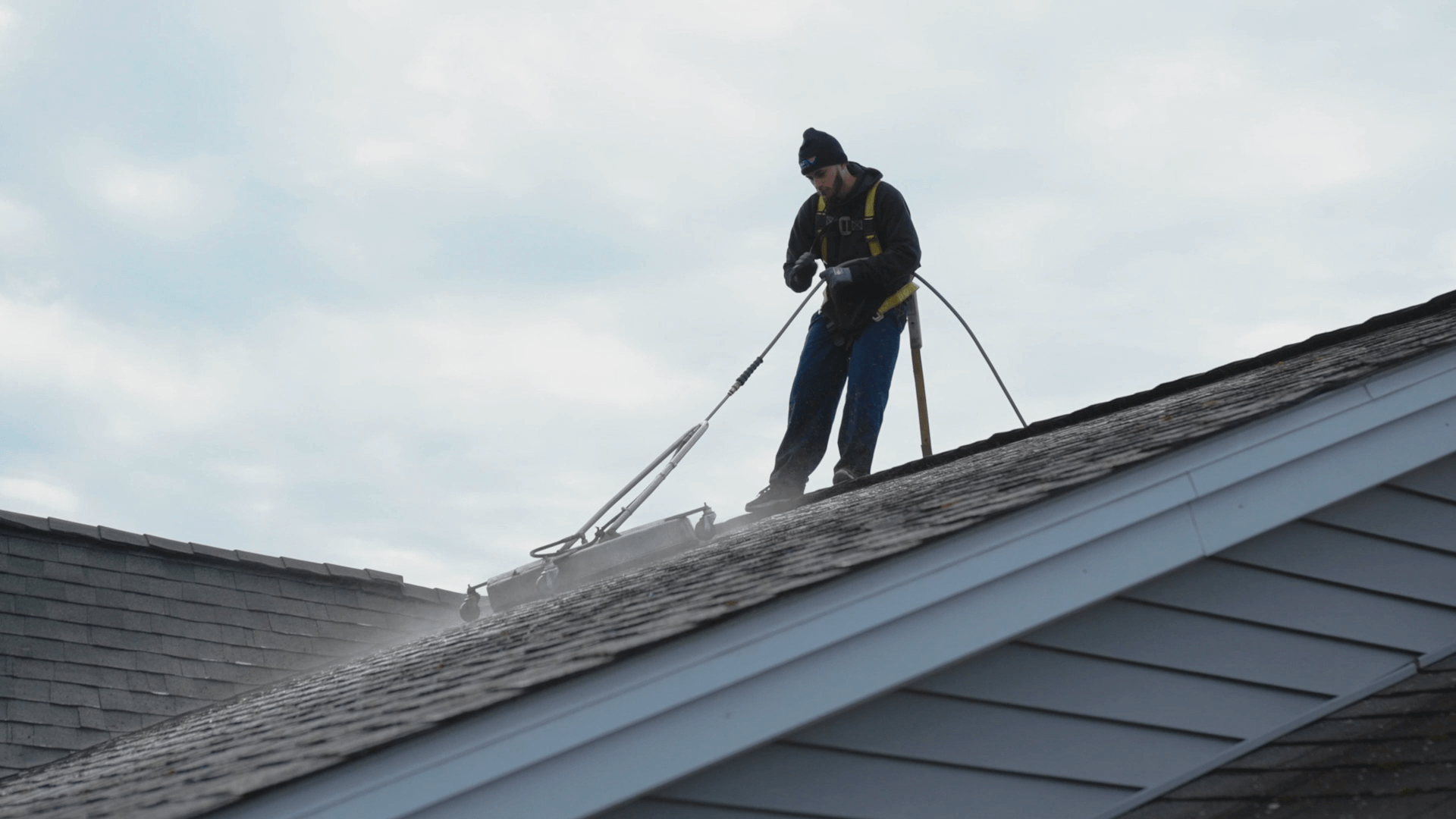
Prevent future leaks by regularly checking your roof for damage and maintaining it properly. Remove debris, clear gutters, and trim tree branches that could scrape against the roof.
Steering Clear of Common DIY Roofing Errors
Embarking on the journey of patching up a problematic roof can be filled with pitfalls if not navigated carefully. In the aim to swiftly resolve issues, homeowners often fall prey to easily avoidable blunders that can exacerbate the problem, leading to further damage and expenses. Understanding these common mistakes is crucial to ensuring that your efforts to fix a leaky roof are successful and enduring.
Mistake 1: Neglecting Safety Measures
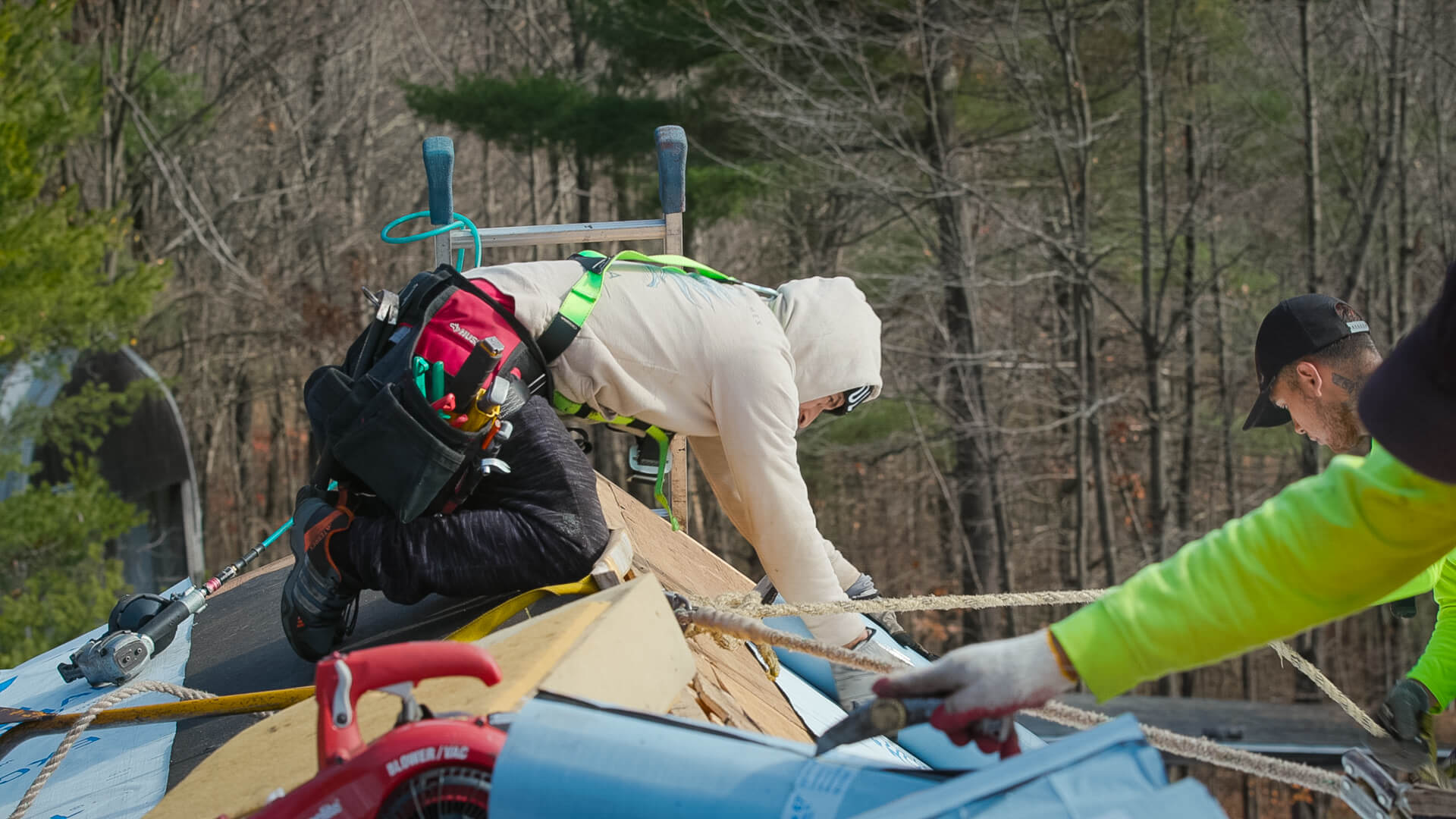
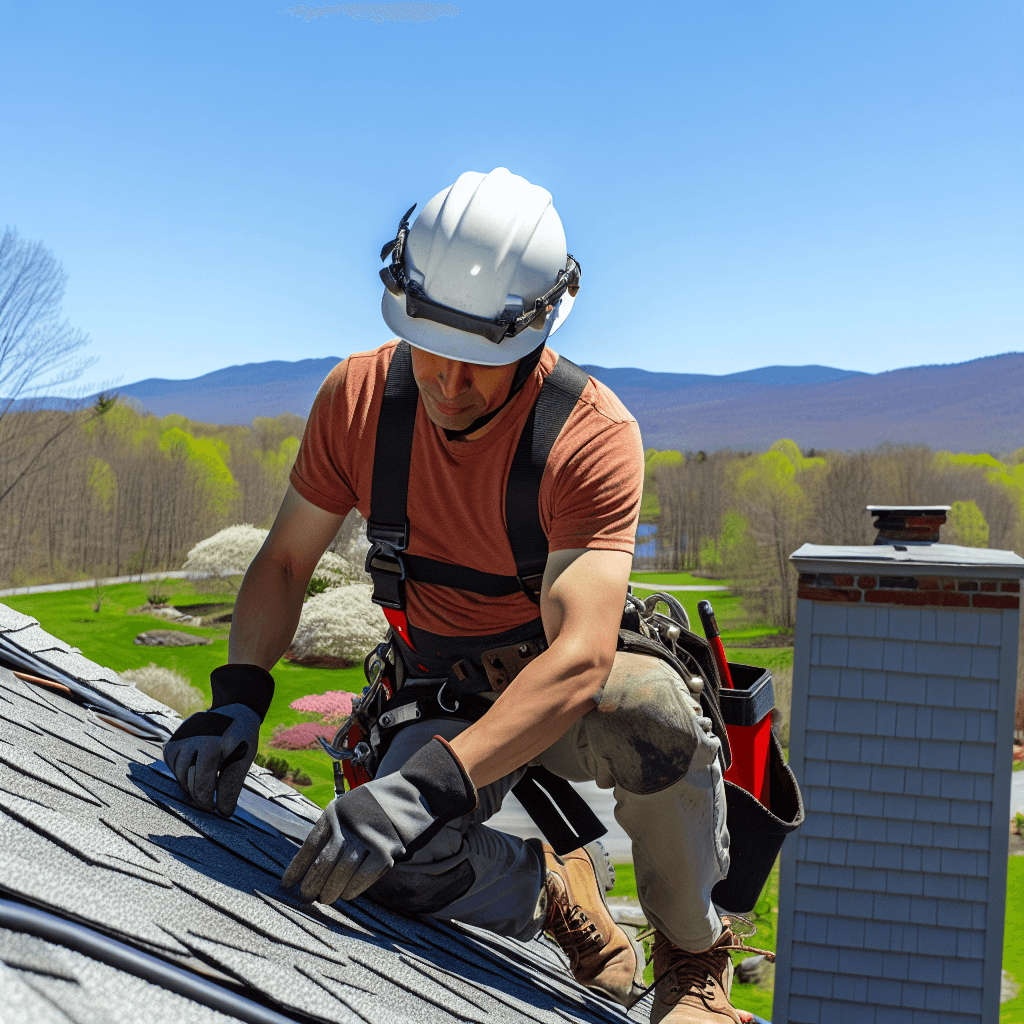
Many DIY enthusiasts underprepare for the risks involved with roof repairs. Always use a sturdy ladder, wear non-slip shoes, and employ safety ropes or a harness when working at heights.
Mistake 2: Incorrectly Identifying the Leak Source
A visible water spot on your ceiling doesn’t necessarily indicate where the leak originates. Water can travel far from the entry point, so thorough investigation both inside and outside is necessary to locate the actual breach.
Mistake 3: Temporary Fixes Done Hastily
Applying patching cement or tarps as a quick fix without proper cleaning and preparation can leave you with the same leak after the next rainstorm. Take the time to clean the area around the leak and apply fixes firmly and generously.
Mistake 4: Improper Shingle Replacement
When replacing shingles, it's a common error to overlook the alignment or to use inadequate nailing techniques. Ensure new shingles are properly positioned before securing them, and use the correct amount of nails to hold them in place.
Mistake 5: Inadequate Sealing Around Roofing Features
Vents, chimneys, and skylights need to be checked for breaks in the seals, as these are prime spots for leaks. Use appropriate roofing cement or caulk, and don’t skimp on the amount to ensure a water-tight seal.
Mistake 6: Forgetting Regular Inspections and Maintenance
Failing to inspect and maintain your roof regularly can lead to recurring issues or new leaks. Commit to a biannual inspection routine, keeping gutters clear and addressing any minor damage before it worsens.
By avoiding these mistakes and proceeding with caution, your DIY roof fix efforts can prove to be both successful and satisfying. Remember that roofs are complex structures, and when in doubt, seeking professional assistance is the best course of action. Your vigilance now can save you both stress and money in the future.
Finalizing the Fix: Sealing and Securing
After the temporary solution is in place, attention must shift to long-term fortifications of your roof's integrity. This involves replacing damaged shingles and ensuring all new installations are properly aligned and nailed down. Using a high-quality roofing cement is key to sealing these shingles and preventing future leaks, a vital step in the process that cannot be overlooked.
Maintaining Roof Health
Frequent inspection and maintenance are vital in extending the life of your roof and avoiding the recurrence of leaks. Clearing gutters and downspouts, trimming overhanging branches, and inspecting for damage biannually helps in early detection of potential issues. For those in need of more extensive services, the experts at Adam Quenneville Roofing can provide top-tier guidance and solutions, whether you're dealing with wear and tear or storm damage.
Morgan Bennett, Marketing Director
Morgan is the Marketing Director at Adam Quenneville Roofing & Siding, joining the team in 2024. She holds a bachelor’s degree in Marketing and Business and helps lead the company’s brand strategy, content, and customer education efforts. Morgan also plays a key role in AQ Cares, AQRS’s community outreach division, helping coordinate partnerships, volunteer initiatives, and local giving programs that support the neighborhoods we serve.
Topics: