How to Fix a Leaky Roof: Quick DIY Guide for Urgent Repairs
May 2nd, 2025
4 min read
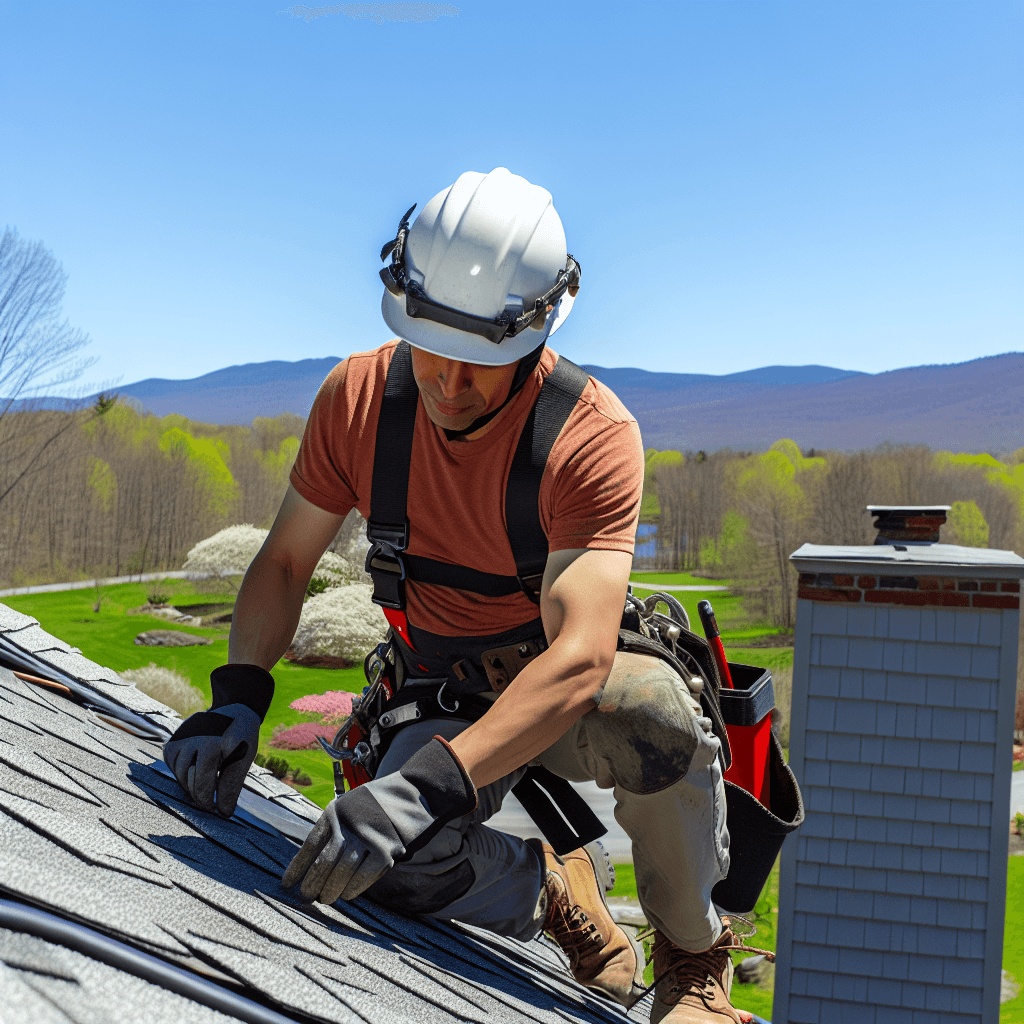
• Discover easy-to-follow steps for repairing a leaky roof safely and effectively
• Learn to identify common signs of roof leaks and avoid typical DIY repair mistakes
• Find out when it’s best to call in professionals and how regular maintenance can prevent future leaks
Recognizing the Red Flags
The first sign of trouble often comes from above and makes its presence known through subtle but worrying cues. You might notice darkened patches on your ceilings, a clear hint that moisture is compromising your roof's integrity. Sometimes, it's the unsightly appearance of mold or mildew that alerts you, a sign that water has been lurking out of sight for some time. These issues are more than cosmetic; they suggest that your roof needs immediate attention to avert further damage.
Tracing the Trouble to its Source
When suspecting a leak, it's crucial to trace it back to the origin before the trickle turns into a torrent. Heading into the attic space with a flashlight can be very telling, as streams of light piercing through the roof boards highlight potential leak sites. It's here, among the insulation and rafters, where evidence like water stains and deterioration point to the urgency of the repairs needed.
Uncovering the Unseen Dangers
What's out of sight often worsens unnoticed until it becomes too significant to ignore. The damage inflicted by a leaking roof might not just be localized; it can spread and weaken the structural integrity of your home. Assess the extent of water infiltration by looking for sagging areas in the roof decking or dampness around skylights and chimneys. These signs mandate a meticulous examination and prompt action, guiding you to Step 1: Assess the Roof Damage and ensuring safety is paramount when doing so.
Preparing for Repairs
Now that you've spotted the signs, it's time to transition from detective to handyman. The golden rule before starting any repair job is ensuring your own safety, as roofing can be hazardous work if not approached with caution. Make sure you have a stable ladder, preferably with someone to spot you, and wear shoes with good traction to prevent slips. Your preparation will make the process smoother and increase the likelihood of a successful DIY repair, keeping professional intervention at bay.
DIY Fixes or Professional Help?
While minor repairs can be managed with some DIY know-how, significant damage might call for a specialist’s touch. Before climbing the rooftop, it’s worth considering if the scope of damage is manageable or if it's a case for Adam Quenneville’s expert roofing services. If you choose to move forward with personal repairs, then gather your materials, be mindful of your surroundings, and remember that safety trumps everything. With everything set, you are now ready to proceed to Step 2: Be Safe and ensure your roof is secured before inclement weather strikes again.
Step 1: Assess the Roof Damage
Begin by locating the source of the leak from the inside of your home. Go into the attic with a flashlight and look for water marks, stains, or mold growth which can indicate the leak's origin.
Step 2: Be Safe
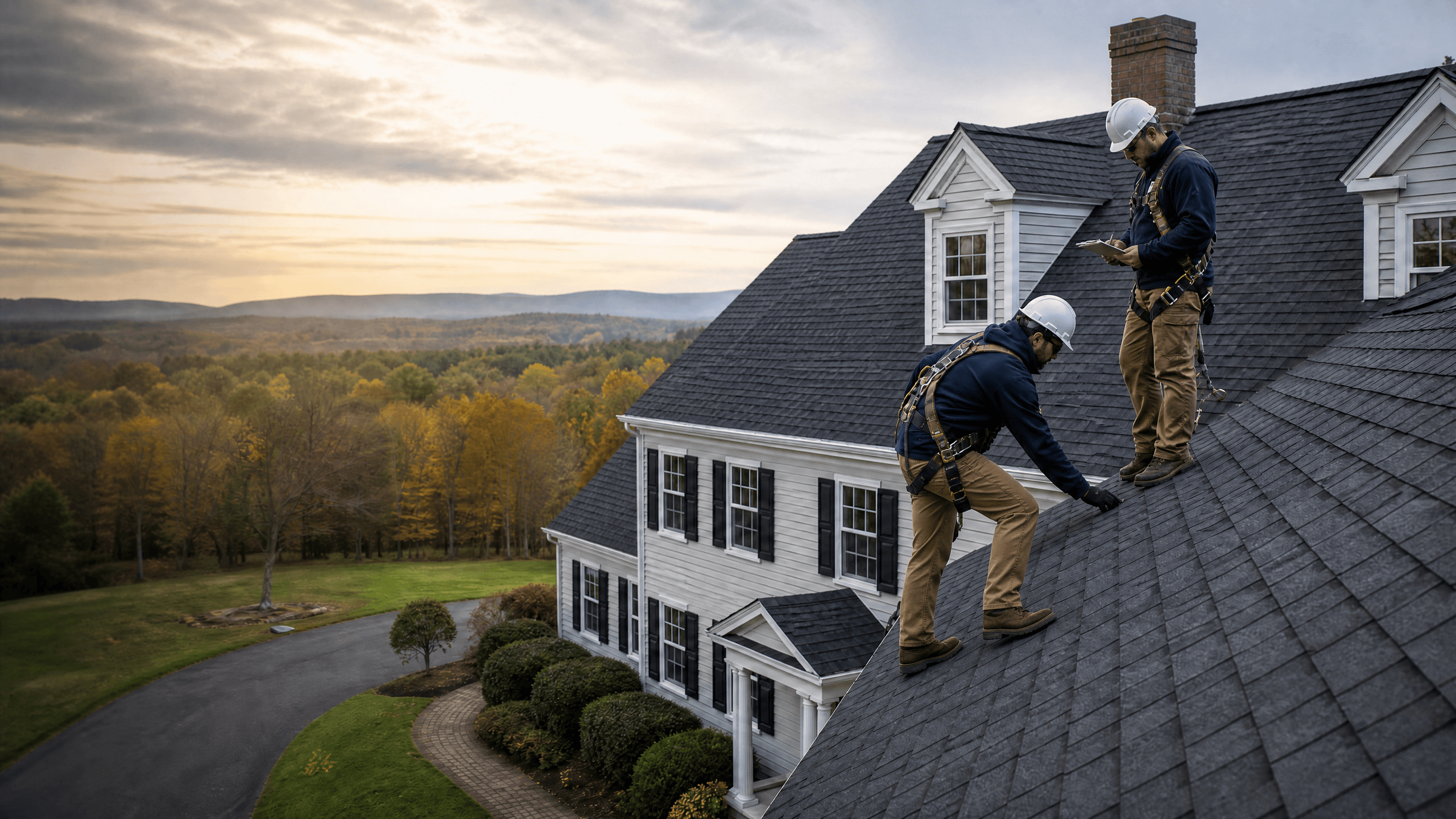
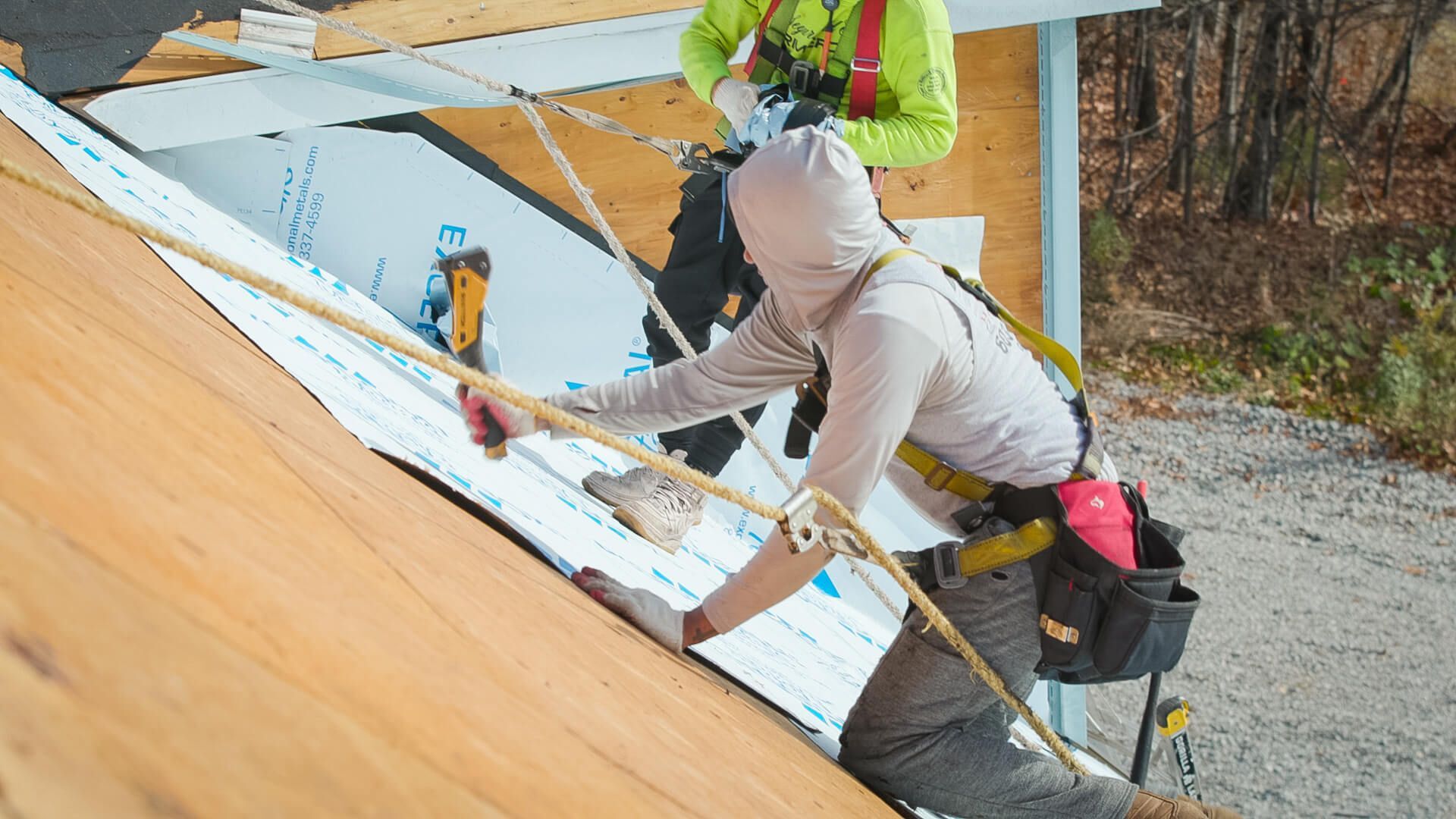
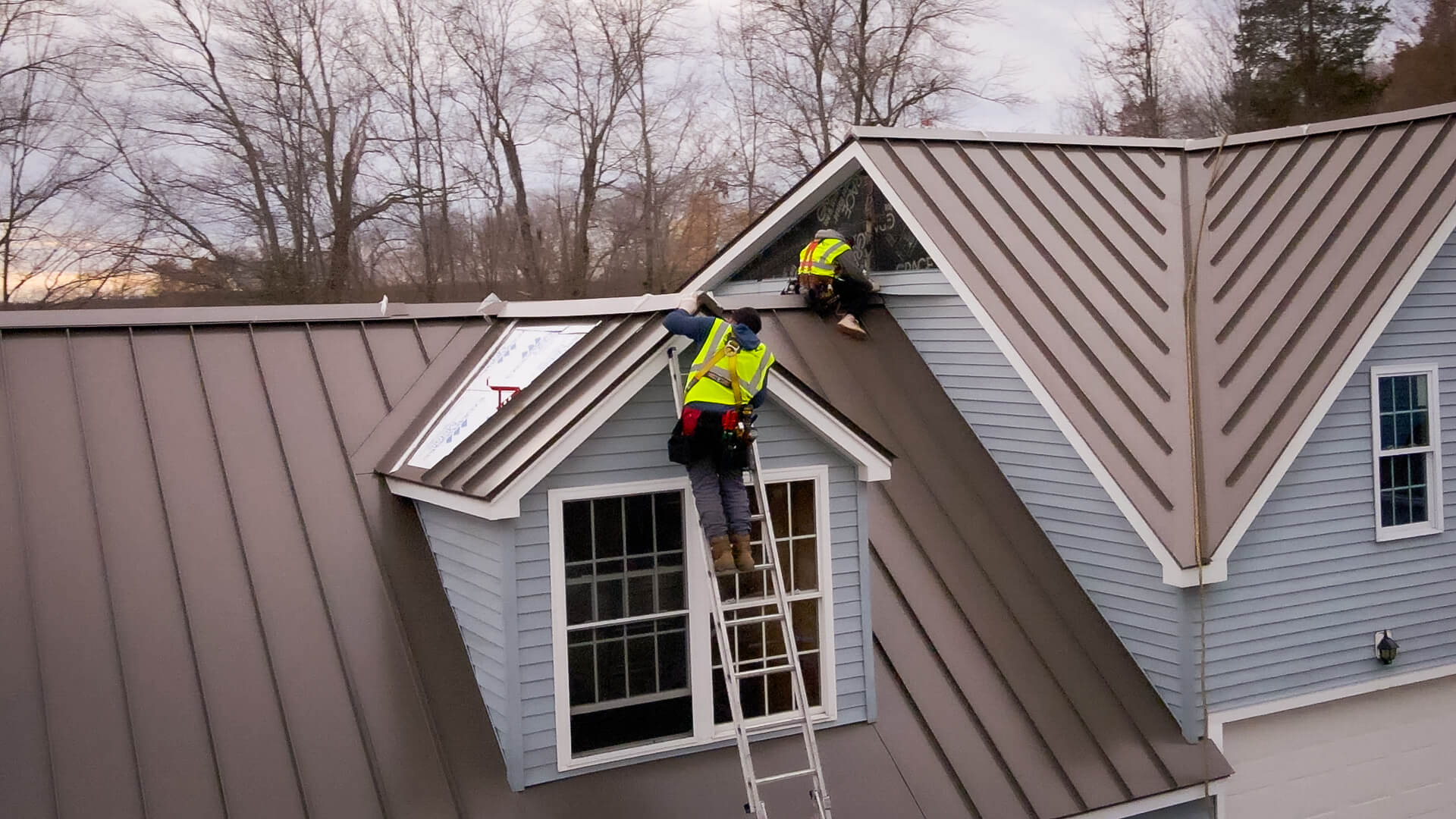
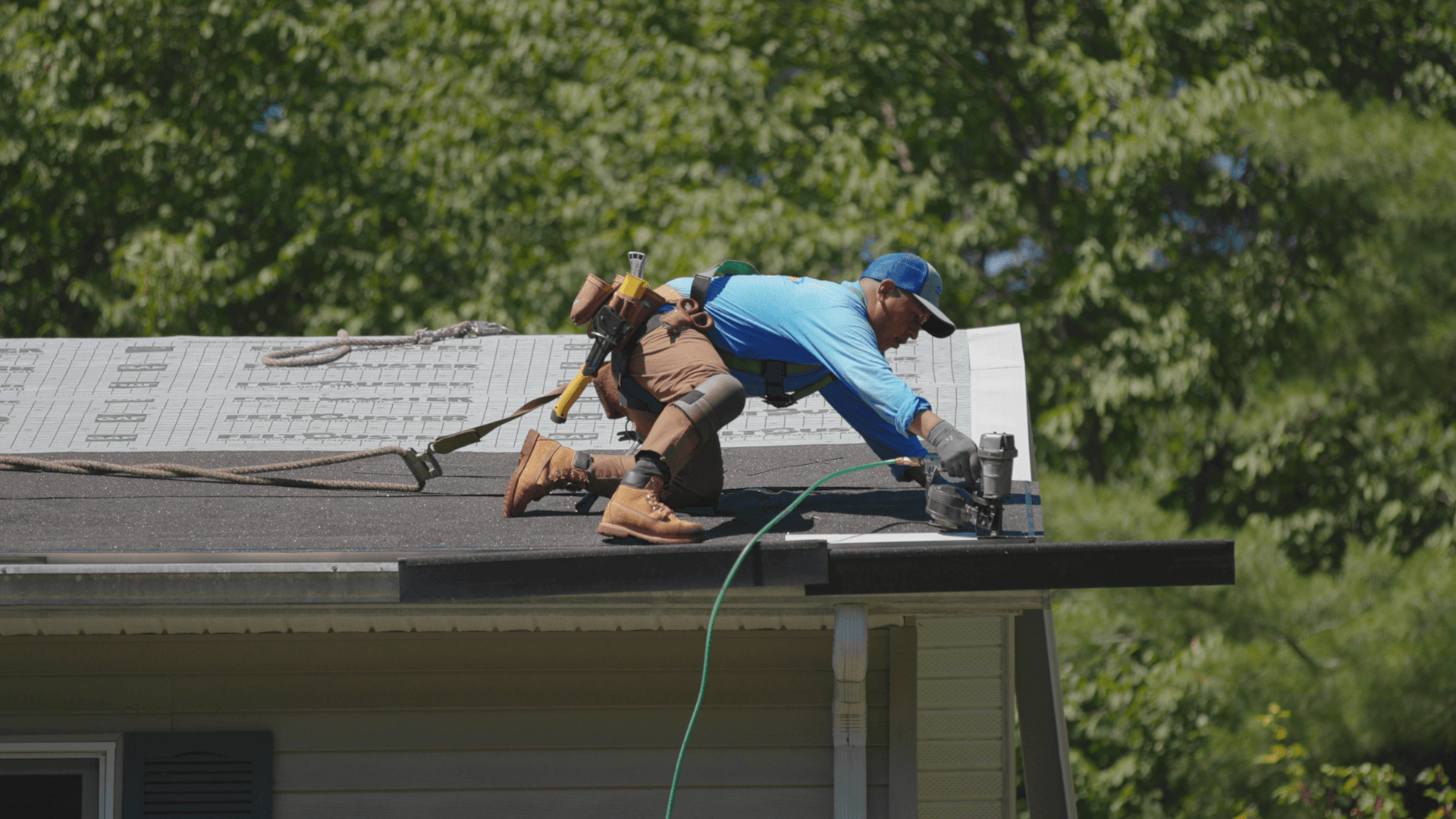
Use a sturdy ladder to access your roof safely. Never attempt roof repairs in wet, icy, or windy conditions. Wear non-slip shoes and use safety ropes if necessary.
Step 3: Find the Leak on Your Roof
Once on the roof, identify the exact point of entry of water. Look for damaged, curled, or missing shingles as likely culprits.
Step 4: Secure Loose Shingles
If shingles are curled back, reattach them with asphalt roof cement or compound found at home improvement stores.
Step 5: Fix Shingle Damage
For cracked shingles, apply a thick bead of roof sealant under the crack and press down. Then spread another bead of sealant over the top. Use a putty knife to flatten out the sealant, ensuring a watertight seal.
Step 6: Address Flashing and Sealant Issues
Examine roof flashing (thin metal strips that seal gaps and prevent water from entering), sealing any gaps or re-securing loose flashing with nails and a sealant.
Step 7: Clear Gutters and Downspouts
Ensure that your gutters and downspouts are free of debris, as blockages can cause water to back up and seep into your home.
Step 8: Conduct Regular Maintenance
To prevent future leaks, inspect your roof regularly, especially after harsh weather, and address small issues before they become significant problems.
Avoiding Common DIY Roof Repair Mistakes
Embarking on DIY roof repair can be cost-effective, but certain missteps can turn into costly errors. Knowing what to avoid is just as important as understanding what to do. This guidance will help you sidestep the typical pitfalls that many enthusiastic DIYers encounter when tackling roof repairs.
Mistake 1: Ignoring Safety Measures
Trying to fix a leak without proper safety gear is a recipe for disaster. Always use a sturdy ladder, secure it at the base, and, if possible, have a partner to spot you.
Mistake 2: Misidentifying the Leak Source
Locating a stain on the ceiling and assuming the leak is directly above it is a common error. Water can travel far from the entry point; always investigate thoroughly in the attic to trace the leak’s actual origin.
Mistake 3: Using Improper Repair Materials
Temporary fixes like duct tape or an unapproved sealant won't withstand the elements and can lead to bigger issues. Be sure to use materials designed for roofing, such as asphalt roof cement, to secure shingles properly.
Mistake 4: Neglecting Weather Conditions
Attempting repairs during adverse weather conditions not only jeopardizes your safety but can also hamper the repair quality. Wait for a dry, calm day to ensure the best adhesion for your roofing materials and a safe environment for you.
By being informed about these common blunders, you can foster a more effective and safe repair process, ensuring your roof remains intact for seasons to come.
Tackling the Task at Hand
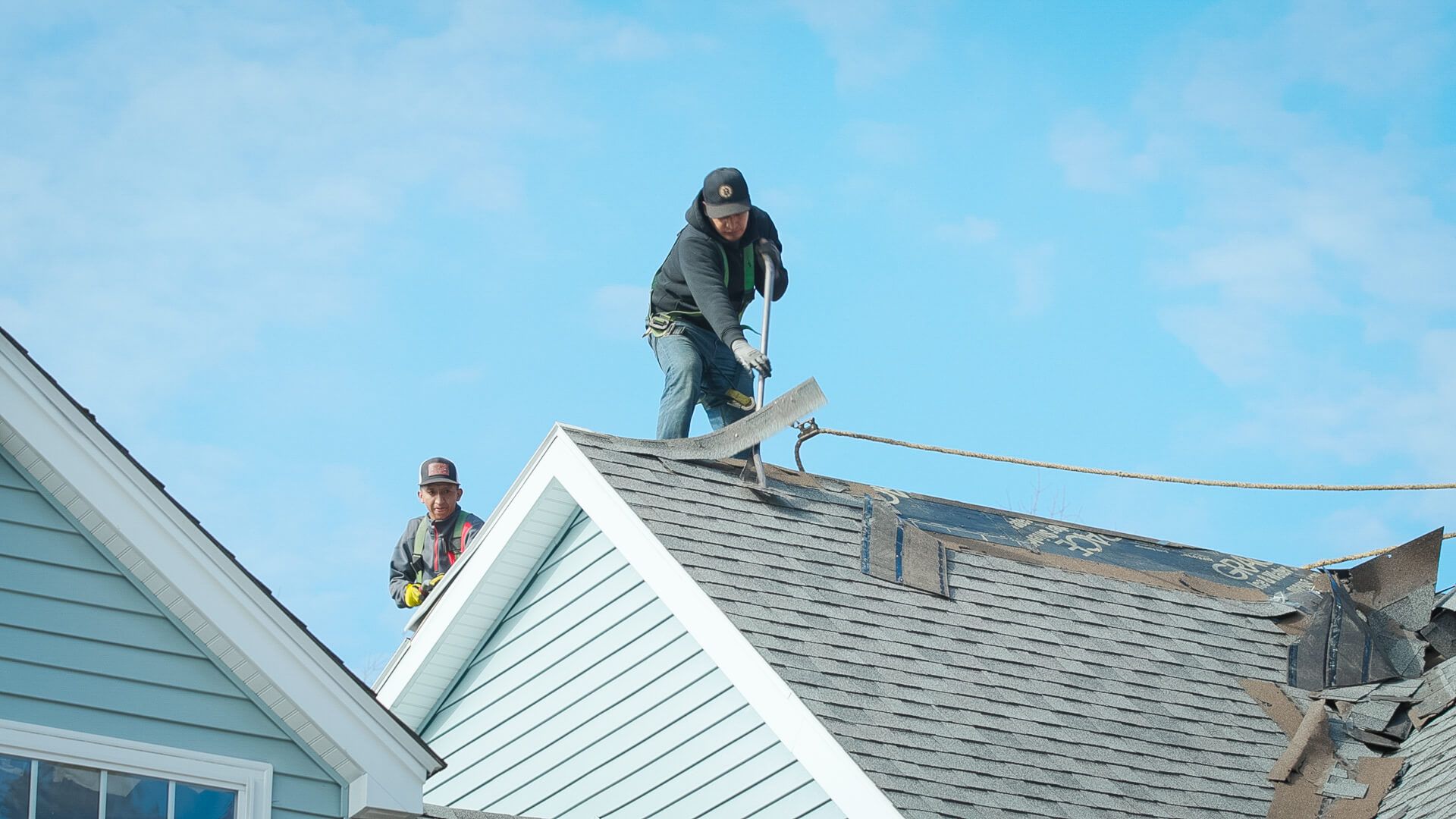
It's crucial to isolate the exact spot where water is breaching your home's defenses. Climb onto the roof, equipped with your safety gear, and begin your inspection. Look for telltale signs of breach such as damaged, curled, or missing shingles which are often the usual suspects in roof leaks.
Executing Roof Repairs
With the problem area identified, it’s time to address the issue head-on. Apply roofing cement to secure loose shingles or use a sealant for cracks, taking care to smoothen it out for a watertight seal. For more complex tasks like dealing with damaged flashing, it might save time and ensure quality by enlisting professional residential roofing services.
Morgan Bennett, Marketing Director
Morgan is the Marketing Director at Adam Quenneville Roofing & Siding, joining the team in 2024. She holds a bachelor’s degree in Marketing and Business and helps lead the company’s brand strategy, content, and customer education efforts. Morgan also plays a key role in AQ Cares, AQRS’s community outreach division, helping coordinate partnerships, volunteer initiatives, and local giving programs that support the neighborhoods we serve.
Topics: