How to Find a Roof Leak Quickly and Effectively
June 29th, 2025
5 min read

• Discover signs of a roof leak with a detailed interior and exterior inspection guide
• Learn practical DIY steps to identify and prevent common roofing issues
• Understand why professional services are the most reliable solution for roof repair and maintenance
Recognizing the Red Flags of Potential Roof Leaks
Spotting the early indicators of a roof leak can save you from unexpected headaches and costly repairs. One of the first signs to watch for is water stains on your ceiling; these unsightly blemishes often form in concentric rings and signify prolonged exposure to moisture. Discoloration might similarly signal where water has trespassed into your household sanctuary; these areas may appear darker or lighter than the surrounding material. Moreover, if you spot paint peeling away or bubbling up, it's a telltale sign that the integrity of your ceiling is under threat from water invasion.
While the attic is often out of sight, it shouldn't be out of mind, especially when checking for leaks. This secluded space can harbor clear evidence of moisture problems, like mold growth which thrives in damp, dark environments. Insulation that's wet to the touch or wood that has started to decay are also strong indicators that there's a leak above. Don't forget to bring along a flashlight to catch the subtle shimmer of water trails that can help pinpoint the breach's location.
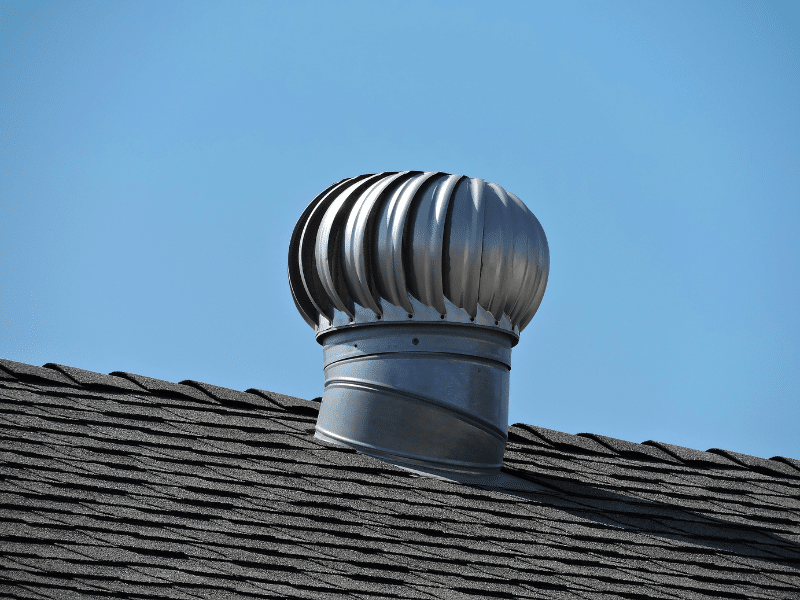
Once you've conducted thorough indoor surveillance, it's time to venture outward and scrutinize the roof itself. Your attention should first settle on the areas around roof penetrations; vents, chimneys, and the like are notorious spots for leaks due to their interrupted seal against the elements. Look out for any caulking that may have cracked under the duress of the weather, or flashing that's succumbed to rust or detachment. These defects not only compromise the appearance of your home but, more critically, its ability to ward off water.
A Step-by-Step Guide to Roof Leak Detection
After identifying initial signs of a leak within your home, the next move is to trace back these signs to their source. A systematic approach can help secure your home against the intrusion of water. Perform a meticulous examination of roofing shingles, as they are the critical outer layer protecting your dwelling from the elements. Damaged or missing shingles are not just an eyesore; they’re invitations for water to seep into your home’s structure.
Another area prone to leaks is where the roof meets the gutters. Clogged gutters can cause water to pool and eventually make its way under the roofing material, compromising the barrier against moisture. Ensuring that gutters and downspouts are clear of leaves and debris is not just routine maintenance—it's a critical action to guard against potential leaks. In terms of professional expertise and quality service in safeguarding against these issues, Adam Quenneville's gutter services can provide comprehensive solutions tailored to Vermont's unique seasonal demands.
Maintaining a Vigilant Eye on Roof Health
Roof inspections might not always uncover visible signs of damage; sometimes a leak is more surreptitious. When the origin of a leak remains a mystery, it's time to enlist a partner for a water hose test. Simulate a downpour over suspected areas of your roof while an assistant inside signals the emergence of drips. This method, although simple, can be incredibly effective in isolating leaks and ensuring that the fixes you apply are accurate and enduring.
Upon identifying the problematic area, marking it on both the inside and outside of your roof is essential for effective repairs or consultations with professionals. Temporary seals can mitigate damage but are not long-term solutions. For a permanent fix, consider reaching out to seasoned professionals who will address your leak with the appropriate materials and techniques. Your home is your sanctuary, and a diligent approach to roof maintenance will preserve its integrity through the seasons.
Step 1: Inspect Your Ceiling for Signs of Water Damage
Begin your search inside your home by looking for water stains, discoloration, or peeling paint on your ceilings and walls. These signs often point to the general area of the roof leak.
Step 2: Check the Attic for Leaks
If your home has an attic, carefully enter it and search for any signs of water penetration, like mold, damp insulation, or wood rot. Bring a flashlight to help notice any glistening water tracks leading to the leak's source.
Step 3: Examine Roof Vents and Flashings
Once outside, safely use a ladder to access your roof. Inspect all roof penetrations, such as vents, chimneys, and skylights. Check for cracked or missing caulking and rusted or broken flashing, as these are common leak culprits.
Step 4: Assess the Condition of Roof Shingles
Scan the roof for any damaged, missing, or aged shingles. Harsh weather can take a toll on roofing materials, and even a single compromised shingle can allow water to infiltrate your home.
Step 5: Look for Clogged Gutters
Ensure that gutters and downspouts are free of debris. Blockages can cause water to back up and seep under your roofing structure, leading to interior leaks.
Step 6: Conduct a Water Hose Test
If the leak’s source remains elusive, enlist help for a controlled water test. Use a garden hose to simulate rain over suspected leak areas while someone inside watches for drips.
Step 7: Mark the Area of the Leak
Once you identify the area where water enters, mark it from both inside (if accessible) and outside. This will be critical for guiding roof repairs or for showing the spot to professional roofing contractors.
Step 8: Consider Seasonal Maintenance Tips
In summer, Vermont heat can dry out roof sealants and cause shingles to crack. Keep an eye on your roof's condition each season to preemptively address any damage and prevent further leaks.
Avoiding Common DIY Roof Leak Detection Errors
While finding and fixing a roof leak is a crucial skill for homeowners, certain missteps can turn a simple detection job into a larger problem. Understanding common mistakes is just as important as following the correct steps to ensure you get to the root of the issue without causing further damage. Read on to learn about the pitfalls to avoid so your DIY efforts are effective, safe, and don't inadvertently exacerbate the issue.
- Mistake 1: Ignoring Early Warning Signs
Many homeowners overlook minor signs of water damage, hoping they'll resolve on their own. This delay can turn a small issue into major damage. To avoid this, actively look for early signs like stains and discoloration and address them promptly. - Mistake 2: Insufficient Attic Inspection
Failing to thoroughly inspect your attic can mean missing the leak entirely. This space is often where leaks first become noticeable, so it's crucial not to rush this step and use a flashlight to spot any water trails or mold. - Mistake 3: Neglecting Roof Perimeter Checks
Some DIYers forget to check the roof's edge and gutters, areas that are prone to leaks. Ensure gutters are free from debris to prevent water from backing up and penetrating your roof's protective barrier. - Mistake 4: Overlooking Seasonal Maintenance
A mistake as simple as neglecting seasonal maintenance can lead to unforeseen leaks. The diligent care of your roof, especially in the wake of Vermont's fluctuating temperatures, is vital to preventing leaks that might be masked until too late. - Mistake 5: Skimping on Quality Materials for Repairs
Investing in subpar sealing materials or temporary fixes can backfire. Always use high-quality, weather-resistant products that match your existing roofing materials to ensure a long-lasting solution.
Preparing for Long-Term Roof Health
Vermont's seasonal changes demand that homeowners remain proactive in their roof's maintenance. Regular inspections can identify potential problems before they escalate into costly repairs. Adopting a routine of checking your roof's condition with each changing season not only ensures longevity but also provides peace of mind that your home remains protected from the elements.
If you discover damage that seems beyond the scope of a simple fix, it's time to consult with professionals. A qualified roofing team can offer solutions that not only fix the current issues but also help prevent future leaks. You can explore Adam Quenneville's residential roofing services for expert advice and reliable repair work tailored to Vermont homes.
Conclusion: Securing Your Home Against the Elements
In summary, knowing how to find a roof leak is a vital skill for any homeowner, especially in a state with diverse weather like Vermont. Using a careful approach and implementing preventative strategies can extend the life of your roof significantly. And remember, when in doubt, it's best to reach out to professionals who can ensure the job is done right the first time.
For those instances where a professional's touch is needed, do not hesitate to get in touch with experts in the field. Whether for an inspection, maintenance, or repair, a reputable service provider can offer you the assurance that your home remains secure and dry. Consider how Adam Quenneville's expertise can help maintain your roof's condition and protect your home against future leaks and weather-related damage.
Morgan Bennett, Marketing Director
Morgan is the Marketing Director at Adam Quenneville Roofing & Siding, joining the team in 2024. She holds a bachelor’s degree in Marketing and Business and helps lead the company’s brand strategy, content, and customer education efforts. Morgan also plays a key role in AQ Cares, AQRS’s community outreach division, helping coordinate partnerships, volunteer initiatives, and local giving programs that support the neighborhoods we serve.
Topics: