How to Clean Roof Shingles: A Step-by-Step Guide
May 11th, 2025
5 min read
• Tips for detecting common roof shingle issues before cleaning
• Step-by-step guide on safe and effective roof shingle cleaning
• How to avoid typical mistakes during DIY roof cleaning and maintenance
Recognizing When Your Roof Shingles Need Cleaning
As you gaze up at your roof, you might notice dark streaks or patches dotting the shingles – a clear sign of algae and moss growth. These unsightly invaders not only detract from your home's curb appeal but can also eat away at roofing materials over time. In the damp climate of Massachusetts, it's not uncommon for shingles to become a breeding ground for such organisms, especially as spring rains provide ample moisture. Ignoring these warning signals could lead to more significant problems, rendering a simple cleaning ineffective and necessitating more extensive repairs.
Another telltale sign of a roof needing attention is the presence of accumulations of leaves, twigs, and other debris, particularly after the fall and winter seasons. These piles can retain moisture against the roof surface, causing shingles to deteriorate faster than usual. Loose or missing granules from the shingles, which may appear in your gutters or as sediment at the end of downspouts, also speak to the need for prompt cleaning. It's essential to address these issues before they escalate, preserving the functional integrity of your roof.
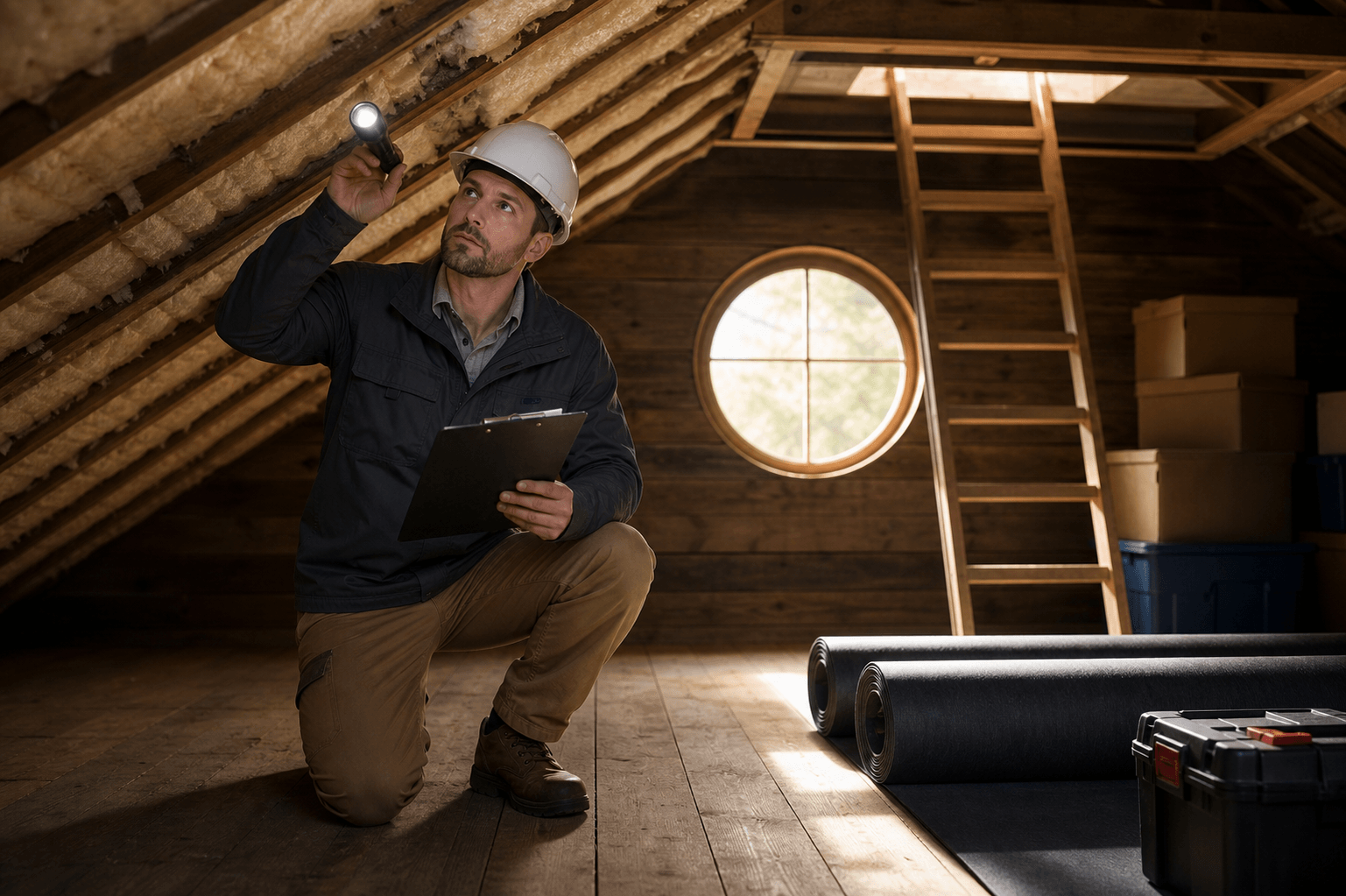
Beyond the visible evidence of neglect, homeowners should also be vigilant for any interior signs of water damage or leaks. Peeling paint, water stains on ceilings, or a musty scent in the attic can all hint at compromised shingles failing to protect your home adequately. Before undertaking any cleaning tasks, an assessment for damaged or lifted shingles is crucial – these underlying issues must be rectified to avoid further damage to your home's structure during the cleaning process.
Preparing for a Safe Cleaning Session
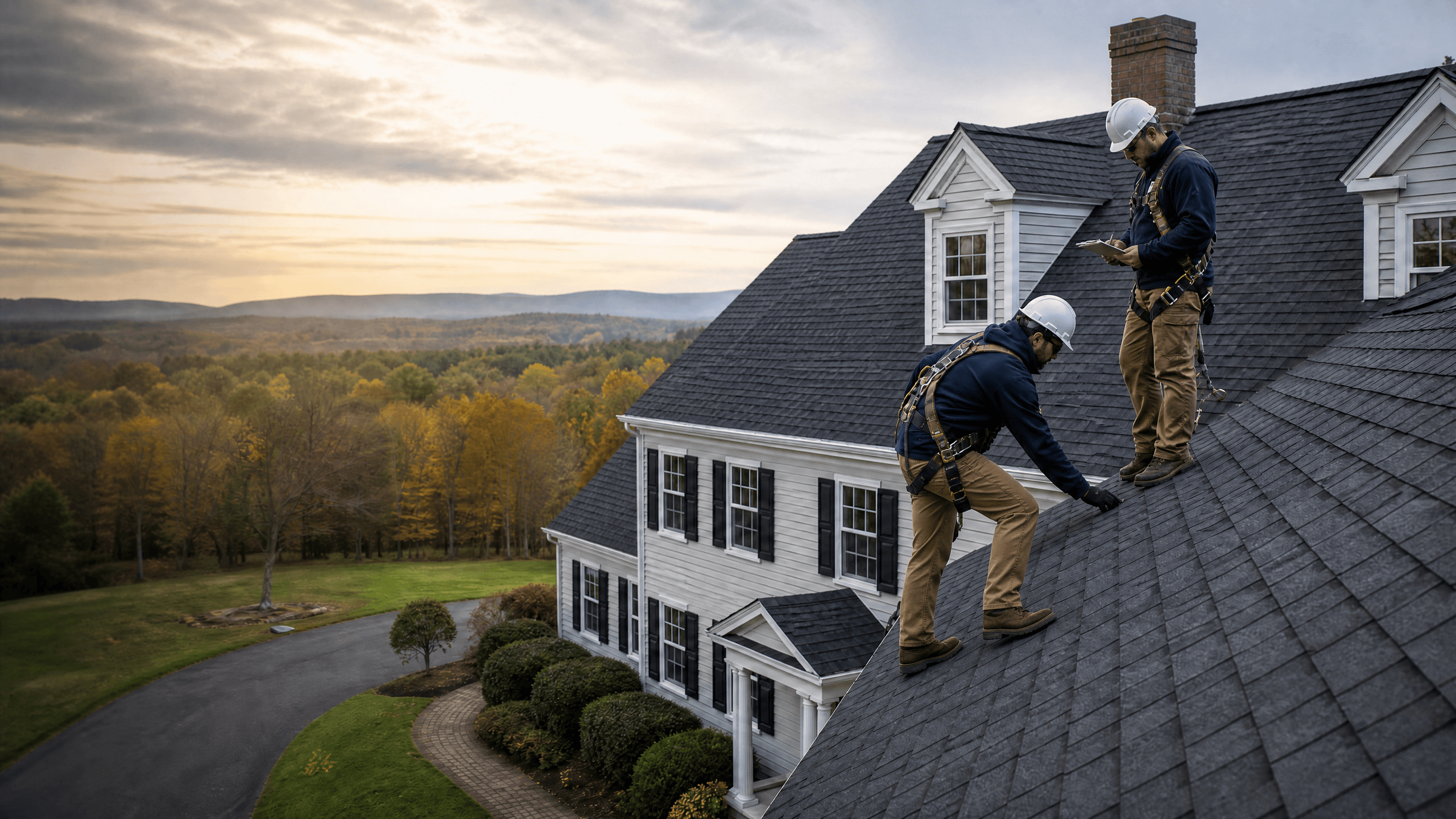
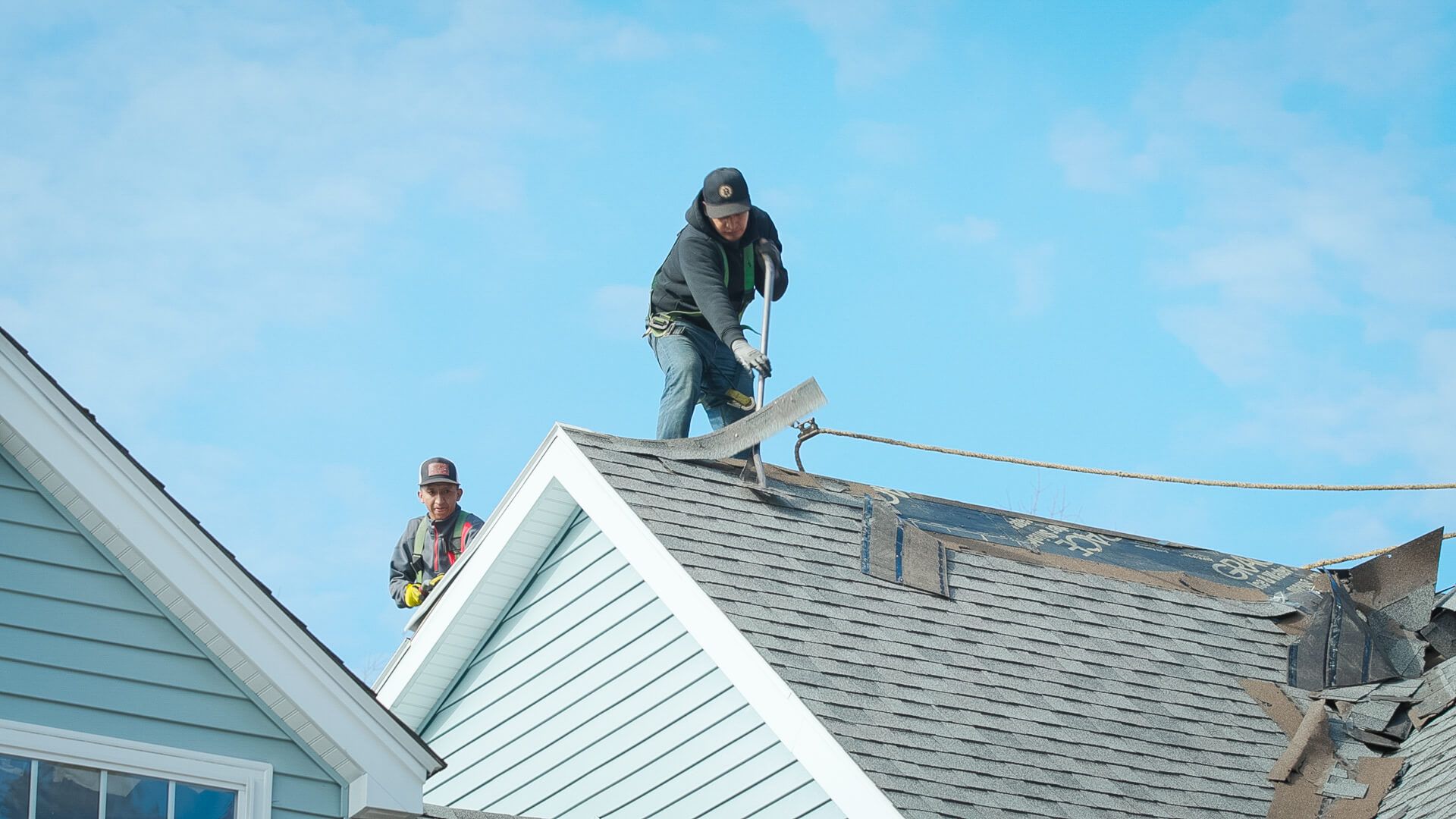
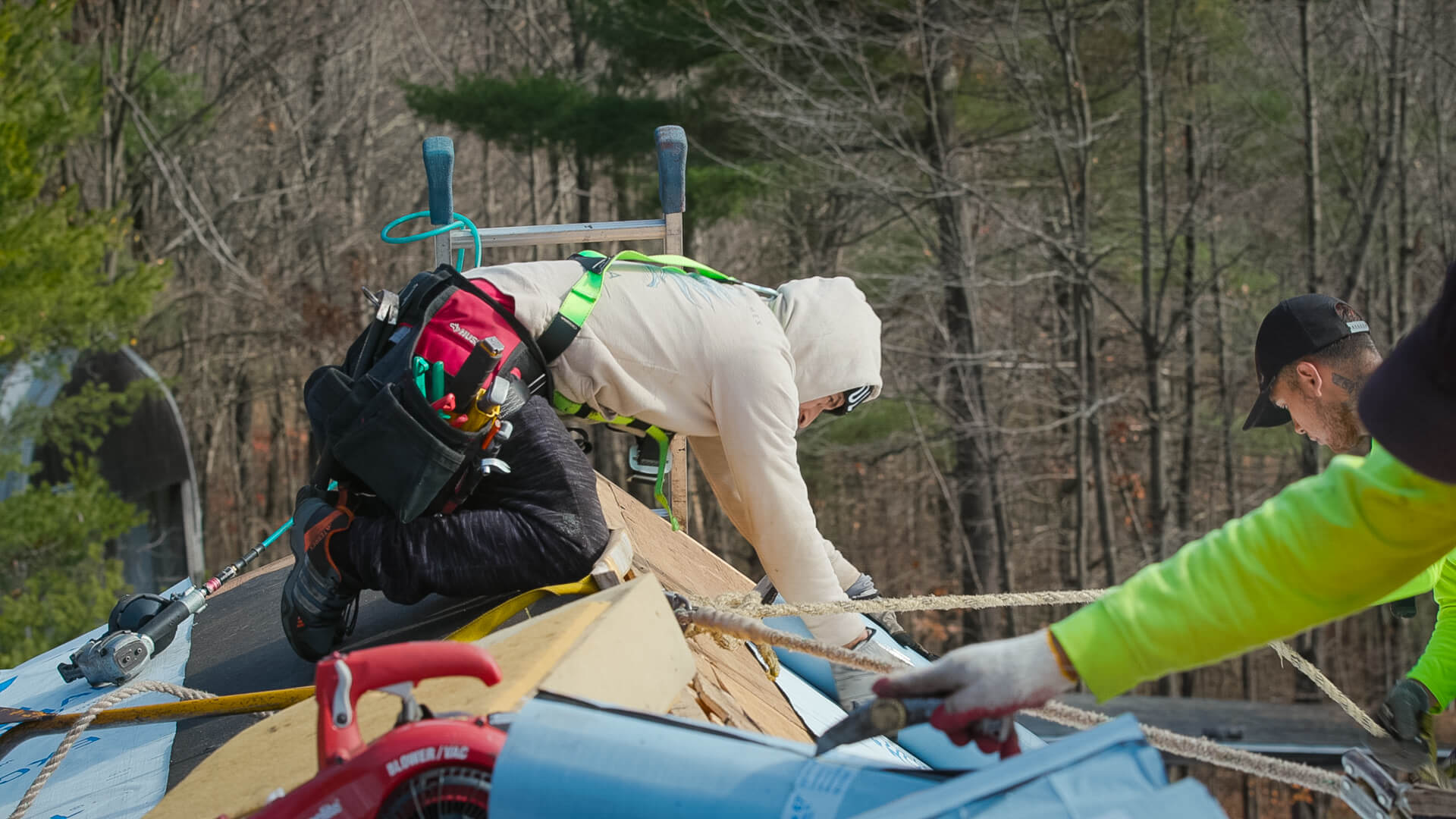
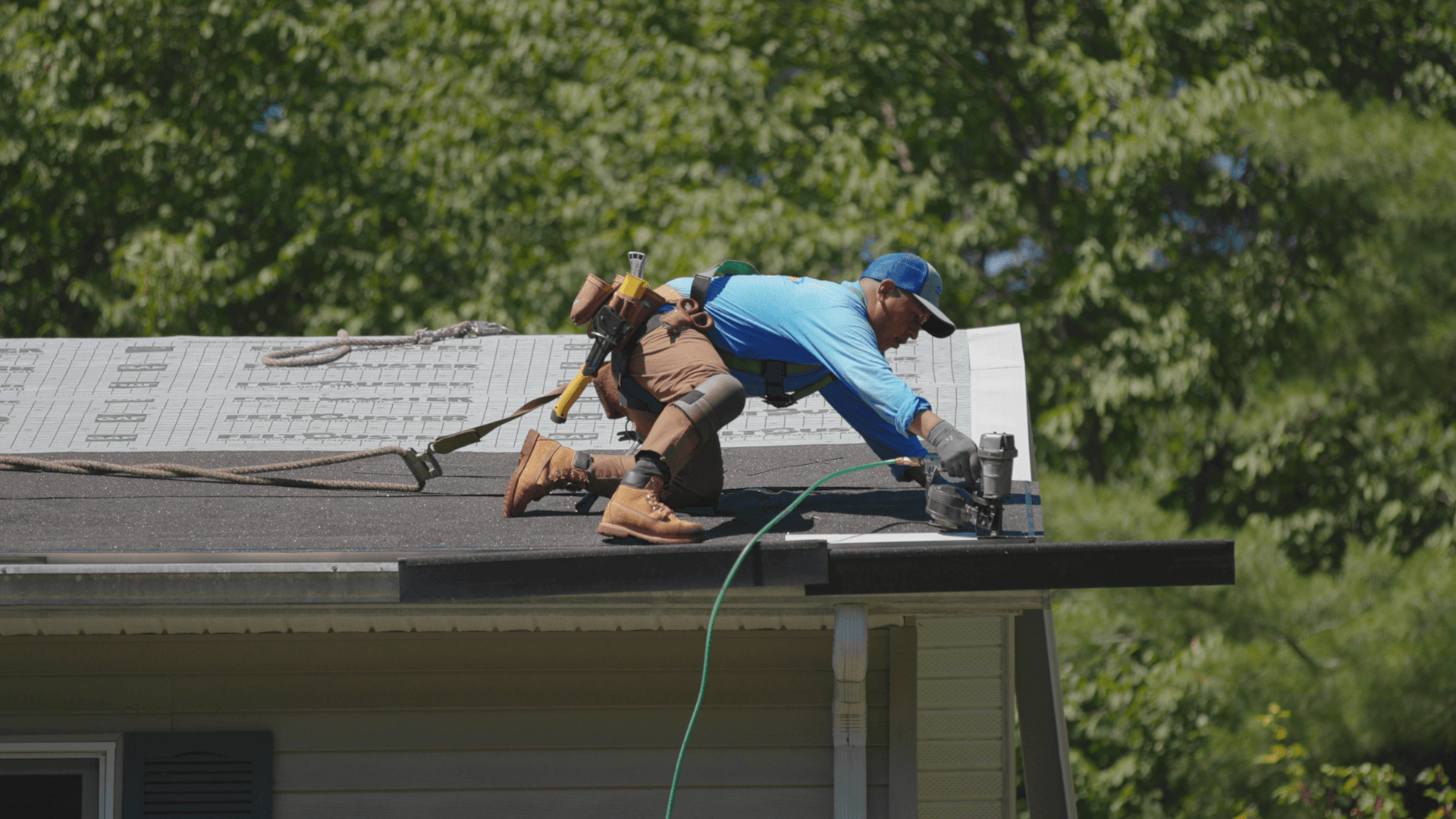
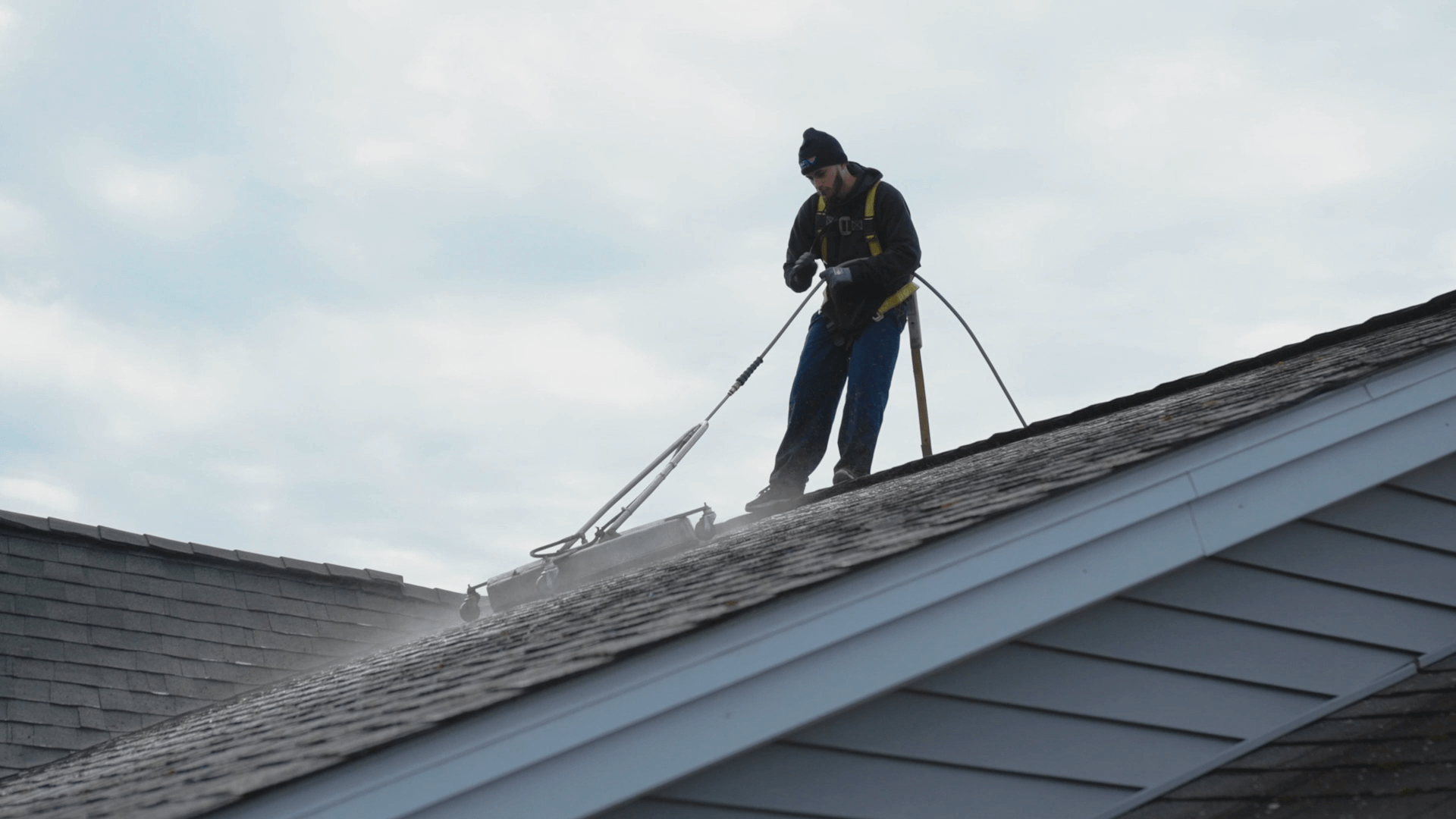
Step 1: Safety First – Safety should be your paramount concern when planning to clean your roof. Slip-resistant footwear, durable gloves, and secure ladder placement are the foundation of a safe approach. For those venturing onto the roof itself, a safety harness isn't just recommended; it's a crucial investment in your wellbeing. Remember, no cleaning task is worth compromising your safety.
Choosing the Optimal Time for Cleaning
Step 2: Choose the Right Day – Timing is everything when it comes to cleaning your roof shingles efficiently. Look for a day that provides cloud cover and cooler temperatures to prevent the cleaning solution from drying too rapidly. This not only ensures the solution's efficacy but also protects your roof from the harsh effects of direct sunlight during the cleaning process.
The Preliminary Cleaning Sweep
Step 3: Clear Debris – Start by removing organic debris that has settled on your roof, as such material can hinder the cleaning solution's ability to reach the surface of the shingles. A gentle sweep with a roof rake or leaf blower will suffice. This will set the stage for a more thorough cleaning, ensuring that the solutions used perform at their best and deliver a cleaner, more aesthetically pleasing roof.
Protecting Your Home's Exterior
Before the scrubbing begins, it's essential to take measures to protect the landscaping and exterior features of your home. Generously soaking plants and grass with water creates a protective barrier against any potential damage from the cleaning agents used on the roof. Plastic sheeting serves as a robust shield for your garden beds, safeguarding your flowers and shrubs. These simple precautions will ensure that your home's greenery remains unscathed, allowing you to enjoy the full beauty of your property after the roof is sparkling clean.
When mixing your cleaning solution, it's crucial to respect the mixture ratios to prevent any harm to your shingles. The correct blend of water, bleach, and TSP will effectively eradicate algae without jeopardizing the integrity of the shingles. Always reference the manufacturer's guidelines to confirm compatibility with your specific roof type. Furthermore, for homeowners who prefer a professional approach in maintaining their roof and exterior, exploring the services at Adam Quenneville is a prudent choice for quality and expertise.
Applying the Cleaning Solution
Using a sprayer, begin at the shingles' lower edge and gently work your way upwards with the cleaning solution. This methodical approach prevents streaks that may occur from the solution dripping down over yet-to-be-cleaned areas. Steer clear of pressure washing, which can be too harsh and strip away granules protecting the shingle surface. It's about being gentle yet thorough to maintain the shingles' structural strength and appearance.
Allowing the Solution to Work Its Magic
Step 7: Let the Solution Work – After applying the solution, patience becomes your ally. Give the cleaning agents time to penetrate and lift the grime without letting the solution dry out - this might mean applying more solution in case it begins to dry prematurely. The dwell time is crucial for the solution to break down roof pollutants effectively. A careful watch assures that the entire roof gets the treatment needed to reveal a clean, residue-free surface beneath.
Step 1: Safety First
Before beginning the cleaning process, ensure you have proper safety gear. Wear non-slip shoes, gloves, and use a sturdy ladder. Consider using a safety harness if you'll be on the roof for an extended period.
Step 2: Choose the Right Day
Select a cool, overcast day to clean your roof shingles to prevent the cleaning solution from evaporating too quickly, which can limit its effectiveness.
Step 3: Clear Debris
Using a leaf blower or soft broom, clear the roof of leaves, twigs, and any other debris. This initial cleaning helps prevent organic material from interfering with the cleaning process.
Step 4: Protect Your Plants and Lawn
Wet any plants or grass around the perimeter of your home to protect them from the cleaning solution. Cover delicate plants with plastic sheeting as an additional precaution.
Step 5: Prepare the Cleaning Solution
Mix a roof cleaning solution that can effectively remove algae and dirt without damaging the shingles. A common homemade solution is a mix of water, bleach, and trisodium phosphate (TSP), always diluted according to safety guides.
Step 6: Apply the Cleaning Solution
Using a sprayer, apply the cleaning solution to the shingles, starting from the bottom and working up to prevent streaking. Avoid pressure washing, as high pressure can damage shingles.
Step 7: Let the Solution Work
Allow the solution to sit on the shingles for the recommended amount of time, usually around 15-20 minutes, without drying up. If areas start to dry, reapply the solution to keep the shingles wet.
Step 8: Rinse Thoroughly
Rinse the roof with plain water from a garden hose, starting from the top and working down to ensure all cleaning solution and loosened debris are washed away. Avoid high pressure to protect the integrity of the shingles.
Common Mistakes to Avoid While Cleaning Your Roof Shingles
Diving into a DIY roof cleaning can be a cost-effective way to maintain your home's aesthetic and structural integrity, but it's not without its pitfalls. Many homeowners set out with the best intentions, only to fall into common traps that can lead to inadequate cleaning, or worse, damage to the roof. Understanding these common missteps is key to a successful and damage-free cleaning.
- Mistake 1: Neglecting Safety Precautions
It happens due to a lack of proper planning and understanding of the risks involved in roof work. To prevent this, always wear safety gear, including non-slip shoes and gloves, secure your ladder properly, and use a safety harness for steep or high roofs. - Mistake 2: Choosing the Wrong Weather
Cleaning on a sunny day may cause the solution to evaporate too quickly, leading to ineffective cleaning. You can avoid this by choosing a cool, overcast day that will permit the cleaning solution to work more effectively on the shingles. - Mistake 3: Overlooking the Protection of Surroundings
The plants and lawn around your house can be damaged by the cleaning chemicals. To prevent this, wet the vegetation around your home beforehand and use protective sheeting for added safety. - Mistake 4: Inappropriate Cleaning Solution Concentration
This is often due to a lack of knowledge on the correct mixing ratios. Ensure that you follow the recommended dilution guidelines to avoid damaging your shingles and produce an effective mixture. - Mistake 5: High-Pressure Washing
High-pressure washing can dislodge granules from the shingles and shorten the roof's lifespan. To avoid this, use a low-pressure garden hose or sprayer to apply and rinse off the cleaning solution gently. - Mistake 6: Allowing the Solution to Dry
If the solution dries on the shingles, it may not fully remove the buildup and can be difficult to rinse off. Reapply the cleaning solution as needed to keep the shingles moist until you're ready to rinse.
Rinsing Away the Grime
After allowing the cleaning solution to sit and loosen the dirt, it's time for a thorough rinse. Starting from the top and moving downwards ensures that all the grime is washed away without leaving behind any residue. It's imperative to use a gentle flow of water to protect your shingles from the potentially damaging high pressure of a power washer.
Prolonging the Life of Your Roof
Upon completing these essential steps, your roof should not only look markedly better but also enjoy a prolonged lifespan, free from damaging organisms and debris. Remember, regular maintenance can prevent the need for more drastic measures and keep your roof in peak condition. For homeowners considering additional home improvement services, exploring gutter solutions can further safeguard and enhance the longevity of your roof and home.
Morgan Bennett, Marketing Director
Morgan is the Marketing Director at Adam Quenneville Roofing & Siding, joining the team in 2024. She holds a bachelor’s degree in Marketing and Business and helps lead the company’s brand strategy, content, and customer education efforts. Morgan also plays a key role in AQ Cares, AQRS’s community outreach division, helping coordinate partnerships, volunteer initiatives, and local giving programs that support the neighborhoods we serve.
Topics: