How To Clean Moss Off Roof: A Step-By-Step Guide
May 18th, 2025
5 min read
• Learn signs of roof moss and the right conditions for removal
• Step-by-step guide on moss removal, rinsing, and prevention
• Tips to avoid common DIY mistakes and maintain a moss-free roof
Spotting the Early Signs of Moss Accumulation
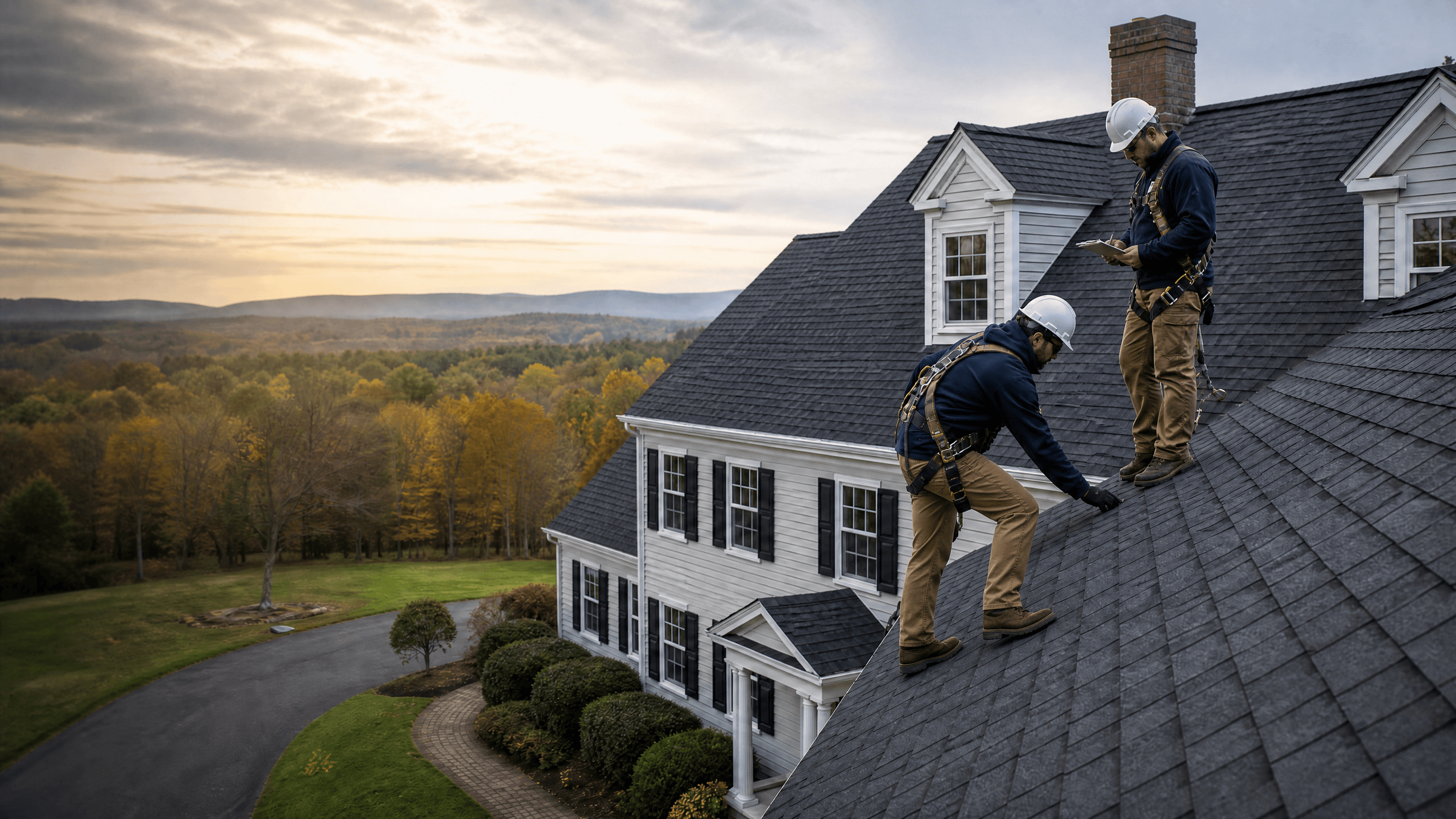
The sight of a lush, green lawn is a welcome one, but when that same velvety green starts creeping across your roof, it's a clear warning sign. Roof moss should be addressed promptly as it can lead to shingle damage, roof deterioration, and even leaks over time. In New Hampshire's springtime, this issue becomes more pronounced with the moist and sometimes shadowy conditions favoring moss growth. It’s essential to regularly inspect your roof, especially the areas that receive little to no sunlight, as these are prime spots for moss to flourish.
Choosing the Optimal Conditions for Moss Removal
When planning a thorough spring cleaning, timing is of the essence, and the same goes for how to clean moss off your roof. A dry, overcast day is ideal for this task—the absence of harsh sunlight ensures the cleaning solution remains effective longer, without quick evaporation. Tackling moss removal under these conditions not only enhances the product's performance but also provides a safer environment for you to work in, with reduced risk of slipping and overexposure to cleaning agents.
Preparing Your Workspace
Cleaning moss off your roof doesn't start on the roof, it starts with the groundwork. Preparation is crucial—begin by covering any vegetation with tarps to protect your landscape from the cleaning solutions used later. Clear your gutters too; this will prevent blockages when it comes time to rinse off the moss and cleaner residue. Ensuring these preparatory steps are taken care of will provide a smooth transition from one stage of the cleaning process to the next, safeguarding your property and simplifying your workflow.
Applying Moss Remover: The Safe and Effective Approach
Having protected your surrounding greenery and guaranteed a clear working area, it's time to focus on the heart of the matter—applying a moss remover. Choosing an environmentally friendly moss remover is key to ensuring the health of your roof without compromising the ecosystem around your home. Application should be done according to the manufacturer's directions, generally involving a generous coating on affected areas. After application, patience plays a role as the product requires time to penetrate and break down the moss, setting the stage for easier removal.
Brushing Away the Moss: A Delicate Balance
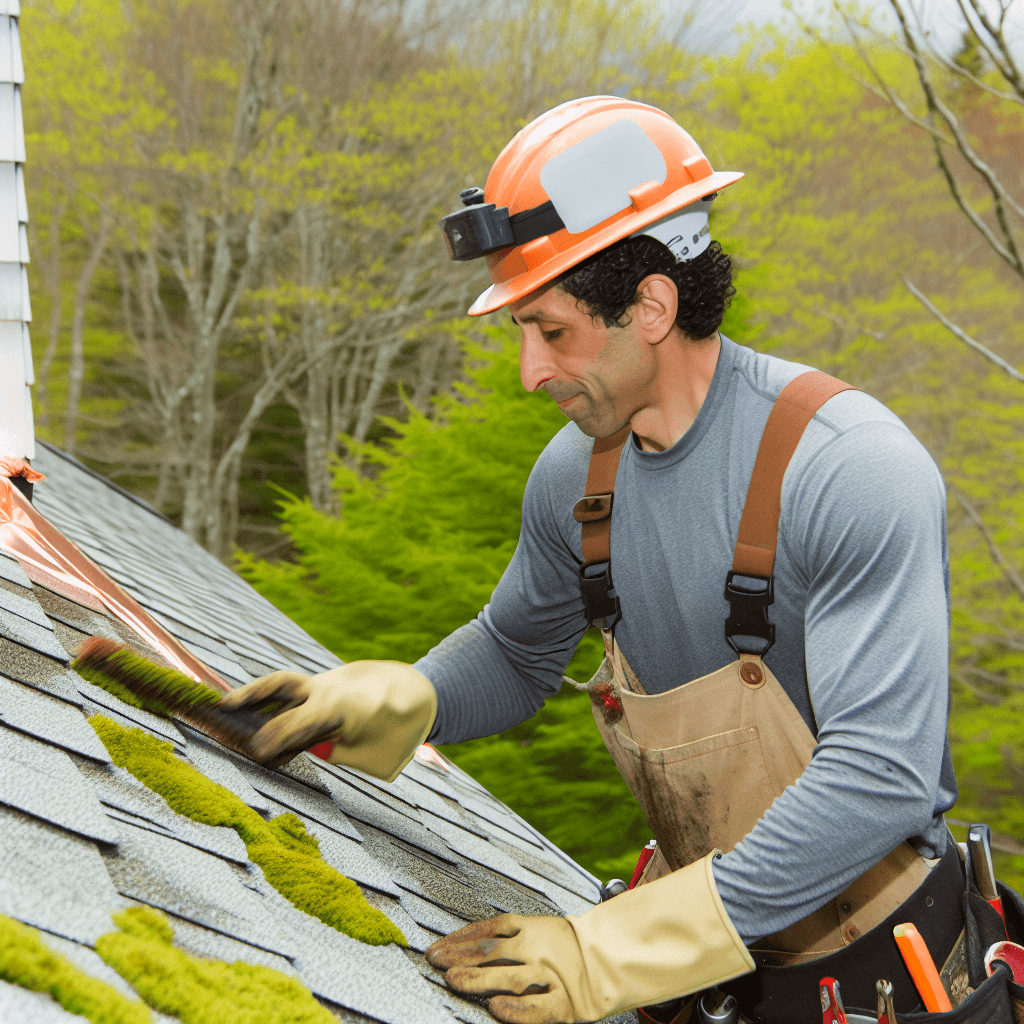
Once your chosen moss removal solution has had sufficient time to act, the next step comes in—gently brushing away the now-loosened moss. It’s crucial here to use a soft brush as it minimizes the possibility of damaging the shingles while still being effective. Work systematically from the peak of the roof downwards; this ensures that you're not lifting shingles against the flow of water, which could lead to leaks. This stage not only clears the moss but also prepares the roof for the final rinse, moving you closer to a clean, moss-free roof.
**For those not comfortable working at heights or dealing with chemicals, professional services are readily available. Feel free to explore the comprehensive slate of services offered at Adam Quenneville Roofing & Siding for expert assistance.**
Step 1: Assess Your Roof for Moss Growth
Begin by evaluating the extent of moss development on your roof. Look for green, fuzzy areas, primarily on the north-facing or shaded parts of the roof. This step is vital for understanding the scope of the task ahead.
Step 2: Choose a Dry, Overcast Day
For the moss removal process, select a day that is dry and overcast to prevent direct sunlight from quickly evaporating the cleaning solutions, which can reduce their effectiveness.
Step 3: Prepare the Area
Before starting the cleaning process, protect your landscaping by covering plants and grass with plastic sheeting. Also, ensure that your gutters are clear to prevent obstruction during the rinsing stage.
Step 4: Apply Moss Remover
Select an environmentally friendly moss remover suited for roofing materials. Apply it according to the manufacturer's instructions, focusing on heavily moss-infested areas. Products often require some time to act on the moss, so patience is essential at this stage.
Step 5: Gently Remove Moss With a Soft Brush
Once the moss killer has had time to work, use a soft-bristled brush to carefully remove moss from the shingles. Start from the top of the roof and gently brush downwards to avoid damaging the shingles.
Step 6: Rinse the Roof
Gently rinse your roof with water to wash away the moss and moss remover product. Ensure you are rinsing from top to bottom to protect the integrity of your shingles.
Step 7: Prevent Future Moss Growth
To prevent moss from returning, consider installing zinc or copper strips near the roof ridge which release metal particles that help keep moss at bay. Additionally, keep your roof free of debris and trimmed overhanging branches to reduce shaded areas where moss likes to grow.
Step 8: Regular Roof Maintenance
Lastly, schedule regular roof inspections and cleanings to maintain its condition and prevent moss, lichen, and algae from becoming problematic again. This proactive approach will extend the life of your roof and ensure it always looks its best.
Avoiding Common DIY Moss Removal Mistakes
Before diving headfirst into DIY moss removal, understanding where others have stumbled can steer you clear of repeating their errors. Mistakes in this process can lead to bigger issues, including damage to your roof and personal injury. By learning what not to do, you can approach this task with greater confidence and care, ensuring the safety and integrity of your roof, as well as yourself.
Mistake 1: Underestimating the Moss Problem
Many homeowners might glance at their roof and just see a small moss problem when, in reality, it's much more extensive. Skipping a thorough roof assessment leads to patchy cleaning and persistent moss growth. Avoid this by systematically checking all roof areas, especially those that are usually hidden or shaded.
Mistake 2: Ignoring Weather Conditions
Attempting moss removal on a sunny or wet day is a common pitfall. The efficacy of moss removal solutions can plummet under direct sunlight or rain, as they either evaporate too quickly or get diluted. To prevent this, always plan your moss removal for a dry, overcast day, ensuring the solutions work as intended.
Mistake 3: Neglecting Property Protection
Jumping into moss removal without preparing your surrounding landscape can lead to damaged plants and contaminated soil. Failure to prepare the area with protective sheeting or measures to catch runoff cleaner can be detrimental. Remember to cover all sensitive areas before starting moss removal to shield them from harmful chemicals.
Mistake 4: Overusing Moss Killer
Over-application of chemical moss killers not only wastes product but can also cause unnecessary environmental damage and roof material degradation. It's essential to read and follow the manufacturer's instructions for the proper application of moss remover. By adhering to the recommended amounts, you'll protect your roof and the environment.
Mistake 5: Rough Handling During Removal
Aggressive scraping or the use of a hard-bristled brush can strip away protective granules and compromise your roof's integrity. To avoid this, always opt for a soft brush and gentle strokes to remove moss without damaging shingles.
Mistake 6: Incorrect Rinsing Techniques
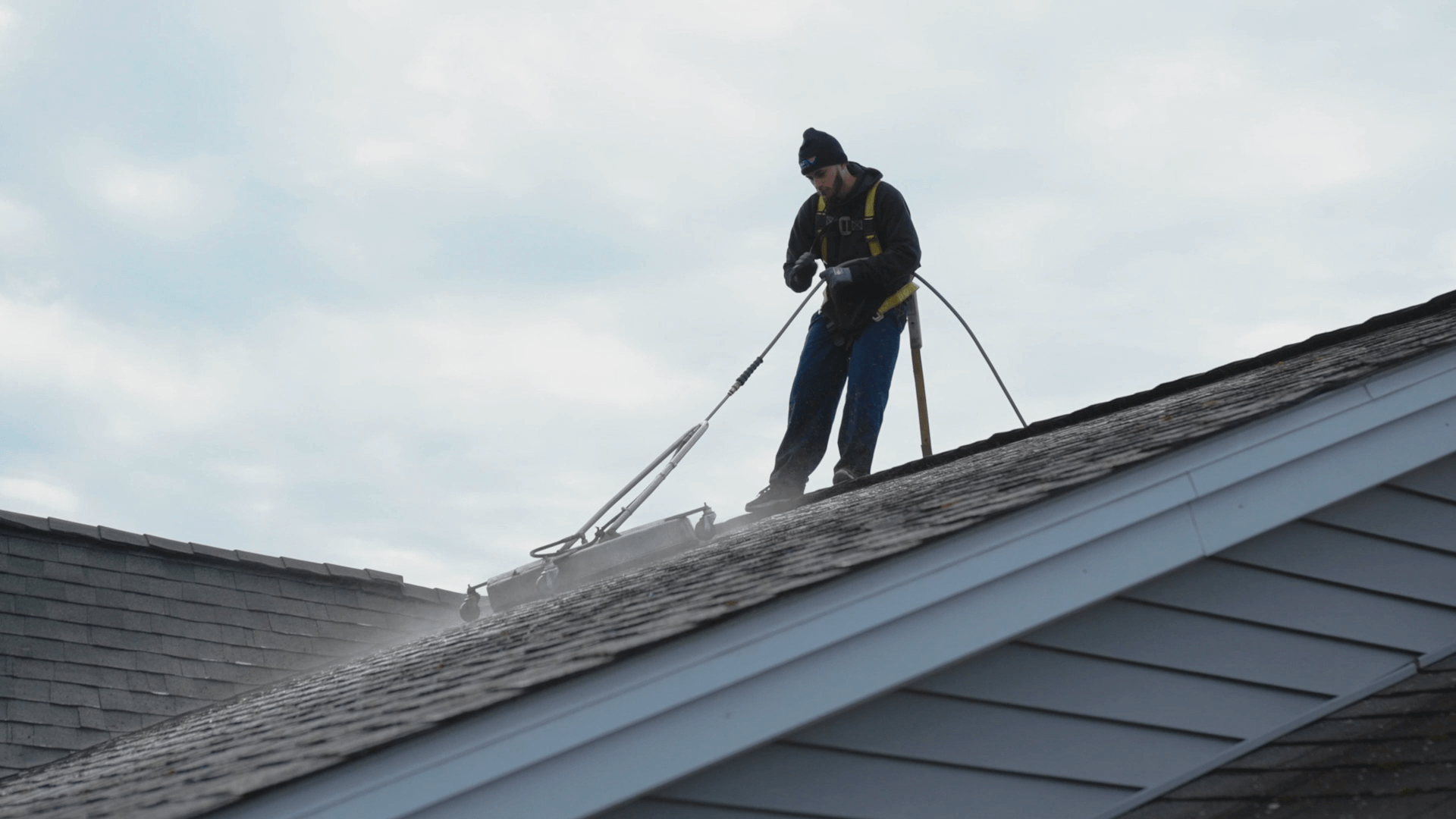
Some might think power washing is the way to go, but high-pressure water can harm shingles. Instead, rinse gently with a garden hose, starting from the top and working your way down to mimic the natural rainfall pattern and protect the shingles.
Mistake 7: Overlooking Preventive Measures
Lastly, once your roof is clean, neglecting to take measures to prevent future moss growth means you'll likely be tackling the same problem again soon. Install metal strips, maintain tree trimming, and keep debris off your roof to ensure moss doesn't reestablish itself.
By recognizing and avoiding these common missteps, your efforts to maintain a moss-free roof will be more successful and enduring. Take the time to do it right, and your roof will stay in top condition, saving you from frequent cleaning and potential repairs down the line.
Rinsing with Precision and Care
Once brushing is complete, the final step in the moss removal process is a thorough yet gentle roof rinse. This is necessary to wash away remnants of moss and the previously applied moss remover. It’s important to rinse in a top-down manner, which follows the natural flow of water and helps preserve the integrity of your roofing material.
Installing Preventative Measures
After cleaning, taking preventive measures will ensure that your efforts have long-lasting effects. Methods such as installing metal strips that naturally ward off moss can be an effective deterrent. To keep moss at bay, regular debris removal and trimming of overhanging branches will reduce the shady, moist environments that moss requires to thrive.
**For those who require professional installation of preventive measures or would like an expert rinse service, consider visiting Adam Quenneville's gutter services.**
Morgan Bennett, Marketing Director
Morgan is the Marketing Director at Adam Quenneville Roofing & Siding, joining the team in 2024. She holds a bachelor’s degree in Marketing and Business and helps lead the company’s brand strategy, content, and customer education efforts. Morgan also plays a key role in AQ Cares, AQRS’s community outreach division, helping coordinate partnerships, volunteer initiatives, and local giving programs that support the neighborhoods we serve.
Topics: