
How to Attach a Patio Roof to Your Home: A Step-by-Step Guide
June 9th, 2025
5 min read
• Discover the crucial steps to securely attach a patio roof to your existing house
• Avoid common installation mistakes with practical guidelines for a successful project
• Learn why professional expertise ensures durable and visually appealing results
Recognizing Signs that Demand a Patio Roof Upgrade
Before diving into the task of enhancing your Massachusetts home with a new patio roof, it's vital to spot the warning signs that demand attention. Often, we overlook the subtle clues our homes provide, such as the fading of exterior paint or a consistent buildup of rainwater in certain areas. These indicators can suggest that your current setup lacks the necessary protection a sturdy patio roof could provide. Understanding these signs not only helps in preparing for the installation process but also prevents future issues that could arise from neglect.
Evaluating the Current Roof Structure
The integrity of your existing roof is paramount when considering an addition. If your roof sags or if you've noticed a pattern of leaks, these are clear indications that your structure may not be prepared for the added load of a patio roof without prior reinforcement. Ensuring your roof is in prime condition not only follows local building codes but is a critical step for a successful attachment of your new patio cover. Massachusetts homeowners must be particularly cautious of these signs, given the region’s weather extremes from sweltering summers to icy winters.
Selecting Materials That Will Last
The climate in Massachusetts demands that you choose materials wisely for your patio roof. The right material not only complements the existing architecture but stands up to the sometimes harsh New England weather. It might be tempting to opt for the most cost-effective solution, yet durability should be a priority—investing in materials like high-grade polycarbonate or metal roofing may have a higher upfront cost, but their resilience pays off in the long term. Inadequate material choices can lead to premature deterioration, undermining the very purpose of your new addition.
Preparing for a Sturdy and Durable Patio Roof
Attaching the Ledger Board with Precision
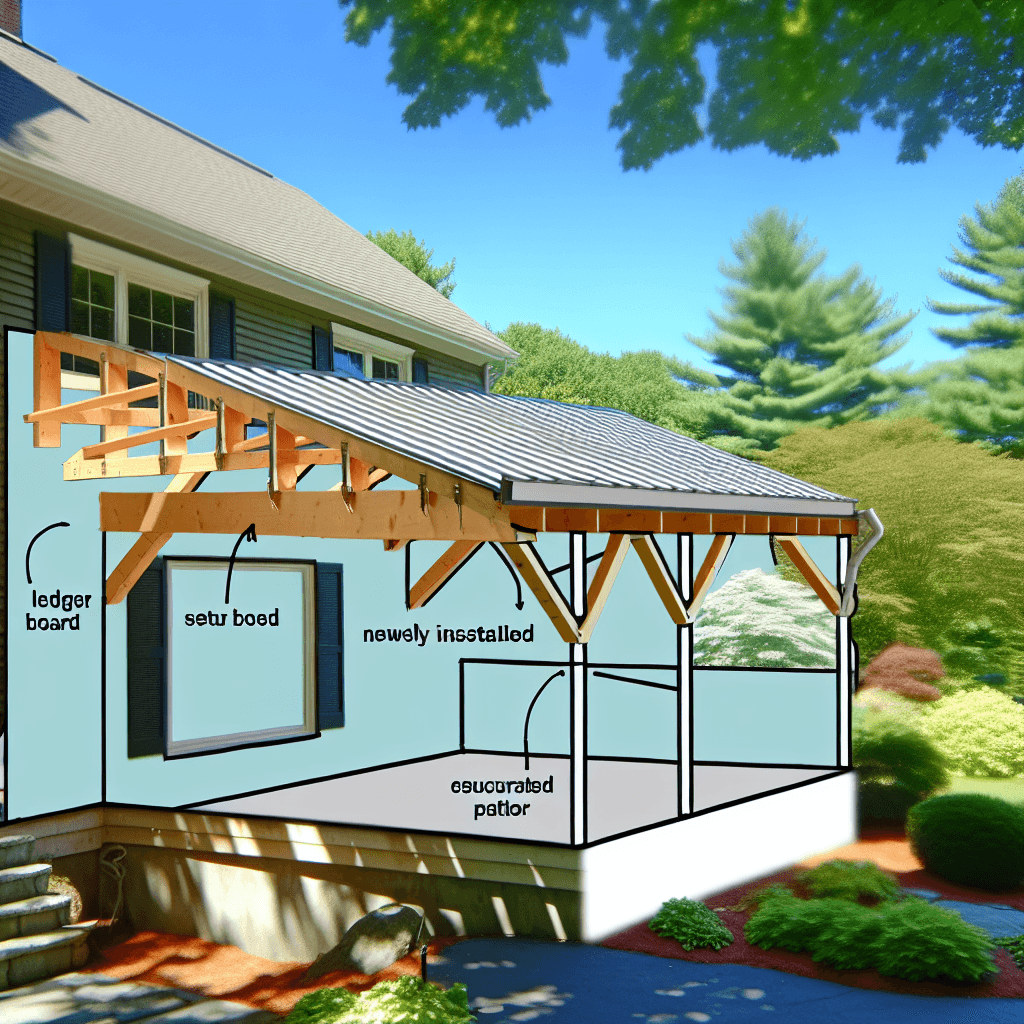
The ledger board serves as the foundational anchor for your patio roof and requires meticulous installation. It should be firmly attached to the house using bolts designed for bearing heavy structural loads. Correct flashing and sealing around this board are non-negotiable, ensuring that no water infiltrates the space between the new roof and your home's exterior wall. The longevity of your patio roof in Massachusetts will heavily depend on this crucial step being executed flawlessly.
Establishing a Strong Post and Beam Structure
Once your ledger is set, the next step is erecting posts and beams that will form the backbone of your patio roof frame. These should be positioned in concrete footings deep enough to withstand the freeze-thaw cycles typical in Massachusetts, likely beyond the depth of the frost line. Ensuring each post is plumb and secure sets the scene for a patio roof that lasts for years, preventing issues like sagging or collapse. Don't skimp on the quality or accuracy here—as they say, measure twice, cut once, and in this case, secure once but secure right.
For additional resources or professional guidance on installing a secure and lasting patio roof, consider visiting Adam Quenneville's expert services to ensure your project is a success.
Step 1: Evaluate Your Existing House Roof Structure
Ensure your existing roof structure can support the additional load of a patio roof. Check for structural integrity and local building codes in Massachusetts that may influence how to attach the roof.
Step 2: Choose the Right Patio Roofing Materials
Select materials that match your house's aesthetic and climate conditions. Materials like polycarbonate panels or metal roofing are popular for their durability and ease of maintenance.
Step 3: Install Ledger Board for Support
Secure a ledger board horizontally to the existing house structure to anchor the patio roof. It needs to be properly flashed and sealed against water penetration.
Step 4: Set Up Posts and Beams
Install vertical support posts in concrete footings, ensuring they’re plumb and level. Attach horizontal beams from the ledger board to the posts for the patio roof framework.
Step 5: Install Rafters or Trusses
Place rafters or trusses at regular intervals between the ledger board and beam. These should be adequately spaced as per the roofing material manufacturer's guidelines and any additional snow load considerations for Massachusetts.
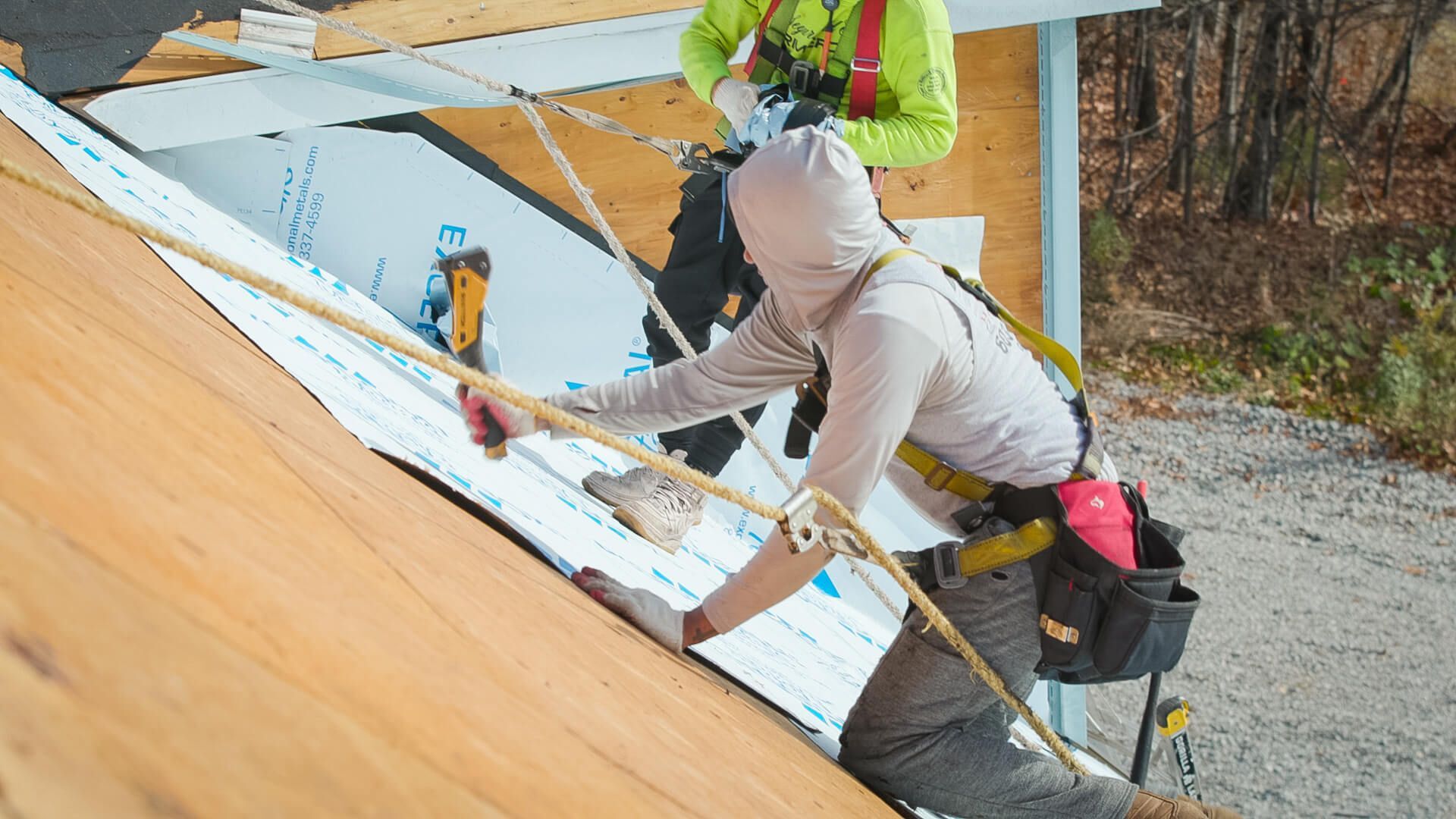
Step 6: Apply Roof Sheathing
Attach the sheathing over the rafters or trusses if required by your chosen material. Ensure it’s securely fastened and provides a solid base for the roofing material.
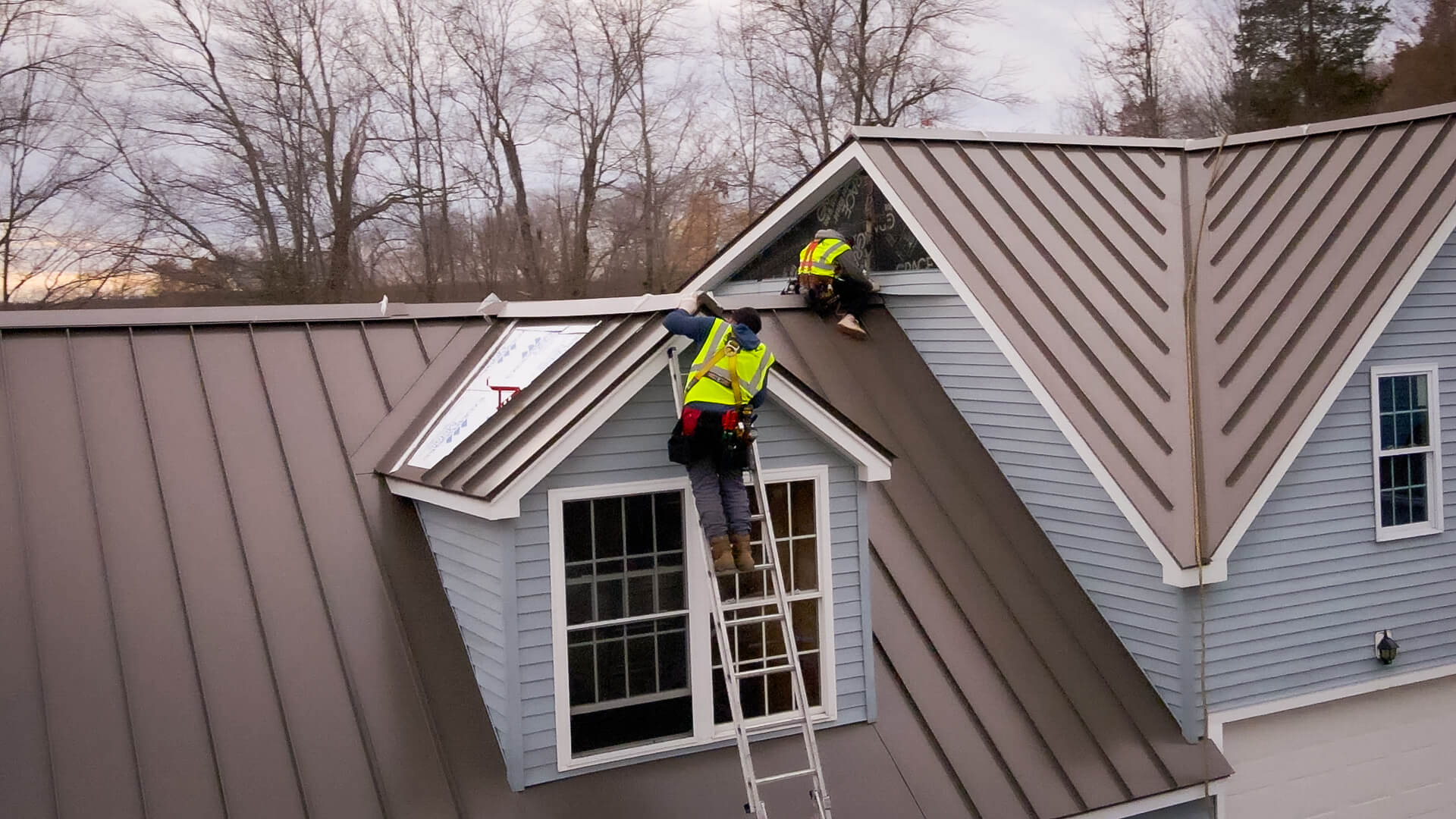
Step 7: Install the Patio Roofing Material
Carefully install your chosen roofing material atop the sheathing. Ensure proper overlap and sealing to prevent leaks, following the manufacturer's instructions.
Step 8: Finish with Trim and Gutters
Add trim to cover any exposed edges or ends for a polished look. Install gutters and downspouts to effectively manage rainwater runoff, essential to prevent water damage especially in Massachusetts's variable weather.
Steering Clear of Common Patio Roofing Pitfalls
While building a patio roof can add tremendous value and enjoyment to your home, certain missteps can turn your DIY project into a frustrating ordeal. These pitfalls not only threaten the structural integrity of your build but can also lead to costly repairs down the line. To ensure your effort yields the beautiful and functional space you envision, be mindful of these common mistakes and learn how to avoid them.
- Mistake 1: Ignoring Load-Bearing Capacities
Often, homeowners neglect the carrying capacity of their existing roof structure. To prevent this, conduct a thorough inspection or consult a structural engineer to ensure your house can support the additional weight, otherwise, you risk damaging your existing structure. - Mistake 2: Choosing Incorrect Materials for Climate
Selecting roofing materials that don't mesh with Massachusetts' climate can lead to premature wear. To avoid this, choose materials tailored to withstand heavy snow loads and variable weather conditions found in Massachusetts, like high-grade metal roofing or treated polycarbonate. - Mistake 3: Improper Ledger Board Installation
A common error in patio roofing is poorly installing the ledger board, which could lead to water damage and structural issues. Prevent this by ensuring the ledger board is not only securely affixed but also properly flashed and sealed against moisture infiltration. - Mistake 4: Inadequate Post and Beam Setup
Skipping the step of verifying that posts and beams are plumb can undermine the entire roof's stability. It is crucial to set these components up correctly, making use of a level and verifying the measurements, to maintain a straight and sturdy patio roofing framework. - Mistake 5: Sparse Rafter or Truss Placement
Placing rafters or trusses too far apart can result in a weak roof unable to sustain heavy loads. Stick to the manufacturer's guidelines on spacing, and consider the additional snow load requirements for regions like Massachusetts. - Mistake 6: Loose Roof Sheathing
Loosely attached roof sheathing can lead to structural weaknesses. To safeguard against this, fasten the sheathing tightly to prevent any movement that could facilitate leaks or material wear. - Mistake 7: Overlooking Roofing Material Overlap
Incorrect installation of the roofing material, especially inadequate overlap, is a recipe for leaks. Adhering to the overlapping guidelines of the materials you choose is essential for a watertight seal and long-lasting performance. - Mistake 8: Neglecting Proper Drainage
Failing to include gutters and properly angled trim can cause water damage. Implement an effective drainage strategy with correctly installed gutters to manage the Massachusetts rainfall and protect your home.
Laying the Roof Sheathing and Roofing Material
Assembling a Secure Roofing Foundation
With the posts and beams in place, the next step is to attach the roof sheathing, which acts as the base for your chosen roofing material. This needs to be done methodically, ensuring each panel is securely fastened to prevent any movement or uplift from Massachusetts' variable winds. A solidly installed sheathing is not only important for the stability of the roof but also for the overall weatherproofing and insulation of your outdoor space.
Finalizing with High-Quality Roofing Material
The choice of material you use for the patio roof can have significant implications on the efficacy and aesthetics of the installation. Materials such as metal panels or shingles need to be installed following the manufacturer’s guidelines closely, paying special attention to ensure proper overlap and sealing techniques to ward off leaks. For homeowners unsure about which roofing material best suits their home, a visit to Adam Quenneville's roofing materials service page can offer valuable insights and options.
Morgan Bennett, Marketing Director
Morgan is the Marketing Director at Adam Quenneville Roofing & Siding, joining the team in 2024. She holds a bachelor’s degree in Marketing and Business and helps lead the company’s brand strategy, content, and customer education efforts. Morgan also plays a key role in AQ Cares, AQRS’s community outreach division, helping coordinate partnerships, volunteer initiatives, and local giving programs that support the neighborhoods we serve.
Topics: