How to Speed Up Your Roof Replacement in Connecticut
June 22nd, 2025
5 min read
• Recognize the signs your roof may need replacing, like missing shingles and interior water damage
• Understand project scope, choose materials wisely, and select a reputable contractor to ensure a smooth process
• Avoid common roofing mistakes and get updated on our latest projects via our social media page
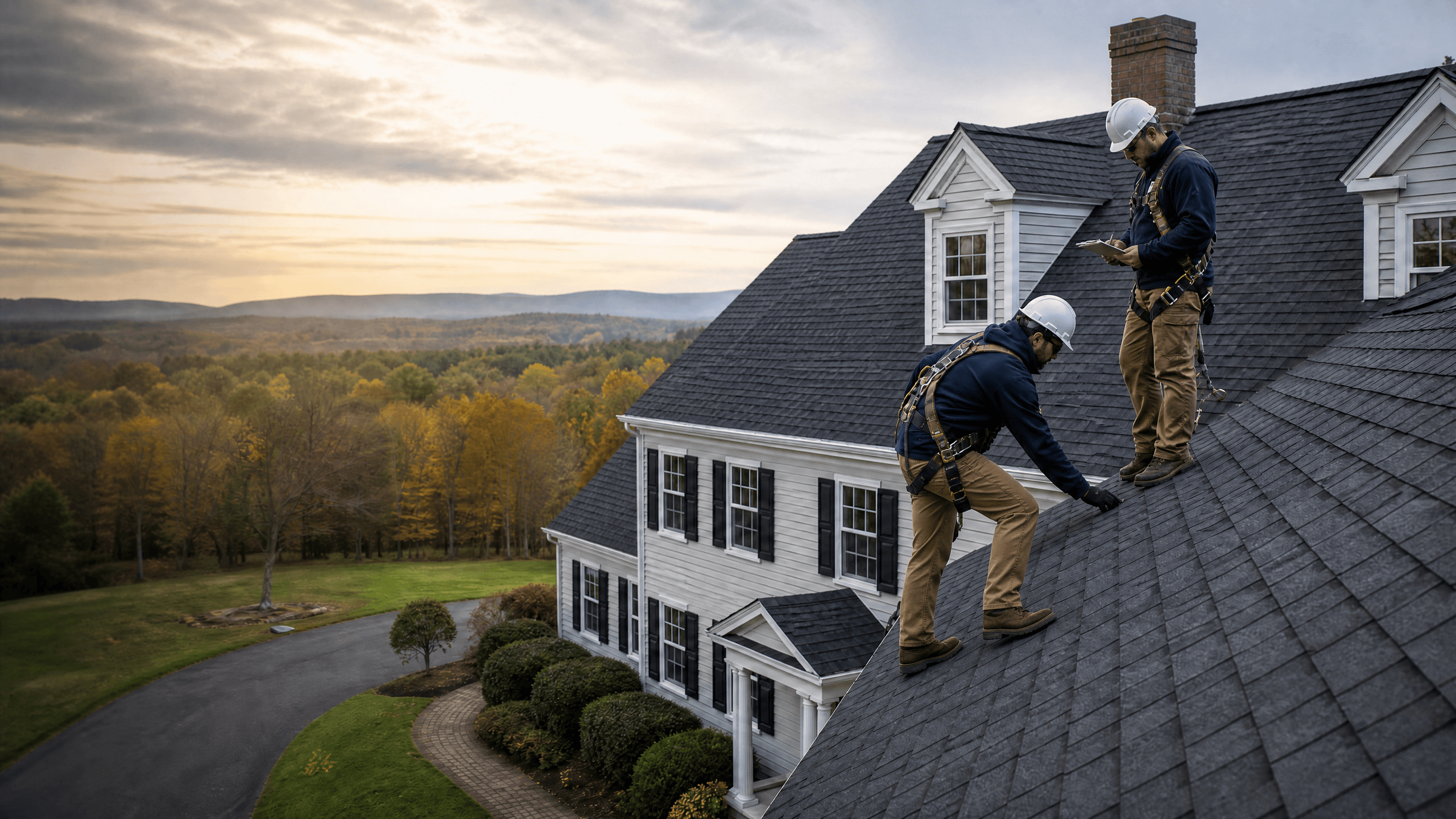
When considering the health of your home, your roof should be a top priority, as it is crucial to the integrity of the entire structure. Start by looking for signs of wear and tear, such as missing, cracked, or curling shingles, which can indicate that your roof is nearing the end of its lifespan. Other problematic signs include a sagging roof deck or the presence of moss, algae, or fungi, which could mean there is trapped moisture causing decay. If you notice any of these warning flags, it's essential to address them quickly before minor issues lead to significant damage.
The next step is to inspect your roof for signs of water damage, a common problem that can lead to more severe consequences if left unchecked. Look for dark spots on the ceilings or walls, peeling paint near roof overhangs, or damp spots alongside fireplaces. These symptoms may suggest water infiltration due to a failing roof. Also, don't forget to check your attic after a rainfall; if you find any leakage, it's a definitive sign that your roof needs attention.
Lastly, understanding the age of your roof can guide whether a repair or a full replacement is necessary. If your roof is more than 20 years old and has multiple areas of concern, a replacement might be the most sensible option. Conversely, if your roof is relatively new but has some damage due to a recent storm or isolated incident, repairs might suffice. Before following our comprehensive guide, evaluate the extent of your roofing issues to ensure the steps you take align with your unique roofing needs.
Understanding the Importance of Material Selection
When planning a roof replacement, choosing the right materials is pivotal to the project's future endurance and performance. Each material has distinct qualities that affect everything from weather resistance to thermal insulation. For instance, metal roofing, with its durability and energy efficiency, could offer longevity, whereas the classic appeal of slate might better match the architectural style of your home. It's necessary to balance your aesthetic desires with practical considerations like the climate in Connecticut and the structural capabilities of your home.
Finding the Perfect Roofing Partner
The expertise of the contractor you choose to install your new roof is equally crucial. A reputable contractor will not only ensure a high-quality installation but will also help mitigate any potential issues that could extend the timeline of your project. It's beneficial to select a local contractor familiar with Connecticut's specific weather patterns and building codes. For those looking to place their trust in a seasoned expert, consider exploring our residential roofing services to ensure your roof replacement is managed professionally.
Step 1: Assess the Scope of Your Roofing Project
Understand the size and complexity of your roof to estimate the replacement duration accurately. Consider factors like the pitch, number of layers, and the surface area of your roof.
Step 2: Choose the Right Roofing Materials
Decide on the materials for your new roof. Remember, heavier materials like slate or tile may take longer to install than lighter options like asphalt shingles.
Step 3: Find a Qualified Roofing Contractor
Research and select a licensed and insured roofing contractor with experience in your area. Their expertise will significantly affect the timeline of your roof replacement.
Step 4: Schedule a Roof Inspection
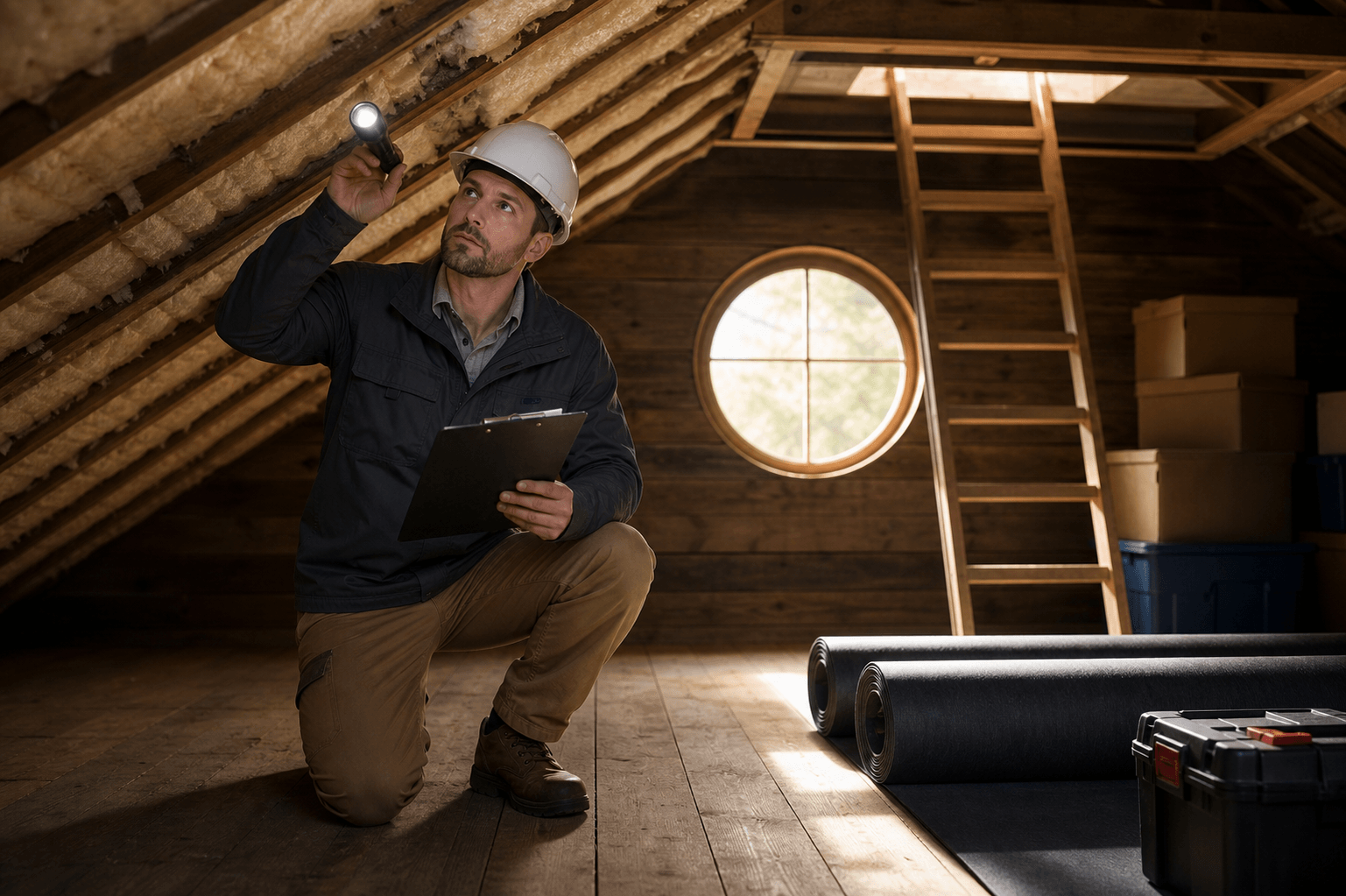
Have your chosen contractor inspect the roof to identify any issues that might prolong the replacement process, such as structural damage or the need for new decking.
Step 5: Plan Around the Weather
Monitor the seasonal weather forecasts in Connecticut. The best time for roof replacement is often during the summer, when clear skies can expedite the work.
Step 6: Prepare for Roof Replacement
Clear the surrounding area and ensure the contractor has easy access to your roof. Remove any fragile items from your attic and cover valuable items to protect them from dust.
Step 7: The Replacement Process
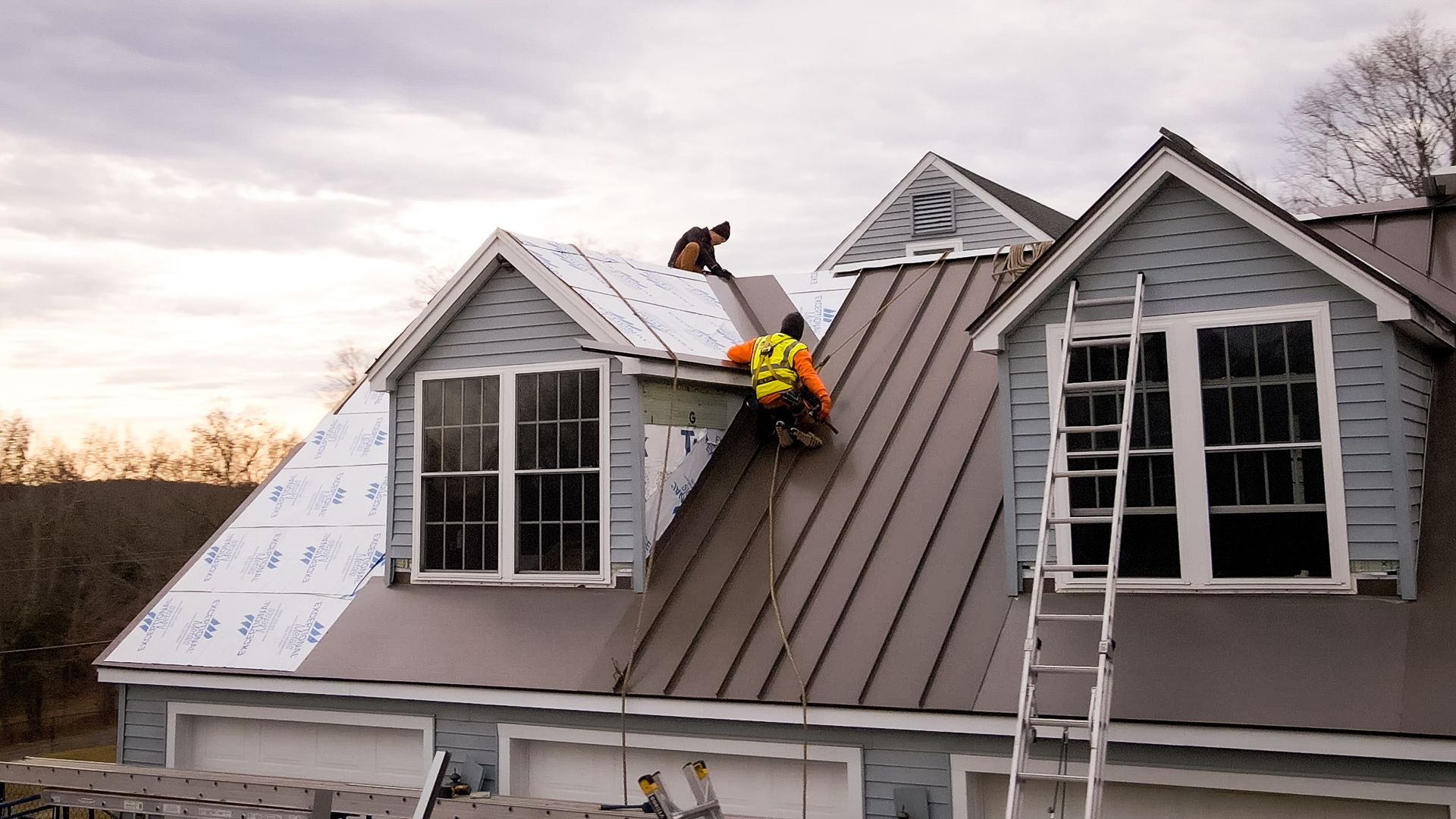
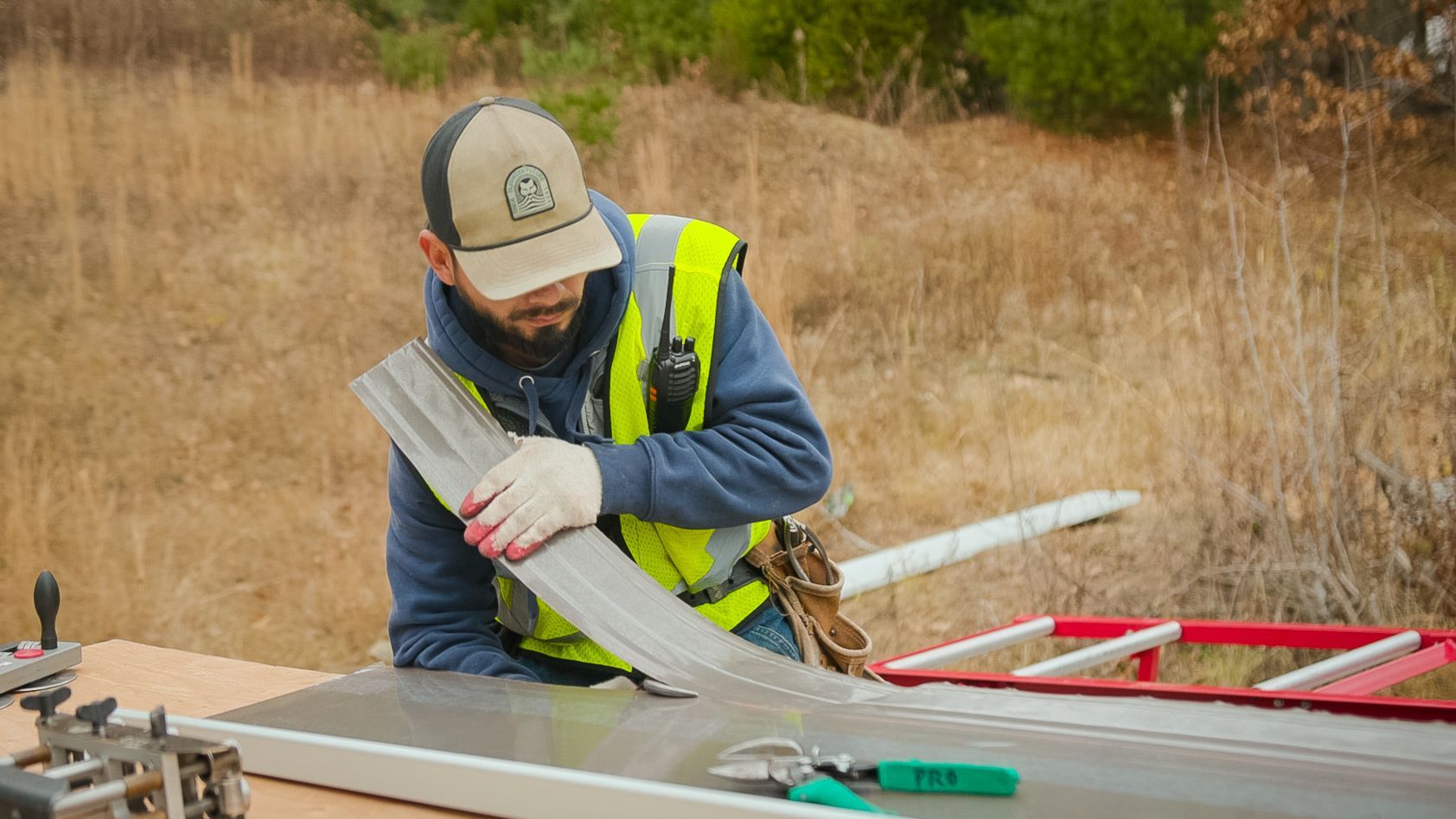
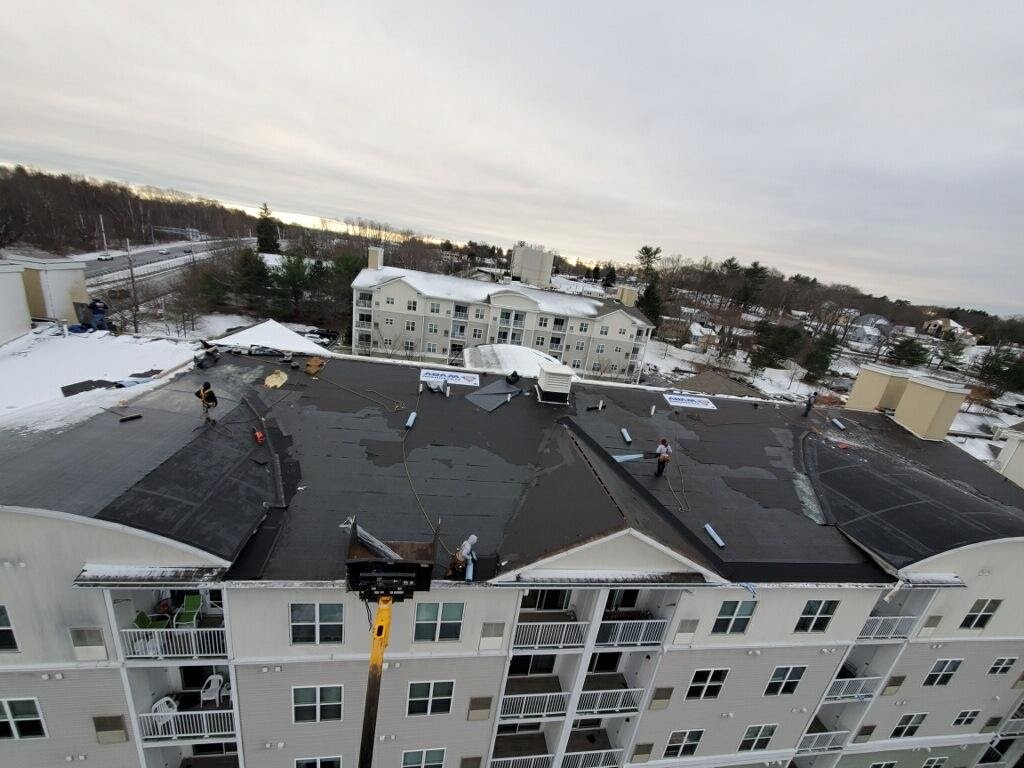
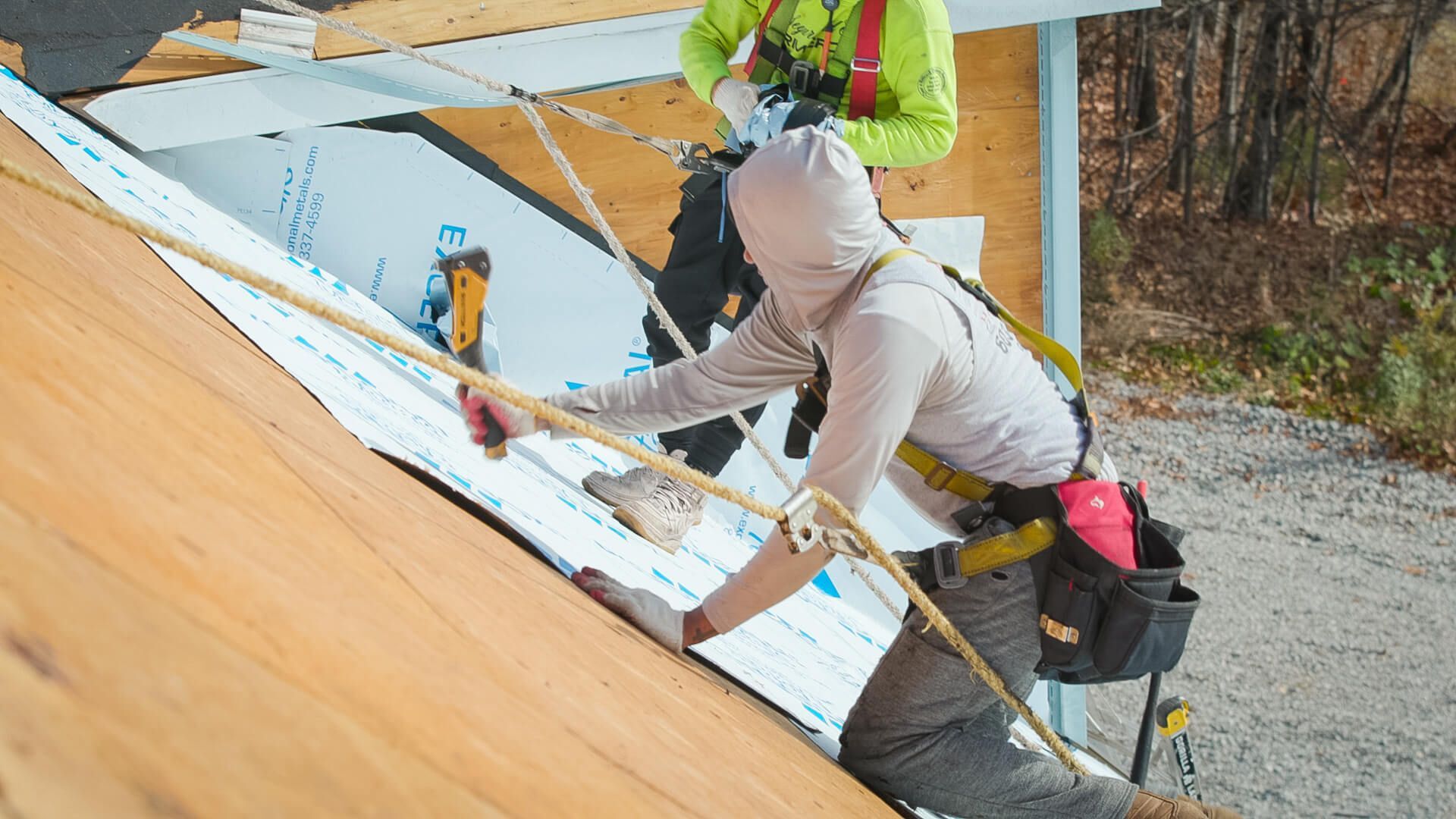
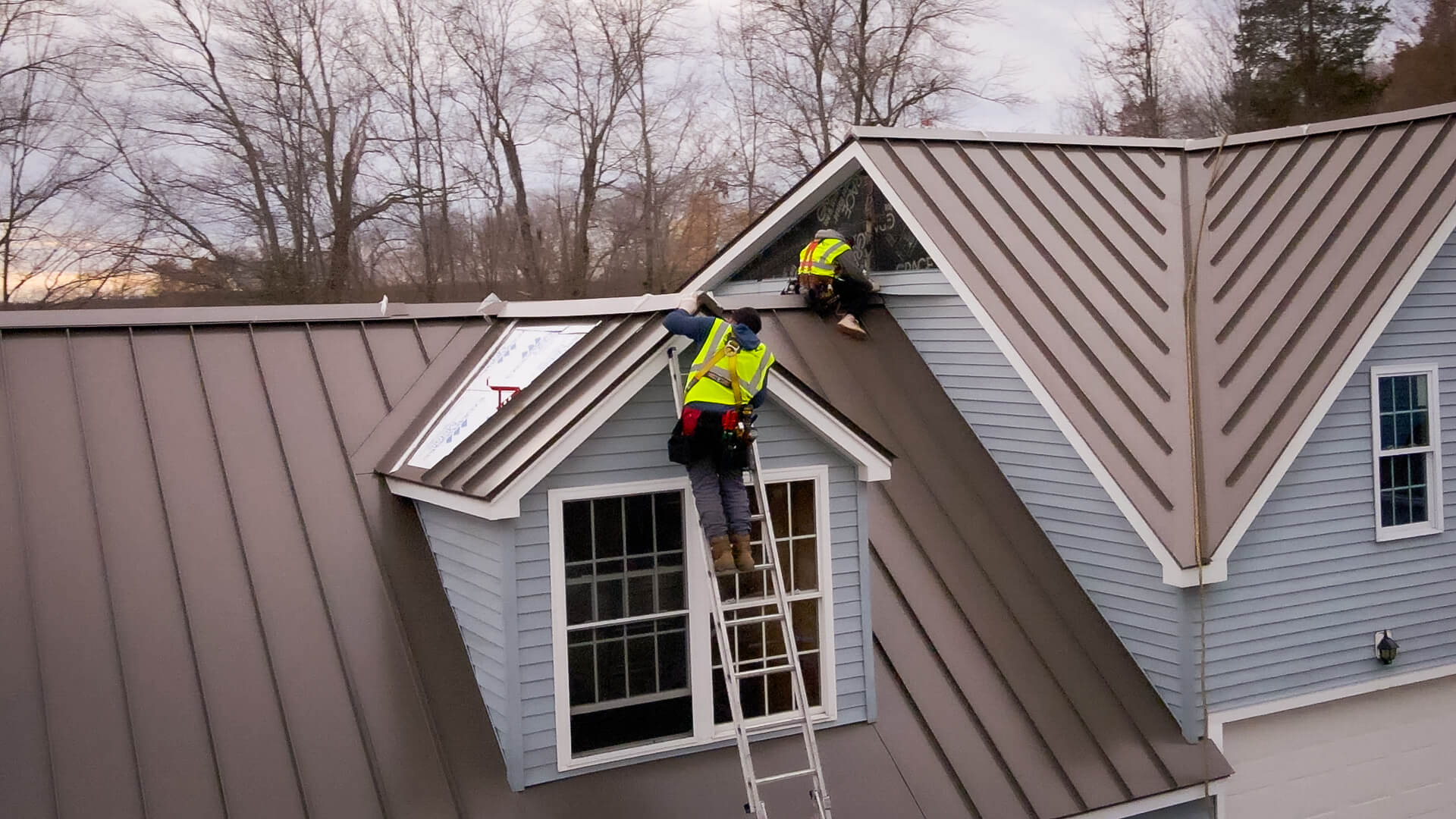
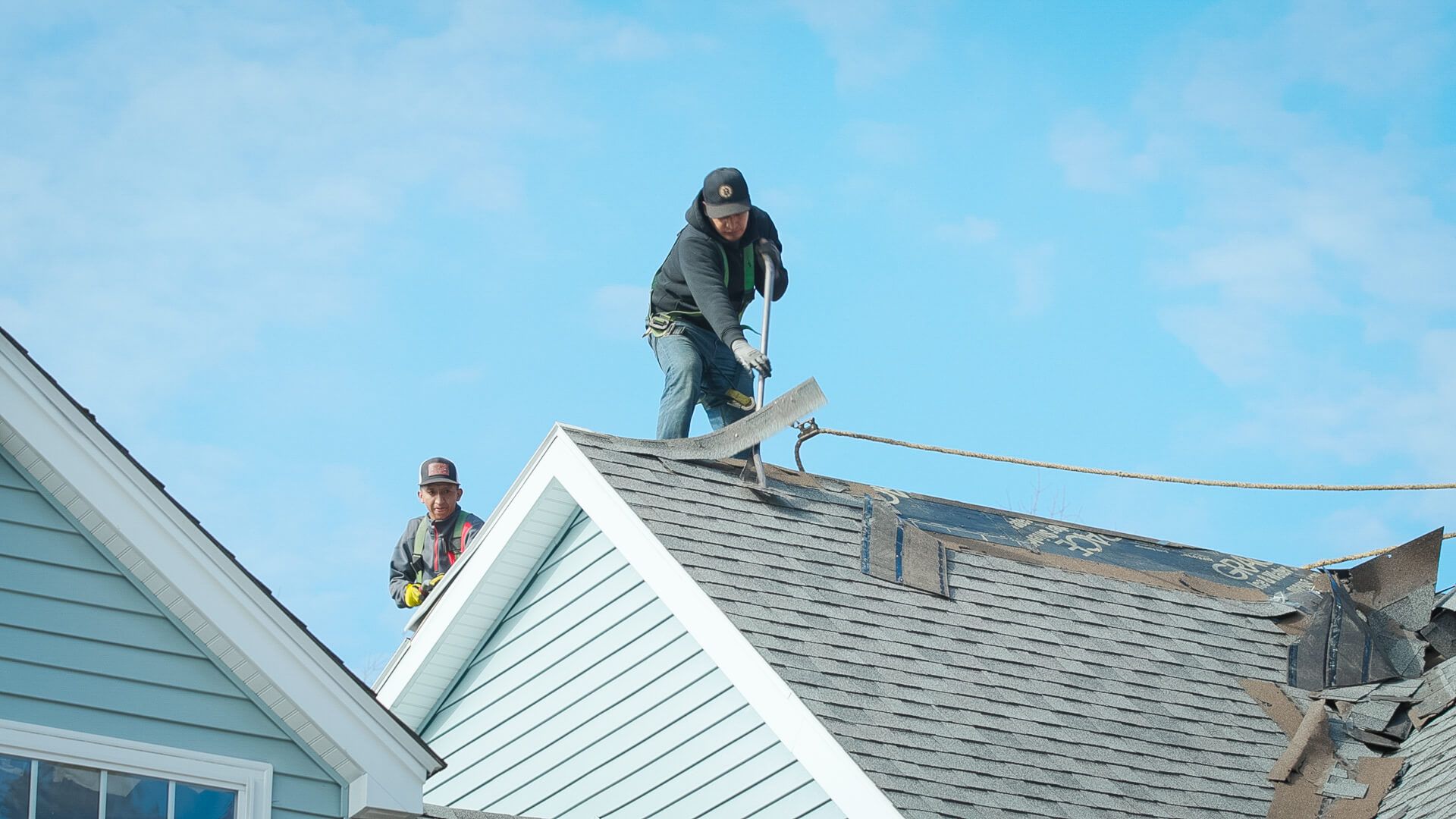
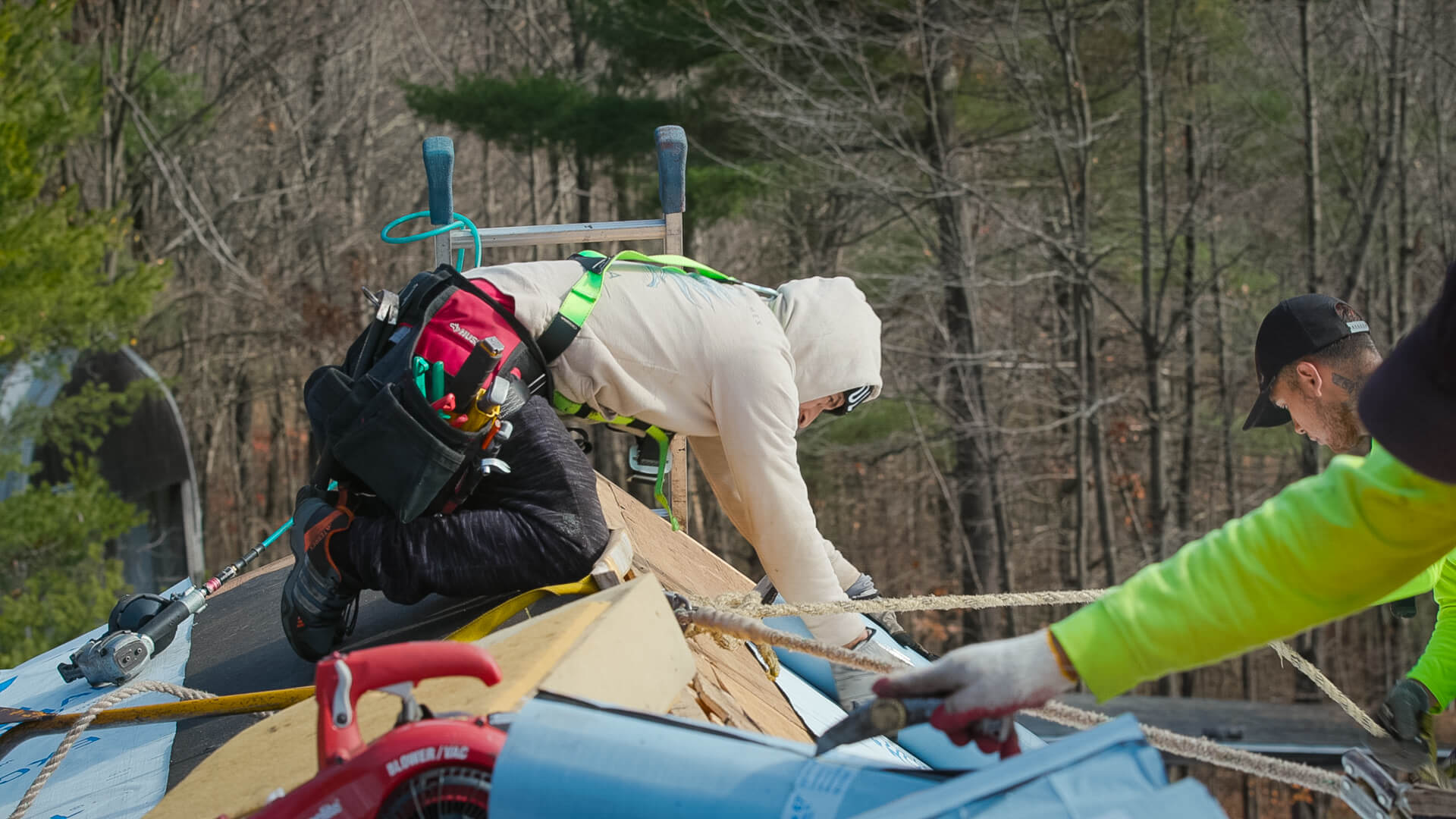
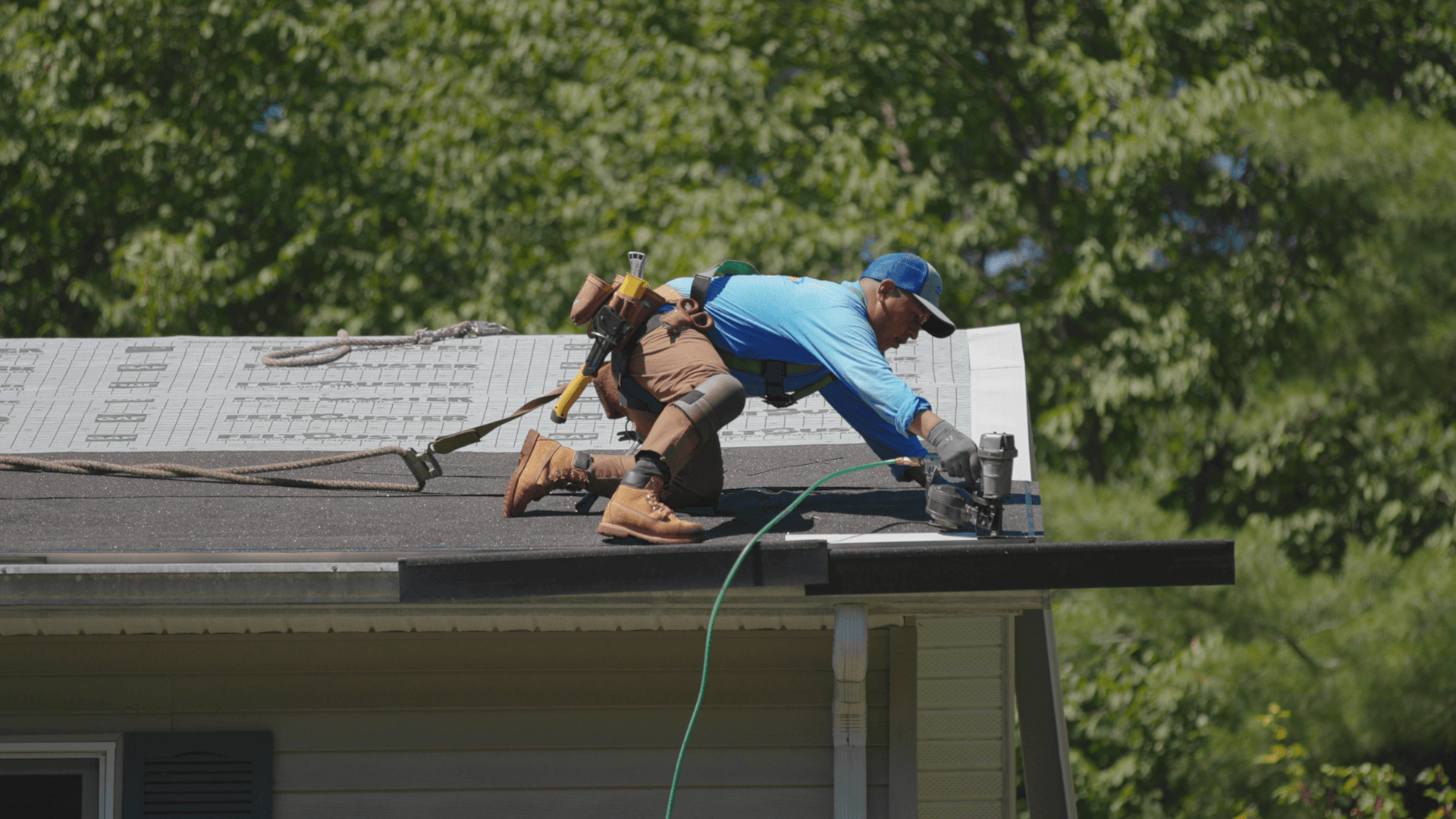
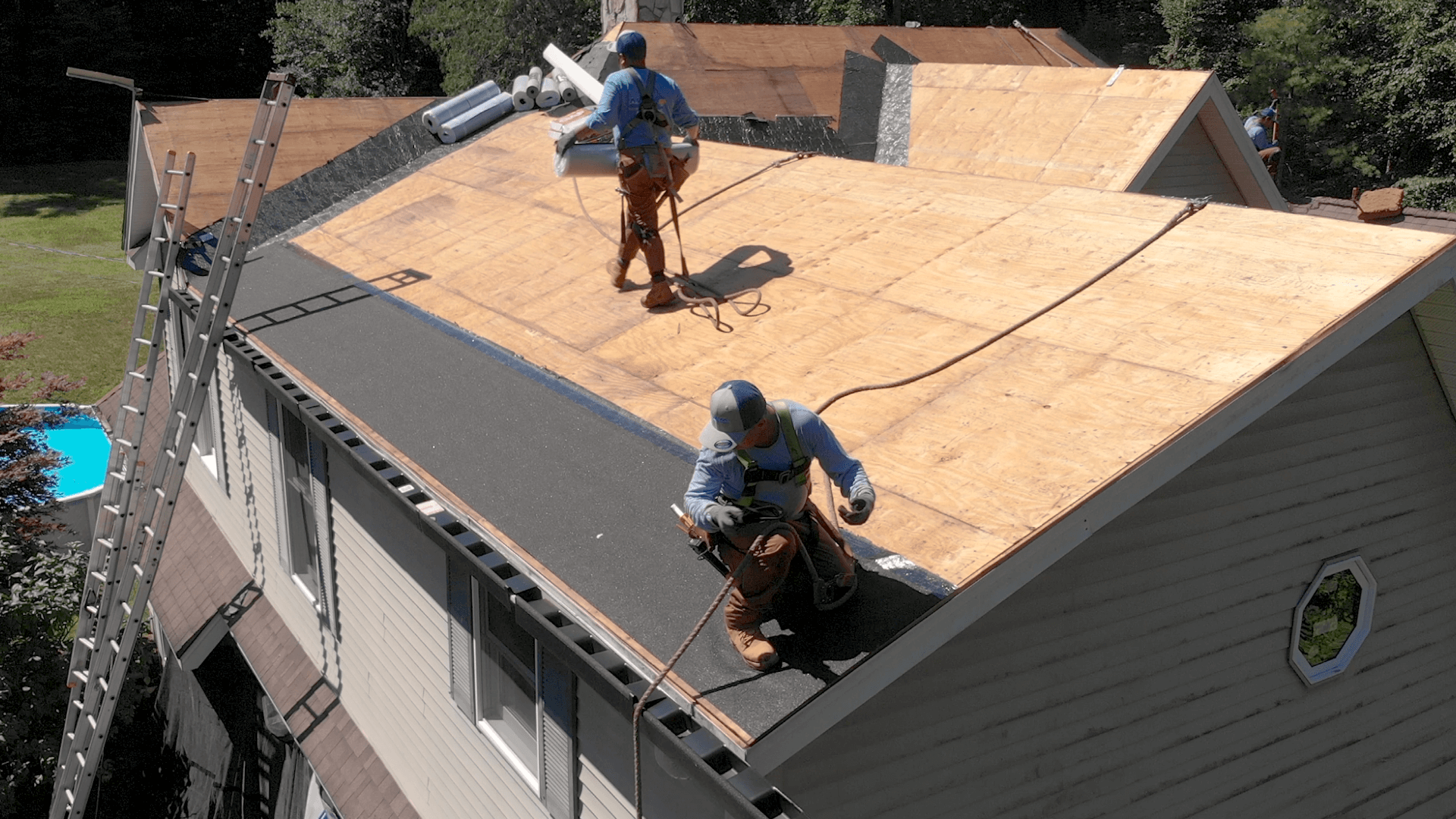
During the replacement, the contractor will strip the old roof, make any necessary repairs to the underlying structure, and install the new roofing material.
Step 8: Final Inspection and Clean-up
Once replaced, your contractor should conduct a final inspection to ensure quality. Expect a clean-up of any debris, and then your new roof is ready for many years of protection.
Introduction to Common DIY Roofing Mistakes
Taking on a roofing project can be a daunting task, and while the DIY route may seem cost-effective, it can lead to costly mistakes if not done correctly. It's essential to be aware of the pitfalls that can occur when attempting a task that typically requires professional skills and knowledge. This section will guide you through common DIY roofing mistakes to avoid, ensuring your roofing project goes smoothly.
Common DIY Roofing Mistakes to Avoid
Mistake 1: Underestimating the Project's Complexity
Many homeowners do not fully grasp the scope and complexity of a roof replacement. This can lead to unrealistic timelines and underpreparedness. Ensuring you have a clear understanding of your roof's size, pitch, and material layers is crucial to avoid miscalculating the amount of work involved.
Mistake 2: Choosing the Wrong Roofing Materials
Selecting roofing materials based solely on aesthetics or cost without considering your home’s structural needs and local weather can result in a roof that's not fit for purpose. Research is key to find the balance between durability, weight, and suitability for your home’s framework and the Connecticut climate.
Mistake 3: Skimping on Proper Research for a Contractor
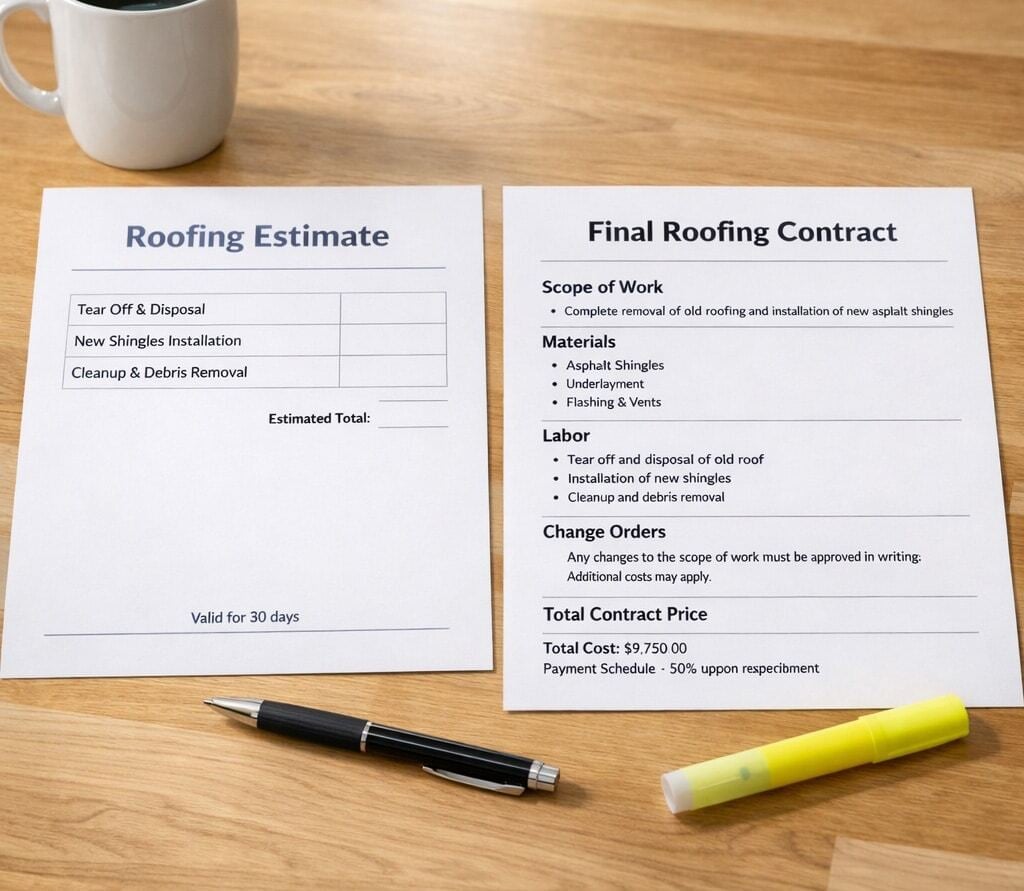
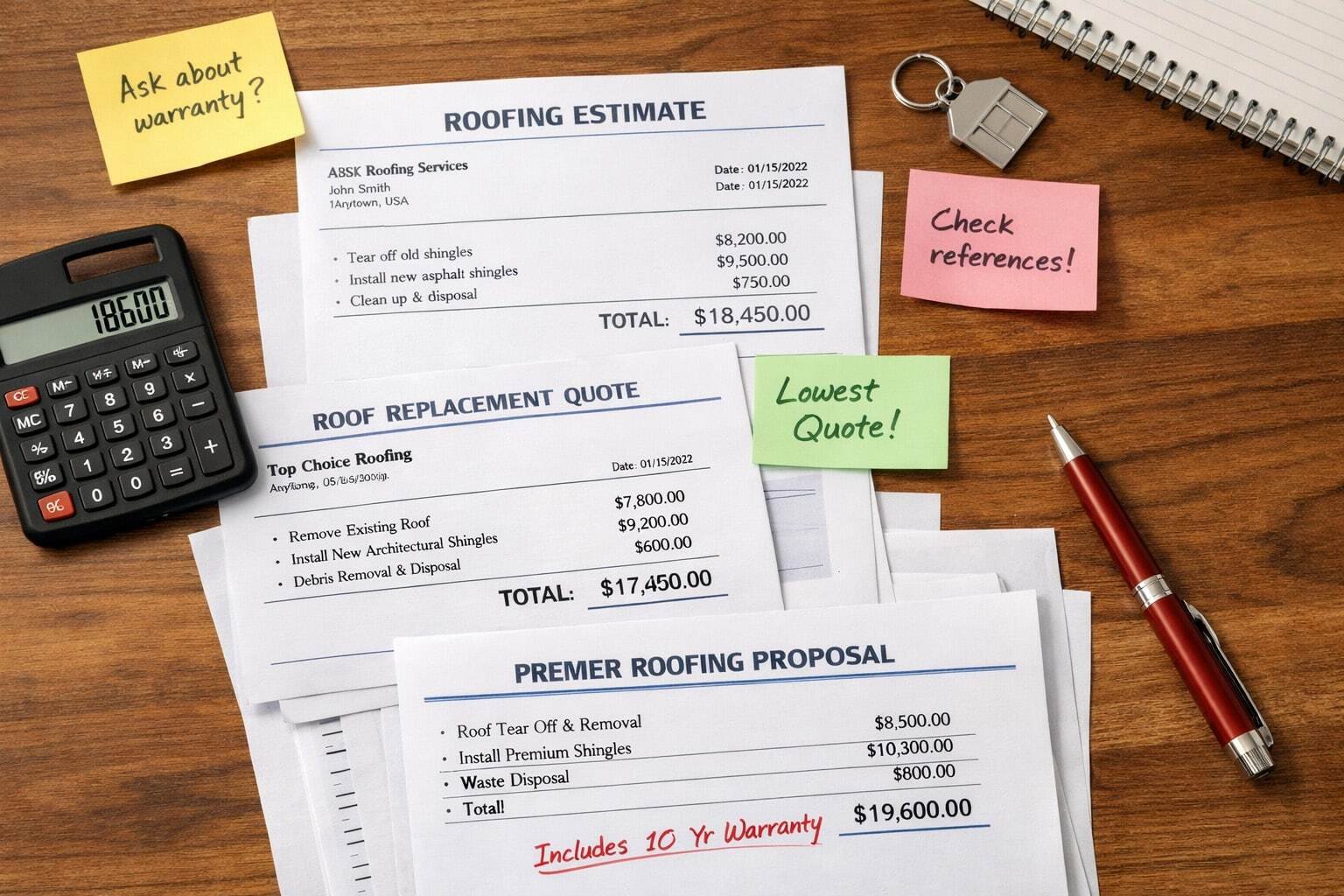
The temptation to go with the cheapest quote or to not verify a contractor's credentials can lead to subpar work. It's imperative to choose a licensed and insured contractor with a track record of quality workmanship in your area to ensure the work will last and not lead to further issues.
Mistake 4: Neglecting Weather Planning
Ignoring the seasonal weather patterns in Connecticut can result in delays or damage during the roof replacement process. Be sure to schedule your project during a time of the year known for stable, clear weather to ensure your roofing process isn't hampered by the elements.
Mistake 5: Inadequate Preparation for the Project
Failing to prepare the worksite for accessibility and safety can not only slow down the project but also creates hazards. A clear and accessible work area and a clean attic space are crucial for efficient and safe working conditions for your contractor.
Mistake 6: Improper Installation
Without the proper knowledge and tools, it's easy to incorrectly install roofing materials, which can lead to leaks and a reduced lifespan for your roof. This type of work is best left to the professionals who can ensure that every aspect of the installation is carried out correctly.
By avoiding these common mistakes and following the guide laid out in the previous sections, you can ensure a smoother roofing replacement process that results in a durable and properly installed roof.
Weather Considerations During Replacement
Timing is key in roofing projects; weather conditions can significantly impact the speed and safety of your roof replacement. It's advisable to undertake this type of project during Connecticut's summer months when weather conditions are typically stable and conducive to outdoor work. Planning around the weather not only ensures a quicker installation but also helps avoid potential weather-related damages or delays.
Preparing for the Big Day
The success of your roofing project doesn't solely hang on the day of installation; proper preparation is critical. Making sure the worksite is clear and accessible for your roofing team can prevent unnecessary slowdowns. If you're considering updating not just your roof but also your property's overall exterior, windows and doors are also worth looking into as part of your home improvement journey.
Morgan Bennett, Marketing Director
Morgan is the Marketing Director at Adam Quenneville Roofing & Siding, joining the team in 2024. She holds a bachelor’s degree in Marketing and Business and helps lead the company’s brand strategy, content, and customer education efforts. Morgan also plays a key role in AQ Cares, AQRS’s community outreach division, helping coordinate partnerships, volunteer initiatives, and local giving programs that support the neighborhoods we serve.
Topics: