How Hail Can Damage Your Roof: Quick Inspection Guide
September 10th, 2025
4 min read
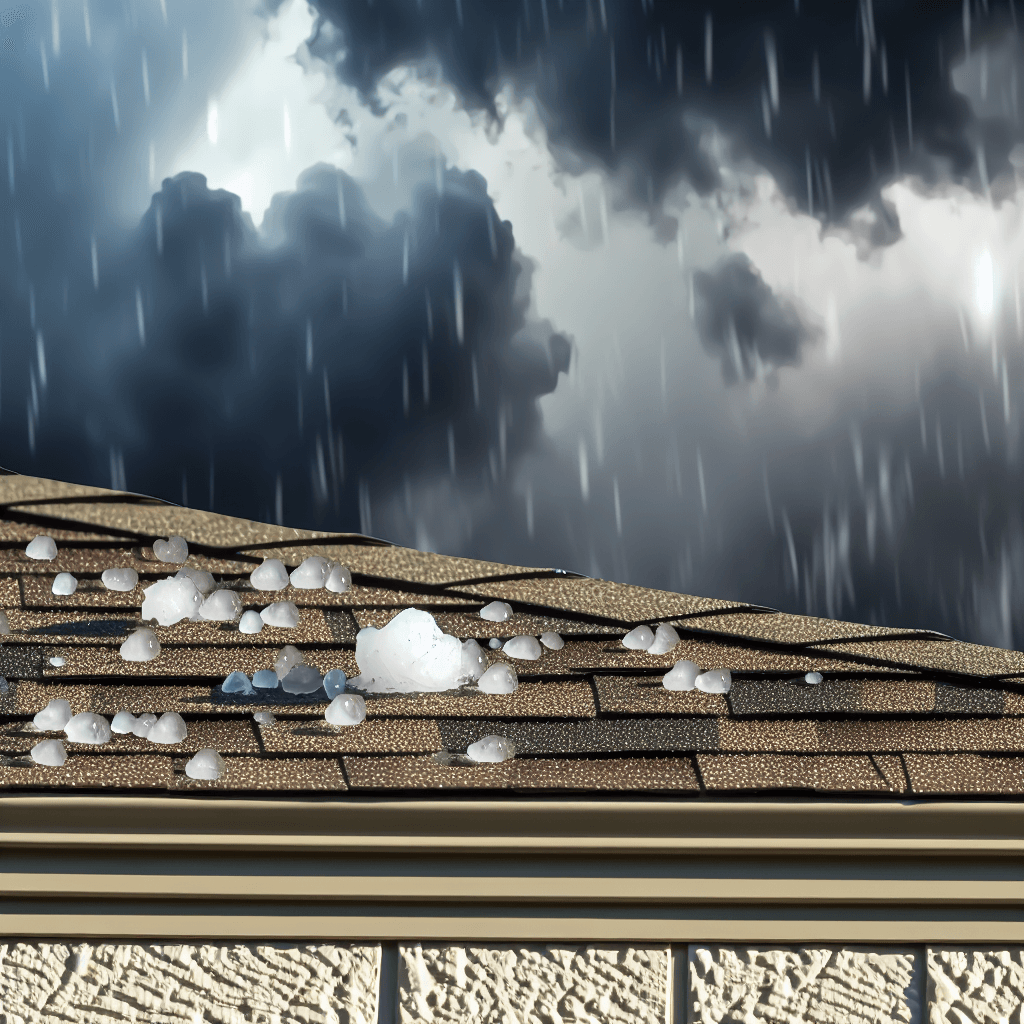
• Understanding Hail Impact: Discover how hail can cause various types of damage to roofs, from cosmetic to structural issues.
• Inspection Tips: Learn quick and effective ways to inspect your roof for hail damage and identify signs that professional repair may be needed.
• Expert Advice: Find out why seeking professional help for roof hail damage is important and how it can save you time and money in the long run.
Understanding Hail Damage Risks in Massachusetts
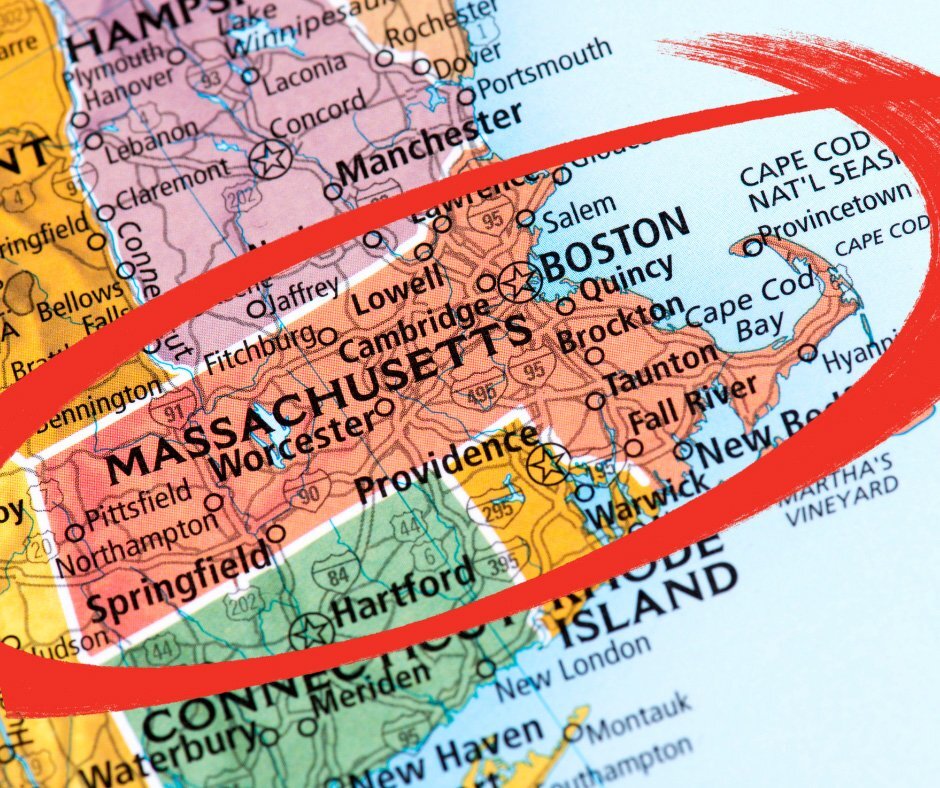
Massachusetts residents are no strangers to the capricious weather patterns that can bring about hailstorms, especially as we transition into the fall season. Hail, while often associated with visual spectacle, can pose a significant threat to the integrity of your home's roof. It's crucial to be vigilant and recognize the early signs of potential hail damage, as this can save you from more costly and extensive repairs down the line. Equipping yourself with the knowledge of past hail events in the area can be a proactive step in gauging the risk to your property.
Spotting the Signs of Hail Impact on Your Roof
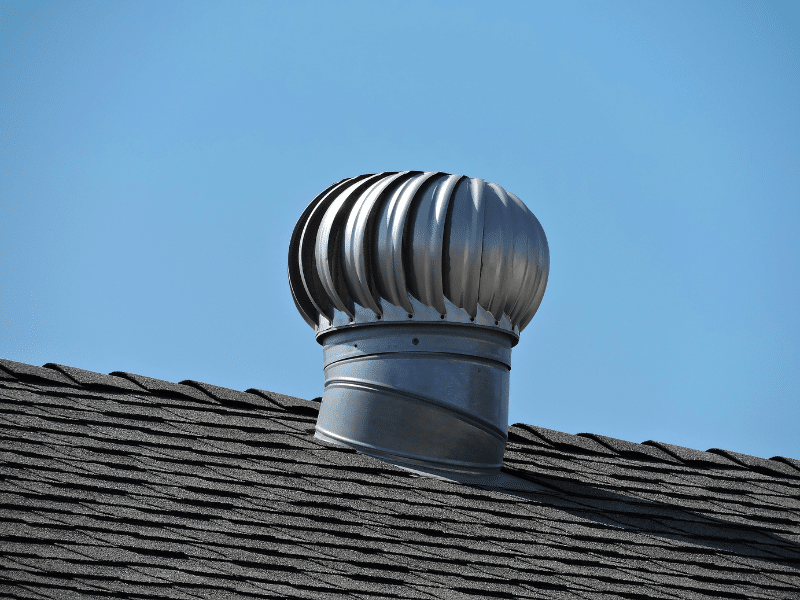
A critical eye and a few minutes of your time could be all that stands between you and the discovery of hail damage after a storm. From the safety of the ground, scan for visible marks of hail's wrath—dented flashings, cracked or missing shingles, and an unnatural collection of shingle granules in your gutter systems are tell-tale indicators. These symptoms of distress signal the urgency to delve further into the condition of your roof. Early detection is paramount as it can prevent the escalation of damage, warding off potential domino effects on your roof's lifespan.
Interior Evidence of Hail Damage
Not all signs of hail damage are immediately visible from the outside; sometimes, the repercussions find their way indoors. Venturing into your attic may reveal ominous signs of water intrusion, such as stains or drips emanating from the ceiling—these moisture markers are often the result of hail puncturing the roof's defenses. Recognizing these indicators is a critical component of home maintenance, prompting a more thorough investigation by a professional. Documenting these interior clues, alongside external evidence, builds a solid case for any necessary insurance claims or repair discussions.
Taking Action Against Hail Damage
Once you've identified the warning signs of hail damage, swift action is essential. It's important to document these signs meticulously, capturing photos from various angles to clearly depict the extent of the damage. This visual evidence will be invaluable when you seek repair services or make an insurance claim. Remember that timing is crucial; any delays could potentially worsen the damage or impact your ability to receive proper compensation from insurance.
Finding the Right Expertise for Roof Repairs
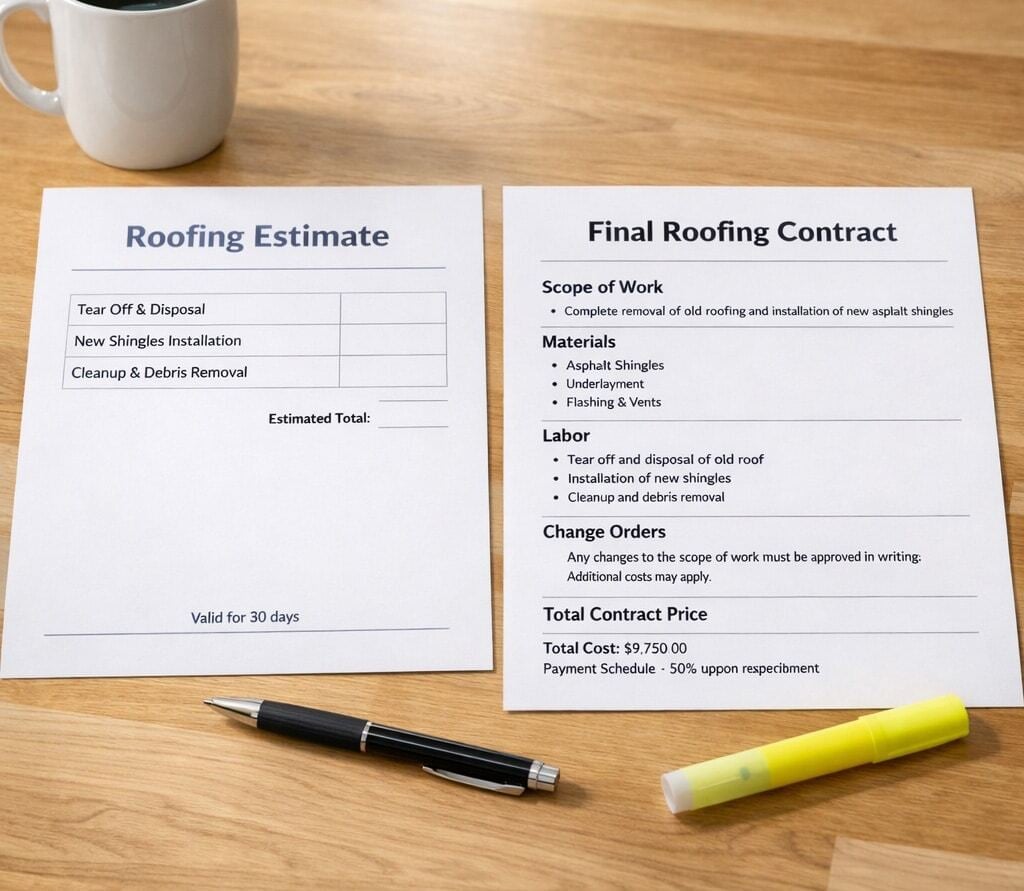
Choosing the right professional to assess and repair your roof is the next pivotal step in protecting your home. Look for local, licensed contractors with robust experience in handling hail damage repair for roofs. It’s reassuring to know that companies like Adam Quenneville provide specialized services – just take a look at their residential roofing services. Their expertise ensures that not only are immediate repairs handled effectively, but measures are also taken to reinforce your roof against future weather-related challenges.
Step 1: Assess the Risk of Hail Damage
Understand the likelihood of hail in Massachusetts, especially during the fall season. Gather historical weather data and learn about the common sizes of hail that could impact your area.
Step 2: Perform a Visual Inspection
After a hailstorm, visually inspect your roof from the ground for signs of damage. Look for dents on metal flashing, broken shingles, or granules collecting in gutters and downspouts.
Step 3: Check for Interior Leaks
Inspect your attic and ceilings for water stains or drips that may indicate a compromised roof. Hail can create punctures that lead to leaks inside your home.
Step 4: Document the Damage
Take clear photographs of any hail damage from different angles. Document the size of the hail if possible, and note the date and duration of the hailstorm for insurance purposes.
Step 5: Contact a Licensed Roofing Contractor
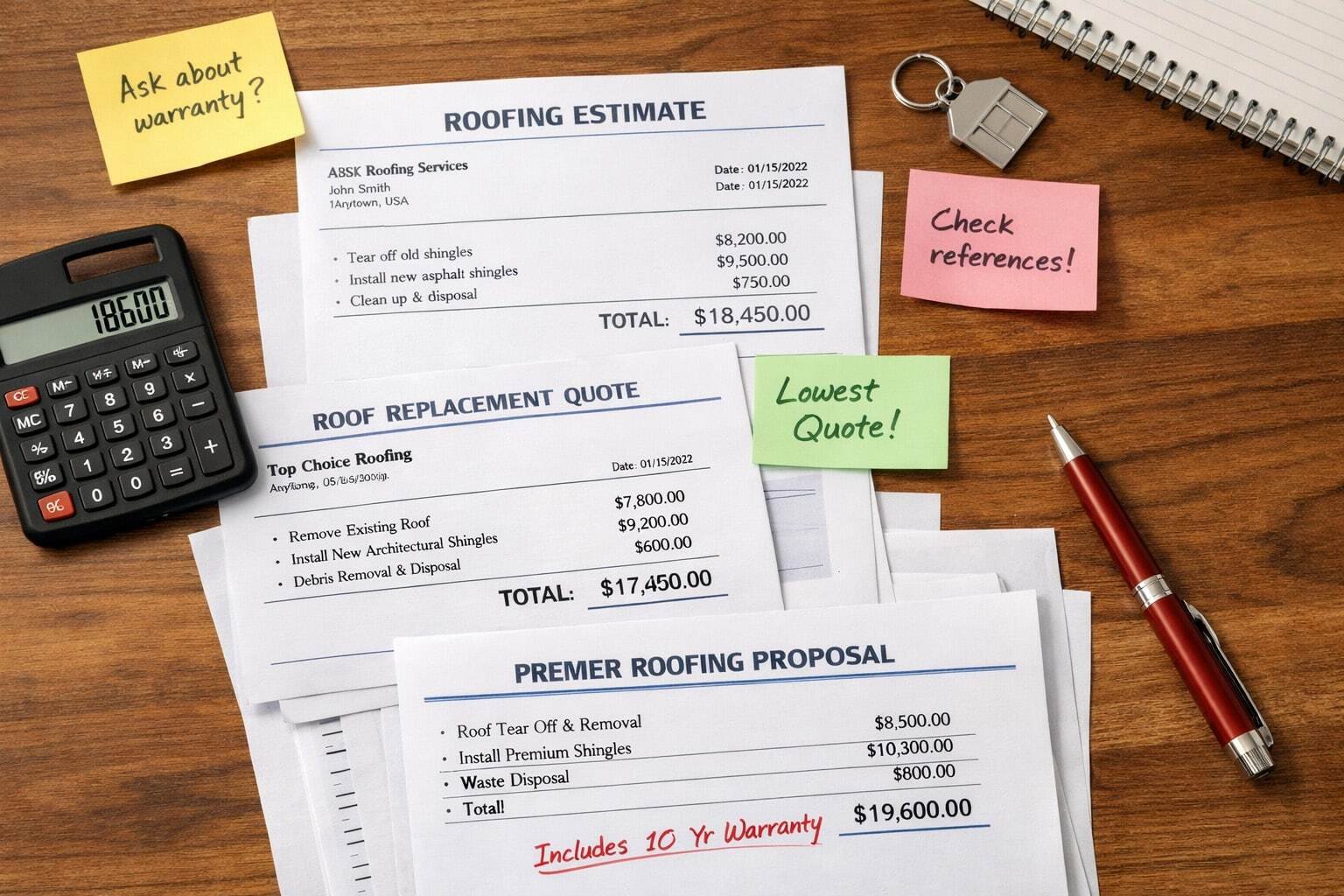
Reach out to a professional roofer with experience in hail damage for a thorough inspection. Ensure they are licensed to operate in Massachusetts and have references available.
Step 6: Review Your Insurance Policy
Before undertaking repairs, review your insurance policy to understand your coverage for hail damage. Contact your insurance agent to discuss the situation and start the claims process if necessary.
Step 7: Initiate Repairs
Based on the contractor's assessment and the insurance coverage, initiate the repair or replacement of damaged roofing material to protect your home from further damage.
Step 8: Implement Preventative Measures
Discuss with your contractor about options to increase resistance to hail damage, such as impact-resistant shingles or protective barriers. This proactive approach can mitigate future hail damage risks.
Avoiding Common DIY Hail Damage Assessment Mistakes
DIY home repair enthusiasts often dive into projects with the best intentions, but without expertise, this can lead to costly errors, especially when it comes to hail damage assessment. Understanding the hazards of DIY approaches is key to protecting the integrity of your roof. Before you climb that ladder or make assumptions about the state of your roof, take time to learn about common pitfalls and the proper techniques to safely assess hail damage.
Mistake 1: Ignoring Safety Measures
During DIY inspections, safety is often overlooked, which can lead to falls and injuries. To avoid this, use a sturdy ladder, have a partner for stability, and never walk on the roof.
Mistake 2: Underestimating Damage
Homeowners may assess the damage as less severe than it actually is. Rely on professional inspections to ensure that all damage is accounted for and to prevent underlying issues that could worsen over time.
Mistake 3: Not Documenting Damage Properly
Inadequate documentation can affect your insurance claim. Always take clear, detailed photos and notes of all damage, including the size of hail if available, to assist in the claims process.
Mistake 4: Delaying Professional Assessment
Putting off a professional inspection may lead to unnoticed structural damage. Promptly contact a licensed contractor to accurately evaluate your roof's condition post-hailstorm.
Navigating Insurance for Hail Damage
Understanding your insurance policy is essential after confirming hail damage to your roof. You should review your policy's specifics regarding hail damage and speak with your agent to ensure you're clear on coverage limits and procedures. Proper documentation and prompt communication with your insurance provider can streamline the process of filing a claim.
Preventive Measures for the Future
After managing repairs, it's prudent to discuss long-term solutions to protect your roof against future hail events. Contractors like Adam Quenneville offer various roofing materials and protective options designed to withstand the elements. To explore options that could safeguard your home, check out the roofing materials section at Adam Quenneville's Roofing Materials and make an informed decision to enhance your home's resilience.
Morgan Bennett, Marketing Director
Morgan is the Marketing Director at Adam Quenneville Roofing & Siding, joining the team in 2024. She holds a bachelor’s degree in Marketing and Business and helps lead the company’s brand strategy, content, and customer education efforts. Morgan also plays a key role in AQ Cares, AQRS’s community outreach division, helping coordinate partnerships, volunteer initiatives, and local giving programs that support the neighborhoods we serve.
Topics: