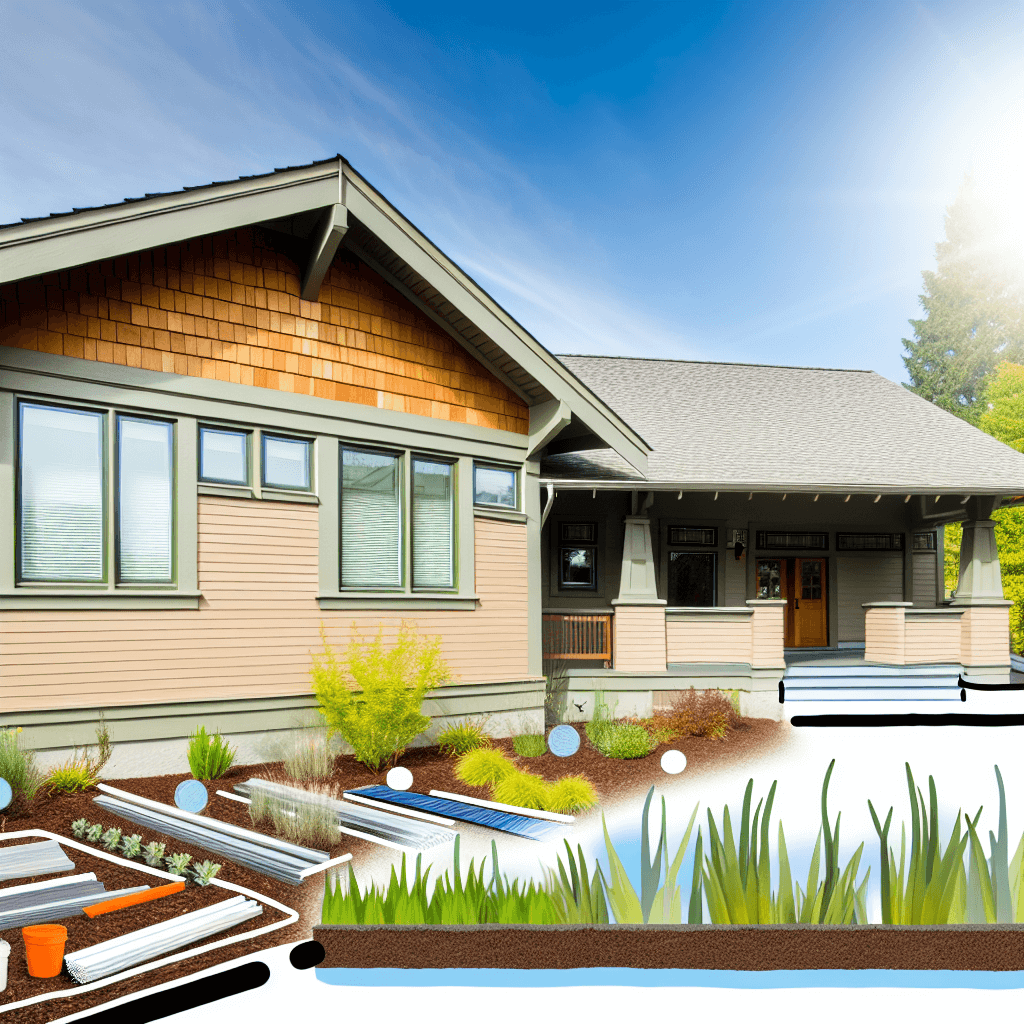
• Discover how to select siding materials that maximize energy efficiency for your home.
• Learn about the benefits and key features of various eco-friendly siding options.
• Understand why consulting with professionals ensures the best results for your siding project.
Recognizing When It’s Time for Change
As we enter the cooler months in Rhode Island, it’s crucial to examine your home’s exterior. If you notice a draft despite having the heat on, or your energy bills are climbing despite your best conservation efforts, it may be time to consider your siding’s role in energy efficiency. Siding that is cracked, warped, or showing signs of wear and tear is not just an eyesore; it’s a signal your home may be losing valuable heat. These problematic signs are the first indicators that your journey towards selecting energy-efficient siding materials should begin.
The Impact of Worn Siding on Energy Efficiency
If your home feels unusually cold in certain rooms or you’re finding moisture build-up along the interior walls, it’s an indication that your siding is failing to protect your home from Rhode Island’s harsh elements. Siding that lacks proper insulation contributes significantly to heat loss, undermining the hard work of your heating system. It’s not just about comfort; inefficient siding can lead to increased strain on your HVAC system and higher utility costs over time. Taking a proactive approach by understanding and evaluating your home’s needs can save you from unnecessary expenses and discomfort during the fall and winter months.
Evaluating Siding for Optimal Performance
As you consider the state of your home’s siding, reflect on how well it is geared to handle not just the present, but the coming years. Rhode Island’s unique weather patterns require siding that can stand up to its rainy springs and chilly falls without compromising on energy efficiency. The importance of a high R-value—a measure of thermal resistance—can not be overstated in energy-efficient siding materials. It’s essential to kick off your research with an assessment of your current siding’s performance, and how alternative materials might serve you better in both durability and insulative properties.
Optimizing Siding Materials for Rhode Island’s Climate
When thinking about energy-efficient siding, the materials you choose play a significant role in your home’s overall energy profile. In Rhode Island’s variable climate, selecting a siding material that holds up to the constant cycle of wet to cold is paramount. The right siding material doesn’t just reduce heat loss; it also resists moisture intrusion, which is critical in protecting against mold growth and structural damage. As you embark on selecting the most suitable siding, it’s important to contemplate not just the visual appeal but also the material’s ability to act as a robust thermal barrier.
Connecting Material Choices with Energy Efficiency
Each siding material comes with its own energy efficiency credentials, and balancing these against cost and aesthetic appeal is key. Insulated vinyl siding, for example, can provide excellent thermal insulation and is available in a variety of styles and colors to enhance the curb appeal of your home. Fiber cement and wood siding, while offering a more natural look, may require more maintenance yet still deliver substantial energy efficiency when properly installed and sealed. To understand the full range of material options and their corresponding benefits, visiting Adam Quenneville’s siding services can provide you with a comprehensive overview, setting you on the path to making an informed decision.
Step 1: Understand the Basics of Energy-Efficiency in Siding Materials
Learn about what makes siding materials energy-efficient, such as R-value, durability, and thermal bridging. Familiarize yourself with terms like insulation and weather resistance to get a better sense of what features to look for.
Step 2: Evaluate Your Home’s Needs
Assess your home’s current siding and energy performance. Consider the climate in Rhode Island, particularly the cool falls and winters, to determine the level of insulation required.
Step 3: Research Material Options
Explore various siding materials available in the market. Look into vinyl, wood, fiber cement, and insulated siding, assessing their energy efficiency ratings and suitability for Rhode Island’s seasonal weather.
Step 4: Compare Cost vs. Benefits
Analyze the initial installation costs against long-term energy savings. Consider factors like maintenance expenses and potential tax credits for energy-efficient home improvements.
Step 5: Check for Local Rebates and Incentives
Research local Rhode Island rebates or federal incentives for installing energy-efficient siding which can offset the upfront costs.
Step 6: Seek Professional Consultation
Contact reputable contractors in Rhode Island like Adam Quenneville for professional advice. A local expert can provide tailored recommendations based on your home’s specific needs.
Step 7: Plan for Installation Before the Winter
Schedule the installation process for your new siding. Aim for completion before the colder months to maximize energy efficiency during Rhode Island’s fall season.
Step 8: Maintain Your New Siding for Lasting Efficiency
Learn about proper siding maintenance to ensure its energy-efficient benefits continue. This includes regular cleaning, inspections, and timely repairs.
Avoiding Common DIY Siding Mistakes
Embarking on a DIY siding project can be a rewarding endeavor, but it’s laden with potential pitfalls that can undermine its energy efficiency and longevity. Rhode Island’s variable climate demands precision and thoroughness. Below, we outline frequent missteps to steer clear of, offering advice grounded in our understanding of siding materials and how they contribute to a home’s energy performance.
Mistake 1: Ignoring the R-Value
Many homeowners choose siding based on aesthetic appeal alone, neglecting the R-Value— a critical measure of insulation efficiency. To avoid this, select materials with a high R-Value suited for Rhode Island’s cool falls and winters.
Mistake 2: Overlooking Local Climate
Failure to consider the local climate can lead to poor siding performance. Prevent this by assessing how different materials fare against Rhode Island’s seasonal weather, ensuring your choice can handle the cold without compromising energy efficiency.
Mistake 3: Skimping on Quality for Cost
Opting for lower-quality siding to save money upfront can result in a less energy-efficient home. Compare the long-term energy savings and durability of higher-quality options to prevent increased costs down the line.
Mistake 4: Missing Out on Rebates and Incentives
Homeowners often miss out on financial incentives available for installing energy-efficient siding. Research local rebates and federal incentives thoroughly to take advantage of potential savings.
Mistake 5: Not Seeking Expert Advice
DIYers sometimes bypass professional guidance, which can lead to inadequate siding installation. Contact local experts like Adam Quenneville for advice tailored to your home’s needs and avoid costly errors.
Mistake 6: Poor Timing of Installation
Installing siding at the wrong time can affect its performance due to weather conditions. Plan your installation to finish before Rhode Island’s winter season for optimal energy efficiency.
Mistake 7: Neglecting Proper Maintenance
Inadequate maintenance can diminish your siding’s efficiency. Learn about and adhere to maintenance routines such as regular cleaning and inspections to maintain your siding’s energy benefits.
Making an Economically Sound Investment
Upgrading to energy-efficient siding is an investment that pays dividends in both comfort and cost savings. The upfront expense can be mitigated by the long-term reduction in energy bills, especially during Rhode Island’s chilly fall and winter seasons. Additionally, energy-efficient siding can increase the overall value of your home, making it a wise choice for those considering future resale.
Maximizing Your Investment with Professional Expertise
When it’s time to make the leap to new siding, working with experienced professionals can ensure that you’re getting the best return on your investment. They can help you navigate the often complex world of rebates and incentives, which can make a significant financial impact. By choosing to work with qualified professionals like Adam Quenneville, you’re securing the strongest blend of energy efficiency, durability, and aesthetic appeal for your home.