How To Spot Common Signs Of A Hidden Roof Leak Before Damage Escalates
August 19th, 2025
5 min read
• Discover what signs indicate a hidden roof leak, including ceiling stains and damp attic insulation
• Learn the steps to inspect your roof safely, from checking shingles to evaluating gutters
• Understand when to seek professional help and how timely repairs can save you from costly damages
Spotting The Early Warning Signs
The roof of your home is a silent protector, warding off the harsh elements of Vermont's climate. But when compromised by a hidden leak, this defense can quickly turn into a source of stress and expensive damage. Identifying a roof leak early can mean the difference between a simple repair and a full-blown emergency. Before we dive into our guide on detecting hidden leaks, it’s crucial to be aware of the problematic signs that could signal trouble atop your house.
Discovering the first signs can be as simple as looking up. Over time, water that escapes through minute cracks can accumulate and discolor the ceiling. These dark, wet stains are often your first clue that water is pooling above, silently damaging your home. If these tell-tale spots are present, it's a compelling indication that your investigation should continue, leading you into the hidden recesses of your attic.
Ascending into your attic brings you closer to the source, and here, the presence of damp insulation cannot be overlooked. After periods of rain, this insulation retains moisture, evidencing water's unwelcome entry into your home. In Vermont’s summer, when intermittent storms are common, this sign is especially pertinent to lookout for. Equally alarming is the potential growth of mould or mildew, which indicates not just an occasional drip, but a persistent source of moisture wreaking havoc in the shadows of your roof.
External Evidences of Roof Damage
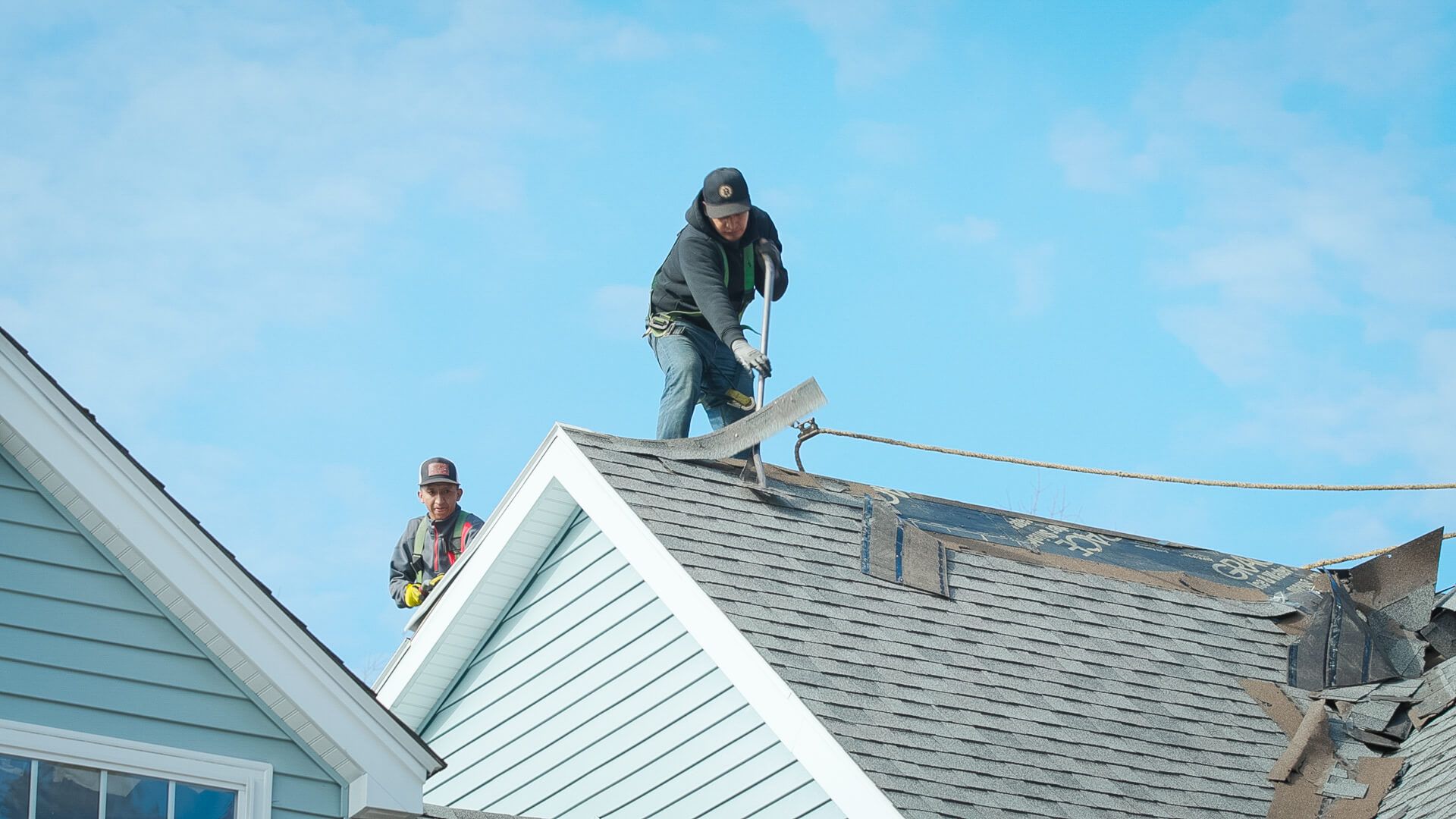
Climbing atop your roof serves as the next crucial step in your leak detection journey. It’s a realm where flaws like missing, warped, or damaged shingles serve as harbingers of potential water intrusion. Vermont's varied summer weather can be particularly harsh on roofing materials, and even minor damage can allow water to find its way through. Shingles are the outermost barrier to the elements, so it's crucial to ensure they remain in top condition to avoid unwelcome moisture seeping into your home.
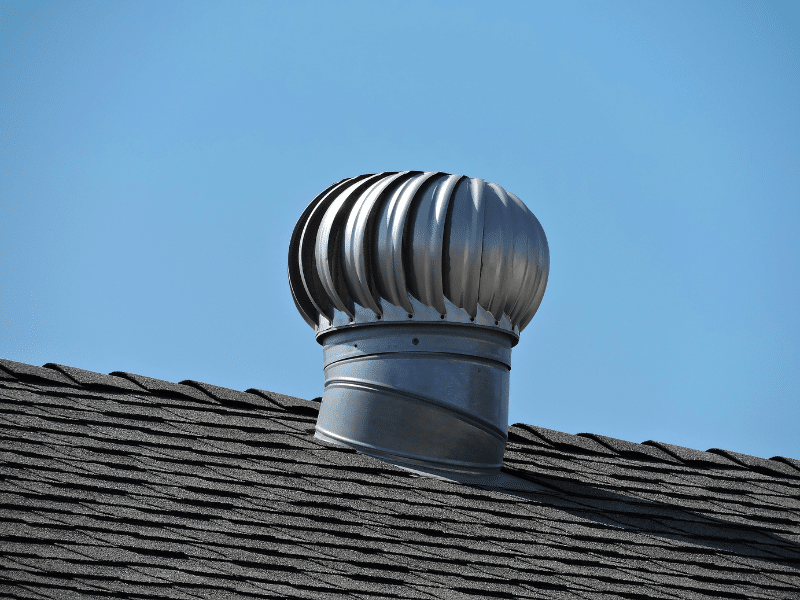
While up there, attention must also be turned to the flashings around vents, skylights, and chimneys. These metal pieces are designed to create a water-resistant barrier at the intersections of different roof planes and projections. However, they can fail due to rust or separation. It's essential to inspect these areas thoroughly and ensure that any compromise is addressed immediately, to minimize the risk of a hidden roof leak that could develop into a more significant concern.
The Subtleties of Structural Deformities
A sagging roof line is not just an aesthetic issue; it's a clear signal that the structural integrity of your roof may be compromised. These dips and curves are often symptoms of prolonged exposure to water, signaling areas where the decking or supports beneath have weakened. The roof should be solid and sturdy underfoot; if you notice any soft spots while walking across, it's time to delve deeper to understand the severity of the potential water damage. Importantly, if you're uncomfortable assessing these details yourself, it’s wise to seek out expert assessment from a professional Vermont roofing service to ensure your home remains a safe haven against seasonal storms.
Step 1: Inspect Your Ceiling for Water Stains
Begin your investigation for a hidden roof leak by examining the ceilings inside your home. Look for dark or wet stains that often indicate pooling water from a leak above.
Step 2: Check the Attic for Damp Insulation
Head to the attic with a flashlight to inspect for wet insulation, especially after a heavy rain. Moist insulation is a direct sign of water penetration from the roof.
Step 3: Look for Mould or Mildew in the Attic
While in the attic, keep an eye out for any growth of mould or mildew, which thrives in damp, warm conditions. Mould often signals a longstanding leak.
Step 4: Examine the Roof for Missing, Warped, or Damaged Shingles
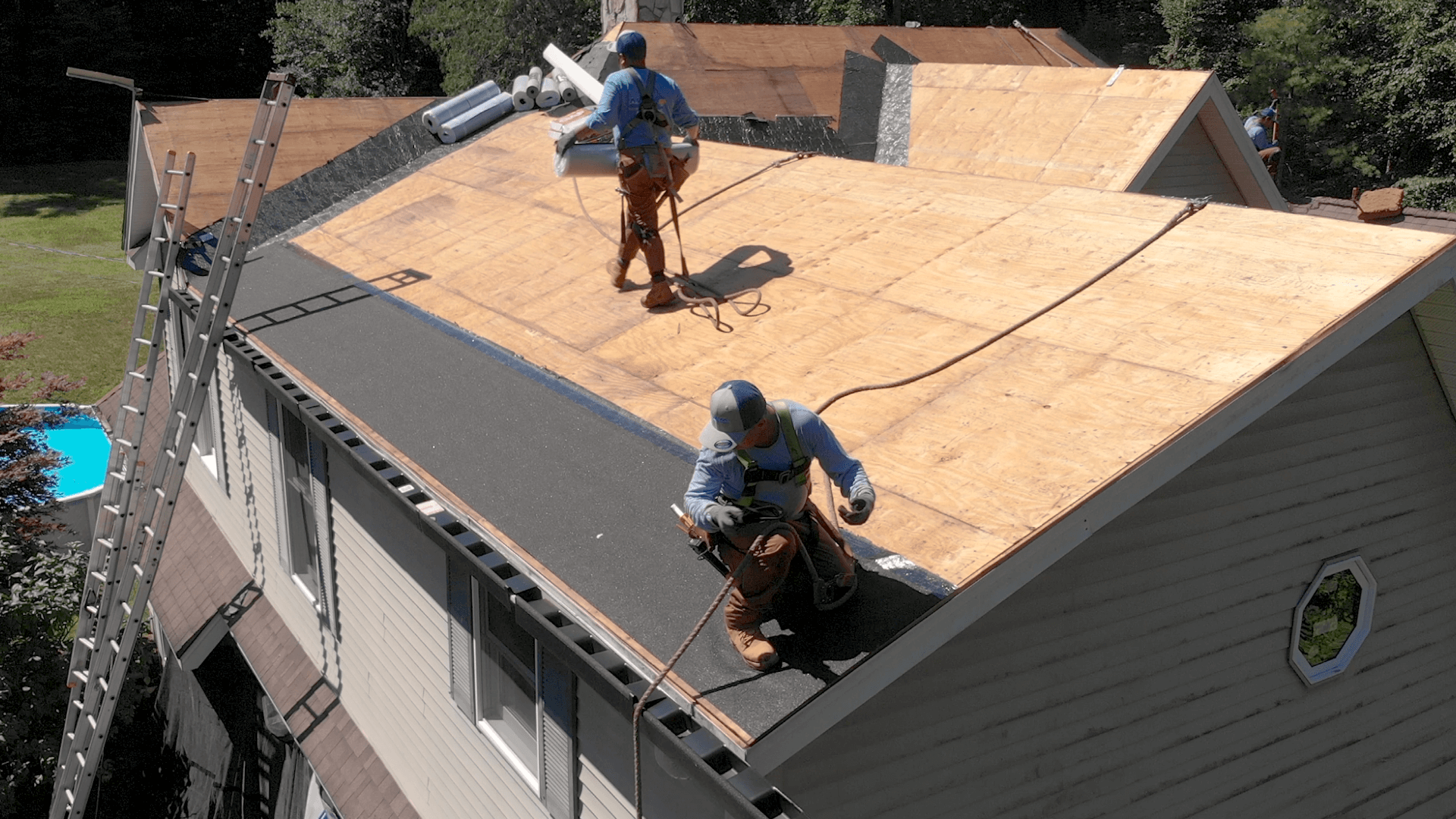
Safely accessing your roof, inspect for shingles that are missing, buckling, curling, or showing signs of wear. These are common entry points for water.
Step 5: Check Flashing Around Vents, Skylights, and Chimneys
Any roof penetrations are vulnerable spots for leaks. Examine the metal flashings for rust, cracks, or gaps where water can seep through.
Step 6: Observe Any Sagging or Soft Spots on the Roof
While on the roof, feel for areas that give under your weight, indicating a possible presence of trapped moisture and deteriorated decking.
Step 7: Inspect the Gutters and Downspouts
Ensure that gutters and downspouts are clear of debris and properly aligned to prevent water from backing up under the roof materials.
Step 8: Consult a Professional
If you have identified potential signs of a hidden leak or feel uncomfortable performing any inspections, contact a roofing professional in Vermont to carry out a thorough assessment and recommend appropriate repairs.
Avoiding Common DIY Roof Inspection Errors
Conducting a DIY roof leak investigation requires careful attention to detail and a cautious approach. Overzealous or misguided efforts can exacerbate existing issues or create new problems. To help you steer clear of such pitfalls, we'll explore some common mistakes made during the process of identifying signs of a hidden roof leak.
Mistake 1: Ignoring Safety Precautions
Climbing onto a roof or exploring an attic always poses safety risks, especially if you're unaccustomed to such tasks. Falls from even a short height can be dangerous, so it's essential to use a stable ladder, wear suitable footwear, and move cautiously.
Mistake 2: Overlooking Attic Ventilation
A common oversight is confusing signs of poor attic ventilation, like condensation, with evidence of a roof leak. Before jumping to conclusions about damp insulation, ensure proper ventilation isn't the real issue needing resolution.
Mistake 3: Neglecting Surrounding Areas When Inspecting for Water Stains
Water travels before settling, so a stain in one area might indicate a leak originating elsewhere. When inspecting for stains, consider the possibility of water traveling along beams and surfaces, spreading far from the actual leak source.
Mistake 4: Disregarding Small Damages on the Shingles
Even small gaps or damage on shingles can signal serious issues. Dismissing minor imperfections could allow undetected water to infiltrate, leading to costlier repairs down the road.
Mistake 5: Improperly Assessing Flashing
Properly sealed and intact flashing is critical for a watertight roof; however, it's one of the most common areas where DIY inspectors fail to notice subtle deterioration. It's crucial to scrutinize these areas meticulously and recognize that even small compromises can result in leaks.
Mistake 6: Ignoring Soft Spots During Roof Inspection
Soft spots on a roof might feel insignificant underfoot, but they may indicate larger problems—like rot or water-soaked decking underneath. Never ignore these areas; further exploration can prevent a potential roof collapse.
Mistake 7: Forgetting to Inspect After Severe Weather
The aftermath of a storm is a critical time to check your roof. Debris or damage from severe weather can quickly lead to leaks, so post-storm inspections should be routine.
Mistake 8: Assuming DIY is Always Enough
Confidence in your abilities is important, but recognizing when a professional is needed is paramount for your home’s safety and your own. If you're unsure about any findings, reach out to a Vermont roofing expert, who can offer a dependable assessment and appropriate fixes.
Protecting Your Home from Water Damage
The state of your gutters plays an indispensable role in safeguarding your roof from leaks. Ensuring they are free of debris like leaves and twigs can prevent water from pooling and penetrating under your roof materials. With the summer rains in Vermont, it's essential to maintain clean and functional gutters to direct water away from your home.
When to Call in the Experts
Uncertainty on where to start or what to look for when it comes to potential roof leaks can be daunting for any homeowner. That's why it's important to recognize when it's time to consult a professional. For a comprehensive roof evaluation and expert repair services, don't hesitate to reach out to a trusted local roofing specialist who can guide you through the process and help secure a claim if necessary.
Morgan Bennett, Marketing Director
Morgan is the Marketing Director at Adam Quenneville Roofing & Siding, joining the team in 2024. She holds a bachelor’s degree in Marketing and Business and helps lead the company’s brand strategy, content, and customer education efforts. Morgan also plays a key role in AQ Cares, AQRS’s community outreach division, helping coordinate partnerships, volunteer initiatives, and local giving programs that support the neighborhoods we serve.
Topics: