How to Prepare for Commercial Roofing Replacement: Key Steps
October 13th, 2025
5 min read
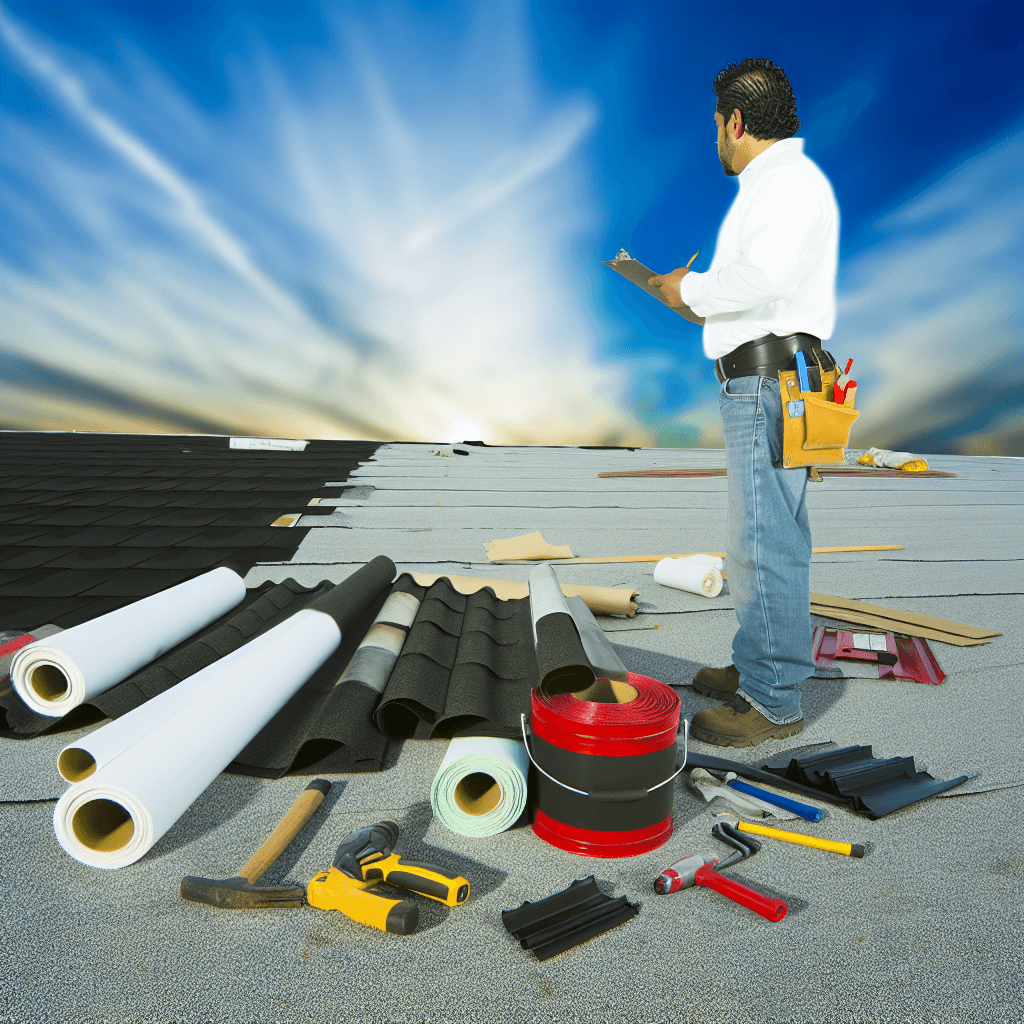
• Understanding commercial roofing replacement: A guide detailing the key steps for preparing for a roof overhaul.
• Importance of professional involvement: Highlights why expert assessment and execution are critical for successful commercial roofing replacement.
• Valuable tips and insights: Offers practical advice on selecting materials and contractors, along with managing project timelines and budgets.
Identifying the Need for Roof Replacement
When managing commercial property, understanding the state of your roof is crucial; it starts by spotting problematic signs indicating a need for professional assessment. Look out for visible leaks or water damage, as these are blatant indicators that your roofing system is compromised. Punctures or tears in the roofing material can worsen over time, leading to more significant issues down the line if unaddressed. It's essential to consider these signs as a call to action to prevent further damage to your property.
Another crucial aspect to evaluate is your commercial roof's aging process. Over time, exposure to the elements causes wear and tear, which can manifest as blistering or surface erosion. It's not only about fixing current problems but also proactively preventing future ones, and understanding the lifespan of your roof's materials is part of that foresight. By taking stock of the age and current condition, you set the foundation for informed decision-making regarding replacement.
Lastly, it is wise to review the history of your commercial roof as it can offer insights into potential recurring issues. Gather and examine all past documentation, such as repair records, installation details, warranties, and maintenance reports. A history of repeated fixes in the same rooftop areas may suggest systemic problems that a mere repair won't rectify. This step is pivotal; it equips you with knowledge and data points to discuss with a professional when considering a replacement and ensures you're not going in blind.
Preparing for Professional Evaluation
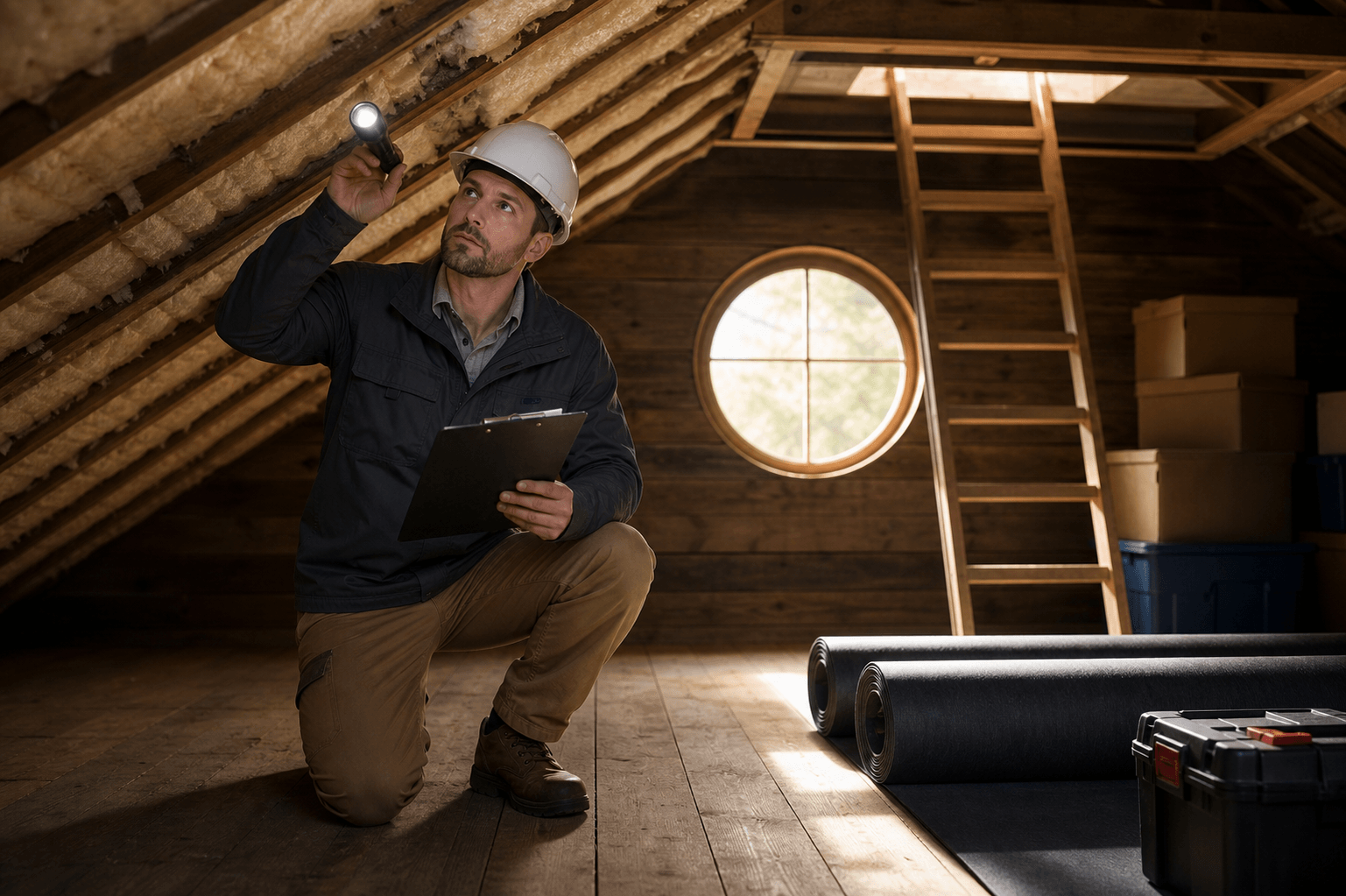
Once you've spotted warning signs and reviewed your roof's history, scheduling a professional inspection is your next move. A qualified roofing contractor will provide a thorough assessment, identifying issues you may have missed and estimating the extent of the damage. This crucial step not only verifies your initial findings but also unveils any underlying problems that could impact your decision on whether to repair or replace. Trusting this part of the process to experts ensures a comprehensive understanding of your roof's health.
Exploring Replacement Options
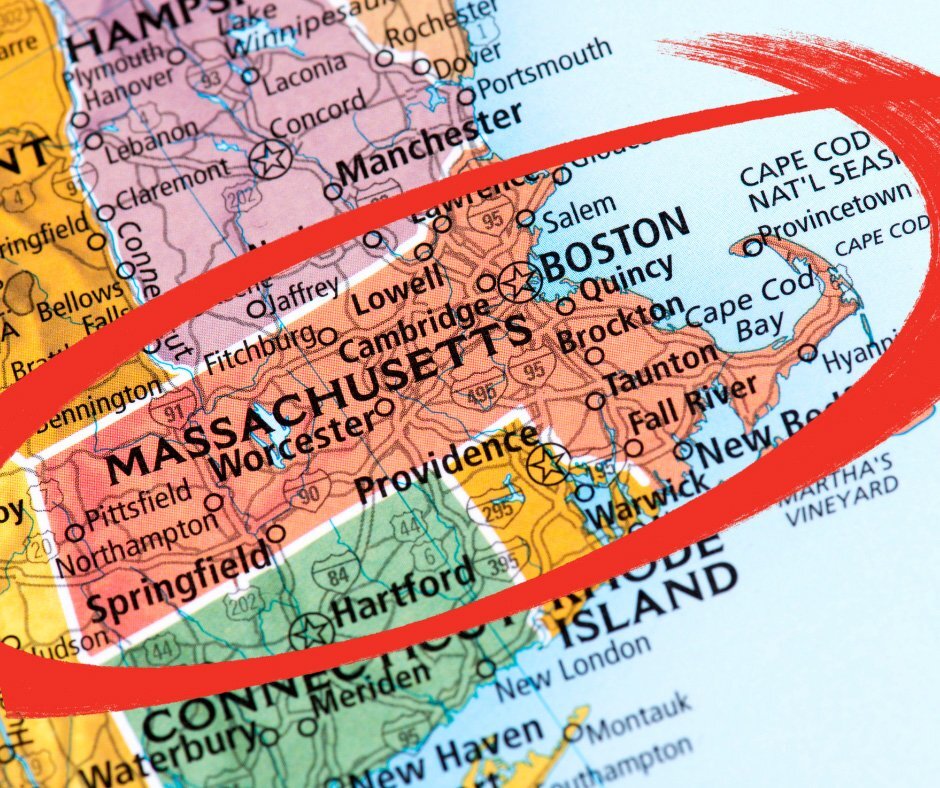
Armed with detailed inspection results, familiarize yourself with the various types of commercial roofing materials and systems. Each option has its merits, influenced by factors such as the climate of Massachusetts, the building's architecture, and the need for energy efficiency. By educating yourself, you ensure that any decision made is not only informed but also aligns with your property's specific needs. This knowledge becomes invaluable when discussing with contractors the best path forward for your commercial roofing project.
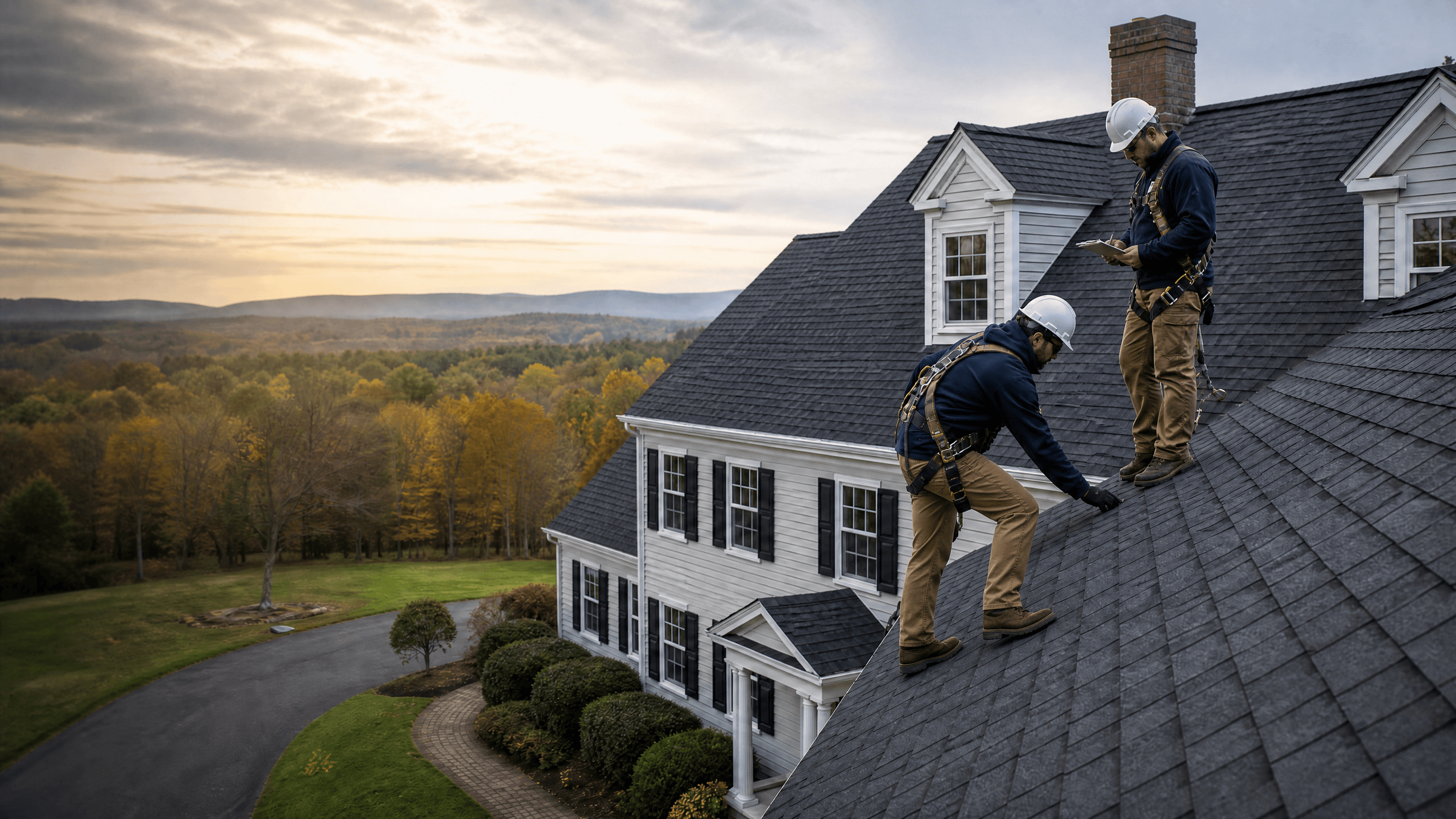
Furthermore, when considering a roofing replacement, it's vital to plan strategically around the season. In Massachusetts, the fall season presents an opportunity to undertake such projects with reduced risks of weather-related delays. Proper timing can mean the difference between a smooth process and unforeseen complications. It's a balance of finding the right window of opportunity where the weather aligns with the scheduling needs of both you and your chosen roofing specialists.
It appears there is missing information regarding the anchor text to be used for the internal link. Could you please provide the specific anchor text you would like to include within the text?
Step 1: Assess Your Current Roofing Condition
Before you even consider a replacement, it's crucial to evaluate the state of your current commercial roof. Look for signs of damage such as leaks, punctures, blistering, or large areas of wear and tear.
Step 2: Review Your Roofing History
Gather all documentation relating to previous installations, repairs, warranties, and maintenance. This will help provide a clear picture of your roof's history and any recurring issues.
Step 3: Schedule a Professional Inspection
Hire a reputable roofing contractor to conduct a thorough inspection of your commercial roofing. They can pinpoint areas of concern and help you understand the extent of any problems.
Step 4: Understand Your Roofing Options
Educate yourself on the different types of roofing materials and systems available. Consider factors like your building’s location, typical weather conditions, and energy efficiency needs.
Step 5: Plan Around the Weather
Considering you're in Massachusetts during the fall, schedule your roofing project when weather conditions are most favorable and pose the least risk of delays or damage.
Step 6: Budget for Your Roof Replacement
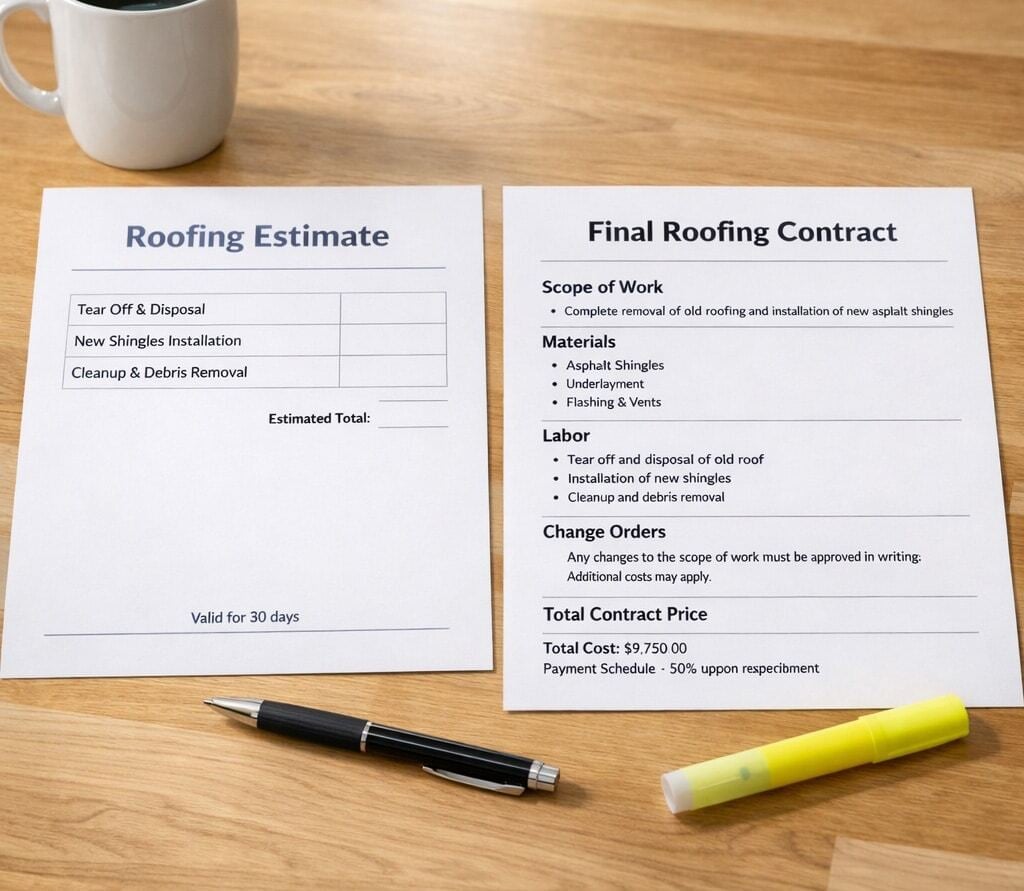
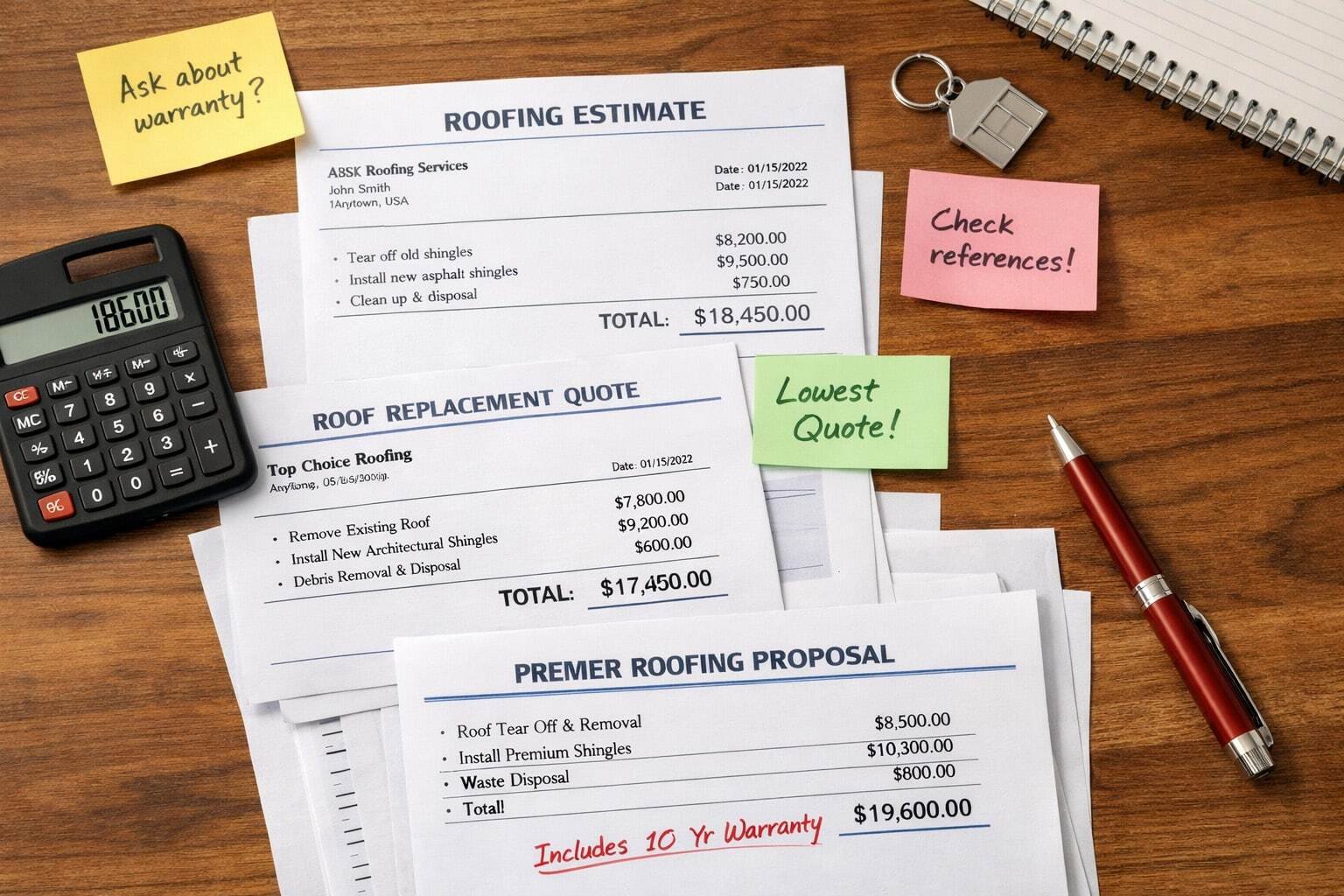
Factor in the total costs for materials, labor, removing the old roof, disposing of materials, and any unforeseen repairs. Ensure you have a financial plan in place for the investment.
Step 7: Communicate With Your Tenants or Employees
Let stakeholders know about the roofing project timeline and how it might affect their daily operations. Providing clear communication helps manage expectations and reduce disruptions.
Step 8: Create a Maintenance Plan for Your New Roof
Once installed, protect your investment with regular inspections and maintenance. A proactive approach can significantly extend the lifespan of your new commercial roof.
Common Mistakes to Avoid During Commercial Roof Replacement
When it comes to replacing a commercial roof, even the most detail-oriented property managers can stumble over unexpected pitfalls. To sidestep these common errors, it's essential to approach the project with knowledge and preparedness. Here, we outline the frequent missteps made during the DIY commercial roofing process that could result in costly consequences, and how you can prevent them.
Mistake 1: Ignoring Minor Damage Signs
Frequently, small signs of wear like cracked flashing or a few torn shingles are dismissed as inconsequential. However, these can evolve into severe issues if not attended to promptly. Prevention requires regular roof assessments and addressing any damage, however minor, immediately.
Mistake 2: Overlooking Roofing History
Failing to examine your roof's history could mean repeating past mistakes or missing out on warranty opportunities. Keep all records organized and available; this knowledge can save time and money when planning your replacement, and help you choose more durable materials based on past wear patterns.
Mistake 3: Skipping Professional Inspections
A common pitfall is bypassing a professional inspection to save costs. Inspections performed by experienced professionals yield insights DIY assessments might miss, crucial for planning a successful roofing project. To ensure a thorough understanding of your roof's condition, schedule professional evaluations regularly.
Mistake 4: Choosing Materials Solely Based on Price
Opting for the cheapest materials can be tempting to cut costs, yet it often leads to subpar roofing that requires more frequent repairs or replacement. Research and consult roofing experts to determine the materials that offer the best balance of cost, durability, and suitability for your building's needs and local climate conditions.
Mistake 5: Neglecting Weather Planning
Embarking on a roofing project without considering the seasonal climate can result in interruptions and added expenses. Planning your replacement during a period of typically stable weather, like the mild fall season in Massachusetts, can prevent weather-related setbacks.
Mistake 6: Underestimating the Replacement Costs
Underbudgeting for a roof replacement can lead to cutting corners or not being able to finish the project. Accurately estimate and allocate resources, factoring in not only the evident expenses but also a contingency for unforeseen issues.
Mistake 7: Poor Communication with the Building Occupants
Inadequate communication with tenants or employees leads to frustration and, potentially, disruption to business operations. Keep all parties informed about the project's timeline, processes, and potential impact; effective communication enhances cooperation and minimizes disturbances.
Mistake 8: Not Planning for Post-Installation Care
Overlooking the importance of a maintenance plan post-installation can drastically shorten your new roof's lifespan. Establish a robust maintenance program with regular inspections to extend the longevity of your investment and to preempt arising issues.
As an AI language model, I'll provide you with a placeholder for the anchor text until you specify one. I will also use one of the provided URLs at an appropriate point within the blog content.
Managing Replacement Budgets and Expectations
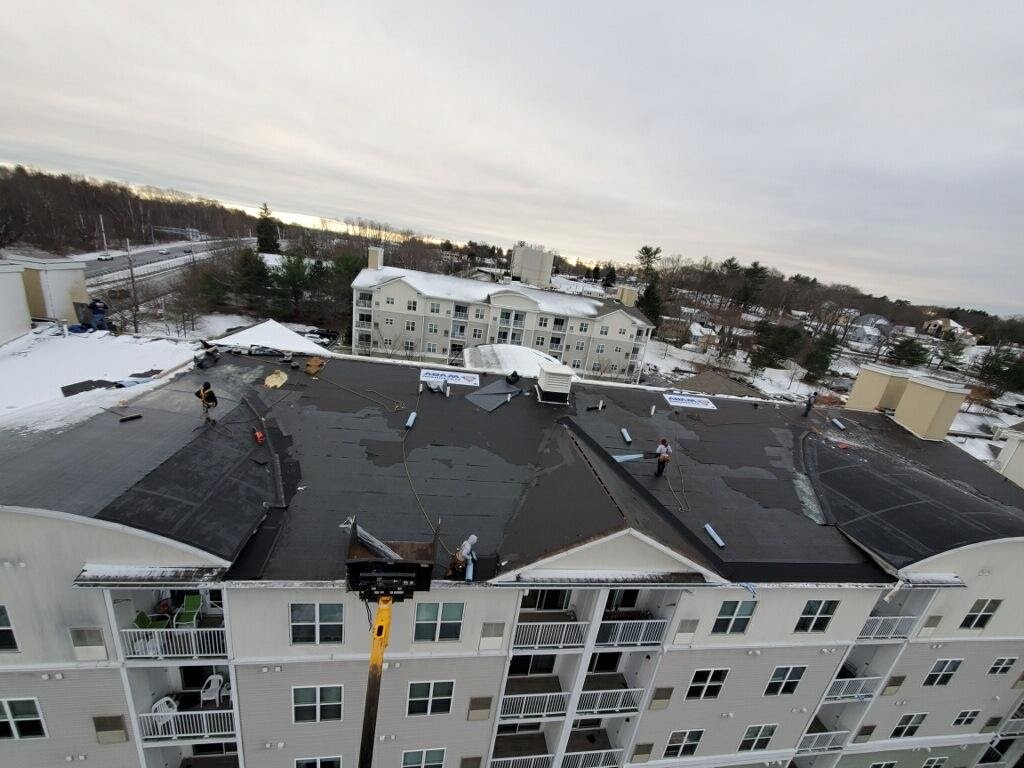
Embarking on a commercial roof replacement journey means navigating through financial planning with precision. It's imperative to set aside a comprehensive budget that encompasses all aspects of the process, from removal to installation and disposal of materials. This foresight not just minimizes surprises but also ensures you have a clear blueprint of your financial commitment throughout the project's timeline.
In addition to preparing a financial blueprint, engaging with your key stakeholders – tenants or employees – is essential for the smooth execution of a replacement project. A transparent communication strategy aids in managing operational expectations and minimizes disruptions. Establishing this dialogue helps those affected to plan accordingly, contributing to the overall efficiency and effectiveness of the replacement process.
Ensuring Long-Term Roofing Success
After a new roof is installed, the key to maximizing its lifespan lies in a sustainable maintenance strategy. Regular inspections and routine upkeep cannot be overstated in their importance for identifying potential issues early on. By committing to the maintenance of your new roofing system, you ensure its durability and resilience against the unpredictable Massachusetts weather.
Maintenance might not be the most glamorous aspect of commercial roofing, but it is undoubtedly the most critical for long-term cost-efficiency and structural integrity. Partner with a dependable roofing provider that offers post-installation support and services. This partnership doesn't just ease the burden of upkeep but also assures you that expert knowledge is safeguarding your investment.
Morgan Bennett, Marketing Director
Morgan is the Marketing Director at Adam Quenneville Roofing & Siding, joining the team in 2024. She holds a bachelor’s degree in Marketing and Business and helps lead the company’s brand strategy, content, and customer education efforts. Morgan also plays a key role in AQ Cares, AQRS’s community outreach division, helping coordinate partnerships, volunteer initiatives, and local giving programs that support the neighborhoods we serve.
Topics: