How To Upgrade Your Roof for Maximum Energy Efficiency
August 3rd, 2025
4 min read
• Learn how an energy-efficient roof upgrade can lower your bills and improve home comfort.
• Discover key signs your roof needs an upgrade and the best materials to use for energy savings.
• Find out how to select the right contractor and avoid common DIY roofing mistakes.
Recognizing the Telltale Signs of an Inefficient Roof
As homeowners in Connecticut, staying vigilant about the condition of your roof is crucial, especially considering the impact it has on your home's energy efficiency. An aging roof can betray itself with subtle hints; one such sign is an unexpected increase in your energy bills, which often stems from poor insulation and the loss of heat or cool air. Cracked or curling shingles are more than just an eyesore; they often suggest that your roof is not reflecting sunlight optimally, contributing to unwanted heat gain during the sweltering summer months. Moreover, if you notice water stains on your ceilings or walls, it could be a red flag indicating that your roof's integrity is compromised, leading to moisture penetration which further deteriorates insulation.
Assessing Your Roof's Energy Potential
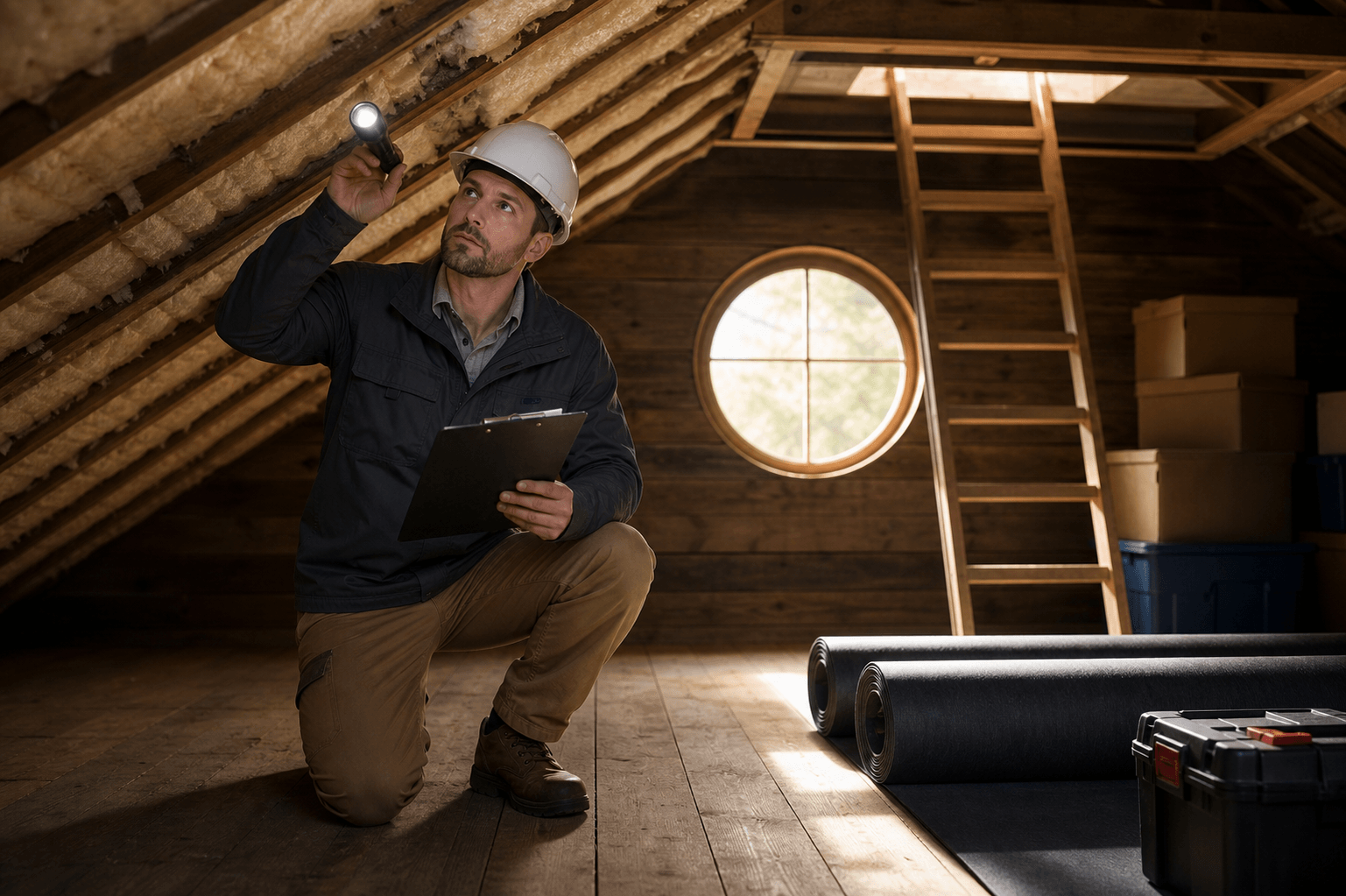
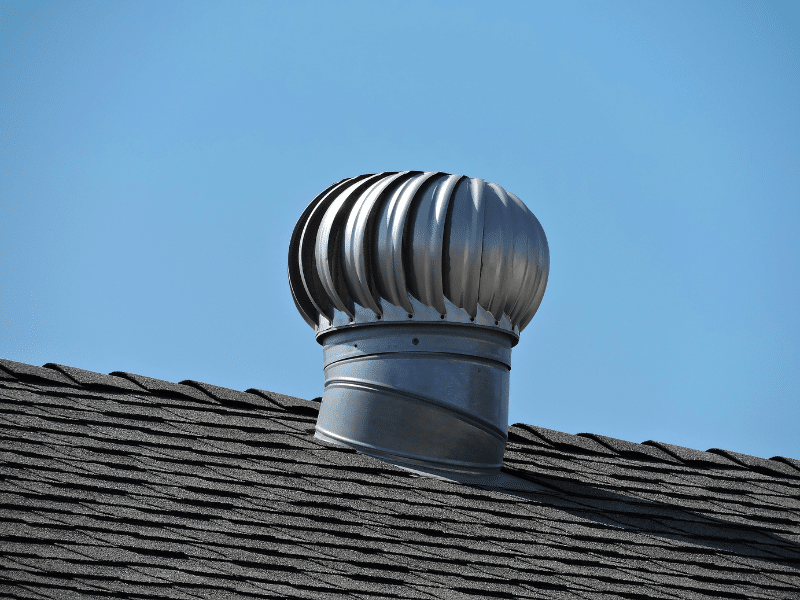
Embarking on the journey towards an energy efficient home means taking the time to closely inspect your roof for signs of wear and tear. A roof past its prime can become a significant source of energy loss, particularly in seasons of temperature extremes. Look across the surface on a bright day; if your shingles lack a reflective sheen or are missing granules, it's a sign that they're not performing up to current energy-efficient standards. Additionally, consider the ventilation system in your attic; inadequate ventilation can trap heat, exacerbating the workload on your air conditioning and inflating energy costs.
Determining the Need for an Upgrade
The decision to upgrade isn't one to be taken lightly, as it involves not just financial investment, but also the future comfort and resale value of your home. Be vigilant for moss or algae growth which, beyond aesthetics, can retain moisture and undermine your roof's ability to insulate properly. Are your shingles laying flat, or are they buckling? Uneven surfaces can signal underlying issues that lead to heat loss in winter and heat retention in summer, directly contradicting the benefits of a roof upgrade for energy efficiency. Lastly, check for signs of sagging or structural strain; this could suggest an overburdened roofing system that’s unable to provide the necessary protection or efficiency.
Exploring Your Energy Efficient Roofing Options
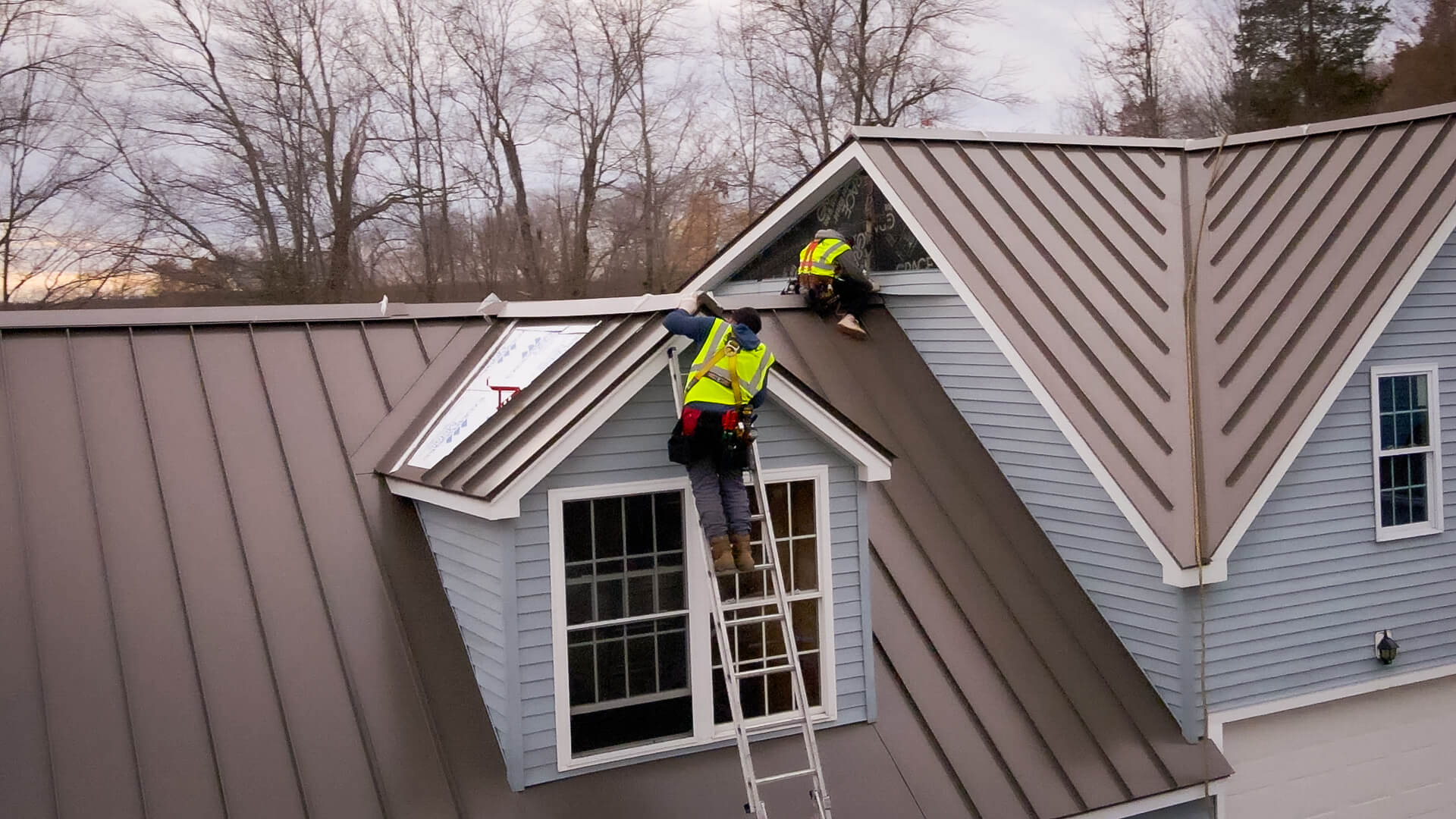
When considering a roof upgrade, it's vital to explore diverse roofing materials designed for energy efficiency. Options such as metal roofing or asphalt shingles with special cooling granules can reflect sunlight and significantly reduce heat absorption. Knowledge about these materials is just a click away on resources like Adam Quenneville's roofing materials guide. By selecting the right materials, you'll not only lower your energy bills but also contribute to a healthier environment by minimizing your carbon footprint.
Calculating Your Return on Investment
Understanding the potential financial impact of a roof upgrade for energy efficiency can be both enlightening and motivating. Online calculators can offer a glimpse into the possible cost savings, but for a more tailored analysis, consulting with professionals like those at Adam Quenneville can be invaluable. They can assess your home's specific needs and local climate factors, providing a personalized savings forecast. A worthwhile investment in your roof could lead to substantial savings over time, not to mention the added comfort and enhanced value of your home.
Step 1: Evaluate Your Current Roofing Situation
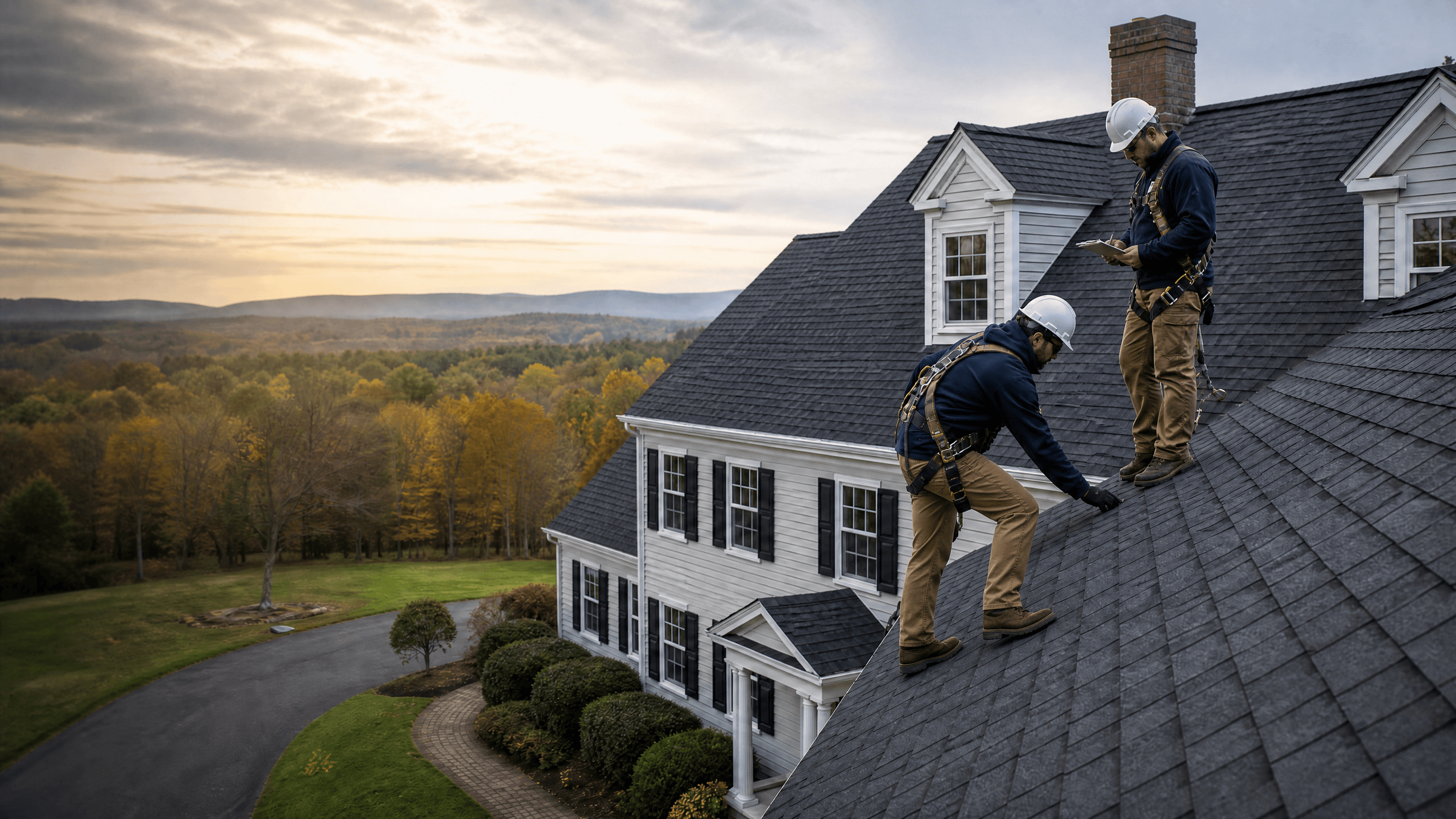
Evaluate the current state of your roof to determine the need for an upgrade. Consider factors such as age, condition, and existing energy efficiency. Look for signs of wear, like missing or broken shingles, that might indicate poor insulation and increased energy use.
Step 2: Research Energy Efficient Roofing Options
Research various roofing materials that offer higher energy efficiency, such as cool roofing, metal roofing, or shingles with reflective coatings. Understand the pros and cons of each option in terms of longevity, cost, and insulation properties for seasonal climates like those in Connecticut.
Step 3: Calculate Potential Energy Savings
Use online calculators or consult with a roofing specialist to estimate the potential energy savings you may enjoy from a roof upgrade. Factor in the insulation benefits during the hot summer months, as well as the retention of warmth during the cooler seasons.
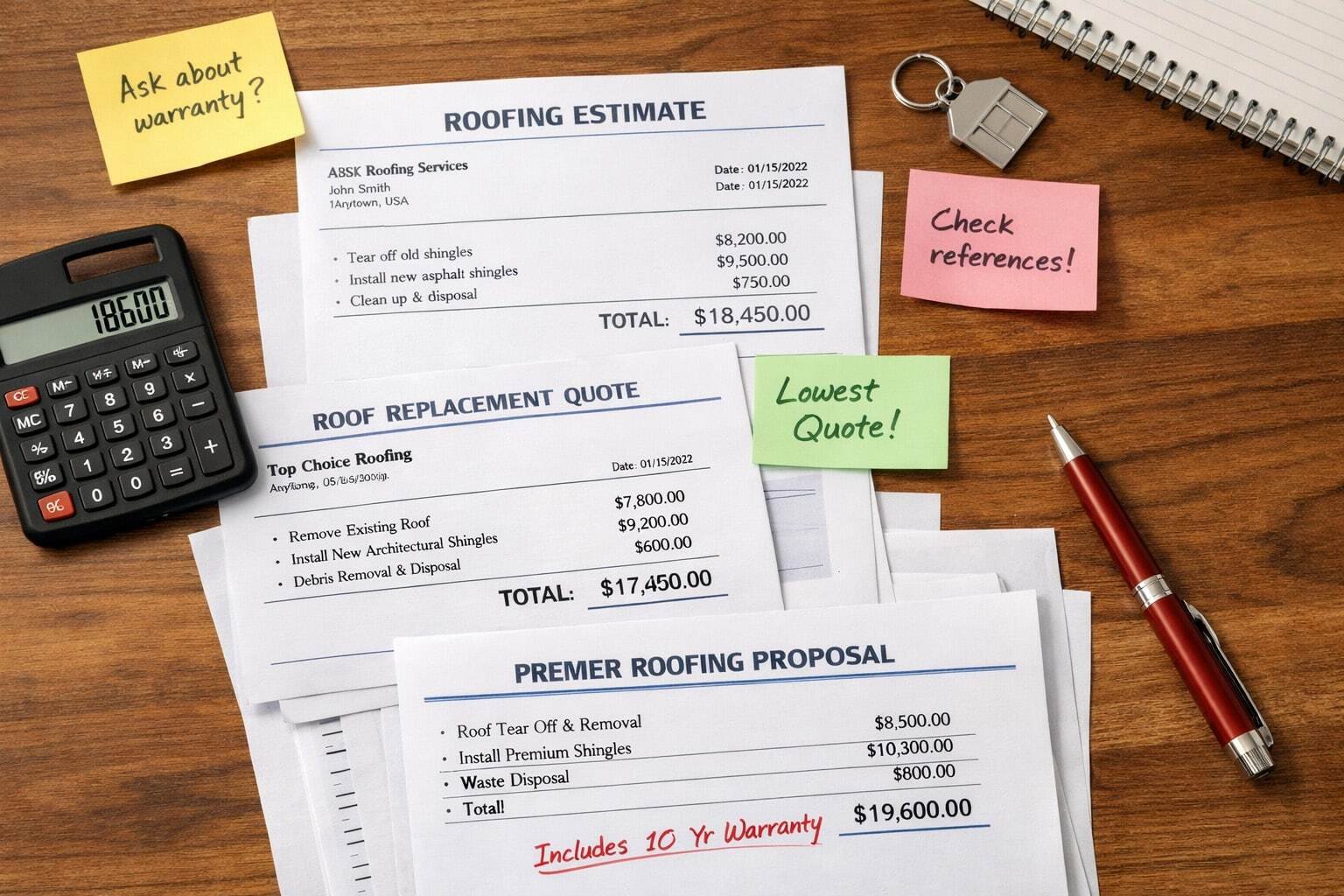
Step 4: Choose the Right Contractor
Select a reputable contractor in Connecticut with experience in installing energy-efficient roofing systems. Ensure they are licensed and insured, and check for reviews or testimonials from past customers.
Step 5: Plan Your Roof Upgrade Project
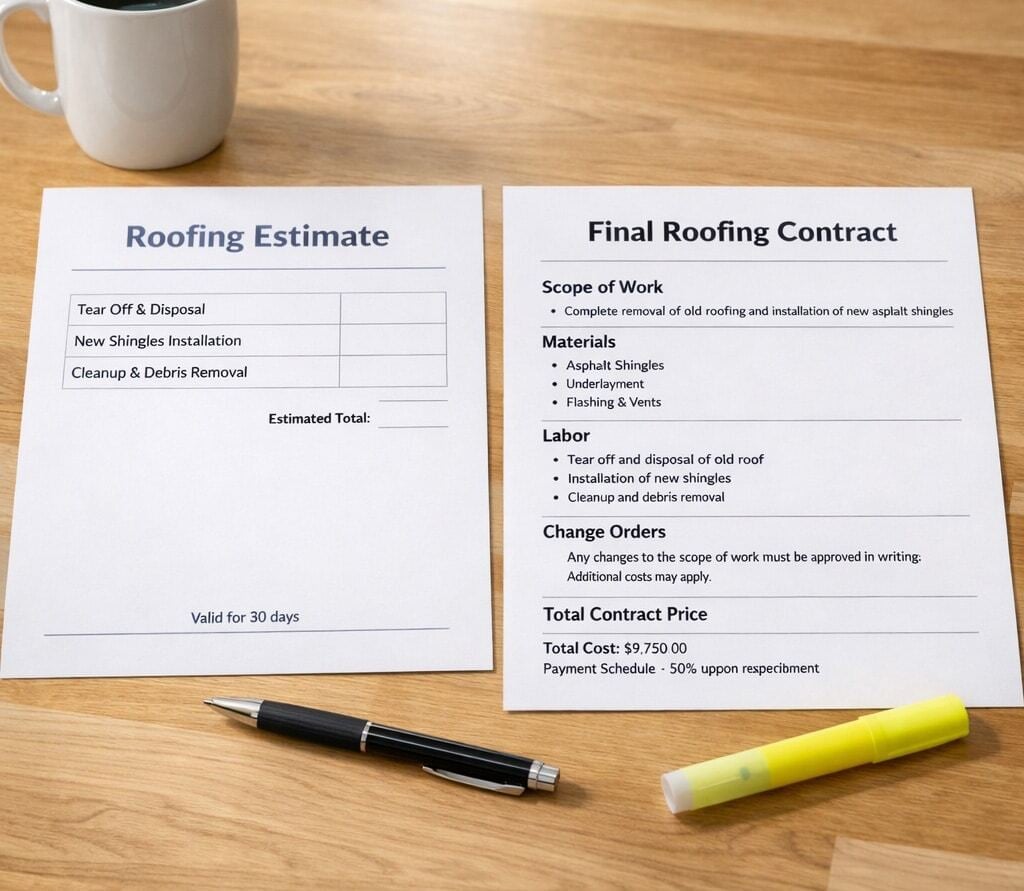
Coordinate with your chosen contractor to plan the project. This should involve discussing timelines, material options, costs, and any additional upgrades that could enhance energy efficiency, such as installing a radiant barrier or proper attic ventilation.
Step 6: Prepare for Installation
Prepare your home for the installation process. This might involve clearing the attic, removing valuable items that could be affected by construction, and ensuring the contractors have clear access to your roof.
Step 7: Upgrade Insulation if Necessary
Along with your roof upgrade, consider enhancing your home's insulation. Proper attic insulation can significantly boost the energy efficiency of your new roofing system, offering additional savings and comfort.
Step 8: Final Inspection and Maintenance Plan
After installation, have a final inspection to ensure everything is in accordance with local building codes and energy efficiency standards. Set up a maintenance plan with your contractor to protect your investment and ensure the longevity and performance of your energy-efficient roof.
Common DIY Mistakes to Avoid During a Roof Upgrade
Upgrading your roof to improve energy efficiency is a significant undertaking that requires meticulous planning and execution. Homeowners keen on DIY projects might be tempted to tackle roof upgrades independently. However, without proper knowledge and preparation, several common errors could lead to expensive, inefficient outcomes or even pose risks to your safety.
- Mistake 1: Underestimating the Project's Complexity
Many homeowners believe they can save money by managing their roof upgrades solo, only to find they are unprepared for the project's complexity. To prevent this mistake, thoroughly research all aspects of roofing before beginning and consider the immense value a professional contractor brings to handling unforeseen issues.
- Mistake 2: Choosing Low-Quality Materials
Selecting cheap materials may seem cost-effective at first, but it can affect the long-term energy savings and durability of your roof. Prioritize purchasing high-quality, energy-efficient materials that have a proven track record for performance in similar climatic conditions as Connecticut.
- Mistake 3: Ignoring Local Weather and Insulation Needs
A common pitfall is neglecting the specific insulation requirements for the seasonal extremes of Connecticut's climate. To avoid this, ensure that your material choice and installation process favor both warm and cool weather efficiency, optimizing your roof for year-round energy conservation.
- Mistake 4: Overlooking Necessary Permits and Inspections
Diving into a roofing project without the necessary permits or inspections can lead to costly fines and setbacks. Always check with local authorities regarding the permits required for roofing work, and schedule proper inspections to ensure your project complies with local building codes and efficiency standards.
Finding the Right Contractor for the Job
Choosing a qualified contractor is essential for ensuring your roof upgrade enhances your home's energy efficiency. Look for a professional with not only the necessary licenses and insurance but also a proven track record in energy-efficient installations. Selecting someone local, like Adam Quenneville Roofing & Siding, ensures familiarity with Connecticut's climate and the seasonal energy-saving opportunities it presents.
Planning and Executing Your Roof Upgrade
A streamlined process is vital for a smooth roof upgrade experience. Coordinating closely with your chosen contractor will help outline a clear plan, including project timelines and material specifics. Establishing a solid strategy before the installation begins ensures adherence to your energy-efficiency goals and budget constraints.
Morgan Bennett, Marketing Director
Morgan is the Marketing Director at Adam Quenneville Roofing & Siding, joining the team in 2024. She holds a bachelor’s degree in Marketing and Business and helps lead the company’s brand strategy, content, and customer education efforts. Morgan also plays a key role in AQ Cares, AQRS’s community outreach division, helping coordinate partnerships, volunteer initiatives, and local giving programs that support the neighborhoods we serve.
Topics: