• Discover key signs your roof may need a tune-up, including damaged shingles and clogged gutters
• Learn step-by-step how to perform a comprehensive roof tune-up, from cleaning gutters to sealing flashings
• Avoid common DIY roofing mistakes to ensure your tune-up provides lasting protection for your Maine home
Recognizing the Red Flags
As you enjoy the warm embrace of a Maine summer, it’s crucial to turn a vigilant eye towards the condition of your roof, the silent guardian of your home’s safety and comfort. Begin with a visual inspection from the ground or via a safely accessed ladder, noting any cracked, missing, or curled shingles as these are the explicit distress signals of a covering in need. Consider how these flaws, though seemingly minor, can evolve into significant vulnerabilities, allowing moisture to encroach on your cherished abode.
Water Flow Woes
As the skies deliver their summer rains, your gutters and downspouts stand as the prime defense against water’s persistent invasion. A stroll around your home’s perimeter, eyes cast upwards, will reveal if leaves, twigs, and debris are obstructing this vital drainage pathway. If water flow is impeded, it will defy its designated course, with potential to instigate an insidious siege beneath your roofing material. Vigilance here ensures water is directed away, preserving the sanctity of your domestic domain.
Environmental Encroachments
The characteristic lushness of your Maine surroundings should be a joy, not a jeopardy. It’s key to survey any branches that dare to dance too close, their seemingly tender touch able to abrade and bare the protective granules of your shingles. Similarly, beware the sly spread of moss and algae; while they claim territory atop your roof with slow stealth, they quietly compromise the materials below. A simple maintenance routine can thwart these natural adversaries, securing your home’s resilience throughout the season’s play of sun and storm.
Sealing the Shields
In the quest to maintain your roof’s fortress-like qualities, inspecting the flashings should top your list of defensive strategies. These metallic sentinels, tasked with guarding the vulnerable intersections on your roof – like chimneys, vents, and skylights – bear the brunt of weather’s onslaught and are thus prone to loosening. Embarking on a roofing tune-up means reaffirming their strength, ensuring that none stand askew, and bolstering them with fresh cement where needed. This meticulous care shields your tranquil Maine sanctuary from the capricious elements that summer skies may bestow.
Upholding the Ramparts
Roof shingles are the stalwart scales of your home’s protection, each one layered upon another to repel water’s pervasive reach. When your vigilant eye spots a rogue shingle that’s been battered or gone astray, consider it a clarion call for immediate action – be it a dab of roofing cement or a full replacement. Such diligence in repairing or replacing damaged shingles not only prolongs your roof’s life but fortifies your dwelling against future tempests. For those tasks that seem beyond the layman’s purview, Adam Quenneville’s roofing services stand ready to aid you in safeguarding your home with expert precision.
Step 1: Inspect Your Roof for Signs of Wear or Damage
Begin your roof tune-up by thoroughly inspecting for any visible signs of wear or damage. Look for cracked, missing, or curled shingles, as well as any loose material around vents, chimneys, and pipes. This step helps identify potential issues before they lead to leaks or more significant damage.
Step 2: Clean Your Gutters and Downspouts
Ensure proper roof drainage by cleaning out gutters and downspouts. Remove leaves, twigs, and debris that could impede water flow. Check for any gutter damage or misalignment that could cause water to backup under your roofing material.
Step 3: Trim Overhanging Branches
Cut back any tree limbs that brush against your roof. Overhanging branches can scrape roofing materials, dislodge granules from the surface of shingles, and contribute to the buildup of debris.
Step 4: Look for Moss and Algae Growth
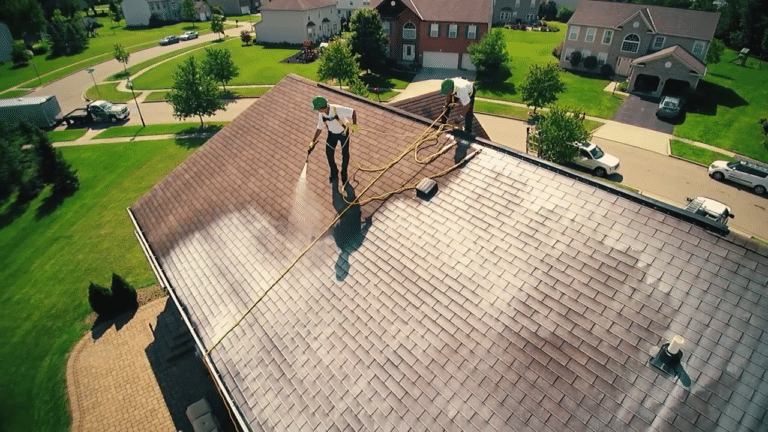
Moss and algae can damage roofing materials. Gently remove any growth with a soft-bristled brush, taking care not to damage the shingles. Consider installing zinc or copper strips to help prevent future moss and algae growth.
Step 5: Seal Flashings and Check Sealant
Examine the flashing around chimneys, vents, and skylights. These are potential leak spots. Tighten or replace any loose flashing and apply roofing cement to seal gaps and prevent water penetration.
Step 6: Repair or Replace Damaged Shingles
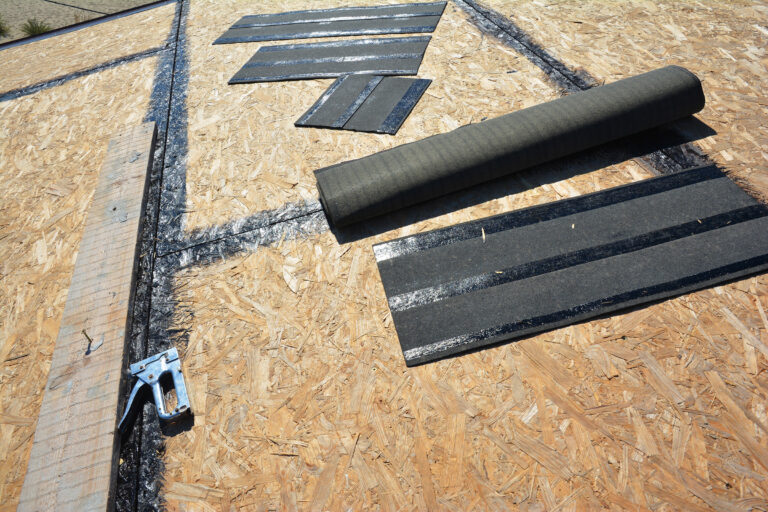
Address any damaged shingles immediately. Repair minor issues with roofing cement or replace shingles that are beyond repair to maintain your roof’s structural integrity.
Step 7: Conduct a Professional Roof Inspection
Even if you’re comfortable tackling basic roof maintenance tasks, consulting a professional roofing contractor for an in-depth inspection is recommended. They can spot less obvious issues that may require attention.
Step 8: Schedule Regular Roof Maintenance
Preventative care is key. Schedule regular roof tune-up appointments to keep your roof in top condition and extend its lifespan. Timely maintenance can prevent costly repairs and ensure your home stays protected year-round.
Steering Clear of Common Roof Tune-Up Blunders
When it comes to your roof, a sanctuary against the ever-changing Maine climate, even the smallest oversight can evolve into costly repairs. As you embark on a do-it-yourself roof tune-up, it’s essential to proceed with both caution and awareness to avoid common pitfalls. Understanding these frequent missteps can spare your abode from unwelcome damage and ensure your efforts in roof preservation are successful.
Common Mistake 1: Neglecting Safety Precautions
Overlooking safety measures can lead to serious injury or further damage to your roof. Always use a sturdy ladder, secure it properly, and wear non-slip footwear. Equip yourself with gloves and protection for your eyes when cleaning gutters or handling gritty materials.
Common Mistake 2: Improper Inspection Techniques
Failing to conduct a thorough inspection may cause you to overlook crucial signs of wear or damage. Avoid this by carefully examining not just the shingles, but also the areas around vents, chimneys, and pipes. Take the time to examine every square foot carefully, and consider using binoculars to check difficult-to-reach spots.
Common Mistake 3: Overlooking Gutter Issues
Gutters clogged with debris can result in water backup and damage to your roof and home’s foundation. Don’t make the mistake of cleaning the gutters only partially: ensure they’re completely clear and water flows smoothly. Additionally, check for any signs of gutter damage or misalignment and address these immediately.
Common Mistake 4: Inadequate Branch Trimming
Merely trimming the branches that touch your roof isn’t enough. Overhanging branches need to be cut back sufficiently to prevent them from scraping your roof or contributing to debris accumulation. Regularly inspect and manage the foliage around your home to mitigate any potential roofing harm.
Common Mistake 5: Ignoring Moss and Algae
A sporadic swipe at moss and algae won’t halt their growth. Use a soft-bristled brush to remove these growths gently but effectively, and consider preventive measures like installing metal strips. Consistent care will protect your shingles from premature deterioration.
Common Mistake 6: Using Incorrect Repair Methods
Quick fixes or improper repair techniques can lead to bigger problems down the line. When addressing damaged or missing shingles, use the correct materials and methods to ensure lasting repairs. Steer clear of temporary solutions and invest in quality repairs for sustained protection.
Common Mistake 7: Skipping Professional Inspections
While DIY efforts are commendable, there’s no substitute for professional expertise—especially in identifying less obvious roofing issues. Schedule regular roof evaluations by a licensed professional to catch problems early and gain informed advice on maintaining your roof.
Common Mistake 8: Irregular Maintenance Scheduling
Inconsistent maintenance can lead to accelerated roof wear and undetected issues. Establish a routine schedule for your roofing tune-ups, and adhere to it diligently to extend your roof’s lifespan and preempt major repairs. Regular maintenance is a cornerstone of resilient roofing strategy.
Professional Insight for Peak Performance
Even with the most meticulous homeowners, certain roofing complications can slide under the radar, demanding a trained eye to uncover them. Enlisting a professional roofer for an in-depth roof inspection is a prudent move, enhancing your peace of mind that the rooftop over your head is as resilient as it can be. Adam Quenneville’s expertise in this field ensures an exhaustive examination that can pinpoint areas needing attention before they escalate into extensive concerns.
The Blueprint for Enduring Protection
Consistent roof maintenance is the blueprint to ensuring a lasting defense against Maine’s dynamic seasons. Scheduling routine check-ups can spot potential issues early on, enabling proactive interventions that preserve the integrity and longevity of your roof. Look no further than Adam Quenneville’s seasonal maintenance plans for professional care that syncs perfectly with your home’s needs, found easily at wordpress-984317-5678913.cloudwaysapps.com/services/gutters/.