
• Learn vital signs of roof leaks and immediate action steps
• Follow a detailed guide to repair roof leaks like a pro
• Understand common DIY mistakes and how to avoid them
Recognizing the Telltale Signs of a Roof Leak
Roof leaks can be silent foes, causing damage stealthily and often going unnoticed until significant damage has already occurred. Before embarking on any repair journey, it’s important to recognize the symptoms of a leaky roof during Vermont’s balmy summer. Dark, watery stains on your ceilings are often the most conspicuous red flags, urgently hinting at the potential damage lurking overhead. As soon as such blemishes appear, it’s a race against time to pinpoint the leak source and avert further interior havoc.
Inside Signs That You Shouldn’t Ignore
Dampness in the attic, another silent whistleblower, can lead to mold problems and structural decay if overlooked. To get a clear picture of what you’re up against, a thorough inspection—best done safely during daylight—with a flashlight might reveal water trails leading to the elusive breach. These spots might manifest as dreary streaks or a more disturbing growth of mold, both indicators of moisture’s destructive march. Finding these invasive trails early is critical to halting their advance and preserving the integrity of your sanctuary’s roofing.
External Examination for Peace of Mind
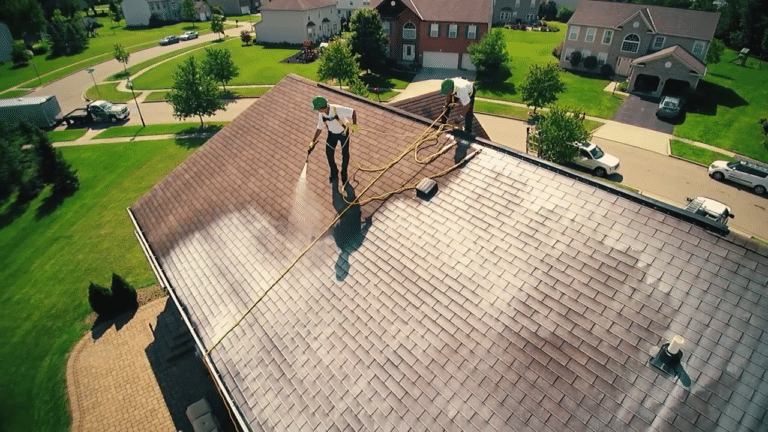
Moving outdoors, an appraisal of your roof’s shingles or tiles could unveil clues of their combat against harsh weather. Missing or cracked shingles are glaring signs of your roof’s cry for help; a silent plea for immediate intervention as these breaches are the ingress points for water. Surveying your roof might also expose lifting or buckling shingles, a clear indication the roof underlayment is compromised and vulnerable to water intrusion. Attending to these external warnings with agility spares you from the future distress of an internal deluge.
Remember, the earlier you catch these symptoms of a potential roof leak, the simpler your remedial steps will be. Continual vigilance and timely action are your best defense against the gradual but relentless assault of water intrusion.
Step-by-Step Guide to Quick Fixes
Even the most durable roofs can falter under the relentless Vermont summer storms, but knowing how to apply a temporary fix can save you from the stress of escalating issues. When you spot a minor leak, act swiftly with a roofing sealant to seal the small breaches that allow water to seep through. Generously coat the underside of the affected shingle and press firmly to ensure a strong seal, giving yourself peace of mind until a thorough inspection and repair can be carried out. It’s a simple yet effective barrier against the elements, buying you time and maintaining your home’s protective shield.
Lasting Repairs to Keep Your Home Dry
In cases where damage is already done, don’t fret—replacing a damaged shingle is more straightforward than you might think. After removing the compromised piece, a new, robust shingle takes its place, like a guardian sealing off the elements from your cherished abode. Ensuring proper alignment and sealing it down creates a watertight barricade against future incursions. Initiating these repairs promptly, or considering professional residential roofing services, is invaluable in defending against the unpredictability of summer weather.
Step 1: Identify the Source of the Leak
Check for roof leaks by looking for water stains on your ceiling, particularly after heavy rain. Inspect the attic for damp rafters or leaks. Use a flashlight to search for water marks, mold, or black marks.
Step 2: Inspect Roof Shingles or Tiles
Carefully examine the exterior of your roof. Look for missing, damaged, or aged shingles or tiles, which can indicate the leak’s location.
Step 3: Seal Small Leaks
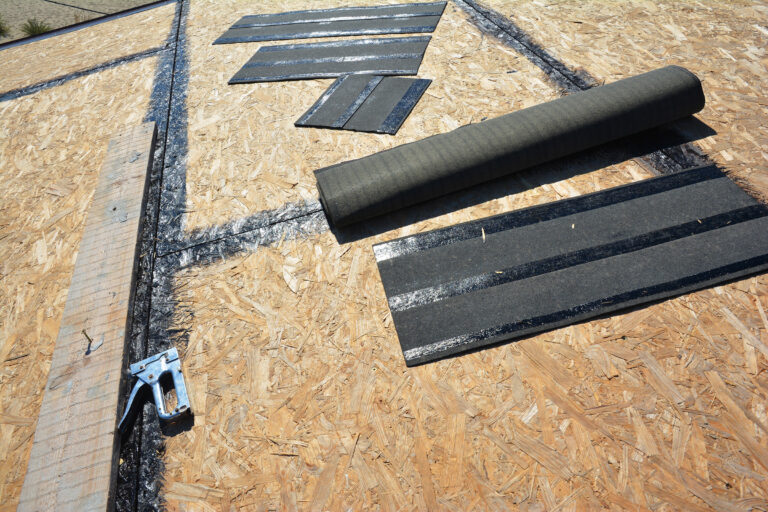
For minor leaks, apply a generous amount of roofing sealant under the cracked or lifted shingles. Press down to ensure it’s sealed properly.
Step 4: Replace Damaged Shingles or Tiles
If shingles or tiles are beyond repair, remove them and replace them with new ones. Make sure to install them correctly and seal them in place.
Step 5: Check and Repair Roof Flashing
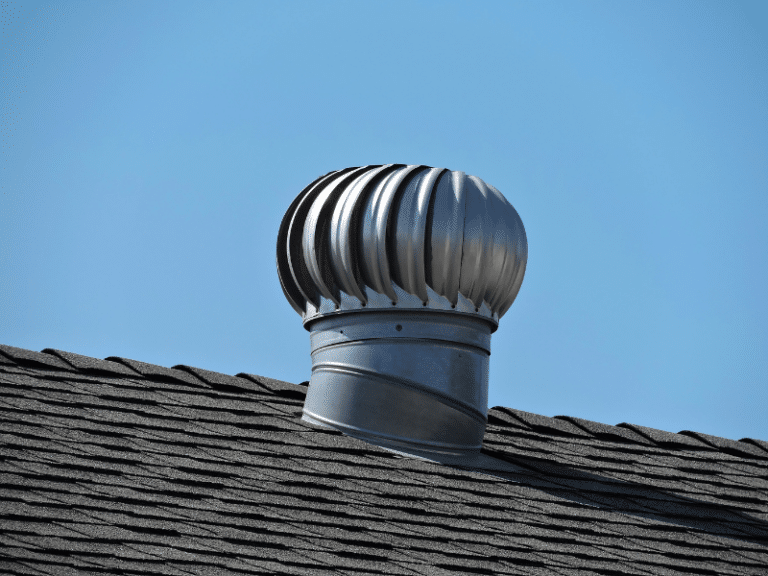
Inspect the metal flashing around chimneys, vents, and skylights for gaps or rust. Seal any seams with roofing cement and replace corroded or broken pieces.
Step 6: Clear Gutters and Downspouts
Ensure that your gutters and downspouts are free of debris so that water can flow away from your roof, reducing the risk of leaks.
Step 7: Waterproof with Roofing Tar
Patch larger areas with a piece of shingle or plywood, coated with a layer of roofing tar. Apply a covering of tar before and after you place the patch.
Step 8: Schedule Regular Roof Maintenance
Regularly check and maintain your roof to prevent leaks. Have a professional inspect your roof annually, particularly before the winter or rainy season starts.
Avoid These Common DIY Roof Repair Mistakes
When taking on roof repairs, the desire to resolve issues quickly can lead to oversights that may cause more harm than good. Familiarizing yourself with common blunders made during DIY roof fixes is crucial for effective and lasting repairs. Knowing what errors to avoid ensures a safer experience and protects your home from potential further damage.
– Mistake 1: Ignoring Safety Precautions
Climbing onto a roof without proper safety gear or a clear plan can lead to accidents. Always use a secure ladder, wear non-slip shoes, and consider using a safety harness to prevent falls.
– Mistake 2: Poor Leak Identification
A hasty conclusion about the leak source often results in ineffective repairs. Take time to thoroughly inspect both the interior water stains and the roof exterior to ensure you’re addressing the correct area.
– Mistake 3: Inadequate Sealing Technique
Simply dabbing sealant on a leak without proper preparation won’t create a durable seal. Clean and dry the application area first, then apply enough sealant to fully cover and penetrate the damaged spot.
– Mistake 4: Using Mismatched Shingles or Tiles
Replacing damaged shingles or tiles with ones that don’t match can compromise your roof’s integrity and aesthetic. Source the correct materials for a seamless repair that maintains the roof’s condition and appearance.
– Mistake 5: Overlooking Flashing Repairs
Flashing is pivotal in waterproofing your roof, yet it’s often neglected during DIY repairs. Regularly check and maintain all flashing, replacing any corroded or broken sections without delay.
– Mistake 6: Letting Gutters Go Uncleaned
Clogged gutters can cause water to back up and seep under your shingles, exacerbating leaks. Clear out leaves and debris regularly, especially after storms, to facilitate proper drainage.
– Mistake 7: Applying Too Much or Too Little Roofing Tar
When waterproofing with roofing tar, balance is key. Too much tar can add unnecessary weight and potentially lead to sagging, while too little won’t adequately cover the repair area.
– Mistake 8: Skimping on Regular Maintenance
Postponing or ignoring regular inspections and upkeep can turn minor issues into costly repairs. Adhere to a regular maintenance schedule, especially in the lead-up to Vermont’s harsh winter months.
Avoiding these common pitfalls is essential for the longevity of your repairs and the well-being of your roof. Take your time to address each problem carefully, or seek professional assistance for the best outcome.
Importance of Roof Flashing and Maintenance
Roof flashing is often an unsung hero, quietly protecting the most vulnerable parts of your roof from water intrusion. It’s vital to conduct a thorough inspection of flashing around chimneys, vents, and skylights, as these are common leak sites. Should you find any gaps or signs of rust, applying roofing cement can seal and safeguard these critical joints from the rigors of summer storms in Vermont.
Proactive Gutter Care for a Healthy Roof
A crucial but easily overlooked part of home maintenance is ensuring that your gutters are clear and functional. Debris in gutters can impede water flow, forcing water back onto the roof and increasing the risk of leaks. Regular cleaning of your gutters, coupled with an inspection by professionals from quality gutter services, can prevent such issues and prolong the life of your roofing system.