Roof Claim Essentials: Navigating Insurance Processes Easily
May 6th, 2025
4 min read
Expert Tips to Maneuver the Roof Claim Maze
When facing a series of insurance protocols, sensible action is your strategic advantage. It’s about being preemptive—addressing small roof issues before they escalate into costlier damage that necessitates complex claims. Regular inspections by professionals can mark out potential weaknesses, offering a chance to repair before the elements do their worst. This not only safeguards your home but streamlines any necessary future claims, backed by consistent maintenance records. Being proactive demonstrates responsibility, which insurance companies respect and may equate to easier claims negotiations.
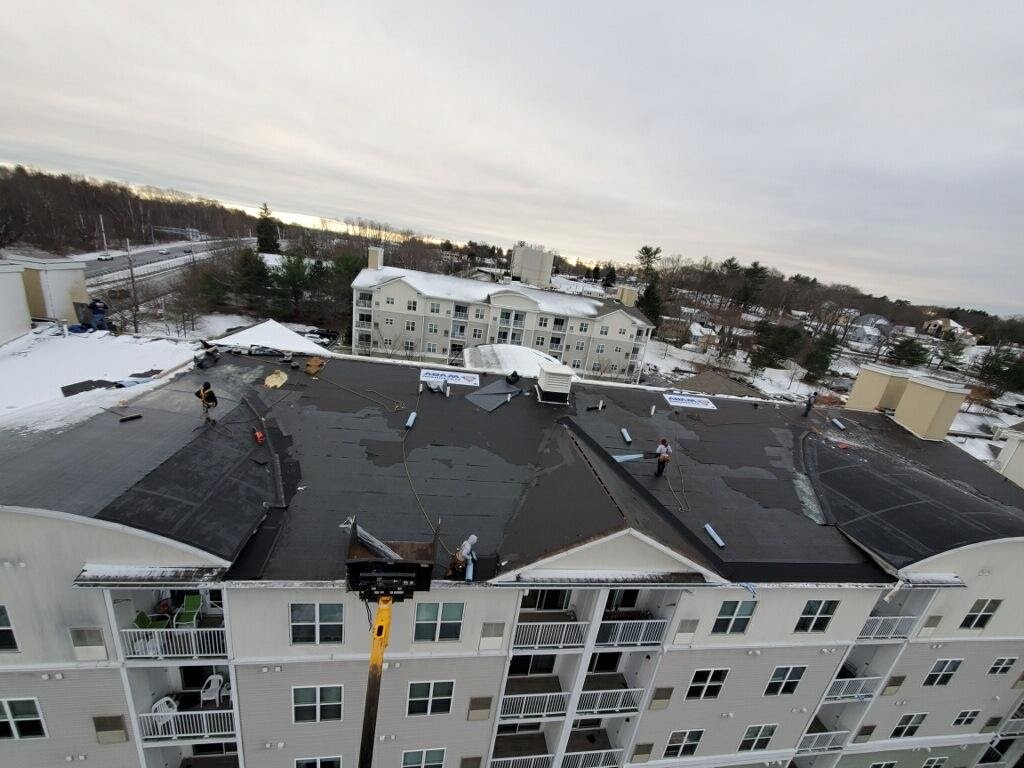
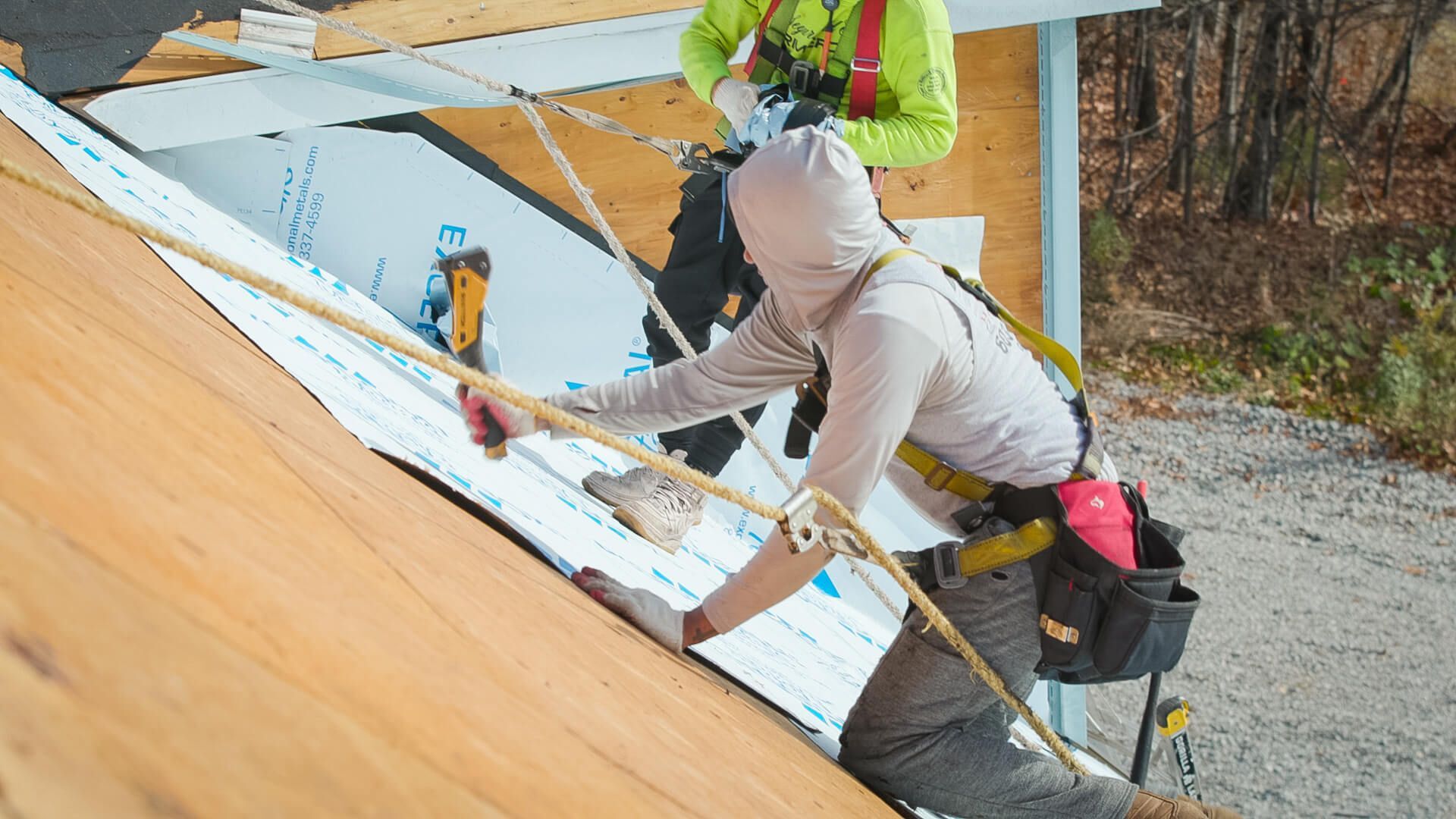
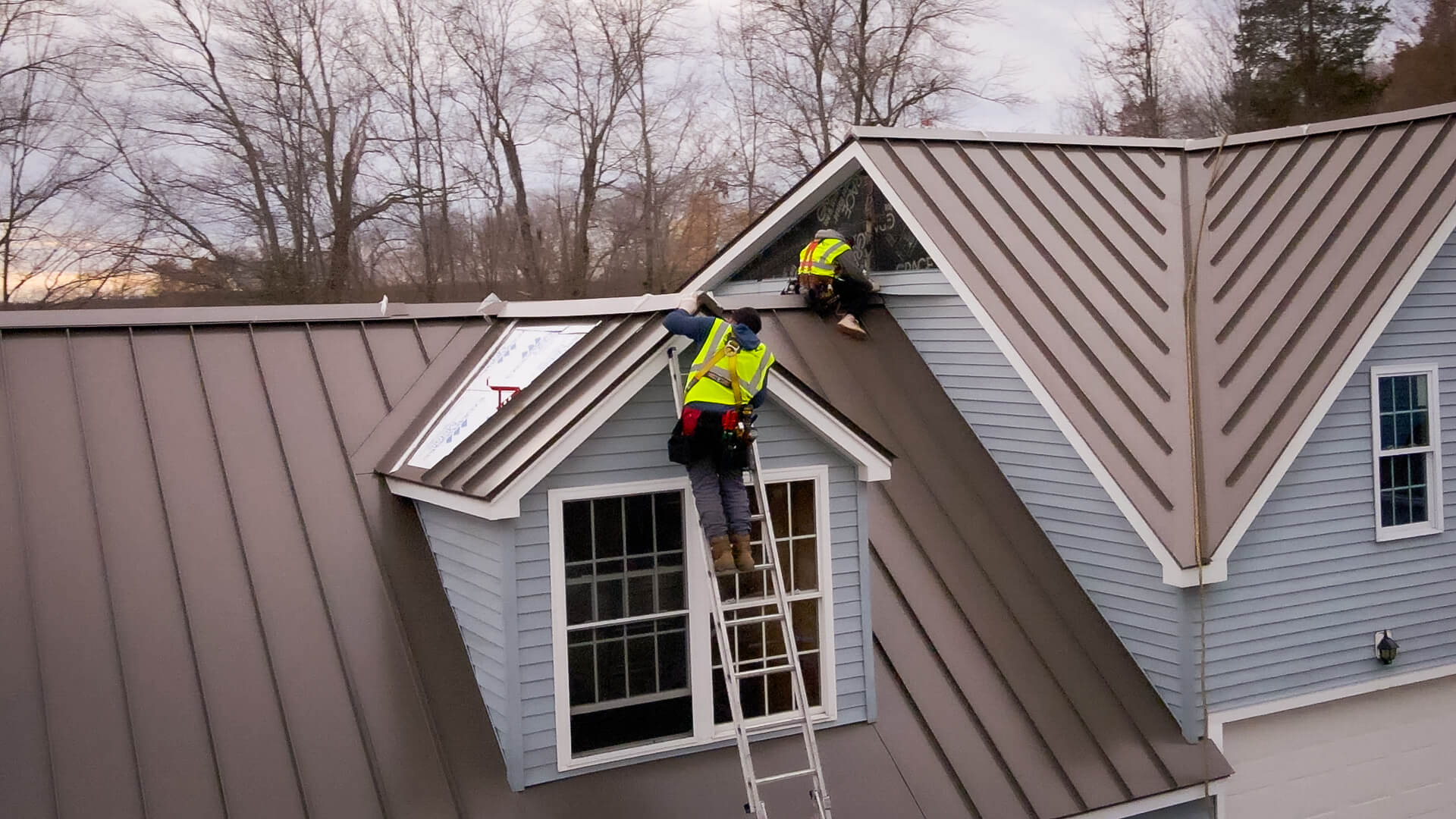
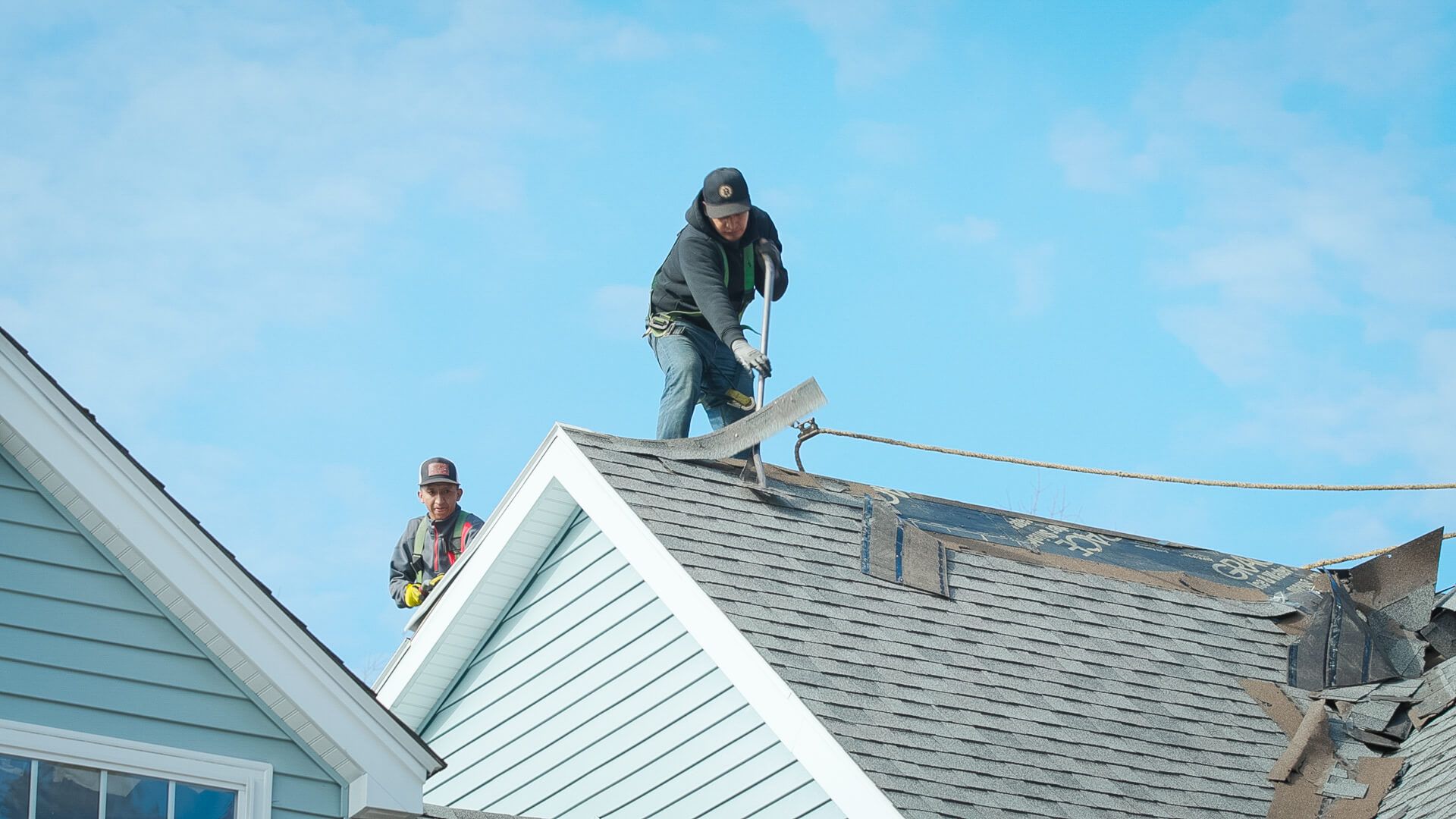
In dealing with the aftermath of a roof disaster, the right professional help can distinguish between a smooth claim process and one filled with roadblocks. Engaging with reputable contractors who offer detailed assessments aligns with insurance expectations for accuracy in claims. They become your advocates, articulating the extent of the damage in the language insurers understand. Additionally, their expertise means they can spot damage you might have missed, ensuring your claim is comprehensive. By choosing a provider like Adam Quenneville's residential roofing, you align with trusted expertise.
Finalizing your claim, recognize that perseverance and attention to detail underpin success. Keep abreast of the process, verifying each stage with your insurer and confirming that necessary documentation is complete and submitted. Request regular updates to remain informed of your claim’s status, prompting action where needed. Sustained engagement with your insurer signifies your continued interest in a fair and just resolution. Navigating your roof claim to a successful outcome underscores your inherent strength as an informed homeowner, full circle from the urgency that shaped your initial steps.
Navigating The Intricacies Of A Roof Claim
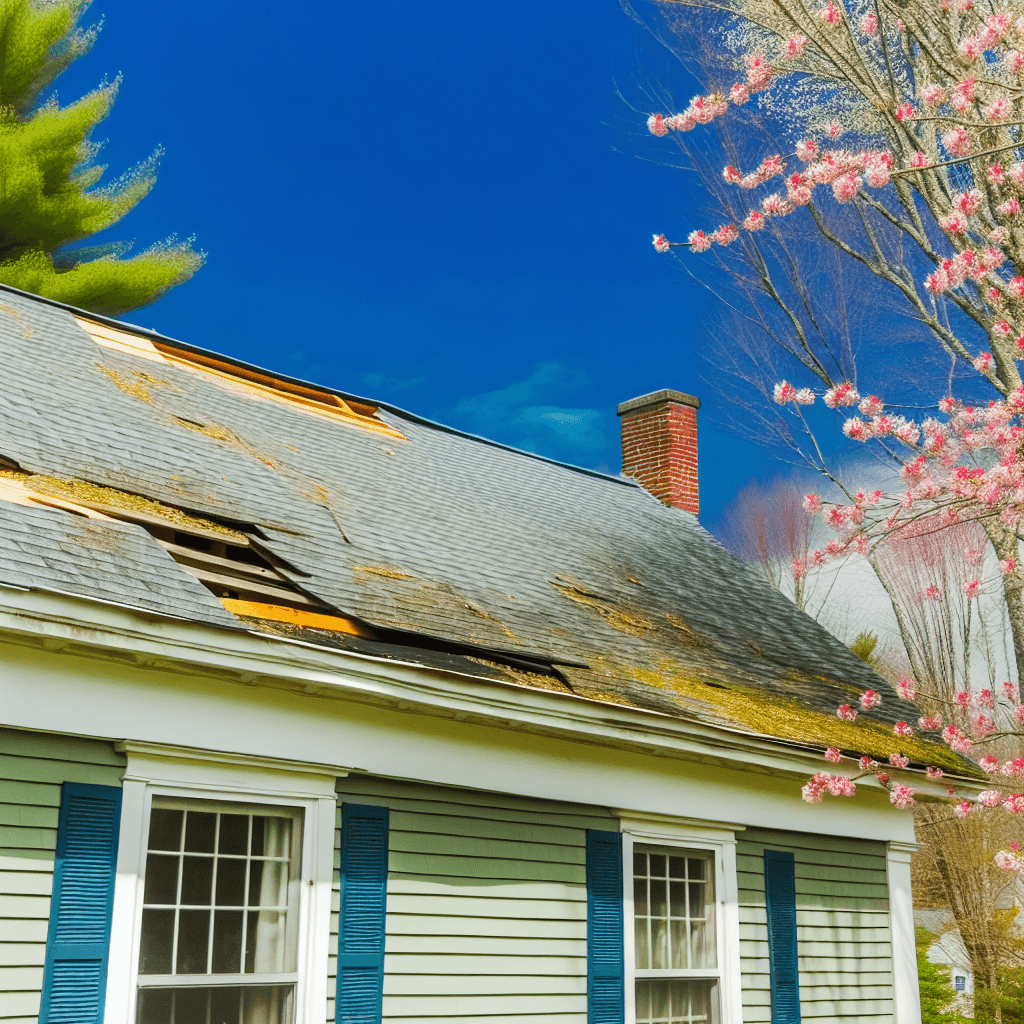
When disaster strikes and your home's roof is compromised, the pressure to act swiftly can be intense. **New Hampshire's spring** can be unpredictable, where stormy weather often leaves homeowners grappling with roof damage. Understanding your roof claim's importance is paramount—not only for the integrity of your shelter but to ensure financial stability during such unforeseen events. Taking immediate steps not only mitigates the damage but can significantly influence the success of your insurance claim. The goal is to reinforce your roof's safeguarding role against the elements while protecting your investment.
The first hurdle many encounter is recognizing the diversified forms of roof damage and their consequential severity. Observing signs like missing shingles, water stains on your ceilings, or granules in your gutters are clear indicators that your roof needs attention. Yet, it's not just about spotting the signs; it's about understanding what they foretell for the health of your house. It's this insight that shapes a roof claim's foundation, moving you towards recovery. It is essential to gather documentation and evidence promptly, framing your claim's narrative with photos and detailed descriptions.
Concluding the introductory phase, it’s crucial to underscore the need for clarity and confidence when approaching your roof claim. Distilling the storm of concerns and questions swirling in your mind post-damage, this blog serves as your compass through the territory of insurance claims. With the forthcoming detailed guidance, homeowners will wield the knowledge to make informed decisions, advocate for their interests, and sail towards a restored home. This article doesn't just offer facts; it builds the foundation for your empowerment. It’s the peace of mind and **control** that comes with understanding the nuances of your roof claim that we will elaborate on in the next sections.
Expert Tips to Maneuver the Roof Claim Maze
When facing a series of insurance protocols, sensible action is your strategic advantage. It’s about being preemptive—addressing small roof issues before they escalate into costlier damage that necessitates complex claims. Regular inspections by professionals can mark out potential weaknesses, offering a chance to repair before the elements do their worst. This not only safeguards your home but streamlines any necessary future claims, backed by consistent maintenance records. Being proactive demonstrates responsibility, which insurance companies respect and may equate to easier claims negotiations.
In dealing with the aftermath of a roof disaster, the right professional help can distinguish between a smooth claim process and one filled with roadblocks. Engaging with reputable contractors who offer detailed assessments aligns with insurance expectations for accuracy in claims. They become your advocates, articulating the extent of the damage in the language insurers understand. Additionally, their expertise means they can spot damage you might have missed, ensuring your claim is comprehensive. By choosing a provider like Adam Quenneville's residential roofing, you align with trusted expertise.
Finalizing your claim, recognize that perseverance and attention to detail underpin success. Keep abreast of the process, verifying each stage with your insurer and confirming that necessary documentation is complete and submitted. Request regular updates to remain informed of your claim’s status, prompting action where needed. Sustained engagement with your insurer signifies your continued interest in a fair and just resolution. Navigating your roof claim to a successful outcome underscores your inherent strength as an informed homeowner, full circle from the urgency that shaped your initial steps.
Insider's Guide to Roof Claim Success
Tip 1:
Take photos of your roof as soon as you notice any damage. This visual evidence is invaluable when you file your claim, providing clear documentation of the damage's extent and timeline.
Tip 2:
Always review your insurance policy thoroughly so you're familiar with what's covered. Understanding your policy can prevent surprises and help you confidently navigate the claims process.
Tip 3:
Don't delay in contacting your insurer; timeliness is key. Reporting the damage as soon as possible can expedite the claims process and get repairs started sooner.
Tip 4:
Keep a record of all communications with your insurance company. Documenting calls, emails, and meetings can help you keep track of the claims process and any commitments or instructions given.
Tip 5:
Consider consulting with a professional roofing contractor. They can provide a detailed report that can support your claim, ensuring you get a fair assessment and compensation for repairs.
Expert Answers to Top Roof Claim Queries
How Can I Identify Roof Damage That Requires Filing a Claim?
Look for missing shingles, leaks, water spots on ceilings, or granules in the gutters. These indications often necessitate a claim to address potentially serious damage that could worsen if left unchecked.
What Steps Are Involved in the Roof Claim Process?
Typically, the process includes documenting the damage, contacting your insurance company, working with an adjuster, and arranging repairs once the claim is approved.
How Long Does It Typically Take to Settle a Roof Insurance Claim?
While the duration can vary, most standard claims are settled within a few weeks to a couple of months, provided no complications arise.
Can I Perform Emergency Roof Repairs Before the Insurance Adjuster's Visit?
Yes, you can perform temporary emergency repairs to mitigate further damage, but keep receipts and document everything for full reimbursement.
What Are the Most Common Reasons for Roof Claim Denials?
Claims often get denied due to lack of coverage, improper maintenance, or filing too late. Ensuring that your policy is well-understood and adhering to its terms can reduce the risk of denial.
Morgan Bennett, Marketing Director
Morgan is the Marketing Director at Adam Quenneville Roofing & Siding, joining the team in 2024. She holds a bachelor’s degree in Marketing and Business and helps lead the company’s brand strategy, content, and customer education efforts. Morgan also plays a key role in AQ Cares, AQRS’s community outreach division, helping coordinate partnerships, volunteer initiatives, and local giving programs that support the neighborhoods we serve.
Topics: