How To Prepare Your Roof For The Upcoming Hurricane Season
August 14th, 2025
4 min read
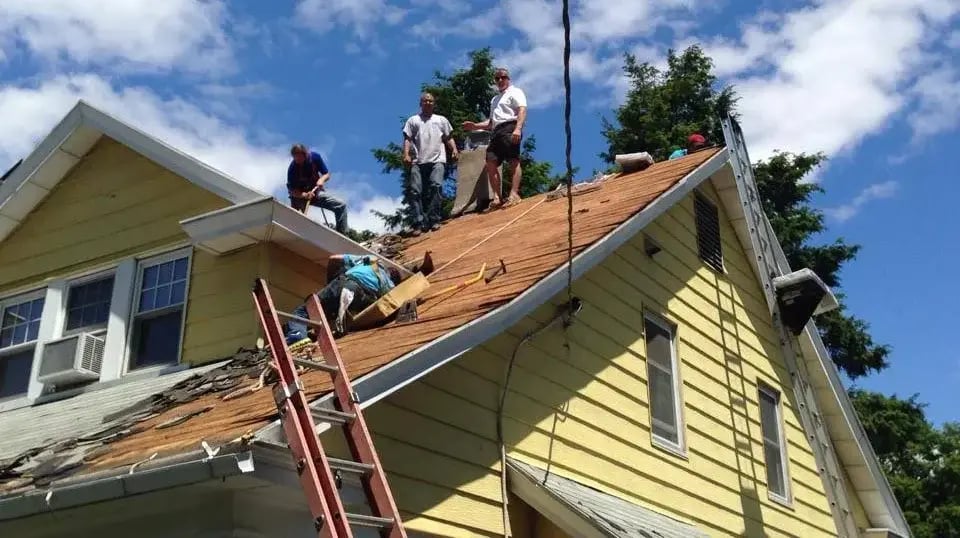
• Professional roof inspections pinpoint vulnerabilities before a hurricane strikes
• Key DIY tips: clear gutters, trim trees, secure loose objects, and reinforce your roof
• Common mistakes to avoid include neglecting inspections and delaying repairs
Recognizing the Warning Signs
As the warm air of summer in Maine gives way to the brewing storms at sea, the integrity of your roof should be at the forefront of your priorities. A roof that's ill-prepared for hurricane season is not just a liability but a potential disaster. Missing shingles, a tell-tale crest of balding patches on your roof, suggest that your home is vulnerable to the merest gusts, let alone a hurricane. It’s not just about aesthetics; it's about preventing the elements from turning a small problem into a full-blown calamity.
Next, be vigilant for signs of water damage or leaks inside your home. Stains or discoloration on your ceilings and walls are often the earliest indicators of a compromised rooftop. These moisture markers can unveil a story of a roof struggling under the weight of past storms, setting the stage for potential failure when tested by nature's fury. A roof in good shape should show no such signs; if it does, attention is paramount.
In preparing your roof for hurricane season, don’t overlook your gutters - they play a pivotal role. Clogged or damaged gutters can create more than just the inconvenience of a drip; they are essential in channeling stormwater away from your house. When gutters overflow, the water has to go somewhere, and it often finds its way under your shingles or siding, creating the perfect environment for rot and mold. Ensuring they’re clear and secure is a crucial step that cannot be bypassed.
A Proactive Approach to Roof Readiness
As residents of Maine, where the weather can turn on a dime, it's imperative that homeowners adopt a proactive stance when it comes to roof maintenance. Begin this journey of preparedness by securing a thorough roof assessment from trusted professionals such as those at Adam Quenneville. Such preemptive action informs you not only of immediate repairs but also of enhancements that bolster your roof's resilience. This strategic move can transform a potential nightmare into a story of steadfast endurance against the tempest.
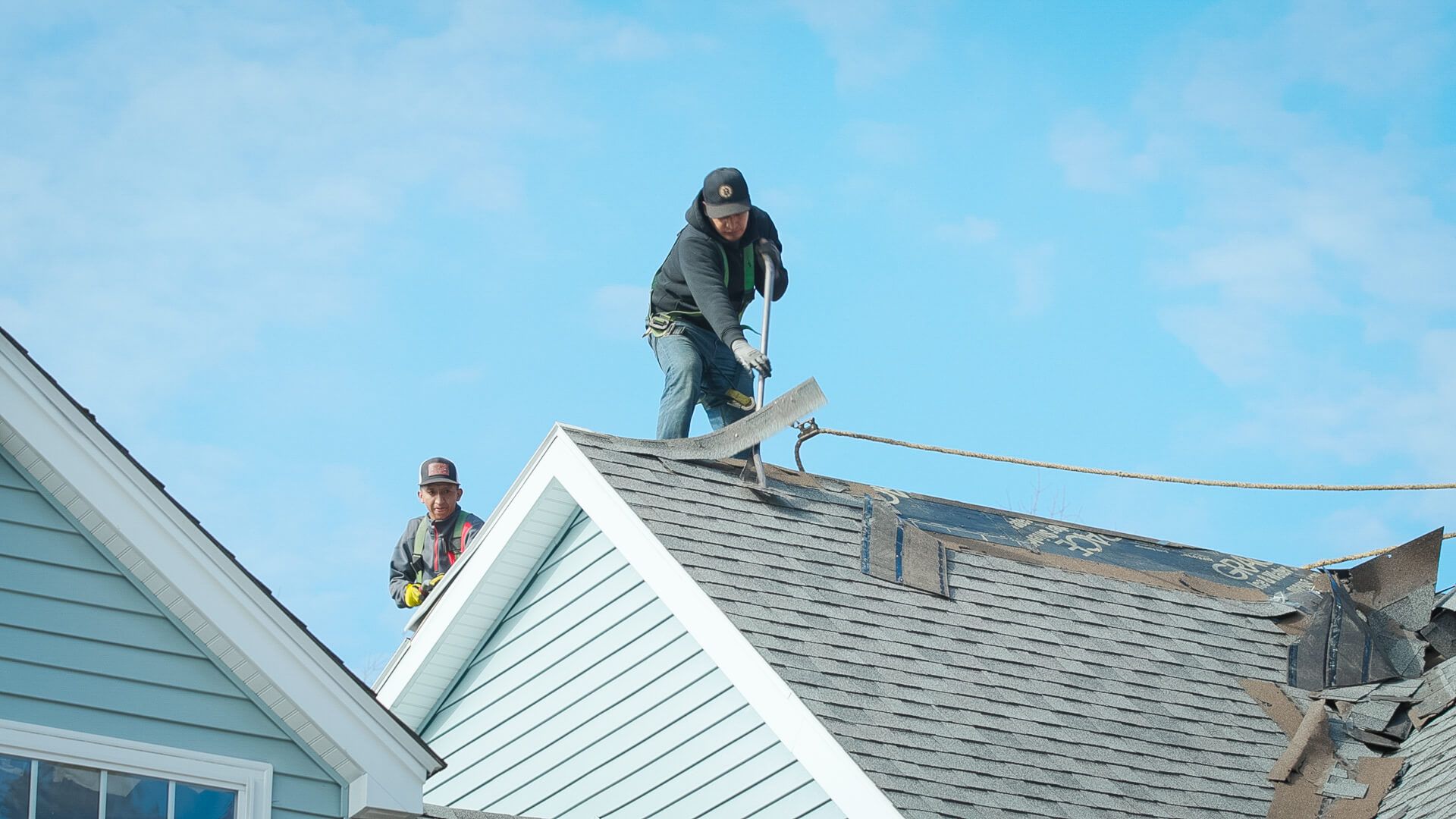
Beyond expert evaluations, homeowners have a crucial role to play as well. Regularly inspecting your roof for loose, cracked, or curled shingles can avert the escalation of minor roofing issues into major hurricane vulnerabilities. Attending to any signs of wear immediately, particularly before the hurricane season peaks, is critical. Quick fixes now can mean the difference between a roof that weathers the storm and one that succumbs to the thrashing winds and rainfall.
Step 1: Schedule a Professional Roof Inspection
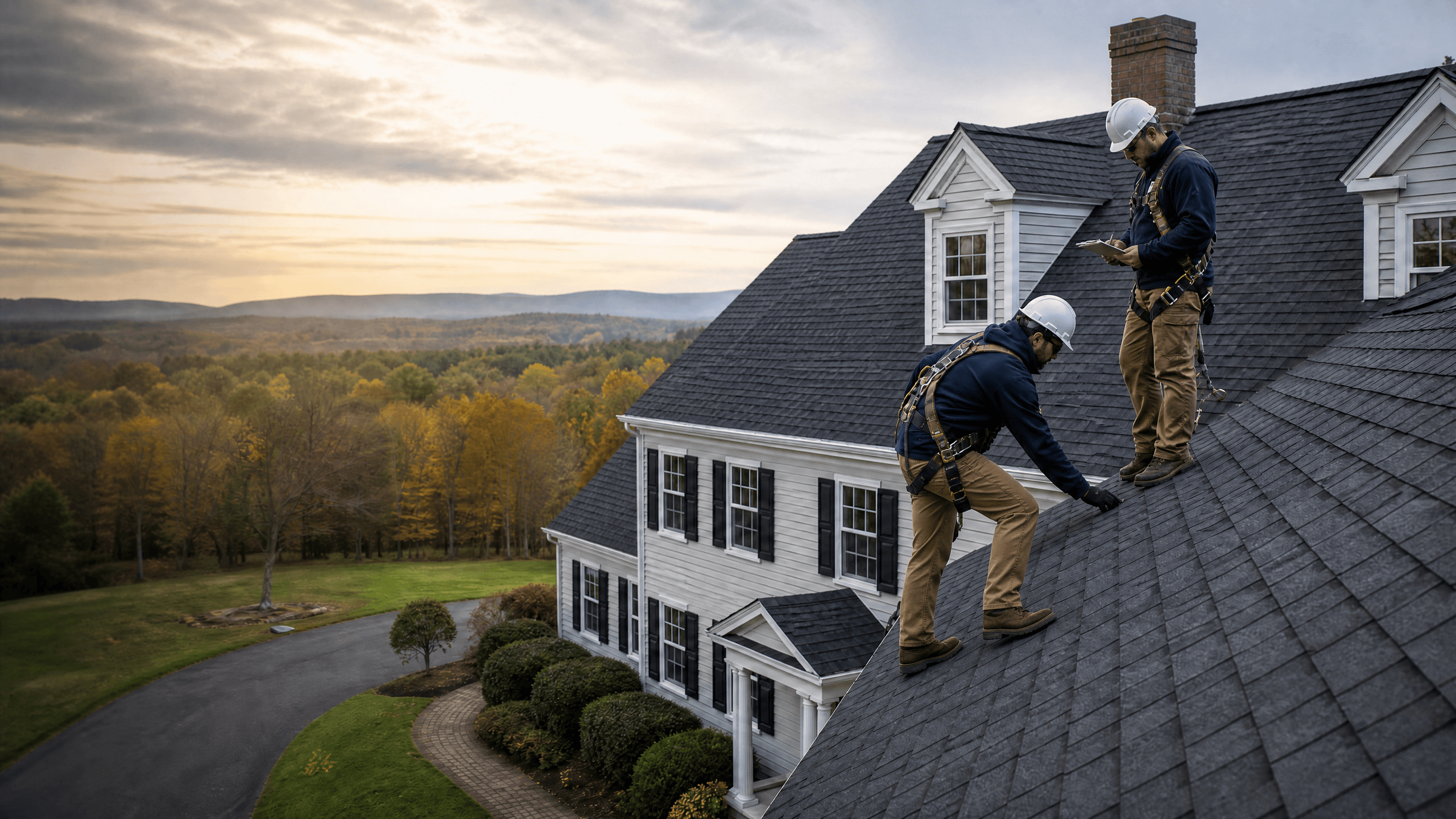
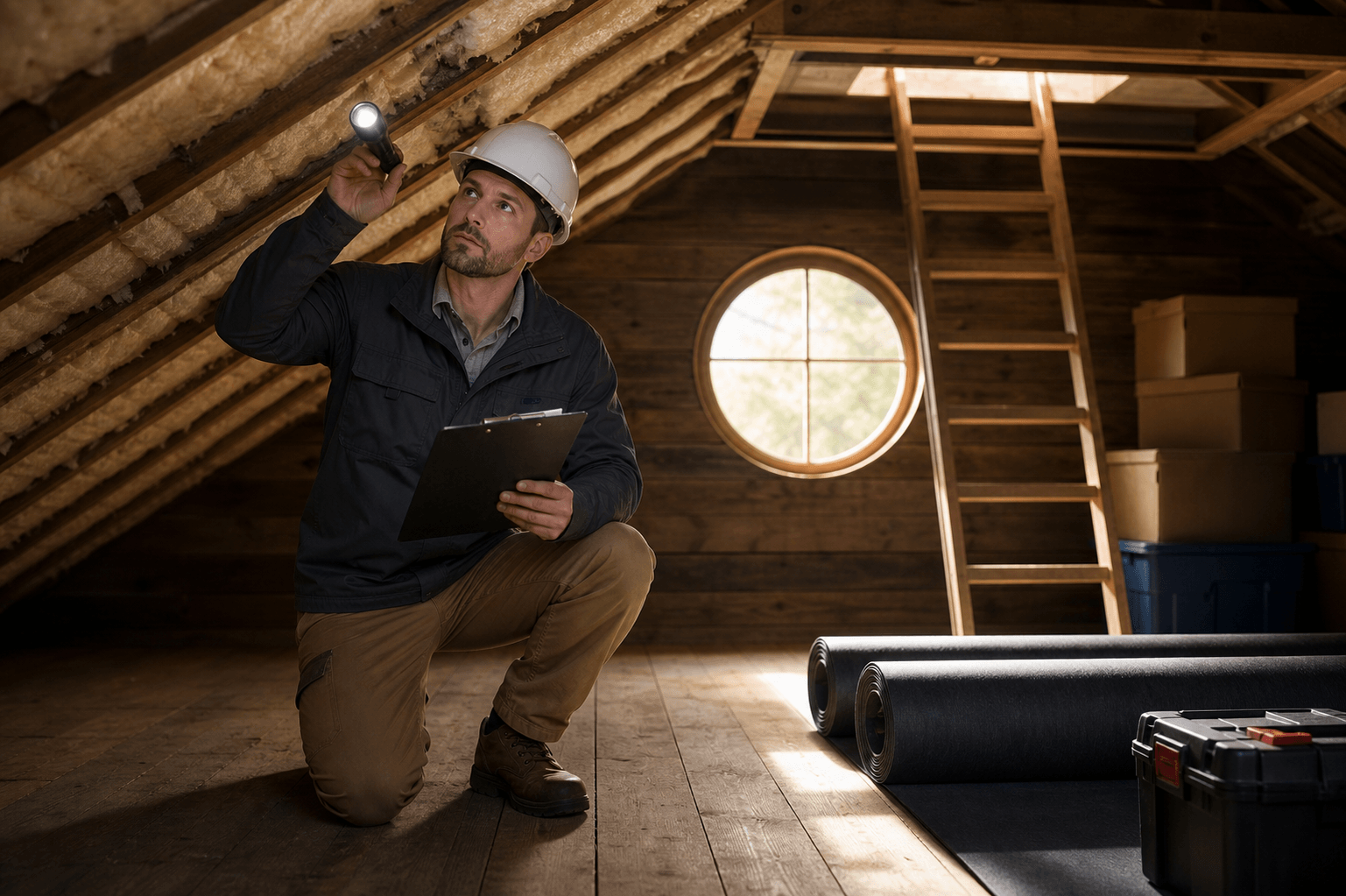
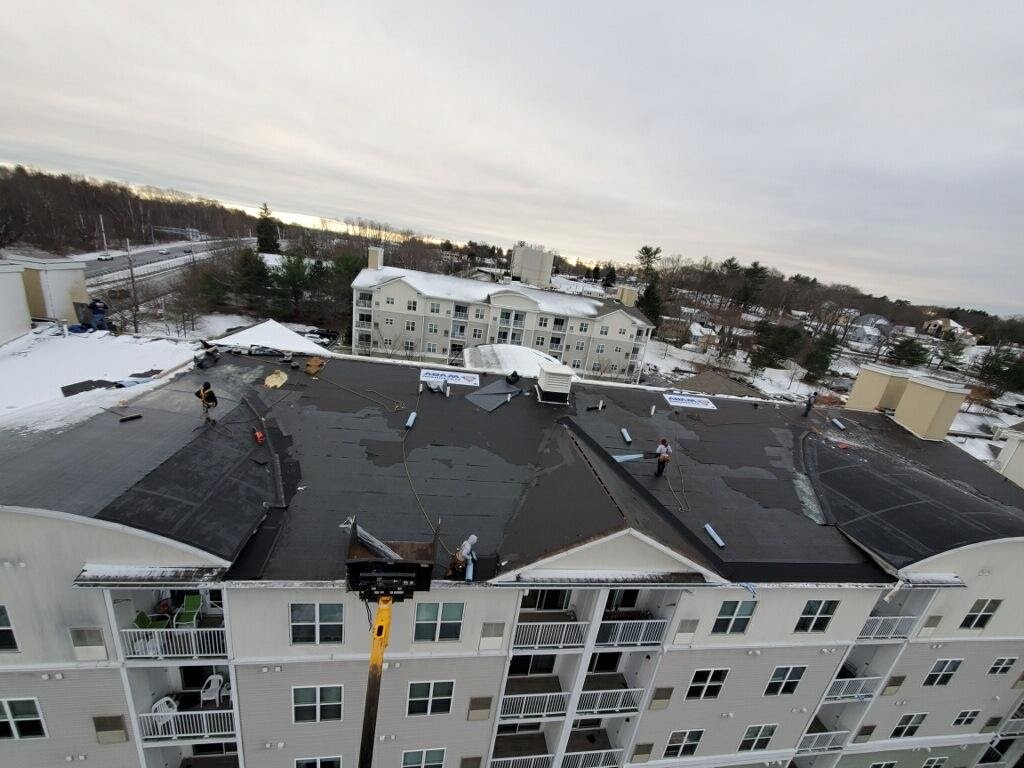
Prioritize safety when preparing your roof for hurricane season. Begin with a comprehensive roof inspection by qualified experts to identify potential vulnerabilities.
Step 2: Clear Gutters and Downspouts
Ensure your roof’s drainage system is unobstructed. Clearing debris from gutters and downspouts helps prevent water damage during heavy rains.
Step 3: Trim Trees and Secure Loose Objects
Remove overhanging branches and secure loose objects in your yard to reduce the risk of damage from high winds tossing debris onto your roof.
Step 4: Check for Roof Damage
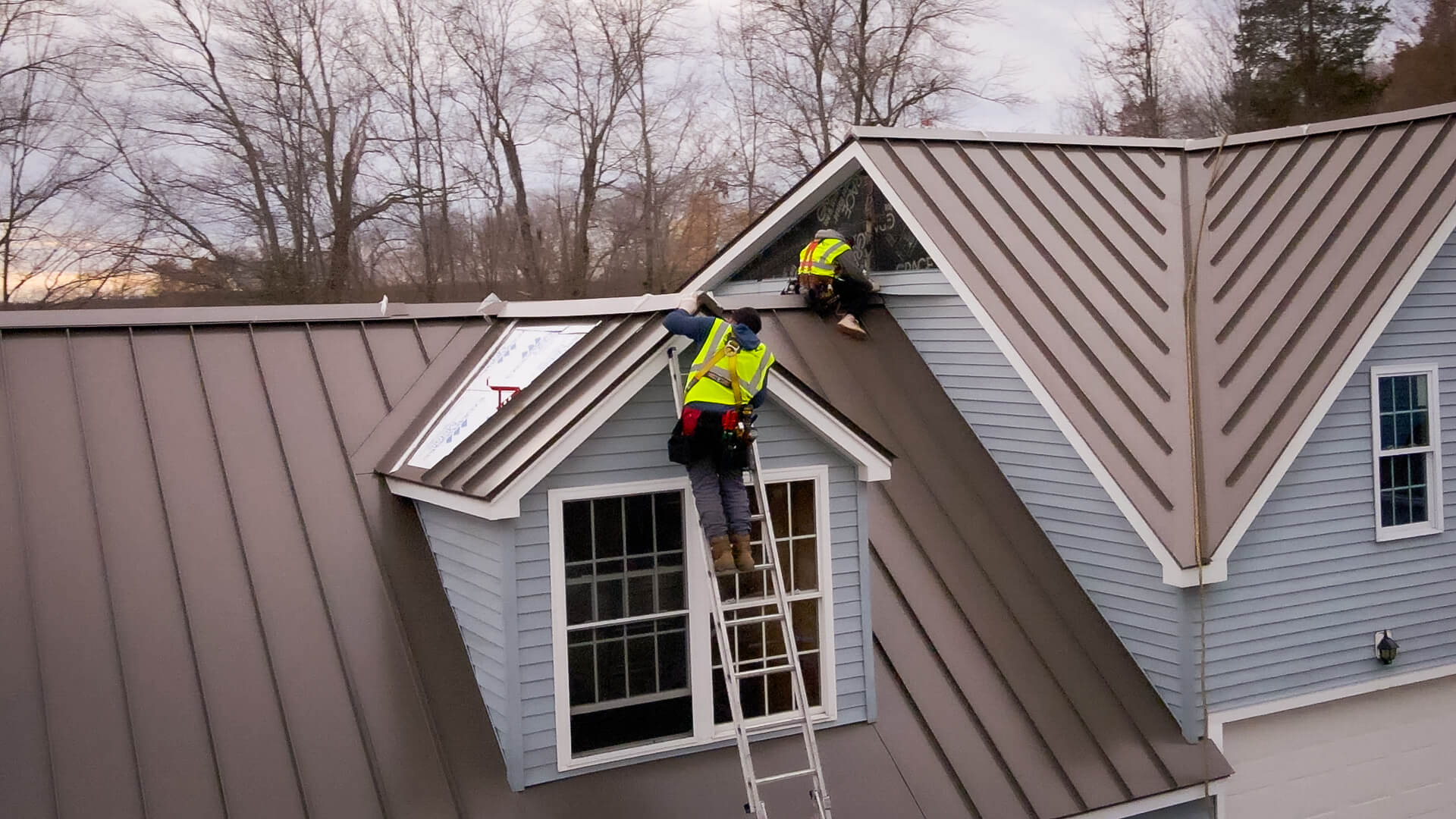
Look for signs of wear or damage, like missing or loose shingles. Timely repairs can prevent further damage during a storm.
Step 5: Reinforce Your Roof
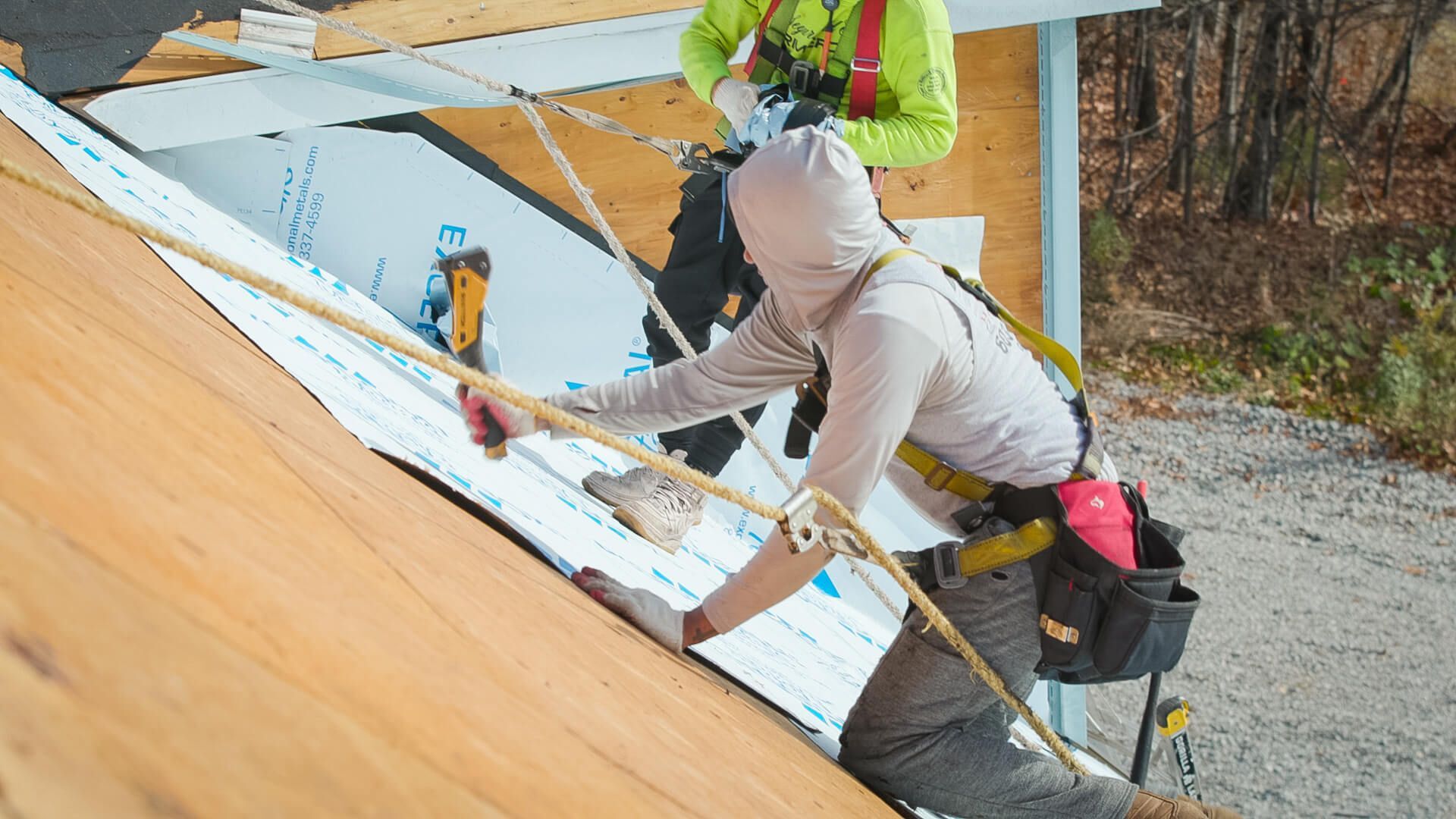
Strengthen your roof's structure by adding hurricane straps or clips that help resist high winds, as recommended by your inspection professional.
Step 6: Seal and Waterproof
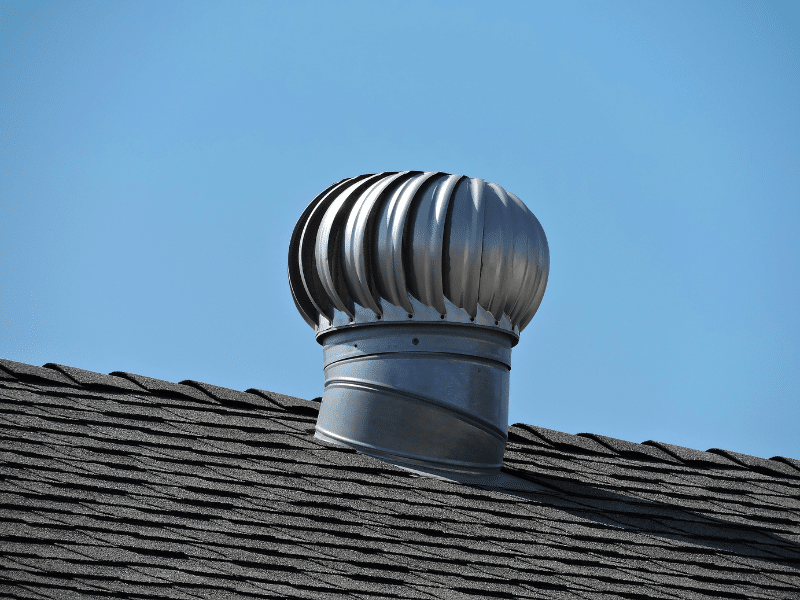
Apply sealants around roof edges, vents, and any penetration points to create a watertight barrier.
Step 7: Consider Impact-Resistant Shingles
If your area is highly susceptible to hurricanes, contemplate upgrading to impact-resistant shingles that can better withstand the forces of nature.
Step 8: Create an Emergency Repair Kit
Compile a kit with necessary supplies for quick fixes, such as tarps, roofing nails, and a hammer, in case emergency repairs are needed post-storm.
Avoiding Common Preparatory Mistakes
Preparation for hurricane season often involves a mix of professional help and do-it-yourself (DIY) efforts. However, enthusiastic homeowners can fall into certain traps that compromise their efforts. Recognizing and avoiding these common mistakes can help ensure that your roof remains secure and your home protected.
Mistake 1: Neglecting Professional Inspections
Many believe that a quick visual check of their roof suffices for a thorough evaluation. Overlooking the need for a professional inspection can leave underlying issues undetected, turning small problems into catastrophic failures. A certified roofer can identify areas that need immediate attention and recommend necessary reinforcements, ensuring nothing is missed.
Mistake 2: Overlooking Gutter Maintenance
It's easy to forget about your gutters until they overflow. Failing to regularly clean and inspect them, especially before hurricane season, leads to blockages and potential water damage. Ensure your gutters are free of debris and in good repair to effectively channel water away from your home.
Mistake 3: Ignoring Loose Yard Items
The chaos of a storm often makes projectiles out of unsecured yard items. Homeowners sometimes forget to secure or store outdoor furniture, decor, and tools. These items can turn into flying debris that threatens your home, so it's imperative to secure or store them safely before the storm hits.
Mistake 4: Delaying Repairs
Postponing necessary roof repairs due to time, cost, or perceived inconvenience creates a vulnerability that hurricanes are sure to exacerbate. Attending to roof damage promptly prevents more extensive and expensive problems when a hurricane arrives. Regular checks and timely action are key to preventing this common pitfall.
Mistake 5: Skimping on Reinforcements
Some may view additional roof reinforcements as an unnecessary expense. However, failure to reinforce your roof adequately with hurricane straps or clips could result in significant damage. Investing in these safeguards is essential for homes in hurricane-prone areas, like Maine, offering stronger resistance to high winds.
Mistake 6: Incorrectly Applying Sealant
DIY attempts to seal and waterproof a roof can end in incorrectly applied products, leaving gaps for water to enter. It's crucial to use the right materials and apply them correctly to create an effective watertight barrier. If uncertain, consult with a professional to ensure proper application techniques.
Mistake 7: Choosing the Wrong Roof Materials
Not all roofing materials offer the same level of hurricane protection. Opting for cheaper, non-impact-resistant shingles might seem economical but can be a poor choice for regions threatened by hurricanes. Investing in impact-resistant shingles can prevent significant storm damage, making them a smarter long-term choice.
Mistake 8: Being Unprepared for Emergencies
In the aftermath of a hurricane, quick access to emergency repair materials is often overlooked. Failing to have a stocked emergency repair kit can leave you scrambling when quick fixes are needed. Keep materials like tarps, roofing nails, and tools readily available to address immediate post-storm repairs.
Securing the First Line of Defense
Your gutters may seem like a minor aspect of your roofing system, but they are your home's first line of defense against water damage. Regular maintenance and cleaning of gutters can prevent the costly consequences of water overflow during a hurricane. Explore services that ensure your gutter system is robust and reliable, ready to stand up to Maine’s challenging weather.
As critical as the roof itself, windows and doors play a significant role in preserving the integrity of your home during fierce storms. Ensuring these elements are properly sealed and free from damage is essential for rigidity against high winds. Turning to experts in storm-proofing windows and doors can provide the peace of mind that comes with comprehensive hurricane preparedness.
Morgan Bennett, Marketing Director
Morgan is the Marketing Director at Adam Quenneville Roofing & Siding, joining the team in 2024. She holds a bachelor’s degree in Marketing and Business and helps lead the company’s brand strategy, content, and customer education efforts. Morgan also plays a key role in AQ Cares, AQRS’s community outreach division, helping coordinate partnerships, volunteer initiatives, and local giving programs that support the neighborhoods we serve.
Topics: