
How To Tarp A Roof: Quick Steps For Emergency Coverage
May 19th, 2025
4 min read
• Quick steps for immediate roof protection with a tarp
• Essential tips to avoid common tarping mistakes
• Guidance on securing and maintaining your temporary roof cover
Recognizing the Warning Signs
Before even considering the task of how to tarp a roof, it’s crucial to identify the warning signs that suggest immediate action is needed. Start by inspecting your roof for missing shingles, visible holes, or areas where the roof has caved in. These clear indicators of damage are signals that your home's interior is vulnerable to the elements. If there's a forecast of harsh weather, taking prompt measures becomes even more urgent to prevent water intrusion and subsequent damage.
Assessing the Damage At a Glance
As you survey the damage, pay close attention to any sagging or bowing—an indication that the roof’s structural integrity may be compromised. Dark spots or trails signify water damage and potential mold, which can quickly escalate into major problems if not addressed. Loose debris and materials around your chimney or vents also warrant a closer look, as these are common areas for leaks to develop. Remember, assessing the situation thoroughly will guide you in selecting the right size of tarp to cover your roof adequately.
Ensuring Safety First
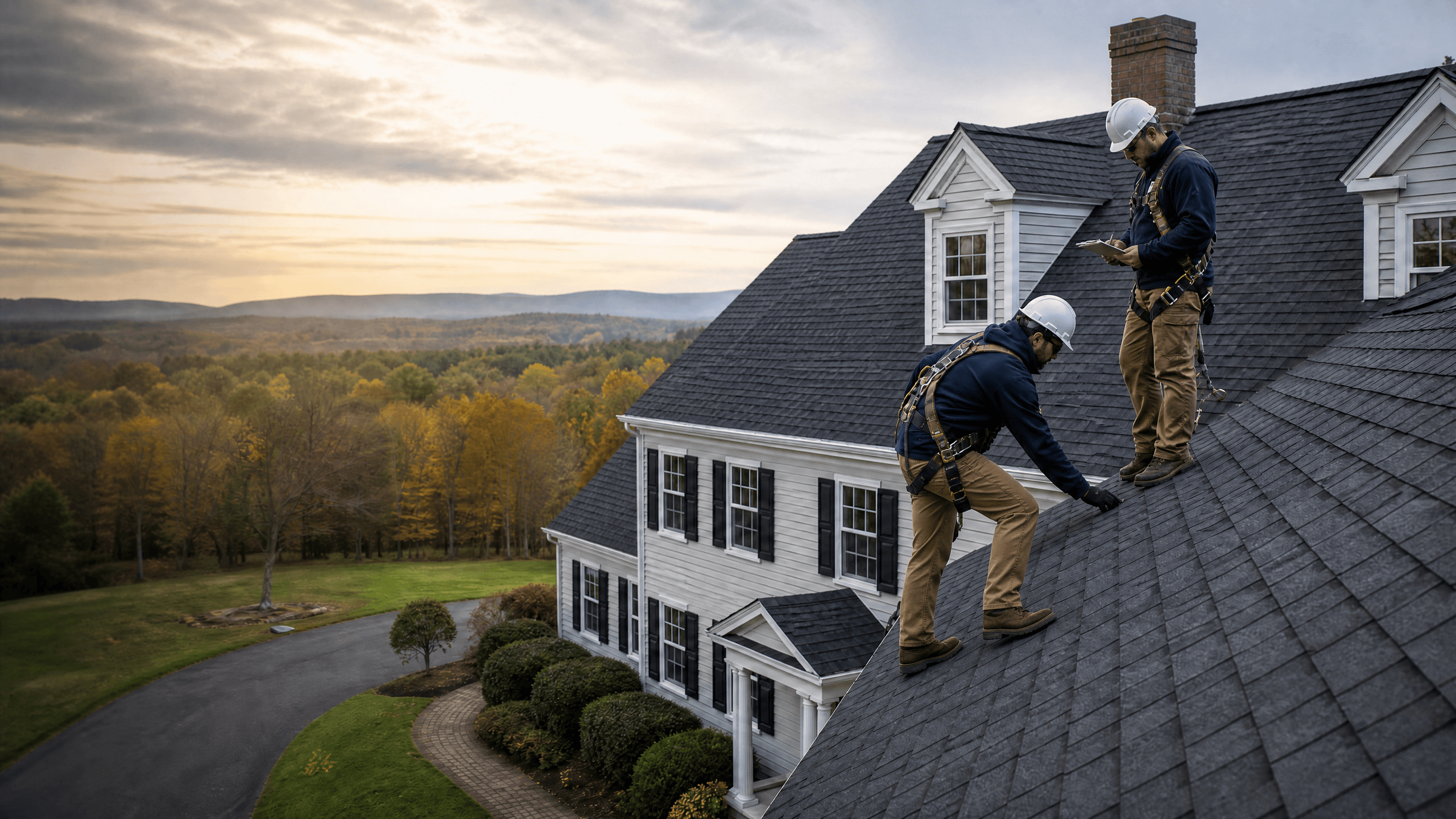
Safety should always be at the forefront when inspecting and preparing to fix roof issues. Using a stable ladder and having a helping hand nearby is non-negotiable—not only does it ensure your safety, but it can facilitate a smoother and quicker installation process. It's also essential to wear gloves and sturdy footwear to protect against sharp objects or slippery surfaces. Taking these precautions seriously mitigates the risks involved with roof repairs, setting a safe stage for the forthcoming steps to secure your home against the unpredictable Massachusetts spring weather.
Gathering Your Tools and Materials
To embark on the endeavor of tarping your roof, compiling a comprehensive list of tools and materials is the first order of business. A robust, high-quality tarp that sufficiently covers the damaged area is non-negotiable; opt for one that extends several feet beyond the damage for full coverage. Nails or screws, paired with solid wood strips, will ensure that the tarp stays in place even during the gustiest Massachusetts winds. Don't forget a sturdy hammer or a reliable drill—these will be your trusty aides in securing everything firmly.
Prepping for the Task
With your tools at the ready, it’s time to lay the groundwork for a successful tarping process. Ensure you have a clear workspace, free from potential hazards that can complicate the job at hand. Before you position the tarp over the damaged area, it’s wise to clear any debris off the roof—a clean surface means less chance for punctures or tears in the tarp. Enlisting the help of a friend or family member not only adds an extra layer of safety but also makes for a more efficient process, so don't hesitate to ask for assistance or seek professional advice from Adam Quenneville’s Roofing and Siding services if you’re unsure.
Step 1: Assess the Damage and Safety
Begin by evaluating the extent of damage to your roof and determine the size of the tarp you will need. Always prioritize safety—ensure that you use a stable ladder and have someone to spot you.
Step 2: Gather Necessary Materials
Collect all the essential tools and materials for the job, including a suitable tarp, nails or screws, a hammer or drill, and wood strips to secure the tarp's edges.
Step 3: Position the Tarp
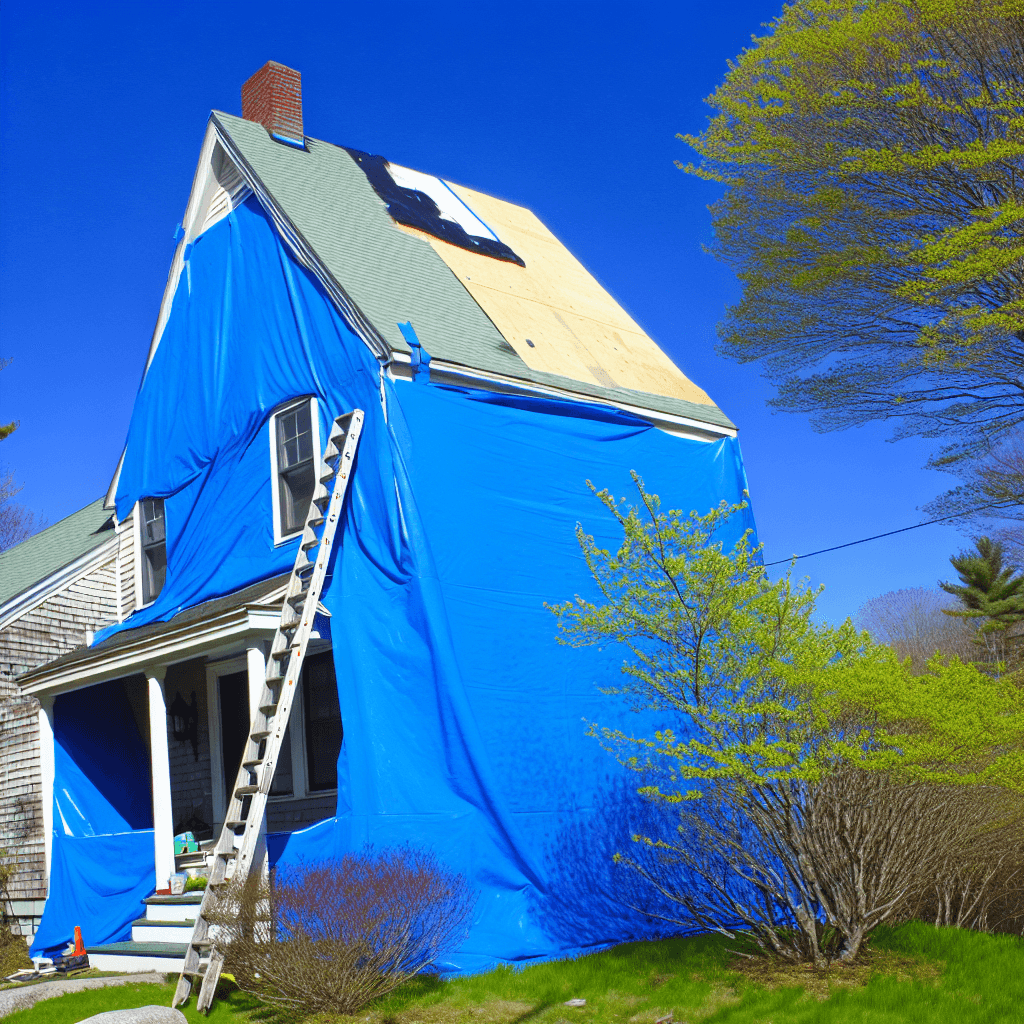
Spread the tarp out evenly over the damaged area, allowing at least 4 feet of overhang for optimal protection. Ensure that the tarp's edges extend over the roof peak for water runoff.
Step 4: Attach the Tarp to the Roof Peak
Affix one edge of the tarp over the ridge of the roof using a row of wood strips, screws, or nails. This step helps water runoff away from the damaged area.
Step 5: Secure the Tarp's Sides
Fasten the tarp along its sides, using wood strips to distribute pressure and prevent further damage to the roof. Make sure the tarp lies flat and tight against the roof.
Step 6: Seal the Tarp Edges
To provide additional security and prevent wind from lifting the tarp, seal its edges with wood strips running the length of the tarp on the roof. This will also help prevent water from seeping under the tarp.
Step 7: Check for Proper Drainage
Inspect the set-up to ensure there are no areas where water can pool on the tarp. It's vital that water can run off easily to avoid adding stress to the roof structure.
Step 8: Regularly Inspect the Tarp
After installation, periodically check the tarp to ensure it remains properly secured and that there are no new leaks or tears. Timely inspections can prevent additional damage.
Avoiding Common Tarping Mistakes
When it comes to tarping a roof, a little preparation and knowledge can prevent several common mistakes. It's easy to underestimate the intricacies of this task, especially under the stress of dealing with roof damage. By being aware of frequent missteps, homeowners can ensure a more effective and lasting solution to protect their property until professional repairs are made.
- Common Mistake 1: Incorrect Tarp Size
Choosing a tarp that's too small is a typical error; it leaves parts of the damaged area exposed and vulnerable to the elements. Ensure that the tarp extends at least four feet beyond the area of damage on all sides for adequate protection.
- Common Mistake 2: Inadequate Securing
Simply draping the tarp over the damage without properly securing it invites the wind to lift it, negating its purpose. Use wood strips along the peak and edges of the roof to fasten the tarp tightly and prevent wind from getting underneath.
- Common Mistake 3: Neglecting Overhang
Failing to allow enough overhang at the edges of the roof can lead to water seeping underneath the tarp and into the home. Always provide ample overhang over the roof peak to ensure water runs off the tarp, not under it.
- Common Mistake 4: Forgetting to Check for Drainage
Overlooking the importance of proper drainage is a severe oversight. Position the tarp to avoid water pooling and inspect regularly, especially after rain or storms, to maintain the effectiveness of your temporary roof cover.
By sidestepping these pitfalls and sticking closely to the guidance provided in the previous steps, you can tarp your roof with confidence, knowing it will withstand the elements until lasting repairs can be undertaken.
Securing the Tarp to Protect Your Home
Securing the tarp properly is vital to its effectiveness in shielding your home from the elements. Start by draping the tarp over the roof's peak, ensuring it's evenly distributed on both sides. Affixing the tarp with wood strips along the roof's peak will guarantee its stability against the unpredictable winds common in Massachusetts, providing reliable, temporary protection.
Maintaining Your Roof's Temporary Shield
Regular inspection and maintenance of the secured tarp are just as significant as the initial installation. After weather events, it's critical to examine the tarp for any potential damage or shifting that may have occurred. Should you discover any issues, or if you need a more durable solution, consider reaching out to services like Adam Quenneville’s Residential Roofing to ensure your home remains safeguarded.
Morgan Bennett, Marketing Director
Morgan is the Marketing Director at Adam Quenneville Roofing & Siding, joining the team in 2024. She holds a bachelor’s degree in Marketing and Business and helps lead the company’s brand strategy, content, and customer education efforts. Morgan also plays a key role in AQ Cares, AQRS’s community outreach division, helping coordinate partnerships, volunteer initiatives, and local giving programs that support the neighborhoods we serve.
Topics: