How to Measure a Roof for Shingles: Your Step-by-Step Guide
July 28th, 2025
5 min read
• Step-by-step guide to accurately measuring your roof for shingles
• Tips to avoid common DIY roofing measurement mistakes
• Expert advice on ensuring a smooth and successful shingle installation
Recognizing When It's Time for a Change
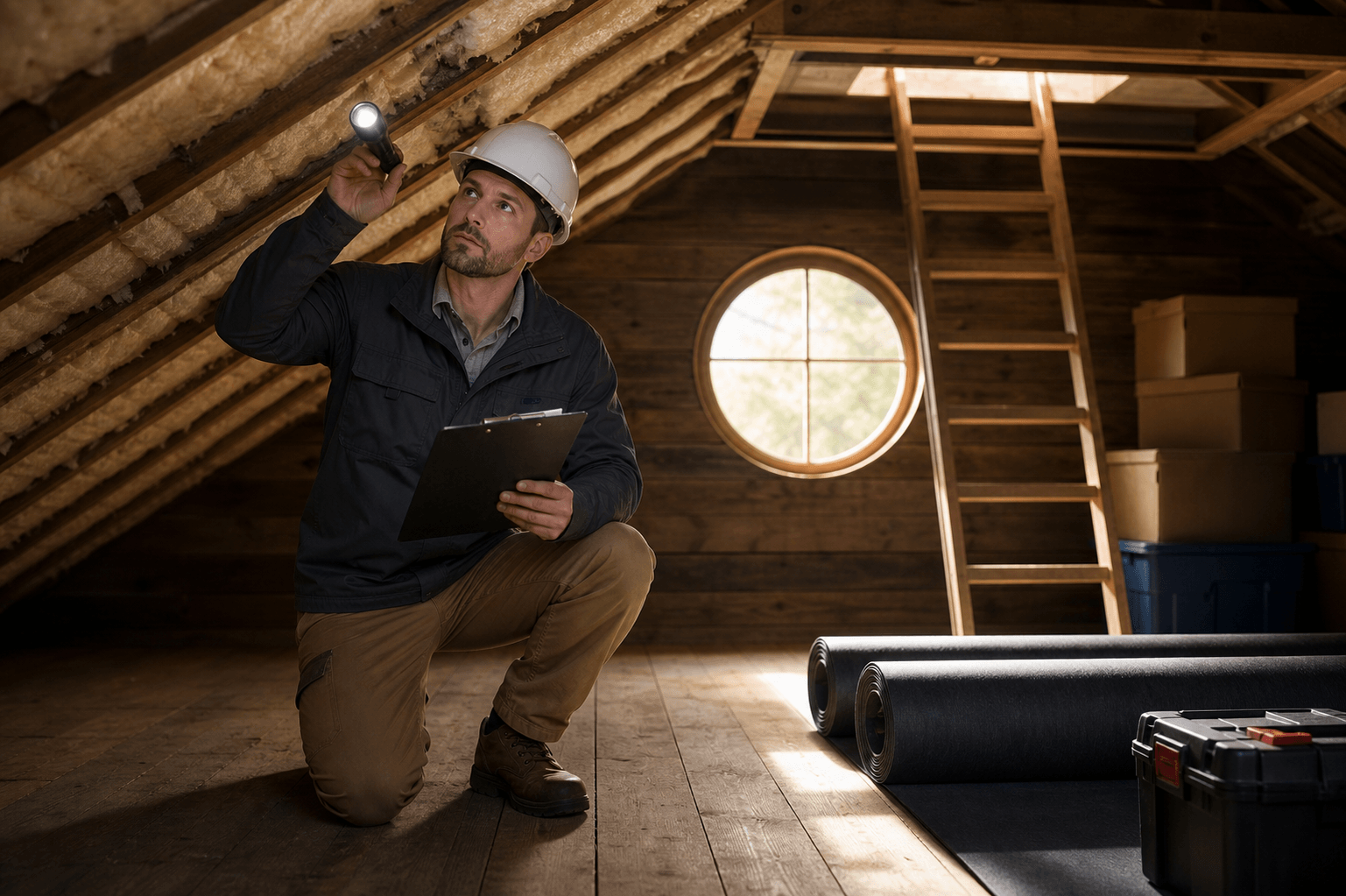
Before delving into the details of how to measure a roof for shingles, it's crucial to spot the problematic signs indicating the need for a new shingle installation. If you observe that your shingles are curling at the edges or missing granules, it's a telltale sign that they're nearing the end of their life span. Other indicators include finding shingle pieces in the gutter or experiencing leaks inside your home, which suggest that your roof's protective layer has been compromised and requires attention.
Maintaining your roof's condition extends its longevity and ensures the safety of your home, making it essential to periodically inspect your roof for any potential issues. Damage can accrue over time due to weather elements, so check for faded, cracked, or torn shingles. If a recent storm has passed through Connecticut, especially during the summer months when high winds and heavy rainfall are common, it's wise to conduct an assessment for storm damage. Remember, catching and addressing these problems early can save you a significant amount on extensive repairs or premature roof replacement.
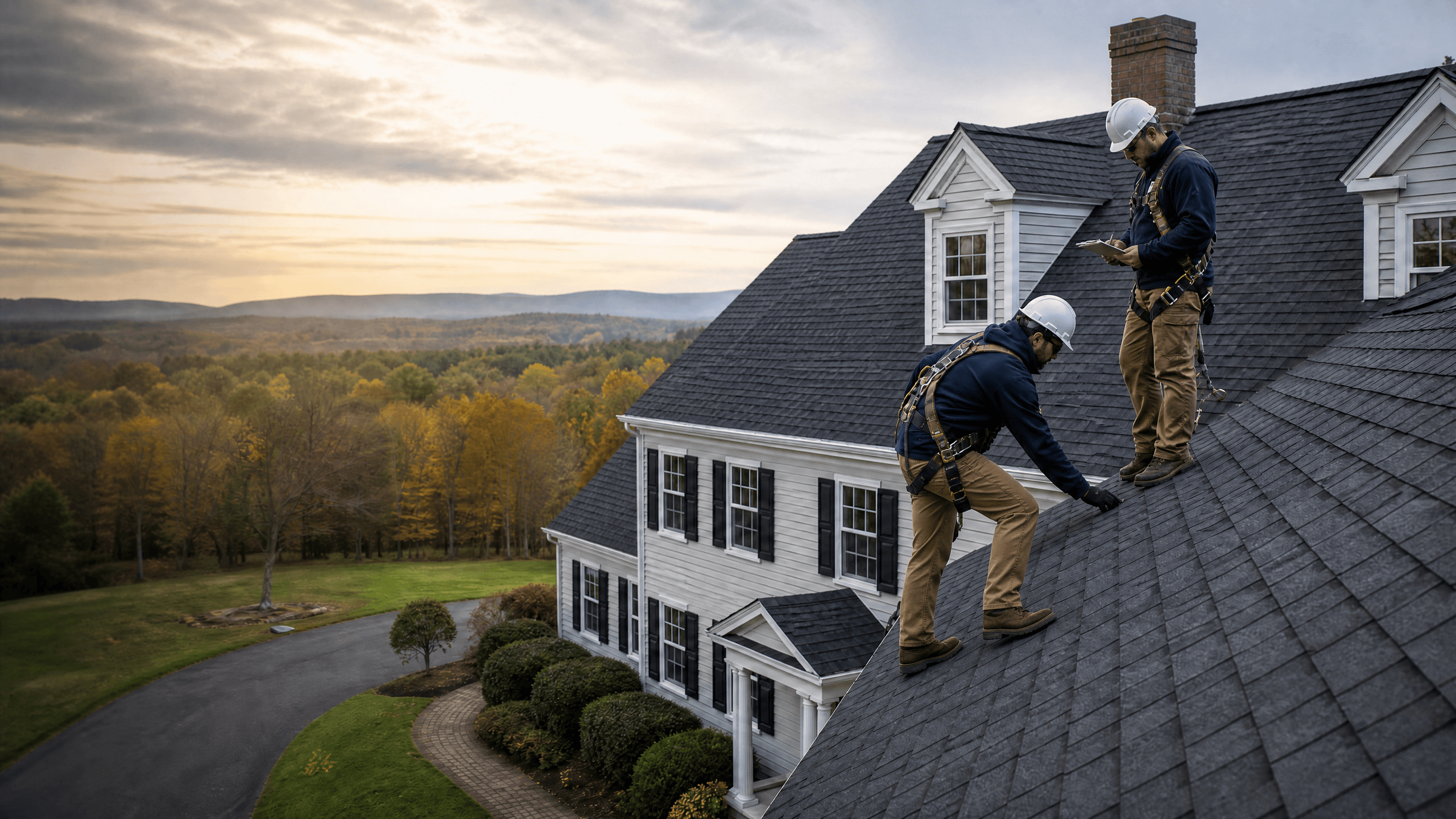
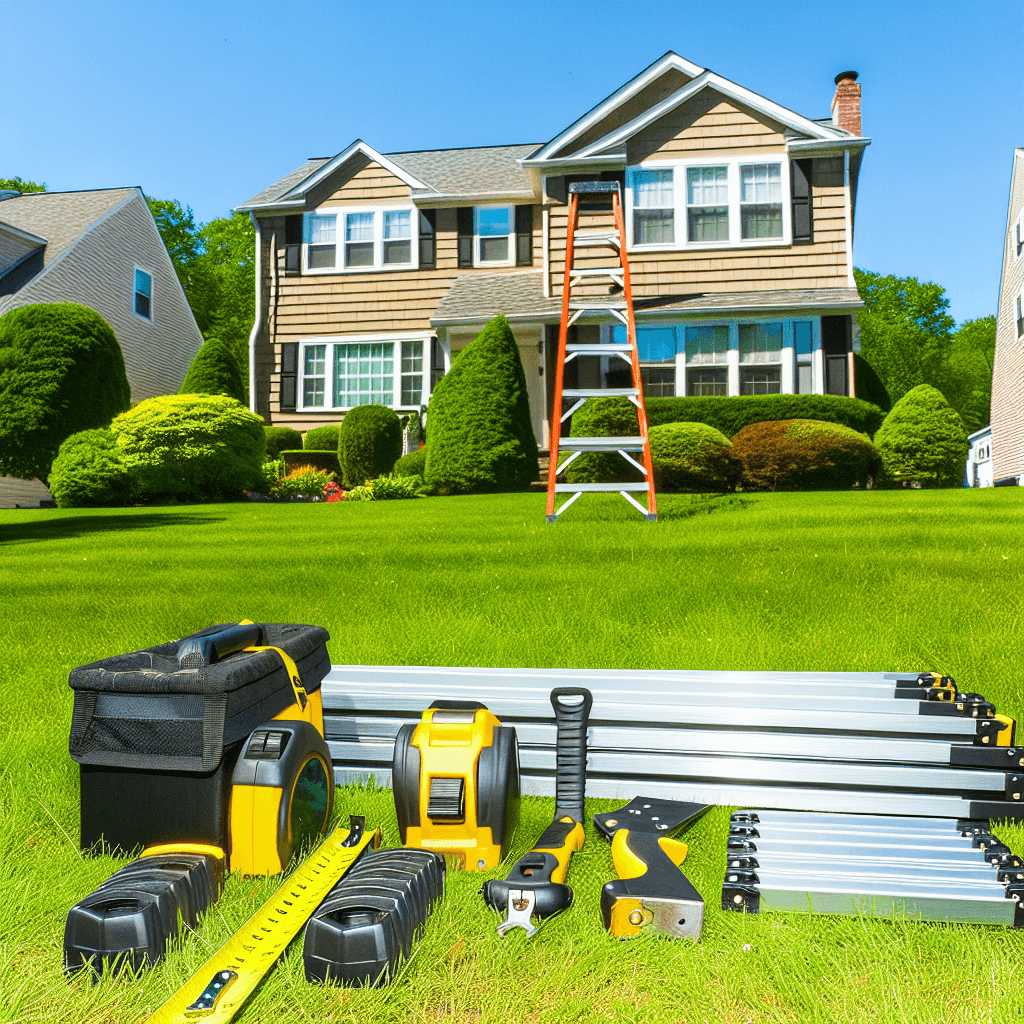
Once you have identified that your roof needs new shingles, preparing to measure your roof accurately is the next critical step. Gathering the right tools, such as a sturdy tape measure, ladder, and a notepad, will set the foundation for a successful project. Ensuring your safety by employing non-slip boots and gloves, and having a dependable friend to spot you as you climb, will mitigate risks. It's these preparatory steps that pave the way for a smooth and secure installation process.
Setting the Stage for Measurement
Having acknowledged the necessity for a roof update, the next stride is to accurately measure the area that requires shingling. To begin, assemble all the tools you'll need, a feat that cannot be overstated in its importance. Without a reliable tape measure and calculator, you risk underestimating material needs, leading to project delays and increased costs. A solid notepad to jot down measurements and a helper to ensure ladder stability are also essential for the task at hand.
When it comes to safety, there are no shortcuts; it's the cornerstone of any roofing project. Wearing appropriate safety equipment, such as gloves and boots, provides the necessary protection and grip when scaling the heights of your roof. A secure, robust ladder is vital, and having someone to spot you as you climb can prevent accidents. For those new to this task or seeking extra confidence, visiting Adam Quenneville's website offers additional insights and professional guidance.
Accurate Measurements: The Key to Roofing Success
Tackling the actual measurements starts at the base of your home; this is where the tape measure comes in handy. By measuring the length of the house's foundation, you acquire a baseline for calculating the roof's total area. This initial figure is crucial and will remain a reference point as you proceed. Accurate measurements here set the tone for the precision required throughout the entire process.
Moreover, understanding the importance of the roof's slope can't be underestimated when considering material needs. One must climb up and measure from the base to the peak to determine the slope. This information aids in adjusting for the pitch, ensuring that you have enough material to cover the true surface area of the roof, including any intricacies in its design. More than just a number, this measure directly influences the quantity of shingles you will ultimately purchase.
Step 1: Gather Your Tools
Prepare for the task by collecting all necessary tools, including a tape measure, ladder, notepad, calculator, and safety equipment like gloves and non-slip boots.
Step 2: Ensure Safety First
Before climbing onto the roof, use your safety gear, ensure the ladder is secure, and never work alone. Always have someone spot you as you measure the roof.
Step 3: Measure the Roof's Base Length
From the ground level, measure the length of your house’s base. Write this number down as it'll be crucial for calculating the total area.
Step 4: Measure the Slope of the Roof
Using your ladder, carefully access the roof to measure from the base to the very top (the ridge). This will help determine the pitch of your roof.
Step 5: Calculate the Roof's Surface Area
Multiply the length and height (slope measurement) to get the surface area of one side of the roof. Then, double it if your roof is a simple two-sided pitch.
Step 6: Add Overhangs to Your Calculations
If your roof has overhangs, measure these separately and add them to the total roof area to ensure you have enough shingles to cover every part.
Step 7: Factor in the Roof's Pitch
For a roof with a steeper slope, factor in the pitch by following a roofing square table for conversion. A steeper pitch requires more shingles for coverage.
Step 8: Determine the Number of Shingles Needed
Take the total roof area and divide it by the coverage area of one pack of shingles. Always buy extra to account for cutting, waste, and any future repairs.
Introduction: Sidestepping the Pitfalls of Roof Measurement
Measuring your roof for a new shingle installation can seem straightforward, but it is peppered with pitfalls that can easily lead to frustration and unnecessary costs. The difference between a smooth project and a troublesome one often lies in steering clear of common mistakes. By understanding these frequent missteps, you can ensure your project runs without a hitch and your roof is prepped and covered with precision.
Common Mistake 1: Underestimating Material Needs
Many do-it-yourselfers fall short by not purchasing enough shingles, leading to unexpected project delays. To avoid this, use a comprehensive checklist when you Gather Your Tools and materials, and always round up your measurements to account for waste and cutting.
Common Mistake 2: Overlooking Safety Measures
A lapse in safety can turn a home improvement project into a dangerous situation. Ensure to Prioritize Safety by utilizing proper gear and having someone to spot you as you scale the roof. Never underestimate the importance of stability when using ladders and working at heights.
Common Mistake 3: Neglecting the Significance of the Roof's Base Length
Incorrectly measuring the roof's base length is a frequent error with long-term repercussions on material estimates. Double-check your Base Length Measurements for accuracy, as this is the foundation from which all other calculations will be made.
Common Mistake 4: Miscalculating the Roof's Slope
Misjudging the slope can lead to inadequate material coverage. Take the time to Accurately Measure the Roof's Slope, using the proper tools and techniques to factor in the roof's pitch correctly.
Common Mistake 5: Disregarding Additional Roof Features
Failing to measure and include roof features like overhangs and dormers can result in an underestimation of materials. Be meticulous in Including All Roof Features in your calculations to prevent shortfalls of shingles when covering the entire roof area.
Common Mistake 6: Not Consulting a Professional When Needed
Sometimes, the scope of a DIY project can exceed your expertise, particularly with complicated roofing systems. When in doubt, Seek Professional Advice or assistance to validate your measurements and approach. Avoiding these common mistakes is vital in ensuring a successful roofing project, saving you time, money, and the headache of dealing with complications due to oversight. Remember, proper planning and execution are your best tools in this venture.
Calculating the Materials You Need
Once the roof's length and slope are determined, it's time to calculate the total surface area. This is done by multiplying the base length by the height to the ridge, which gives you the area of one side. For those with simple gabled roofs, double this amount to account for both sides.
If your roof includes overhangs or other unique features, these areas must not be overlooked as they too require shingling. Measure these sections separately and add their area to the main total. It's these meticulous steps that make for a complete and accurate measurement, assuring that not a single shingle goes to waste.
Preparing to Purchase Your Shingles
Knowing your roof's surface area is one half of the equation; next, you'll need to convert these measurements into the number of shingle packages needed. Roofing materials vary by type and coverage, so reference the specific product details when making your calculations. Consider consulting Adam Quenneville's roofing materials guide for precise specifications and advice.
Always purchase a bit more than the calculated amount to account for cutting and fitting, especially around corners and ridges. An extra pack or two will also provide you with spare shingles for minor repairs in the future. With these careful preparations, your project is set for success from the start.
Morgan Bennett, Marketing Director
Morgan is the Marketing Director at Adam Quenneville Roofing & Siding, joining the team in 2024. She holds a bachelor’s degree in Marketing and Business and helps lead the company’s brand strategy, content, and customer education efforts. Morgan also plays a key role in AQ Cares, AQRS’s community outreach division, helping coordinate partnerships, volunteer initiatives, and local giving programs that support the neighborhoods we serve.
Topics: