
How to Find the Pitch of a Roof: Quick & Easy DIY Guide
June 13th, 2025
4 min read
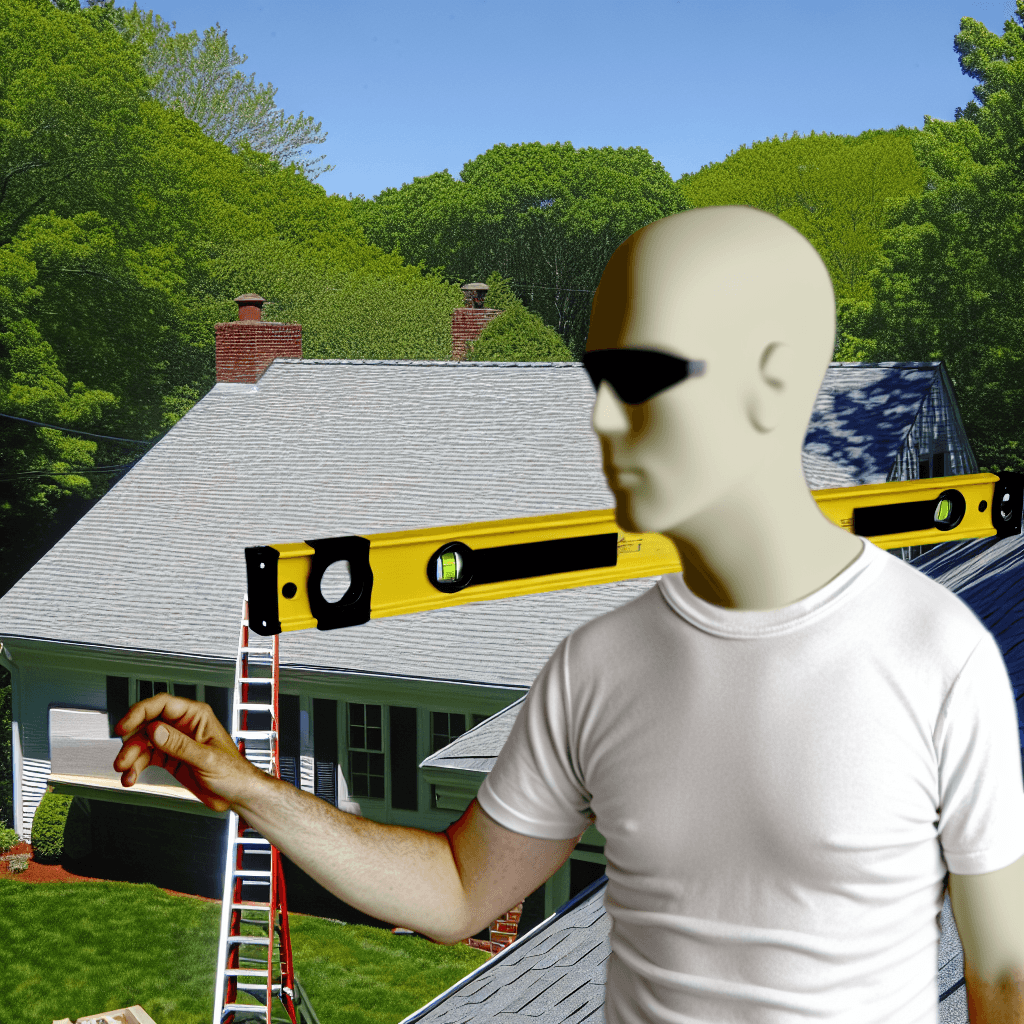
• Learn the signs that indicate it's time to measure your roof's pitch for home maintenance and aesthetics in Connecticut.
• Step-by-step guide on how to safely and accurately find the pitch of your roof using simple tools.
• Tips to avoid common mistakes homeowners make during DIY roof pitch measurements and material selection.
Recognizing the Warning Signs
Before venturing on the quest to how to find the pitch of a roof, understanding why it’s crucial is paramount. A roof with an incorrect pitch can lead to water pooling, which in Connecticut's varied climate, is a recipe for future structural issues. Especially in the summer, when heavy rains can test a roof's mettle, an incorrect pitch may cause leaks, internal damage, and ultimately affect the integrity of a home. Observing any unexplained pooling or water stains on ceilings should prompt immediate investigation into the pitch of your roof.
Gauging the roof pitch of your home isn't just a preventative measure; it’s an essential step for responsible homeownership. It has implications beyond water damage, ranging from selecting the right roofing materials to maintaining the overall aesthetics. With the right pitch, your roofing material can withstand the summer sun and protect against the season's downpours. Look for distressed shingles or an uneven roofline as telltale signs that your roof pitch needs attention before the next summer storm hits.
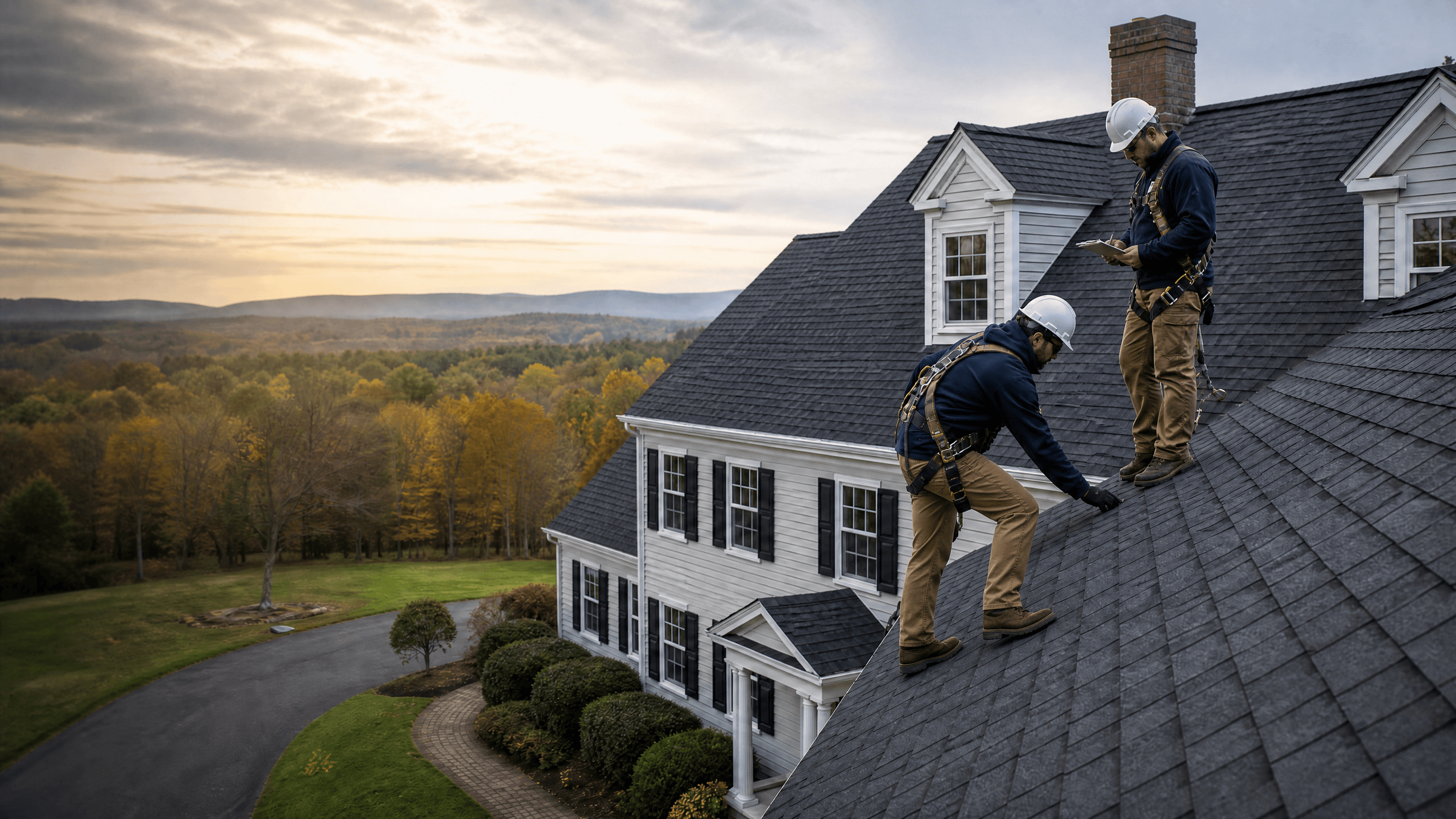
The tools to measure roof pitch are simple, yet the task is critical and requires precision. A reliable carpenter's level, a standard tape measure, and a basic calculator will serve you well in this endeavor. Before you scale the heights of your Connecticut home, ensure you're prepared with the aforementioned, along with the necessary safety gear, such as non-slip shoes and a sturdy ladder. Remember, accessing the roof safely is the first step in resolving any pitch-related issues and securing your home against seasonal wear.
Measuring for Success
Once you've identified that your roof may have an issue based on the precautionary signs, it’s time to locate the roof’s ridge. This central peak is your starting line for determining pitch and is easily found at the highest point where two roof surfaces meet. Grab your handy tape measure and position it at the ridge, ensuring it extends horizontally across the roof to reach the edge of the eaves – this is your 'run'. Beyond mere measurement, understanding the run of your roof will empower you to make informed decisions regarding materials, design, and maintenance.
Equally important is the process of measuring the 'rise' of your roof, a vertical distance that climbs from the roof’s edge to the peak. By dividing the rise by the run, you're able to calculate the pitch and understand the anatomy of your roof. Such clarity offers peace of mind, particularly when planning for Connecticut’s unpredictable weather or when discussing options with a roofing professional. If you're seeking expert advice on your roofing needs, consider exploring Adam Quenneville’s roofing services, a trusted local provider with extensive expertise in commercial and residential roofing solutions.
Step 1: Understand the Importance of Roof Pitch
Begin by explaining the significance of knowing the pitch of a roof, including its role in determining the type of materials suitable for the climate in Connecticut and the aesthetic appeal of the home.
Step 2: Gather Necessary Tools
List the tools required for measuring roof pitch such as a carpenter's level, tape measure, and a calculator for the homeowner's convenience.
Step 3: Access the Roof Safely
Provide a brief overview of the safety equipment needed like sturdy ladders, non-slip shoes, and possibly a safety harness, underscoring the importance of caution when working at heights.
Step 4: Locate the Roof’s Ridge
Guide the reader on how to find the central point of the roof, known as the ridge, which is crucial for an accurate measurement.
Step 5: Measure the Run of the Roof
Illustrate how to measure the horizontal distance (run) from the roof’s ridge to the edge of the eaves.
Step 6: Measure the Rise of the Roof
Instruct on measuring the vertical distance (rise) from the top of the roof down to the same endpoint of the run measurement.
Step 7: Calculate the Roof Pitch
Show how to divide the rise by the run to determine the pitch, and then demonstrate how to translate this ratio into a roof pitch angle or percentage.
Step 8: Select Suitable Materials and Techniques
Provide recommendations on choosing roofing materials suitable for Connecticut's summer weather and advice on professional services if the task seems too daunting for a DIY project.
Avoid These Common DIY Pitfalls When Measuring Roof Pitch
While measuring the pitch of your roof might seem straightforward, it's a task where precision is paramount and errors can be costly. Common blunders can lead to incorrect measurements that spiral into larger issues, affecting everything from the choice of roofing materials to the overall weatherproof integrity of your home. Below are the pitfalls to be wary of, ensuring your DIY efforts are as effective as professional services.
- Mistake 1: Ignoring Safety Precautions
Climbing onto your roof without proper safety gear or a sturdy ladder is risky. Always wear non-slip shoes, use a stable ladder, and consider a safety harness for steep roofs.
- Mistake 2: Using Inaccurate Measuring Tools
The integrity of your roof pitch calculation hinges on precise measurements. Ensure your measuring tape is in good working order and your carpenter's level is accurate.
- Mistake 3: Measuring From the Wrong Points
The run must be measured horizontally from the ridge; an angled tape measure will distort the reading. Similarly, ensure the rise is vertically measured for an exact assessment.
- Mistake 4: Misinterpreting the Pitch Ratio
After calculating the rise over run, misunderstanding this ratio can lead to selecting improper materials. Familiarize yourself with interpreting these figures to apply the correct slope grade for your roofing materials.
- Mistake 5: Neglecting Connecticut’s Climate in Material Choice
Your roof pitch not only informs material selection but also its suitability for local weather conditions. Avoid choosing materials that are incompatible with Connecticut's summer climate, which could compromise the roof's effectiveness and longevity.
Finalizing Your Measurement
After recording the rise and run, the next crucial step is to calculate the roof pitch. This ratio dictates the slope of your roof and is essential for making decisions about design and material choices that suit Connecticut's seasonal challenges. By understanding your roof's pitch, you can better communicate with professionals about needed adjustments or restorations.
Knowing the pitch also allows homeowners to make calculations regarding potential roofing materials. It's a key factor not just in aesthetics but also in the longevity and functionality of your roof. For guidance on the best materials for your roof's specific pitch, explore the options available at Adam Quenneville's roofing materials, ensuring you make an informed choice.
Morgan Bennett, Marketing Director
Morgan is the Marketing Director at Adam Quenneville Roofing & Siding, joining the team in 2024. She holds a bachelor’s degree in Marketing and Business and helps lead the company’s brand strategy, content, and customer education efforts. Morgan also plays a key role in AQ Cares, AQRS’s community outreach division, helping coordinate partnerships, volunteer initiatives, and local giving programs that support the neighborhoods we serve.
Topics: