
• Signs Your Roof May Need Replacing: Look for warning indicators such as missing or damaged shingles, sagging areas, leaks, and excessive granule loss to assess if your roof may need attention before winter sets in.
• Professional Inspection and Maintenance: Highlighting the importance of regular roof inspections and maintenance by qualified professionals to ensure its longevity and identify issues that might require a complete replacement.
• Why Act Before Winter: Explaining the potential risks and higher costs associated with ignoring roof problems, emphasizing the urgency of addressing roofing issues before colder weather complicates repairs and replacement.
Understanding the Signs of an Aging Roof
As winter in Massachusetts approaches, it’s crucial to examine the condition of your home’s covering—the roof. Missing shingles are a clear signal that your roof might be past its prime and vulnerable to the elements. Beyond this, shingles that are cracked or curled at the edges can indicate prolonged exposure to wind and sun, leading to brittleness and breakage. While such wear and tear are natural over time, they necessitate prompt attention to prevent more serious issues when snow and frost hit.
Recognizing Hidden Roof Damage
A damaged roof often betrays itself through subtler signs that homeowners need to be vigilant about. Dark spots or trails on your attic walls or ceiling can suggest water infiltration, while mold’s presence often heralds moisture problems. If you spot these red flags, it’s likely your roof is suffering from leaks that could grow increasingly worse with winter’s freeze-thaw cycles. Address these concerns promptly to safeguard your home from further water damage.
Shingle Granules: The Telltale Clue in Your Gutters
A less obvious but telling sign of an aging roof is the accumulation of shingle granules in your gutters. These granules help protect your shingles from UV rays but tend to slough off as the roof ages. Excess granule loss may indicate that your shingles are nearing the end of their service life and that a roof replacement could be necessary before the harsh winter weather arrives, ensuring optimal protection for your home.
The Implications of Sagging and Structural Integrity
An often-overlooked aspect of roof health is the integrity of its structure. A pronounced sagging area can be indicative of weakness in the roof decking or underlying supports. With the additional weight of Massachusetts’ winter snowfalls, these sags could propagate into more severe structural damage or even lead to a roof collapse. It’s essential not to overlook this sign; a strong, resilient roof structure is non-negotiable for safety and longevity.
Acting on the Age of Your Roof
Knowing the age of your roof is paramount to preemptive maintenance. Most roofing systems offer optimum protection for about 20 to 25 years; hence, if your roof is approaching this age bracket, it’s an actionable cue for a replacement evaluation. The bitter New England winters can quickly exploit an old roof’s vulnerabilities, escalating minor issues into major concerns. Proactive homeowners are wise to consider a roof’s age seriously; an inspection now can bypass the urgency of a mid-winter emergency.
For a comprehensive list of services to help evaluate your roof’s condition, [visit our “Roof Inspection and Maintenance” page](https://1800newroof.net/services/roof-insurance-claims/).
Step 1: Identify Aging Signs
Inspect your roof carefully for signs of wear and tear. Look for missing, cracked, or curled shingles as these are clear indicators that your roof is aging and may need replacement.
Step 2: Check for Water Damage
Examine your attic or ceiling for water stains or mold. If present, this could suggest that your roof is leaking, which must be addressed before the winter season.
Step 3: Inspect Shingle Granules
Check your gutters for shingle granules. Roofs tend to lose more granules toward the end of their life cycle, and excessive granule accumulation might mean it’s time for a new roof.
Step 4: Evaluate Roof Sagging
Look out for areas of your roof that appear to be sagging or drooping. This is a serious sign of structural issues that could worsen with the weight of snow or ice in winter.
Step 5: Consider Roof Age
Determine the age of your roof. Most roofs are designed to last 20-25 years. If yours is nearing this age, it may be time to plan for a replacement before winter.
Step 6: Examine Flashing
Inspect the flashing around chimneys, vents, and skylights. Damaged or rusted flashing can lead to leaks, which are especially problematic in the winter.
Step 7: Look for Moss and Algae Growth
Moss and algae can damage the roof by retaining moisture and, in cold climates, this moisture can freeze and cause additional damage.
Step 8: Schedule a Professional Inspection
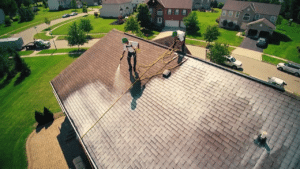
If you are unsure about your roof’s condition, it’s wise to schedule a professional inspection. A qualified roofer can give you a comprehensive assessment and recommend whether you should replace your roof before winter.
Avoiding Common DIY Roof Inspection Mistakes
DIY roof inspections are a proactive approach to maintaining your home, but they come with pitfalls. Homeowners often make mistakes that can lead to bigger issues or an oversight of serious problems. Understanding what these common mistakes are and how to prevent them is key to ensuring your roof is truly prepared for the rigors of winter.
Mistake 1: Ignoring Minor Issues
Many homeowners overlook small problems like a few missing shingles or slight curling. However, these “insignificant” issues can lead to major leaks and damage over time, especially under the weight of snow. To prevent this, address even the smallest signs of wear promptly.
Mistake 2: Overlooking Attic Inspection
Focusing solely on the exterior and neglecting the attic is a classic error. Without checking the interior for signs like water stains or mold, you might miss early signs of leakage. Make attic inspections a routine part of your roof check to catch leaks early.
Mistake 3: Not Checking for Granule Loss
A common oversight is ignoring granules in the gutter, which are indicators of shingle deterioration. These granules play a critical role in protecting your roof from the sun, and their loss can accelerate aging. Ensure you check gutters and downspouts for granule accumulation regularly.
Mistake 4: Dismissing Sagging as Normal
Some homeowners may see a sagging roof as a normal sign of “settling,” but it’s often a symptom of structural issues. Ignoring sagging can lead to catastrophic failures, particularly with the added stress of snow. Regularly inspect for sagging and consult professionals if you’re unsure.
Mistake 5: Miscalculating Roof Age
Underestimating the age of your roof may lead to delayed replacements and winter damage. Roofs nearing the 20-year mark require special attention and likely a replacement plan. Always keep accurate records of your roof’s age and maintenance history.
Mistake 6: Improper Flashing Assessment
Homeowners might not recognize the importance of undamaged flashing for a watertight roof. Rusty or compromised flashing can be the cause of leaks that are particularly harmful in winter conditions. Carefully assess your flashing and replace it if necessary to prevent water damage.
Mistake 7: Underestimating Moss and Algae
Moss and algae might seem harmless, but they can hold moisture against the roofing material. In freezing temperatures, this moisture can expand and create further damage. Treat these growths promptly and keep your roof clean to avoid moisture-related issues.
Mistake 8: Skipping Professional Inspections
Lastly, assuming a DIY inspection is enough can be a costly mistake. Even the most diligent homeowners can miss critical signs of damage. Schedule regular inspections with a licensed roofer to ensure a comprehensive evaluation of your roof’s condition.
Evaluating Flashing for Leak Prevention
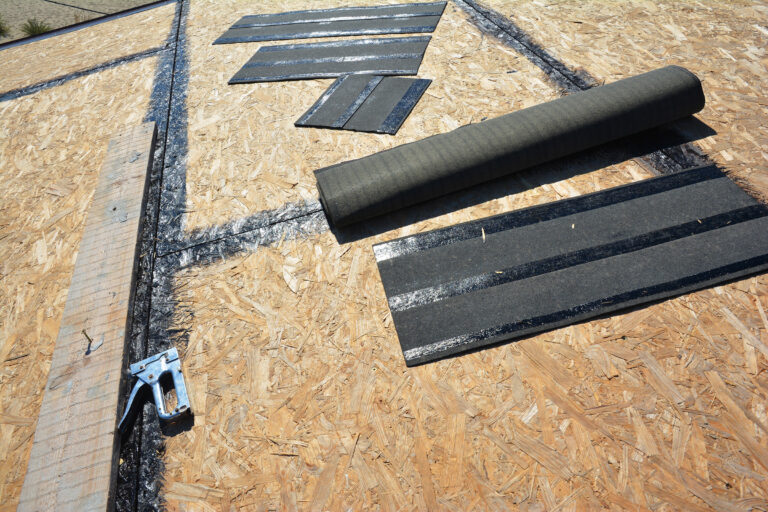
Flashing is the unsung hero that guards against water infiltration at the points where different materials or roof planes meet. An examination of flashing around chimneys, skylights, and vents is indispensable, as these are prime locations for potential leaks. If you find the metal worn or rusted, it’s a clear call to action to replace it and protect your home from water damage through the icy months.
Dealing with Mold and Moss on Your Roof
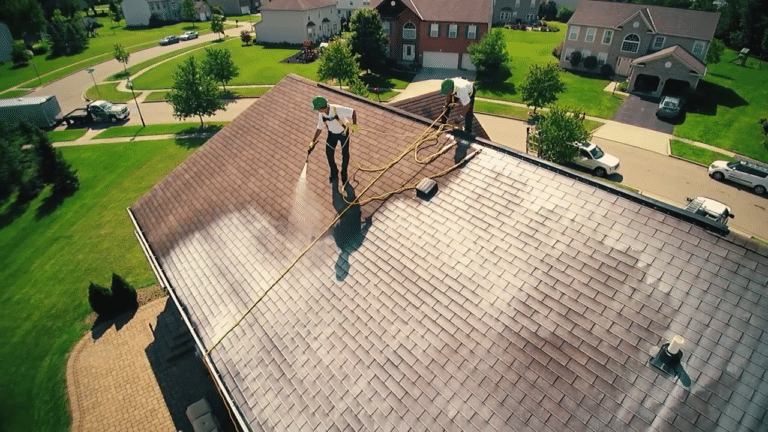
The presence of mold, moss, or algae on your roof speaks to issues that go beyond mere aesthetics. These growths trap moisture against the roof surface, which, in colder climates, can freeze and expand, causing damage to the roofing material. Scheduling regular roof cleaning can prevent this moisture retention and extend the longevity of your roof, especially with the winter looming.
Find out more about proper roof care on our comprehensive [services page](https://1800newroof.net/services/residential-roofing/).