That range of roof costs you’ll find online (or from different contractors) is frustrating, and it’s also where homeowners get burned. The lowest number often leaves out key scope. The highest number might include upgrades you don’t actually need. Without clarity, it’s easy to spend too much, or worse, spend less and end up with surprise charges mid-project.
At Adam Quenneville Roofing and Siding, we price roofs across Massachusetts every day. In this guide, we’ll share realistic price ranges, explain what drives the cost up or down, and give you a simple way to compare quotes so you can make a confident decision.
How Much Does A Typical Roof Replacement Cost in Massachusetts? (With Real-World Examples)
Let’s start with what you came for: a realistic range.
The cost of a new roof in Massachusetts depends on roof size, complexity, materials, and what’s included in the roofing system (not just the shingles). Most roof replacements fall into three broad buckets.
What’s The Low End Cost Range For a Roof Replacement in Massachusetts?
In Massachusetts, our typical price range for a straightforward asphalt shingle roof replacement falls between $14,000 and $20,000. This estimate is based on a 2,000 square foot home and assumes:
- One layer of existing shingles
- The most affordable permit costs
- Replacement of one pipe boot
- One chimney
- No unexpected structural repairs
- This is typically a simpler roof (fewer valleys and penetrations), standard architectural shingles, and a clean, predictable scope of work.
What’s The Average Cost Range For a Roof Replacement in Massachusetts?
This is where most homeowners land: a standard roof with normal complexity, proper winter protection in key areas, and typical flashing/ventilation work with a decking code upgrade.
If a standard 2,000 sq ft home needs a roof decking upgrade to meet code, plywood is added at $3–$5 per sq ft, bringing the total project cost to $20,000–$30,000, depending on the roofing package selected.
What About The Cost For Most Complex Roofs? Or Higher End Materials?
For roofs with steep pitches, multiple valleys/dormers/skylights, older roof systems with a higher likelihood of decking work, and/or premium material selections.
In Massachusetts, the typical price range for a complex or premium asphalt shingle roof replacement falls between $25,000 and $40,000 for a 2,000-square-foot home. This range reflects increased material, labor, and structural considerations and is based on roofs with:
- Steep pitches or difficult access
- Multiple valleys, dormers, or skylights
- Two or more existing layers of shingles
- A higher likelihood of rotted or out-of-code decking
- Premium material selections with enhanced warranties
- Upgrades to flashing (e.g., chimney, wall) and attic ventilation
If the roof has multiple layers, removal typically adds $0.50–$0.75 per sq ft. If decking needs to be removed and replaced, expect an additional $4.70–$6.00 per sq ft.
Not every complex roof will have all of these factors, but when several are present, total costs can rise quickly. This range helps set realistic expectations for older homes or those needing a more advanced scope of work.
Cost per “square” vs. total project cost
You may hear roofing contractors mention pricing by the “square” a unit equal to 100 square feet of roofing. While this is a common way to measure roof size, it’s not a reliable way to compare quotes or estimate your actual cost.
Here’s why: two roofs can have the same number of squares and still differ significantly in total price.
That’s because total cost is shaped by:
- Roof pitch (steeper = more labor)
- Accessibility (hard-to-reach roofs cost more)
- Number of existing layers (tear-off adds time and disposal fees)
- Flashing details (like around chimneys or walls)
- Attic ventilation upgrades
- Structural concerns like decking rot or code violations
- Your choice of materials and warranty level
So while the “per square” metric helps measure the roof’s size, it doesn’t reflect the full scope of what’s involved or what you’ll ultimately pay.
If your roof is older, has complex features, or hasn’t been replaced in decades, it’s smart to expect some added cost for structural repairs or material upgrades. That’s why total project cost, not just size, offers a much more accurate and useful pricing conversation.
What Are The Biggest Factors That Drive Cost for Massachusetts Roofs? In the Order They Surprise Homeowners
If you want to understand your likely cost, these are the factors that move the number the most and the ones that commonly create surprises.
1) Tear-off and number of layers
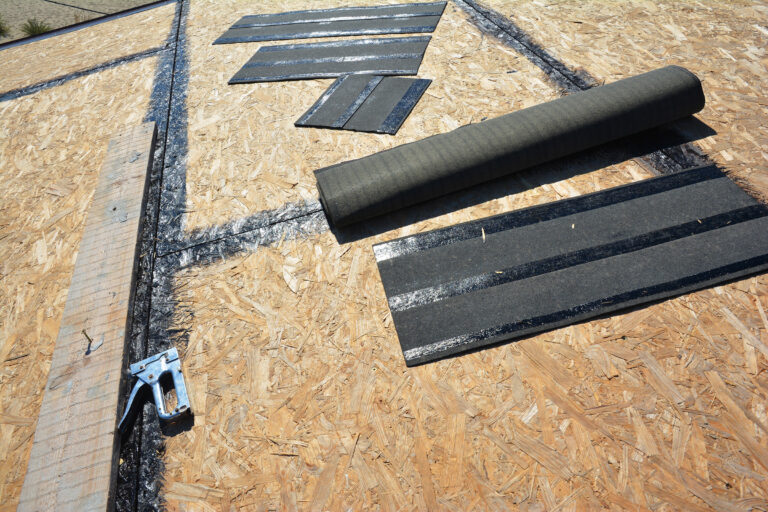
Removing your existing roof takes labor, protection, and disposal. If there are multiple layers, the job gets heavier, slower, and more expensive, and it often reveals more hidden issues.
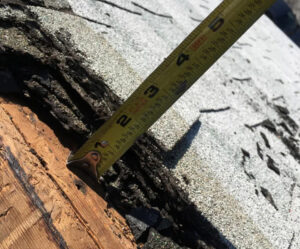
In Massachusetts, encountering multiple layers of roofing is incredibly common, so much so that it occurs on roughly 80% of the re-roofing projects we take on.
This is due in large part to the age and construction style of many homes in the region. Older homes often have legacy materials that are no longer in use, such as wood shakes or multiple layers of asphalt shingles, nailed down with outdated steel or iron nails. These types of nails can’t be picked up with a magnetic roller and require manual removal, which adds time to cleanup.
So, what does this mean for your project?
- Time: Tearing off multiple layers takes significantly longer than removing a single layer. We often see an increase of 1 to 2 additional labor days, depending on roof size and material type.
- Labor: Labor costs rise because of the extra care needed in removal and the additional manpower it takes to handle the weight and volume of the debris.
- Cost: Most homeowners can expect an additional $0.50–$0.75 per square foot per extra layer, depending on access, slope, and disposal challenges. Heavier loads also mean larger or multiple dumpsters, and since dumpster fees are based on weight, this adds to the bottom line as well.
It’s absolutely possible to handle a multi-layer tear-off; it’s just not a simple overlay job. Being transparent about this upfront helps homeowners set realistic expectations and plan budgets accordingly. It’s also a key factor in ensuring the new roof performs exactly as it should for decades to come.
2) Roof Decking
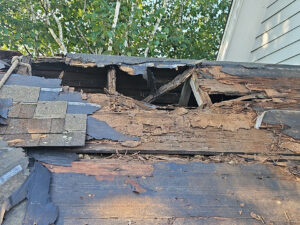
Decking issues are one of the most common scope changes. If the wood under your shingles is soft or rotted, it needs to be replaced so the new roof can be installed correctly.
A trustworthy contractor will inform you of this early and often, price this transparently (often per sheet), and document what was found before proceeding.
3) Roof complexity (valleys, dormers, pitch, penetrations)
A simple ranch is a different job than a colonial with dormers and valleys. Every valley, wall line, chimney, skylight, and pipe penetration adds detail work, which adds labor.
Steeper roofs also slow production and require more safety setup.
Some of the most common reasons a roof project in Massachusetts moves into a higher price tier come down to architectural complexity and site conditions. Steep pitches, especially mansards, tend to drive labor costs up significantly due to the extra staging, safety precautions, and slower pace of installation required. These roofs are not only harder to walk and work on, but they also demand more time and effort when it comes to both tearing off and installing new materials.
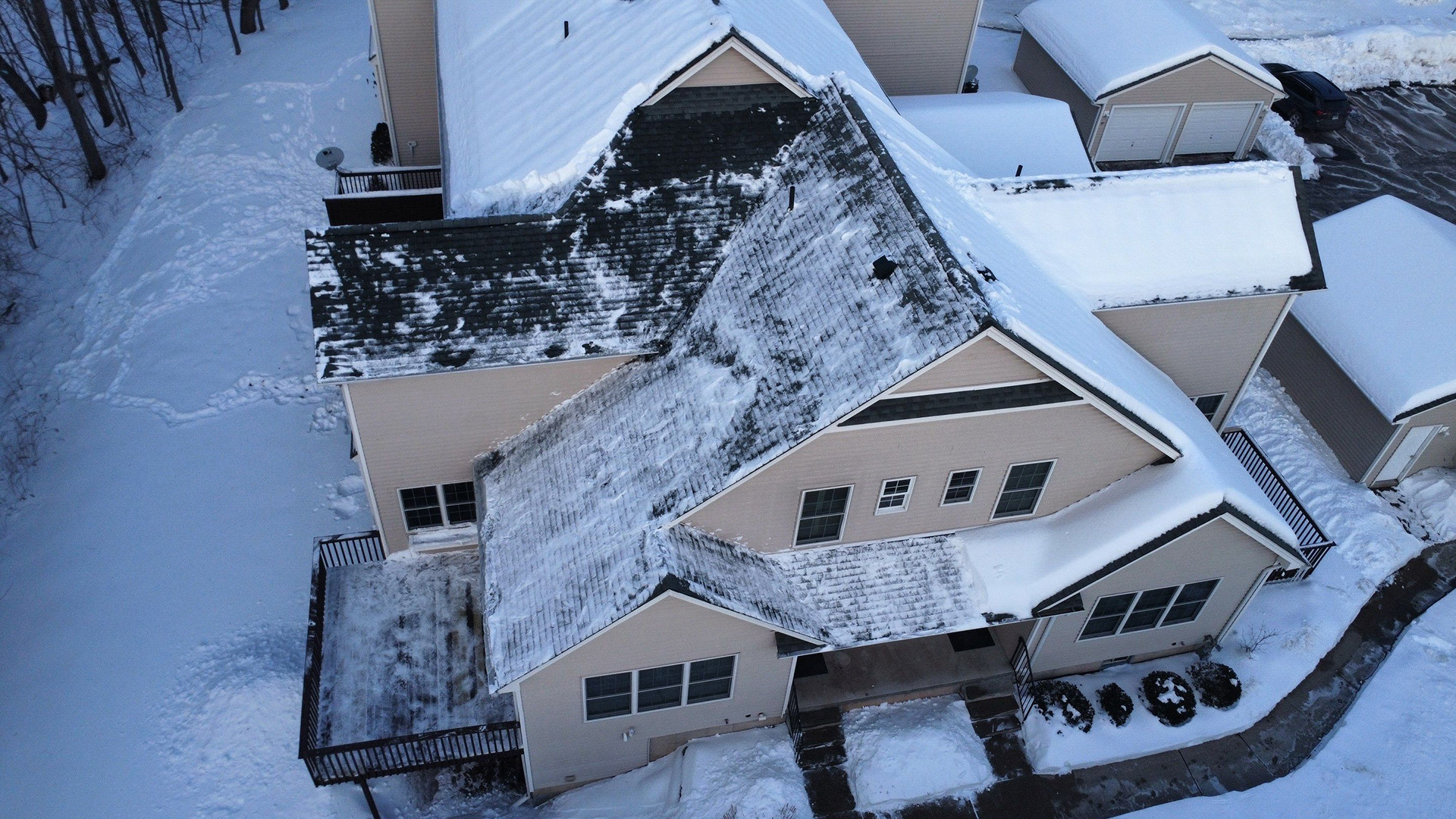
Dormers and valleys also add to the workload. Valleys require precise cuts and careful waterproofing, while dormers create additional edges and transitions that have to be properly flashed. These aren’t just minor details; they impact both the time on site and the skill level required from the crew.
Skylights and chimneys, while relatively small in size, are also cost drivers. They both require custom flashing, and any mistakes can lead to leaks. Skylights, especially, can extend timelines if they’re being replaced or need custom trim work.
Roof height can also play a major role. Homes with three stories or more often require special staging, scaffolding, or even lifts to safely access and complete the work, especially if the ground around the home makes traditional ladders unsafe or impractical. These safety and setup requirements translate directly into increased labor and equipment costs.
In most cases, it’s not one feature alone that can push the price up, but the combination of pitch, penetrations, transitions, and height that adds layers of time, risk, and required skill to the job.
4) Winter protection and ice dam risk
Massachusetts winters can punish a roof system. Ice & water shield coverage, especially at eaves and valleys, can make a meaningful difference.
More coverage can increase cost, but on the right home, it can also reduce risk.
In Massachusetts, especially in colder regions like the Berkshires, we often recommend expanded ice and water shield coverage beyond code, particularly for homes with low-slope roof sections, shallow eaves, or rooflines that lead into valleys or dead spots where snow tends to collect.
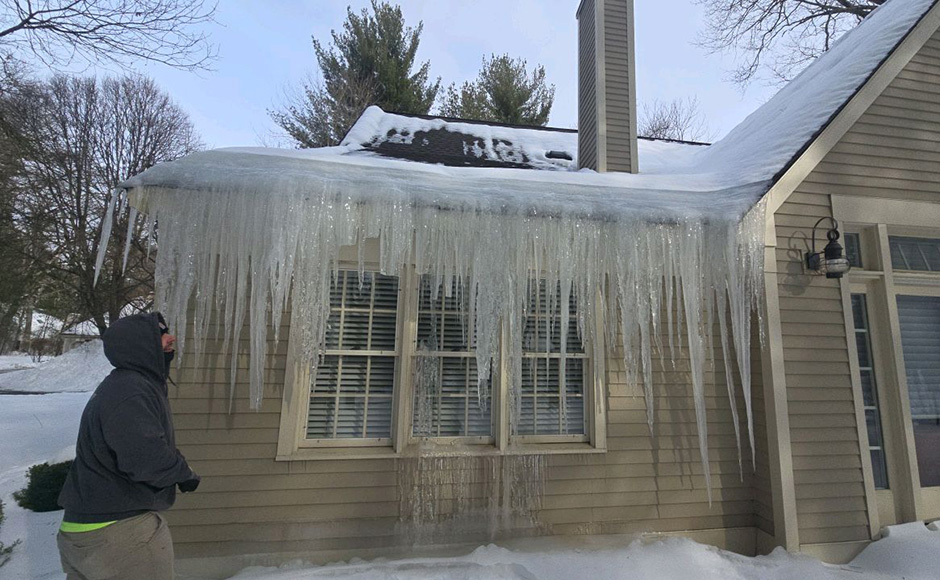
While it’s not required, we typically recommend an additional row of ice and water shield in these areas. It’s a smart consideration for long-term protection, especially on homes with a history of ice dams or those in high-snowfall zones.
5) Flashing and transitions (chimneys and wall lines)
Many leaks happen at transitions, not in the middle of a shingle field.
Chimney flashing, step flashing at walls, pipe boots, skylight flashing, and other details can be handled properly or ignored. The difference shows up later.
6) Ventilation and attic conditions
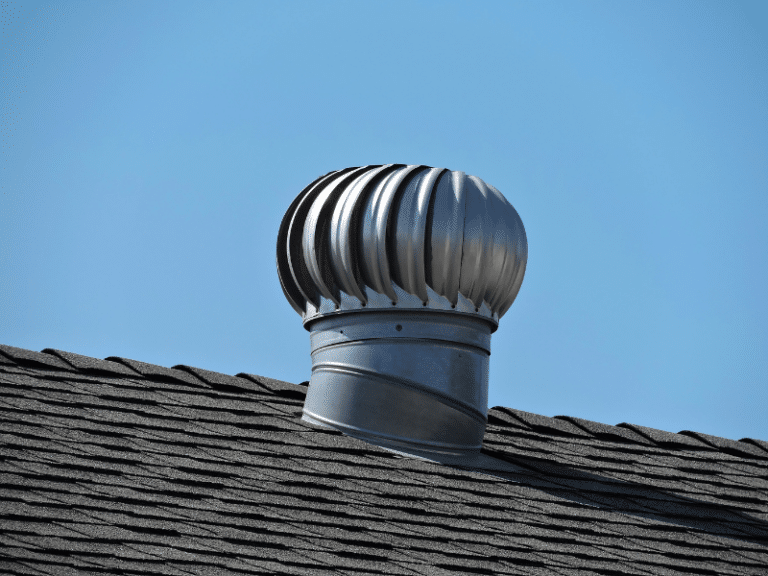
Ventilation isn’t an “extra.” It’s part of a roof system that performs.
If ventilation is inadequate, the roof can age faster, and you can see moisture issues in winter. Some homes also have bathroom fans venting into the attic, which can create mold and rot problems over time.
A quote that never mentions ventilation may be missing a key part of long-term roof health.
7) Jobsite logistics, permits, and protection
Permit requirements are one of the biggest logistical variables in a roofing project. Since Massachusetts doesn’t have a unified statewide permitting system, each town sets its own rules, fees, and timelines.
In cities like Pittsfield, Williamstown, and others, multi-family properties (even if residential) often fall under the commercial permit process. This requires submitting detailed documentation, including project plans, and paying permit fees typically calculated at $6 per $1,000 of contract value.
For buildings exceeding 35,000 cubic feet, state law requires compliance with Construction Control regulations under the Massachusetts State Building Code. This means including a Third Party Inspector or Registered Design Professional (RDP) (architect or engineer), to oversee and certify the design and construction. These added layers ensure safety and compliance, but also increase both the paperwork and timeline involved in the permitting process.
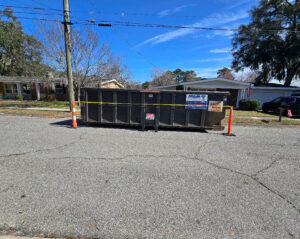
When driveway access is limited or completely unavailable, and a dumpster must be placed in the street, a separate permit is typically required from the local Department of Public Works (DPW) or Board of Health. These street occupancy or obstruction permits often come with additional fees, placement restrictions, and time limits. Some towns may also require proof of insurance or traffic control plans, especially if the road is narrow or heavily trafficked. Failing to secure this permit in advance can lead to fines, delays, or even the removal of the dumpster mid-project. It’s another critical step to coordinate early in the planning process to avoid disruptions once work begins.
What’s Typically Included (and Not Included) in a Roof Replacement Quote?
Quotes should be written so a homeowner can understand them, not so they can hide behind fine print.
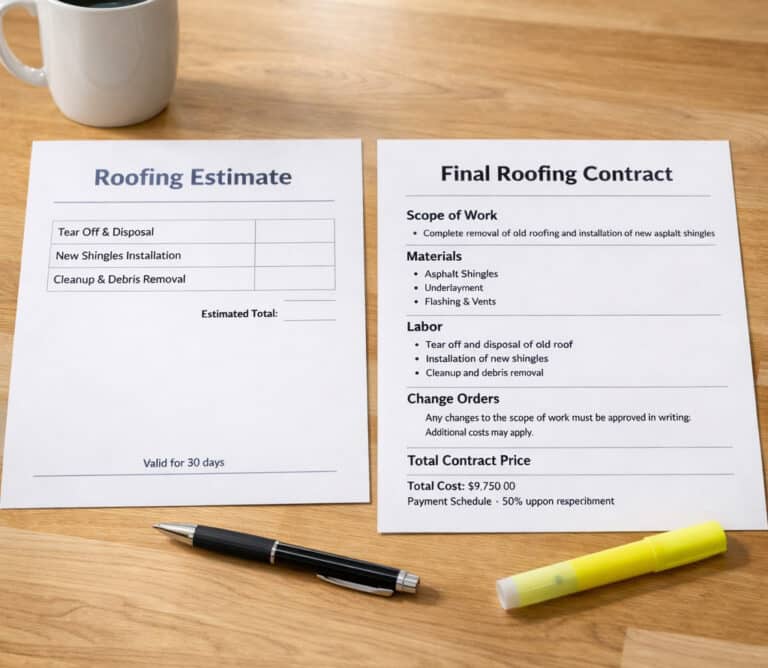
Line items you should expect to see
A complete roof replacement quote should clearly include:
- Tear-off scope and disposal
- A specific shinglebrand/line (not just “architectural”)
- Underlayment type
- Ice & water coverage and locations
- Drip edge, starter, ridge cap
- Pipe boots and penetrations
- Flashing approach (chimney/walls)
- Ventilation evaluation and any planned changes
- Cleanup and property protection
- Permits/code compliance (or clearly assigned responsibility)
- Manufacturer + workmanship warranties
Common “missing” items that change the final price
Here’s what we often see left out, and it’s why homeowners get surprise add-ons:
- Decking replacement not addressed clearly
- Chimney flashing not included or not specified
- Pipe boots and penetration details missing
- Ice & water described vaguely (“as needed”)
- Ventilation not discussed
- Cleanup/property protection not explained
Massachusetts-Specific Considerations That Can Increase Cost
Ice dam prevention and winter performance upgrades
Many Massachusetts homes benefit from winter-focused upgrades, especially if there’s a history of ice dams. The right approach depends on roofline, insulation, ventilation, and drainage.
In towns like Longmeadow, MA, we frequently see a particular type of home that, while architecturally stunning, presents recurring issues with ice dams. These are often grand, custom-designed homes with complex rooflines, multiple peaks and valleys, and roof transitions that tie directly into exterior walls. It’s exactly this type of roof-to-wall connection, often found where upper roofs drain onto lower ones or where valleys trap snow, that creates prime conditions for ice buildup during Massachusetts winters.
Coastal vs. Inland
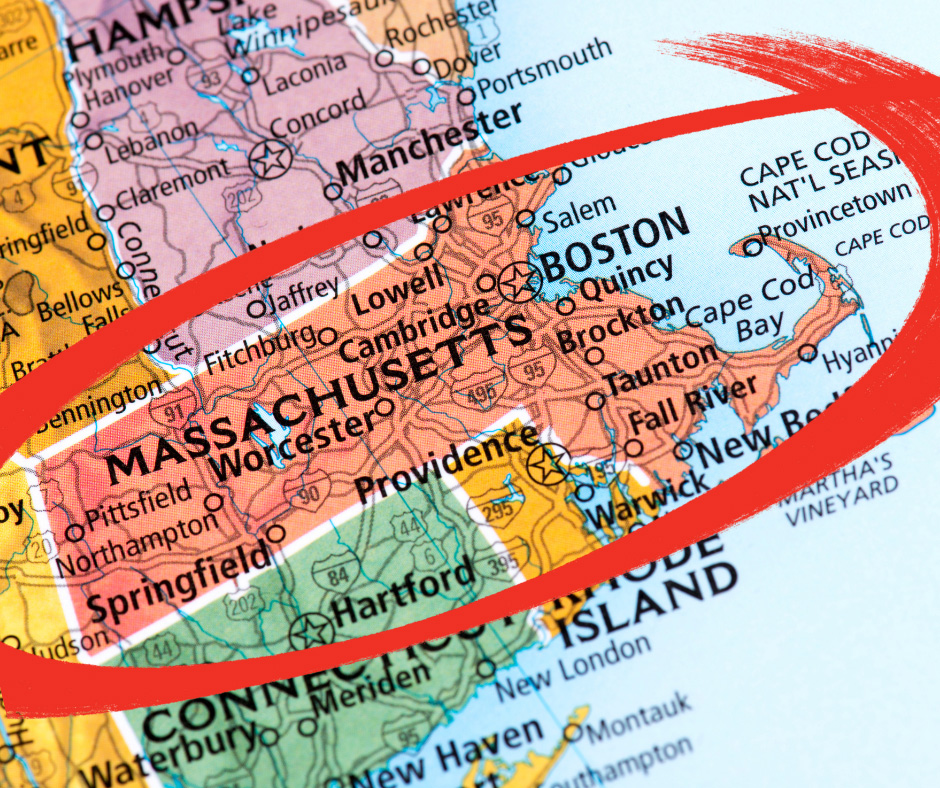
In Massachusetts, location can change roof pricing because it changes what the roof needs to handle. Coastal homes deal with higher wind exposure, salt/sand, and more frequent storm-driven rain, which can add labor and materials even when two roofs are the same size.
For asphalt shingle roofs, the biggest cost differences typically come from installation requirements and detailing, proper fastening patterns, upgraded underlayments, and more robust flashing and edge details in wind-exposed areas. When those items are part of the scope, the price increases because there’s simply more material and more time involved.
On the Cape and South Shore, cost can also shift because material choices are different. Metal roofing, wood shakes, and composite systems are more common in those communities for both performance and architectural style, and they often carry a higher material cost and more specialized labor than standard shingles.
To put it simply, the roof’s “needs” in that environment, wind, salt, ice, and design expectations, can shift the cost up or down.
How to Compare Roofing Quotes in Massachusetts Without Getting Burned
This is the moment most homeowners reach: “I have quotes, how do I tell what’s real?”
The “apples-to-apples” checklist
Use this to compare proposals:
- Same shingle brand and product line?
- Same tear-off scope and number of layers?
- Same ice & water shield coverage and locations?
- Same underlayment?
- Same flashing plan?
- Same ventilation approach?
- Same cleanup and protection plan?
- Same warranties in writing?
- Clear change order process?
Red flags to watch for
Be cautious if you see:
- Vague scope language (“as needed,” “standard,” “included” with no specifics)
- No shingle brand/line named
- No ventilation discussion
- No decking plan or pricing
- A dramatically low number compared to other quotes with no explanation
Real-World Examples: What Different Massachusetts Roofs Might Cost
These examples help you connect the range to real homes. They’re not a substitute for an inspection, but they make pricing feel less like a mystery.
Example 1: Simple ranch
A straightforward roof often stays more predictable, unless there are multiple layers or decking issues.
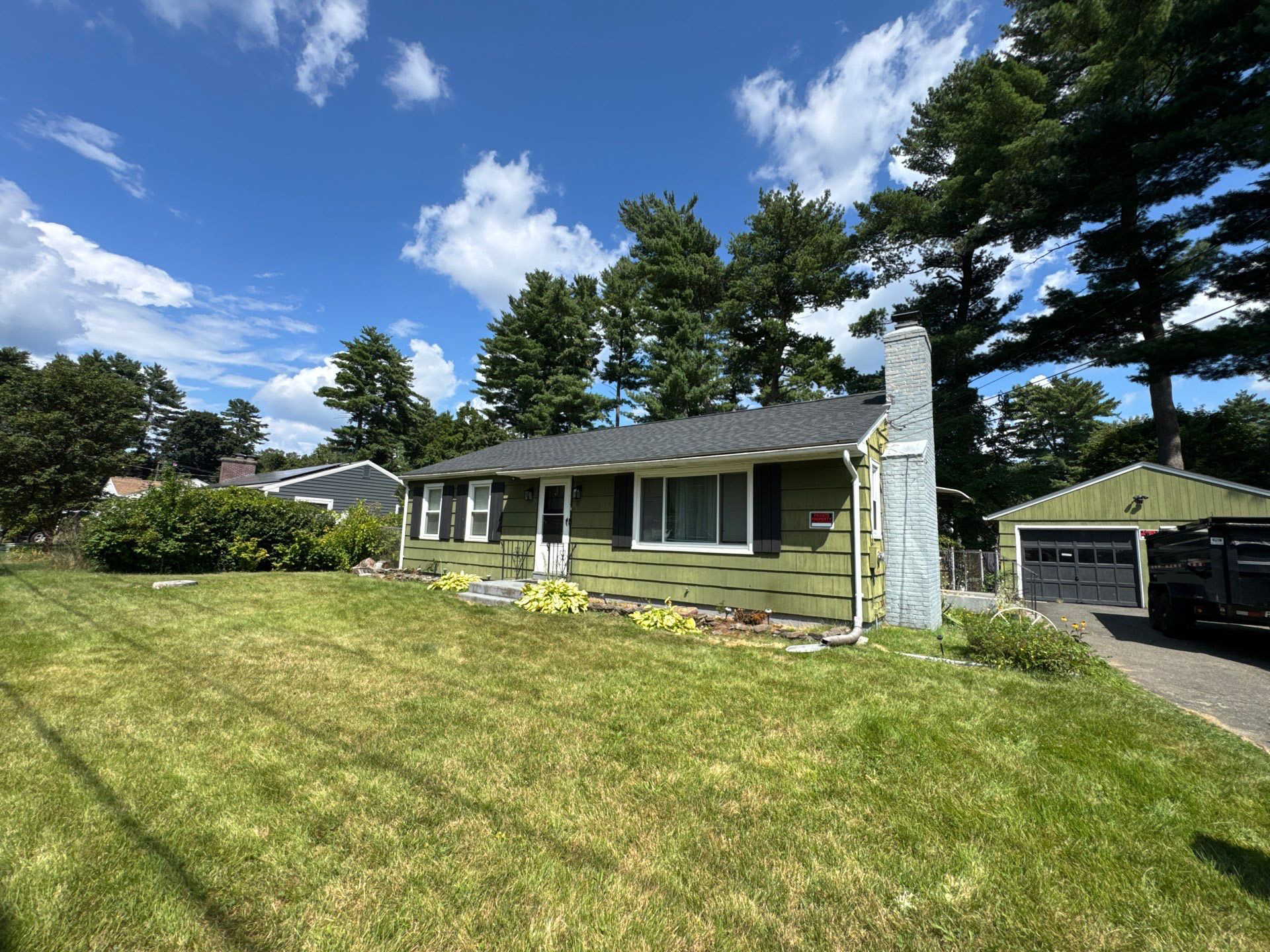
Recent Roof Replacement Example-Springfield, MA
Property Type: Single-story ranch home with garage
Location: Springfield, Massachusetts
Roof Complexity: Simple design, no dormers or valleys—straightforward replacement
Project Scope:
- Full removal of existing roofing material
- Permit handling and debris dumpster included
- Ice and water barrier installed along all eaves
- Synthetic underlayment throughout
- New drip edge, ridge vent, and pipe boot
- Lead flashing added around chimney
- Garage roof included
- Non-GAF architectural shingles used (per homeowner preference)
Final Price Range: $13,500
This project reflects what many Massachusetts homeowners can expect for a straightforward full-roof replacement on a basic ranch-style home, inclusive of all essential materials and local code compliance.
Example 2: Two-story colonial with valleys/dormers
More planes and transitions increase labor and detail work.
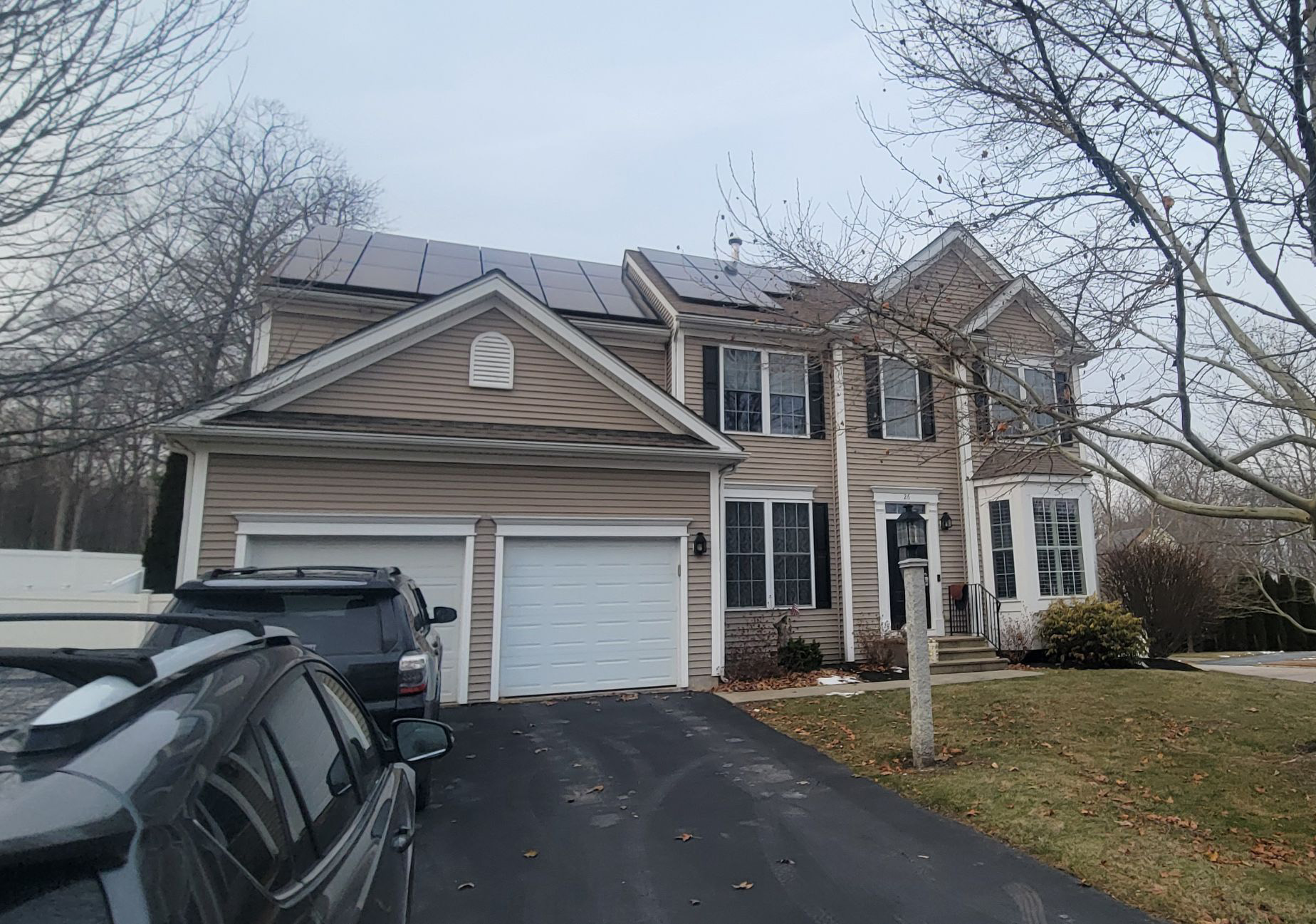
Recent Roof Replacement Example – Grafton, Massachusetts
Property Type: Two-story Colonial, dormers, and multiple roof planes
Roof Complexity: Medium – multiple valleys, dormers, and intersecting roof lines required extensive detail work and precision flashing
Project Scope:
- Full tear-off and disposal of existing roofing
- Ice and water shield installed at all eaves and valleys
- Synthetic underlayment used across entire roof deck
- New GAF Timberline HDZ architectural shingles (premium aesthetic and wind resistance)
- Ridge vent installed for consistent attic ventilation
- New drip edge along all eaves and rakes
- Reflashing of bay window area due to prior leak issue
- Chimney and penetrations properly flashed for weatherproofing
Final Price Range: $21,000
This project illustrates how more complex roof structures, such as dormers, valleys, and intersecting roof planes, can increase labor time, material use, and precision requirements. Proactive repair of known leak zones (bay window) and full-system ventilation upgrades were also key drivers of cost.
Example 3: Older home with decking/ventilation upgrades
Older homes tend to have more unknowns and more “system” corrections.
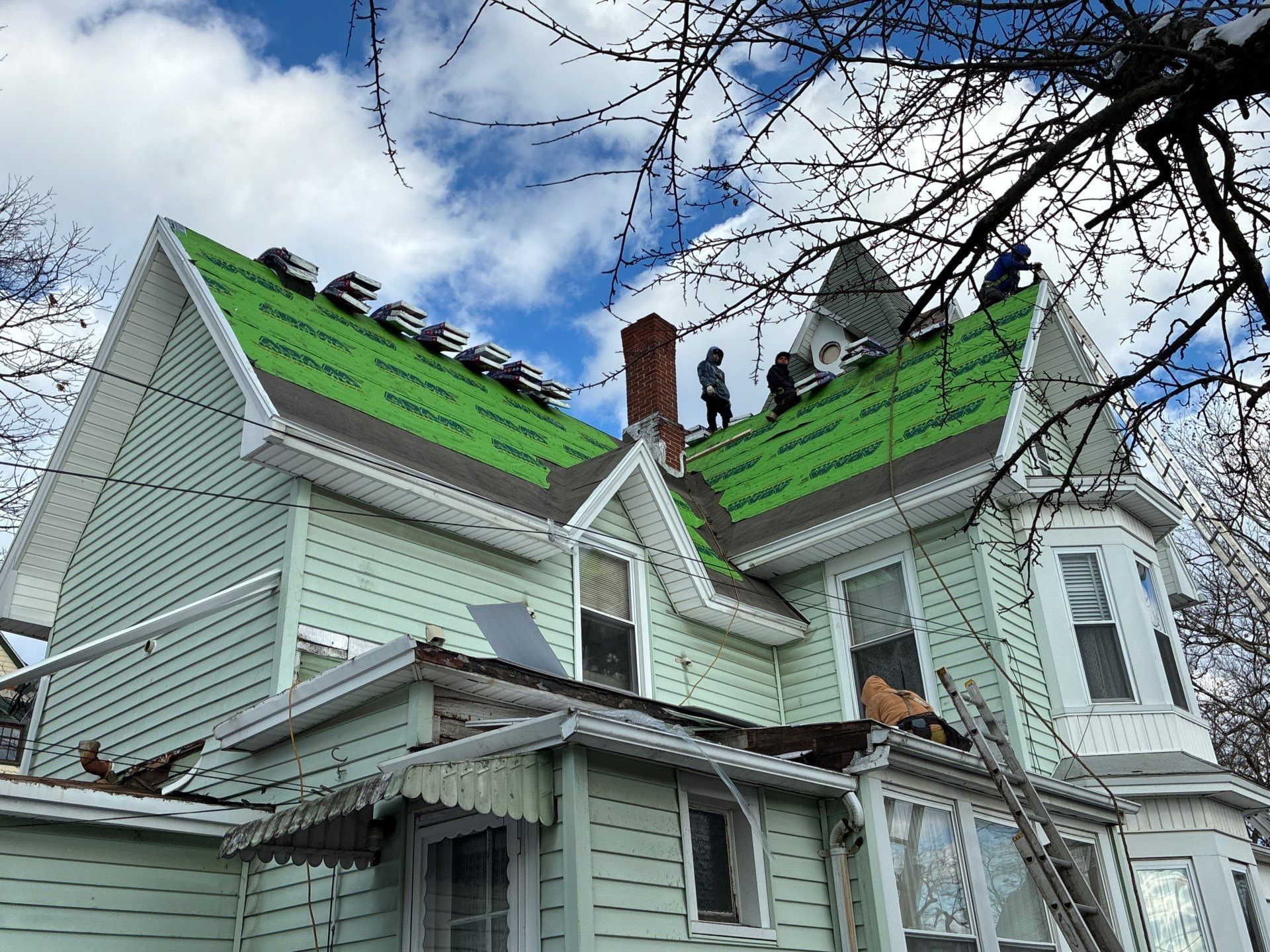
Recent Roof Replacement Example – Holyoke, Massachusetts
Property Type: Multi-story Victorian with steep pitches and bay windows
Roof Complexity: High – steep angles, layered roof planes, and multiple system types
Project Scope:
- Full tear-off and disposal of all existing roofing materials
- Replacement of deteriorated roof decking due to age and moisture exposure
- Installation of GAF architectural shingles (main roof system)
- Ice and water barrier installed along eaves and vulnerable areas
- Synthetic underlayment across the roof deck
- New ridge vent and drip edge for system-wide ventilation and water control
- Flat roof section replaced with appropriate low-slope membrane system
- Reflashing of brick chimney and all critical transitions
- New pipe boots installed on plumbing penetrations
Final Price Range: Variable depending on decking discovery, flat roof size, and architectural features, this project totaled $43,000.
Older homes like this often come with surprises, outdated ventilation, rotted decking, or legacy flat roof sections not visible during initial inspection. These hidden issues can shift the project scope quickly, but resolving them ensures long-term performance and avoids future leaks or mold risks.
Want to know what your MA roof will really cost?
If you want a clear, detailed estimate (and a quote you can compare fairly), schedule a roof inspection with Adam Quenneville Roofing and Siding. If you already have quotes, we’re also happy to review them with you and explain what’s different, so you can compare apples to apples.
Schedule a roof inspection with Adam Quenneville Roofing and Siding to get a clear, detailed estimate you can compare fairly.
Already have quotes? Send them our way, we’ll walk through the differences so you can compare apples to apples and avoid mid-project surprises.